
Apr . 01, 2024 17:55 Back to list
fever medicine for chicken Manufacturing Analysis

Introduction
Avian pyrexia medication, commonly referred to as fever medicine for chicken, represents a crucial segment within veterinary pharmaceutical interventions. Its technical position in the poultry industry chain lies downstream from active pharmaceutical ingredient (API) synthesis and formulation, serving as a final product administered to combat infectious diseases manifesting as elevated body temperature in poultry. Core performance revolves around the effective reduction of fever, mitigation of associated symptoms (lethargy, decreased feed intake), and ultimately, supporting the bird’s immune response to overcome the underlying infection. This guide details the material science, manufacturing processes, performance characteristics, potential failure modes, and maintenance protocols associated with these vital medications, adhering to stringent industry standards and addressing critical pain points related to efficacy, safety, and stability.
Material Science & Manufacturing
The manufacturing of fever medicine for chicken typically relies on APIs derived from diverse chemical classes, including non-steroidal anti-inflammatory drugs (NSAIDs) such as meloxicam or flunixin meglumine, and antipyretics like paracetamol (acetaminophen) though its use in poultry is less common due to regulatory considerations. Excipients – inactive ingredients – are critical. These include diluents (e.g., lactose, microcrystalline cellulose), binders (e.g., polyvinylpyrrolidone – PVP), disintegrants (e.g., croscarmellose sodium), lubricants (e.g., magnesium stearate), and flavoring agents to enhance palatability. Raw material properties are rigorously controlled. API purity is assessed via High-Performance Liquid Chromatography (HPLC) with stringent limits on impurities. Excipient particle size distribution influences tablet compression and dissolution rates. Manufacturing processes vary based on dosage form. Powder formulations involve blending APIs and excipients followed by milling and sieving to achieve homogeneity. Liquid formulations require precise control of pH, viscosity, and solubility. Tablet compression demands precise control of compression force, dwell time, and tooling design to ensure tablet hardness, friability, and disintegration time within specified ranges. Sterilization processes (filtration, autoclaving, or irradiation) are crucial for injectable formulations to ensure sterility. Key parameter control includes monitoring temperature, humidity, and mixing speeds throughout the manufacturing process. Deviation from these parameters can lead to inconsistent drug content, reduced stability, and altered bioavailability.
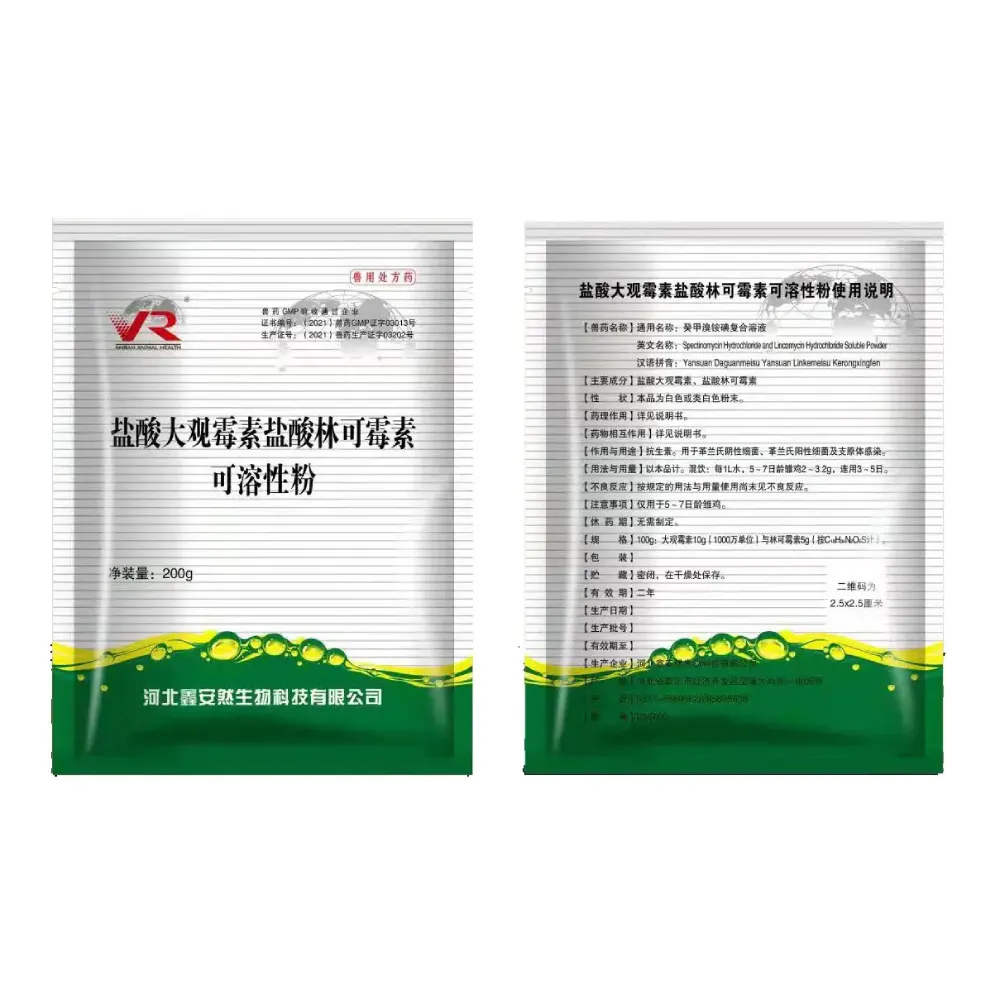
Performance & Engineering
The performance of fever medicine for chicken is fundamentally linked to its pharmacokinetic (PK) and pharmacodynamic (PD) properties. PK determines how the drug is absorbed, distributed, metabolized, and excreted (ADME) within the avian system, while PD describes the drug's effects on the target biological system. Force analysis, in the context of tablet formulation, centers on ensuring sufficient mechanical strength to withstand handling and transportation without fracturing. Environmental resistance is paramount; products must maintain stability under varying temperature and humidity conditions encountered during storage and transport. Compliance requirements are dictated by veterinary regulatory authorities (e.g., FDA-CVM in the US, EMA in Europe). Functional implementation involves delivering a therapeutically effective concentration of the API to the site of inflammation or infection. This is significantly affected by the route of administration. Injectable formulations typically exhibit faster absorption and higher bioavailability compared to oral formulations. Bioavailability studies, conducted in poultry species, are essential to determine the appropriate dosage regimen. The drug's ability to cross the blood-brain barrier (BBB) is relevant for central nervous system effects and potential side effects. Consideration must be given to potential drug interactions with other medications commonly administered to poultry. Withdrawal times (the period required for the drug to be eliminated from the bird’s tissues) must be strictly adhered to prevent residues in meat and eggs, ensuring food safety.
Technical Specifications
| API Purity (HPLC, %) | Dosage Form | Bioavailability (%) | Withdrawal Time (Days) |
|---|---|---|---|
| >99.5 | Oral Solution | 40-60 | 7 |
| >99.0 | Injectable Solution | 80-95 | 5 |
| >98.5 | Powder for Oral Administration | 30-50 | 7 |
| >99.2 | Tablet | 50-70 | 7 |
| >98.8 | Premix (Feed Additive) | 20-40 | 10 |
| >99.6 | Controlled Release Tablet | 60-80 | 5 |
Failure Mode & Maintenance
Failure modes in fever medicine for chicken can range from diminished efficacy to adverse reactions. Common failure modes include: Degradation of API: Exposure to light, heat, or humidity can lead to chemical degradation of the API, reducing its potency. Tablet Friability/Capping: Mechanical stress during manufacturing or transportation can cause tablets to crumble or split. Caking/Clumping (Powders): Moisture absorption can lead to powder agglomeration, affecting flowability and dosing accuracy. Precipitation (Liquid Formulations): Changes in pH or temperature can cause API precipitation, reducing bioavailability. Sterility Failure (Injectables): Contamination during manufacturing can render injectable formulations unsafe. Reduced Palatability: Loss of flavoring agents can lead to reduced feed intake and decreased drug compliance. Maintenance protocols include: Proper Storage: Store products in a cool, dry place protected from light. Regular Stability Testing: Conduct periodic testing to monitor API potency and degradation products. Good Manufacturing Practices (GMP): Adhere to strict GMP guidelines throughout the manufacturing process. Quality Control Checks: Implement rigorous quality control checks at each stage of manufacturing. Preventive Maintenance: Regularly maintain equipment to ensure accurate dosing and prevent contamination. Monitoring Withdrawal Times: Strictly adhere to prescribed withdrawal times to prevent residues in poultry products. Detailed failure analysis, including root cause identification, is crucial for implementing corrective and preventative actions (CAPA).
Industry FAQ
Q: What is the impact of differing avian species on drug metabolism and dosage requirements?
A: Avian species exhibit variations in metabolic enzyme activity, particularly cytochrome P450 enzymes, which play a crucial role in drug metabolism. Chickens, turkeys, ducks, and geese all have differing metabolic rates. This necessitates species-specific dosage adjustments and bioavailability studies to ensure therapeutic efficacy and minimize the risk of adverse effects. Dosage recommendations derived from chicken studies cannot be directly extrapolated to other species.
Q: How does the formulation type (e.g., injectable vs. oral) affect the duration of action?
A: Injectable formulations generally exhibit a shorter duration of action due to rapid absorption and distribution, requiring more frequent administration. Oral formulations, particularly those with controlled-release properties, can provide a sustained release of the API, extending the duration of action and reducing the frequency of dosing. The duration of action is also influenced by the drug's elimination half-life in the avian system.
Q: What analytical techniques are used to verify the uniformity of drug content within a batch of tablets?
A: Uniformity of dosage units is assessed using techniques such as content uniformity testing, which involves analyzing individual tablets for API content using HPLC or UV-Vis spectrophotometry. Weight variation testing is also performed to ensure that tablets fall within specified weight limits. These tests are critical for ensuring that each tablet delivers the intended dose.
Q: What are the primary considerations for ensuring the stability of liquid formulations during storage and transportation?
A: Maintaining the stability of liquid formulations requires careful control of pH, temperature, and exposure to light and oxygen. The addition of stabilizers, antioxidants, and preservatives can help prevent degradation. Packaging materials should be chosen to minimize light penetration and oxygen ingress. Storage conditions should adhere to the manufacturer’s recommendations, typically involving cool, dry storage protected from direct sunlight.
Q: What are the regulatory requirements for documenting the manufacturing process and quality control data?
A: Regulatory authorities require comprehensive documentation of the entire manufacturing process, including batch records, raw material testing data, in-process control data, and finished product testing data. This documentation must comply with Good Manufacturing Practices (GMP) and be readily available for inspection. Data integrity is paramount, and electronic records must be validated and secured.
Conclusion
Fever medicine for chicken, while seemingly straightforward, involves a complex interplay of material science, manufacturing engineering, and pharmacological principles. Successful formulation and production necessitate meticulous control over raw material properties, process parameters, and quality control procedures. Understanding the pharmacokinetic and pharmacodynamic characteristics of the API within the avian system is essential for optimizing dosage regimens and ensuring therapeutic efficacy. Adherence to stringent regulatory standards and GMP guidelines is critical for maintaining product safety and quality.
Future advancements in avian pyrexia medication are likely to focus on the development of novel drug delivery systems, such as nano-formulations, to enhance bioavailability and targeting. Furthermore, research into alternative APIs with improved safety profiles and reduced withdrawal times is ongoing. The integration of real-time process monitoring and advanced data analytics will contribute to enhanced process control and improved product consistency. Continuous improvement in formulation strategies and manufacturing techniques is vital to address evolving challenges in poultry health management and ensure a sustainable and efficient poultry industry.
Latest news
Copyright © 2026
Dingzhou Kangquan Pharmaceutical Co., Ltd. All Rights Reserved. Sitemap | Privacy
Policy


