
2695018275@qq.com
+86
13780513619
- Afrikaans
- Albanian
- Amharic
- Arabic
- Armenian
- Azerbaijani
- Basque
- Belarusian
- Bengali
- Bosnian
- Bulgarian
- Catalan
- Cebuano
- Corsican
- Croatian
- Czech
- Danish
- Dutch
- English
- Esperanto
- Estonian
- Finnish
- French
- Frisian
- Galician
- Georgian
- German
- Greek
- Gujarati
- Haitian Creole
- hausa
- hawaiian
- Hebrew
- Hindi
- Miao
- Hungarian
- Icelandic
- igbo
- Indonesian
- irish
- Italian
- Japanese
- Javanese
- Kannada
- kazakh
- Khmer
- Rwandese
- Korean
- Kurdish
- Kyrgyz
- Lao
- Latin
- Latvian
- Lithuanian
- Luxembourgish
- Macedonian
- Malgashi
- Malay
- Malayalam
- Maltese
- Maori
- Marathi
- Mongolian
- Myanmar
- Nepali
- Norwegian
- Norwegian
- Occitan
- Pashto
- Persian
- Polish
- Portuguese
- Punjabi
- Romanian
- Russian
- Samoan
- Scottish Gaelic
- Serbian
- Sesotho
- Shona
- Sindhi
- Sinhala
- Slovak
- Slovenian
- Somali
- Spanish
- Sundanese
- Swahili
- Swedish
- Tagalog
- Tajik
- Tamil
- Tatar
- Telugu
- Thai
- Turkish
- Turkmen
- Ukrainian
- Urdu
- Uighur
- Uzbek
- Vietnamese
- Welsh
- Bantu
- Yiddish
- Yoruba
- Zulu
Apr . 01, 2024 17:55 Back to list
good vitamins for cats Manufacturing and Performance
Introduction
Feline vitamin supplementation represents a critical, yet often nuanced, aspect of companion animal health management. This guide provides a comprehensive technical overview of feline vitamin requirements, formulation considerations, bioavailability, and quality control. While a commercially complete and balanced feline diet should provide adequate nutrition, specific physiological states (growth, pregnancy, lactation, illness, recovery) and dietary restrictions often necessitate targeted vitamin supplementation. This document will detail the core vitamins vital for feline health, their respective roles in metabolic pathways, and the potential consequences of deficiency or excess. We will further examine the industrial manufacturing processes utilized in producing feline vitamin supplements, along with quality assurance protocols crucial for ensuring product efficacy and safety. Understanding the intricacies of feline vitamin physiology and the quality parameters of available supplements is paramount for veterinary professionals, animal nutritionists, and informed pet owners.
Material Science & Manufacturing
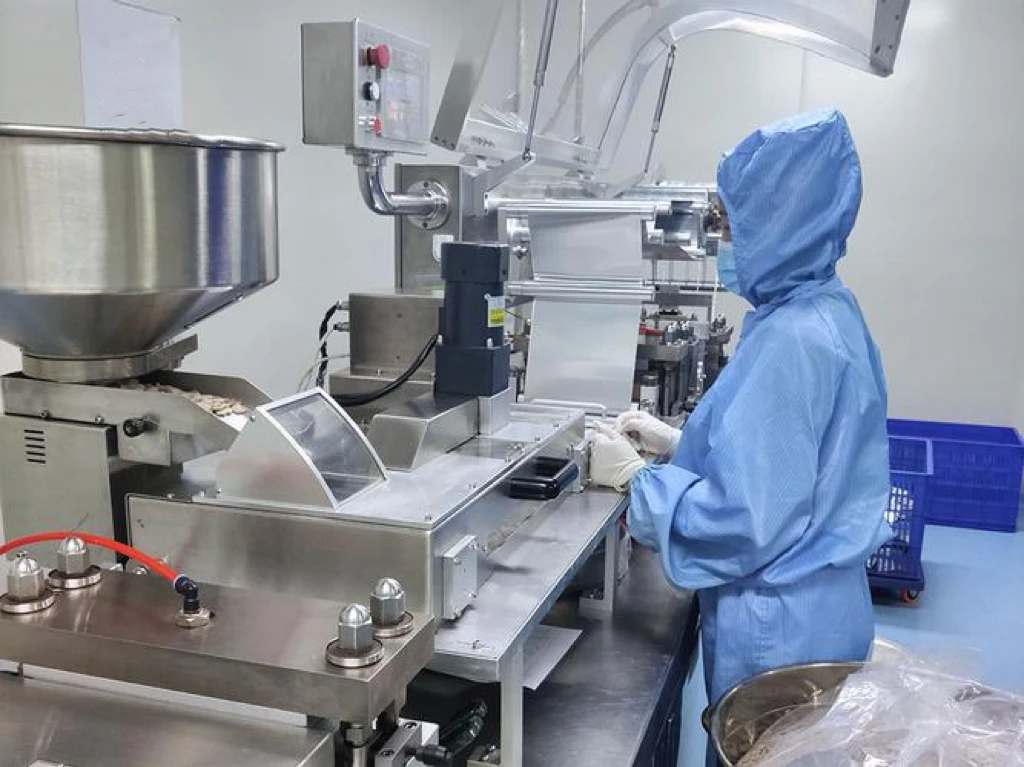
The raw materials for feline vitamin supplements predominantly consist of synthetically produced vitamins, or vitamins derived from natural sources. Common synthetic vitamins include ascorbic acid (Vitamin C), thiamine hydrochloride (Vitamin B1), riboflavin (Vitamin B2), and tocopheryl acetate (Vitamin E). Natural sources, while offering potential marketing advantages, present challenges regarding standardization and purity. Vitamin A, for instance, can be sourced from fish liver oils or beta-carotene extracted from plants. The selection of the vitamin source impacts the manufacturing process and ultimately, the bioavailability for the cat. Encapsulation technologies – softgels, chews, powders – are frequently employed. Softgel production involves dissolving the vitamins in a carrier oil (typically fish oil or vegetable oil) and encapsulating the mixture within a gelatin or plant-based capsule shell. Chewable tablets are manufactured through a compression process using vitamin premixes combined with binders (such as cellulose or starch), palatability enhancers (animal digest, yeast extract), and flavorings. Powder formulations require precise micronization and blending to ensure uniform distribution of vitamins. Critical manufacturing parameters include temperature control (to prevent vitamin degradation, particularly for heat-sensitive vitamins like Vitamin C), humidity control (to maintain powder flowability), and mixing homogeneity (to ensure accurate dosage). Carrier materials must be chemically inert and demonstrate high compatibility with the active vitamin ingredients to prevent interactions that could reduce potency.
Performance & Engineering
The performance of feline vitamin supplements is intrinsically linked to bioavailability - the proportion of the administered vitamin that reaches systemic circulation and is available for physiological use. Bioavailability is influenced by several factors, including the vitamin’s chemical form, the presence of other dietary components, and the cat’s gastrointestinal physiology. Fat-soluble vitamins (A, D, E, K) require incorporation into micelles for absorption in the small intestine, necessitating the presence of dietary fat. Water-soluble vitamins (B vitamins, Vitamin C) are generally absorbed more readily, but can be subject to renal excretion if intake exceeds metabolic needs. Engineering considerations involve optimizing the formulation to enhance solubility and stability. Microencapsulation, for example, can protect vitamins from degradation in the stomach and improve their absorption in the intestine. Palatability is a crucial performance parameter; supplements must be readily accepted by cats to ensure compliance. This is addressed through the inclusion of appealing flavors and textures. Stability studies are essential to determine the shelf life of the product, monitoring vitamin potency under various storage conditions (temperature, humidity, light exposure). Furthermore, the potential for interactions between vitamins and other medications must be evaluated to avoid adverse effects. Dosage calculations are critical, accounting for the cat’s weight, age, physiological state, and the specific vitamin concentration in the supplement.
Technical Specifications
| Vitamin | Feline Daily Requirement (Typical Adult Cat, 4.5kg) | Typical Supplement Concentration (per dose) | Bioavailability Considerations |
|---|---|---|---|
| Vitamin A | 200-400 IU | 250-500 IU | Requires dietary fat for absorption; retinol form more bioavailable than beta-carotene. |
| Vitamin D | 40-80 IU | 50-100 IU | D3 (cholecalciferol) is more effective than D2 (ergocalciferol); absorption enhanced by fat. |
| Vitamin E | 5-10 IU | 7.5-15 IU | Alpha-tocopherol is the most biologically active form. |
| Vitamin K | 0.1-0.3 mg | 0.15-0.4 mg | Absorption dependent on bile salts; potential interactions with warfarin. |
| Vitamin C | 0-2 mg (Cats synthesize Vitamin C, supplementation often unnecessary) | 5-10 mg | Limited absorption at high doses; may be beneficial during stress or illness. |
| Thiamine (B1) | 0.5-1 mg | 0.6-1.2 mg | Absorption occurs in the small intestine; deficiency can lead to neurological signs. |
Failure Mode & Maintenance
Failure modes in feline vitamin supplements can manifest as reduced potency, degradation of active ingredients, or physical instability. Oxidation, particularly of fat-soluble vitamins, is a common degradation pathway, accelerated by exposure to air, light, and heat. Hydrolytic degradation, affecting water-soluble vitamins, can occur in the presence of moisture. Physical instability, such as capsule softening or tablet crumbling, can compromise dosage accuracy. Contamination with microorganisms or heavy metals represents a serious safety concern. Maintenance protocols include proper storage conditions (cool, dry, dark place), the inclusion of antioxidants in the formulation (e.g., Vitamin E, ascorbic acid), and the use of moisture-protective packaging. Regular quality control testing, including potency assays (HPLC, UV-Vis spectrophotometry) and microbial analysis, is crucial for ensuring product integrity. Signs of product degradation – discoloration, off-odor, altered texture – should prompt immediate product discard. Monitoring for adverse reactions in cats receiving supplementation (e.g., vomiting, diarrhea, lethargy) can indicate potential issues with product quality or dosage. Furthermore, preventative maintenance of manufacturing equipment is essential to minimize the risk of contamination and ensure consistent product quality.
Industry FAQ
Q: What is the significance of using chelated minerals in a feline vitamin supplement?
A: Chelated minerals are bound to amino acids, forming a complex that enhances mineral absorption. In cats, mineral absorption can be limited by factors like gut pH and the presence of phytates. Chelation bypasses these limitations, increasing the bioavailability of essential minerals like zinc, copper, and iron, leading to improved utilization by the body.
Q: How do I determine if my cat actually needs vitamin supplementation?
A: A complete and balanced commercial feline diet typically provides adequate vitamins for a healthy adult cat. Supplementation is generally indicated for specific situations: kittens (growth), pregnant or lactating queens (increased demands), cats with underlying medical conditions affecting nutrient absorption, or cats on restrictive diets (e.g., renal diets). A veterinary consultation and potentially bloodwork are recommended to identify any specific deficiencies.
Q: What are the risks associated with over-supplementation with fat-soluble vitamins?
A: Fat-soluble vitamins (A, D, E, K) are stored in the liver and fatty tissues, meaning excess intake can lead to toxicity. Vitamin A toxicity can cause bone abnormalities and neurological signs. Vitamin D toxicity can cause hypercalcemia (elevated calcium levels) and kidney damage. Over-supplementation with Vitamin E can interfere with Vitamin K metabolism. Careful adherence to recommended dosage guidelines is essential.
Q: What is the role of antioxidants in a feline vitamin formulation?
A: Antioxidants, such as Vitamin E and Vitamin C, protect vitamins from oxidative degradation, preserving their potency and extending shelf life. They also help neutralize free radicals in the cat’s body, contributing to overall health and immune function.
Q: How are quality control measures implemented during the manufacturing process?
A: Rigorous quality control measures include raw material testing for purity and potency, in-process monitoring of manufacturing parameters (temperature, humidity, mixing homogeneity), finished product analysis (HPLC, UV-Vis spectrophotometry, microbial testing), and adherence to Good Manufacturing Practices (GMP) guidelines. These measures ensure that the final product meets specified quality standards and delivers the labeled dosage of vitamins.
Conclusion
The effective use of feline vitamin supplements hinges on a thorough understanding of feline nutritional requirements, the intricacies of vitamin bioavailability, and the quality control measures employed during manufacturing. While a well-formulated commercial diet often suffices, specific physiological conditions warrant targeted supplementation. Careful consideration must be given to the vitamin’s chemical form, dosage, and potential interactions with other nutrients or medications. Prioritizing products from reputable manufacturers with robust quality assurance programs is paramount to ensure safety and efficacy.
Future research should focus on refining our understanding of individualized feline vitamin needs, exploring novel delivery systems to enhance bioavailability, and developing more precise diagnostic tools for identifying vitamin deficiencies. Continued vigilance in quality control and adherence to evolving regulatory standards will be critical for maintaining the integrity of the feline vitamin supplement industry and safeguarding the health of our companion animals.
Latest news
Copyright © 2026
Dingzhou Kangquan Pharmaceutical Co., Ltd. All Rights Reserved. Sitemap | Privacy
Policy


