2695018275@qq.com
+86
13780513619
- Afrikaans
- Albanian
- Amharic
- Arabic
- Armenian
- Azerbaijani
- Basque
- Belarusian
- Bengali
- Bosnian
- Bulgarian
- Catalan
- Cebuano
- Corsican
- Croatian
- Czech
- Danish
- Dutch
- English
- Esperanto
- Estonian
- Finnish
- French
- Frisian
- Galician
- Georgian
- German
- Greek
- Gujarati
- Haitian Creole
- hausa
- hawaiian
- Hebrew
- Hindi
- Miao
- Hungarian
- Icelandic
- igbo
- Indonesian
- irish
- Italian
- Japanese
- Javanese
- Kannada
- kazakh
- Khmer
- Rwandese
- Korean
- Kurdish
- Kyrgyz
- Lao
- Latin
- Latvian
- Lithuanian
- Luxembourgish
- Macedonian
- Malgashi
- Malay
- Malayalam
- Maltese
- Maori
- Marathi
- Mongolian
- Myanmar
- Nepali
- Norwegian
- Norwegian
- Occitan
- Pashto
- Persian
- Polish
- Portuguese
- Punjabi
- Romanian
- Russian
- Samoan
- Scottish Gaelic
- Serbian
- Sesotho
- Shona
- Sindhi
- Sinhala
- Slovak
- Slovenian
- Somali
- Spanish
- Sundanese
- Swahili
- Swedish
- Tagalog
- Tajik
- Tamil
- Tatar
- Telugu
- Thai
- Turkish
- Turkmen
- Ukrainian
- Urdu
- Uighur
- Uzbek
- Vietnamese
- Welsh
- Bantu
- Yiddish
- Yoruba
- Zulu
Apr . 01, 2024 17:55 Back to list
good vitamins for older dogs Formulation Science
Introduction
Geriatric canine vitamin supplementation represents a critical component of proactive health management in aging dogs. Unlike younger animals, older dogs experience a cascade of physiological changes – diminished nutrient absorption, decreased metabolic efficiency, and increased oxidative stress – impacting overall health and longevity. The supplementation market for canine vitamins is broadly categorized by targeted health concerns (e.g., joint support, cognitive function, immune system enhancement). However, a precise understanding of age-related deficiencies and bioavailability concerns is crucial for selecting effective formulations. This guide provides a comprehensive technical overview of canine geriatric vitamin requirements, encompassing formulation science, biochemical interactions, and performance considerations. The industry faces challenges in standardization of dosage, demonstrating quantifiable efficacy, and mitigating potential adverse interactions with existing medications. Proper vitamin support isn’t merely about extending lifespan but enhancing healthspan, maximizing quality of life in senior canines.
Material Science & Manufacturing
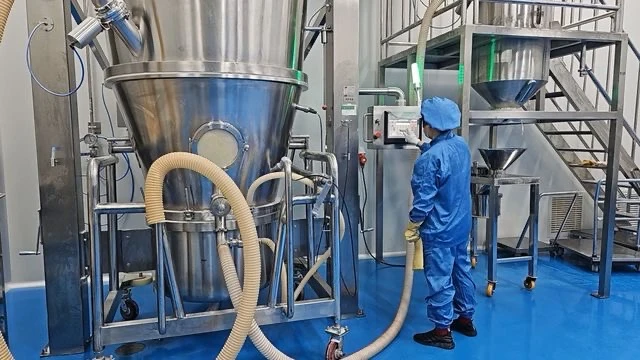
The foundational materials in geriatric canine vitamin formulations typically include Vitamin A (retinol palmitate), Vitamin D3 (cholecalciferol), Vitamin E (alpha-tocopherol acetate), Vitamin C (ascorbic acid), B-complex vitamins (thiamine, riboflavin, niacin, pyridoxine, cobalamin), and essential fatty acids (Omega-3 and Omega-6). Raw material sourcing is paramount, with quality control focusing on purity, potency, and absence of contaminants (heavy metals, microbial toxins). Manufacturing processes vary depending on the final product form – chewable tablets, soft chews, powders, or liquids. Tablet production involves blending active ingredients with excipients (binders like microcrystalline cellulose, diluents like lactose, lubricants like magnesium stearate) followed by compression. Soft chews necessitate gelatine, glycerine, and flavoring agents for palatability. Encapsulation, utilizing hydroxypropyl methylcellulose (HPMC) or gelatin capsules, is often employed to enhance bioavailability and mask unpleasant tastes. Microencapsulation techniques are increasingly utilized for sensitive vitamins like Vitamin C, protecting them from oxidation during processing and storage. Parameter control focuses on maintaining consistent particle size distribution, moisture content (critical for tablet hardness and chewability), and uniform ingredient dispersion. Bioavailability is inherently linked to particle size; smaller particles generally exhibit enhanced absorption rates. Quality control relies on High-Performance Liquid Chromatography (HPLC) and Gas Chromatography-Mass Spectrometry (GC-MS) for ingredient quantification.
Performance & Engineering
The performance of geriatric canine vitamins is fundamentally linked to their absorption, distribution, metabolism, and excretion (ADME) characteristics within the canine physiology. Factors influencing absorption include gastrointestinal pH, intestinal motility, and the presence of other nutrients. Fat-soluble vitamins (A, D, E, K) require adequate fat digestion for optimal absorption, hence formulations often incorporate lipid sources. Water-soluble vitamins (B-complex, C) are generally absorbed more readily but can be susceptible to urinary excretion. Engineering considerations revolve around optimizing bioavailability through formulation strategies like chelation (binding vitamins to amino acids for enhanced transport) and liposomal encapsulation (encasing vitamins within lipid vesicles for targeted delivery). Environmental resistance is a key concern; vitamins are susceptible to degradation from light, heat, and oxidation. Packaging materials (amber-colored bottles, airtight seals) are crucial for preserving potency. Compliance requirements, dictated by organizations like the Food and Drug Administration (FDA) in the US, necessitate rigorous quality control and accurate labeling. Force analysis is applicable to tablet hardness and chewability; tablets must withstand handling and shipping without fracturing. Stability studies, conducted under accelerated aging conditions (elevated temperature and humidity), are essential for determining shelf life and ensuring product integrity.
Technical Specifications
| Vitamin | Typical Daily Dosage (10kg Dog) | Bioavailability (%) | Primary Function in Geriatric Dogs |
|---|---|---|---|
| Vitamin A | 200-400 IU | 70-90 | Vision, immune function, skin health |
| Vitamin D3 | 200-400 IU | 60-80 | Calcium absorption, bone health |
| Vitamin E | 40-80 IU | 50-70 | Antioxidant, immune support, neurological function |
| Vitamin C | 100-200 mg | 40-60 | Antioxidant, collagen synthesis, immune function |
| B-Complex (Total) | 5-10 mg | 75-95 | Energy metabolism, nerve function |
| Omega-3 Fatty Acids (EPA/DHA) | 200-400 mg | 80-90 | Joint health, cognitive function, inflammation reduction |
Failure Mode & Maintenance
Failure modes in geriatric canine vitamin supplementation can manifest as reduced efficacy, ingredient degradation, and adverse reactions. Reduced efficacy can stem from poor bioavailability due to incorrect formulation (e.g., insufficient fat content for fat-soluble vitamin absorption), degradation during storage (exposure to light, heat, oxygen), or interactions with other medications. Oxidation of Vitamin C and E is a common degradation pathway. Adverse reactions, though infrequent, can include gastrointestinal upset (vomiting, diarrhea) from excessive dosage or sensitivities to excipients. Long-term, exceeding recommended Vitamin A levels can lead to hypervitaminosis A, causing bone abnormalities. Maintenance strategies include proper storage (cool, dry, dark place), monitoring for signs of adverse reactions, and periodically reassessing the dog's nutritional needs based on changes in health status. Tablet crumbling indicates moisture absorption, necessitating transfer to an airtight container. Soft chews becoming excessively hard or sticky suggest formulation instability. Routine veterinary check-ups are vital to assess vitamin status through blood tests and adjust supplementation accordingly. Failure analysis should include HPLC analysis to verify ingredient potency and identify degradation products.
Industry FAQ
Q: What is the primary difference between water-soluble and fat-soluble vitamins in terms of geriatric canine supplementation?
A: Water-soluble vitamins (B-complex, C) are readily absorbed but excess amounts are typically excreted in urine, requiring more frequent supplementation. Fat-soluble vitamins (A, D, E, K) require dietary fat for absorption and are stored in the liver and fatty tissues. This presents a risk of toxicity with excessive intake, emphasizing the importance of precise dosage and veterinary oversight. Older dogs may have impaired fat absorption, necessitating higher doses of fat-soluble vitamins with appropriate lipid sources.
Q: How does chelation impact the bioavailability of minerals often included in geriatric vitamin formulations, like zinc and copper?
A: Chelation involves binding minerals to amino acids, creating a more stable and readily absorbable complex. Chelated minerals are less likely to form insoluble precipitates in the gastrointestinal tract, enhancing their transport across the intestinal wall. This is particularly crucial for older dogs with reduced stomach acid production, which is necessary for mineral solubilization.
Q: What role do antioxidants, such as Vitamin E and C, play in mitigating age-related cognitive decline in dogs?
A: Age-related cognitive decline is linked to oxidative stress and the accumulation of free radicals in the brain. Vitamin E and C are potent antioxidants that neutralize these free radicals, protecting neuronal cells from damage. They support cerebral blood flow and enhance neuronal signaling, potentially slowing the progression of cognitive dysfunction.
Q: How important is the form of Vitamin E (alpha-tocopherol, alpha-tocopherol acetate) in a geriatric canine formulation, and why?
A: Alpha-tocopherol is the naturally occurring, biologically active form of Vitamin E. Alpha-tocopherol acetate is a more stable esterified form often used in supplements to prevent oxidation during manufacturing and storage. However, the dog’s body must convert the acetate form back into alpha-tocopherol for it to be utilized. Formulations utilizing alpha-tocopherol directly may offer slightly superior bioavailability, but proper stabilization of the acetate form is critical to ensure its conversion efficiency.
Q: What considerations should be given to dogs already on prescription diets or medications when introducing vitamin supplementation?
A: Always consult with a veterinarian before introducing vitamin supplementation, especially for dogs on prescription diets or medications. Some vitamins can interact with medications (e.g., Vitamin K can interfere with anticoagulant therapy). Prescription diets may already contain adequate vitamin levels, and over-supplementation can be harmful. A thorough review of the dog's overall nutritional plan is essential to avoid imbalances or adverse effects.
Conclusion
Geriatric canine vitamin supplementation is a nuanced field requiring a thorough understanding of age-related physiological changes, nutrient bioavailability, and potential interactions. The selection of appropriate formulations necessitates careful consideration of ingredient sourcing, manufacturing processes, and quality control measures. A standardized approach to dosage and efficacy assessment remains a challenge within the industry, highlighting the need for further research and development.
Ultimately, the goal of vitamin supplementation is not merely to address deficiencies but to proactively enhance healthspan, improving the quality of life for aging canine companions. Collaborative efforts between veterinarians, nutritionists, and supplement manufacturers are crucial for developing effective and safe formulations tailored to the unique needs of senior dogs. Future advancements in encapsulation technologies and personalized nutrition will likely play a significant role in optimizing vitamin delivery and maximizing therapeutic benefits.
Latest news
Copyright © 2026
Dingzhou Kangquan Pharmaceutical Co., Ltd. All Rights Reserved. Sitemap | Privacy
Policy


