
2695018275@qq.com
+86
13780513619
- Afrikaans
- Albanian
- Amharic
- Arabic
- Armenian
- Azerbaijani
- Basque
- Belarusian
- Bengali
- Bosnian
- Bulgarian
- Catalan
- Cebuano
- Corsican
- Croatian
- Czech
- Danish
- Dutch
- English
- Esperanto
- Estonian
- Finnish
- French
- Frisian
- Galician
- Georgian
- German
- Greek
- Gujarati
- Haitian Creole
- hausa
- hawaiian
- Hebrew
- Hindi
- Miao
- Hungarian
- Icelandic
- igbo
- Indonesian
- irish
- Italian
- Japanese
- Javanese
- Kannada
- kazakh
- Khmer
- Rwandese
- Korean
- Kurdish
- Kyrgyz
- Lao
- Latin
- Latvian
- Lithuanian
- Luxembourgish
- Macedonian
- Malgashi
- Malay
- Malayalam
- Maltese
- Maori
- Marathi
- Mongolian
- Myanmar
- Nepali
- Norwegian
- Norwegian
- Occitan
- Pashto
- Persian
- Polish
- Portuguese
- Punjabi
- Romanian
- Russian
- Samoan
- Scottish Gaelic
- Serbian
- Sesotho
- Shona
- Sindhi
- Sinhala
- Slovak
- Slovenian
- Somali
- Spanish
- Sundanese
- Swahili
- Swedish
- Tagalog
- Tajik
- Tamil
- Tatar
- Telugu
- Thai
- Turkish
- Turkmen
- Ukrainian
- Urdu
- Uighur
- Uzbek
- Vietnamese
- Welsh
- Bantu
- Yiddish
- Yoruba
- Zulu
Apr . 01, 2024 17:55 Back to list
good vitamins for pregnant dog Formulation and Performance Analysis
Introduction
Canine prenatal vitamin supplementation represents a critical, yet often nuanced, aspect of reproductive veterinary medicine. This guide details the formulation, physiological impact, and quality control considerations surrounding vitamins intended for pregnant dogs. The industry chain encompasses raw material sourcing (typically synthetic or fermentation-derived vitamins and minerals), formulation (powder, capsule, chewable tablet), manufacturing (blending, granulation, tableting/encapsulation), quality assurance, packaging, and distribution. Core performance centers on supporting fetal development, maintaining maternal health, and preventing deficiencies that can lead to reproductive failure, stillbirth, or compromised puppy viability. The primary pain point in the market is inconsistent ingredient sourcing, bioavailability challenges, and a lack of robust scientific validation for many commercial products. Ensuring optimal vitamin levels during gestation and lactation is crucial for preventing conditions like eclampsia and ensuring robust puppy immune function.
Material Science & Manufacturing
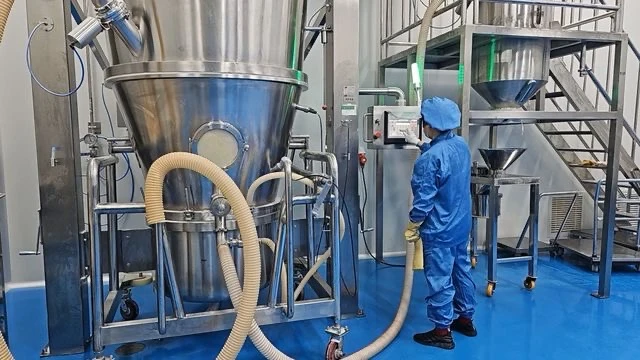
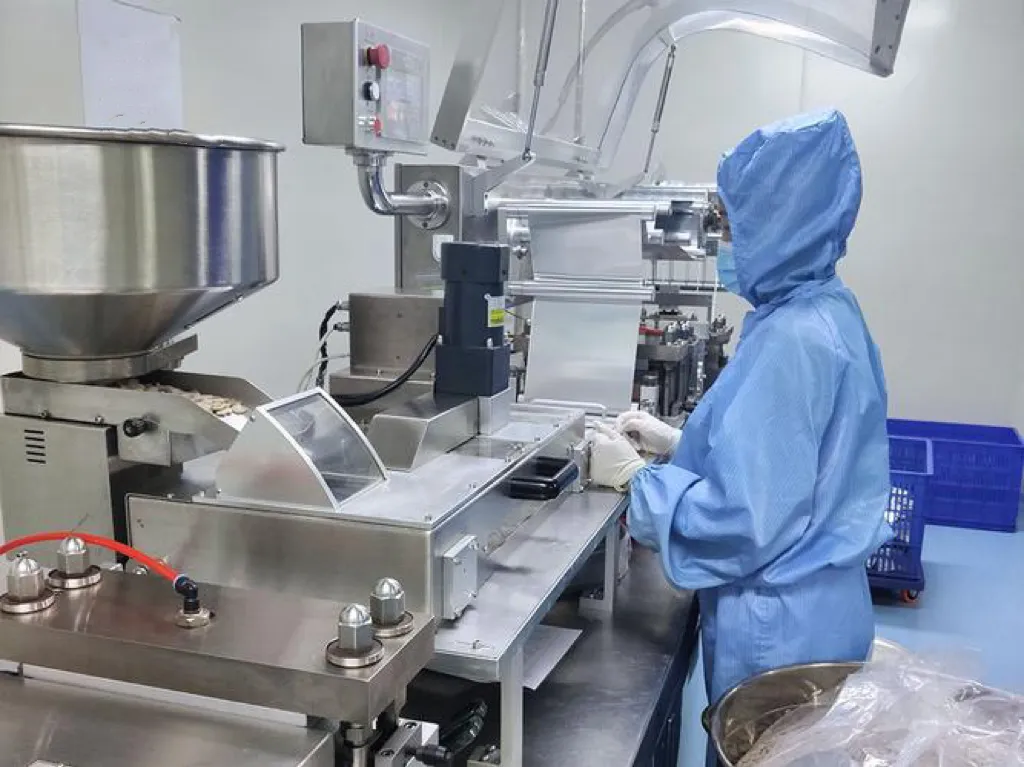
The core components of canine prenatal vitamins primarily consist of fat-soluble vitamins (A, D, E, K), water-soluble vitamins (B-complex, C), and essential minerals (calcium, phosphorus, iron, zinc, iodine). Vitamin A, often sourced as retinyl palmitate, relies on lipid matrices for absorption. Vitamin D3 (cholecalciferol) is frequently synthesized from lanolin. Vitamin E (alpha-tocopherol) is susceptible to oxidation and requires stabilization with antioxidants like ethoxyquin or mixed tocopherols. B-vitamins are often supplied as hydrochloride salts for enhanced stability. Mineral bioavailability is significantly impacted by chelation – complexing minerals with amino acids (e.g., iron glycinate) improves absorption. Manufacturing processes commonly involve dry blending of powdered ingredients, followed by granulation to improve flowability. Tablets require compression forces carefully calibrated to prevent delamination and ensure disintegration. Capsules utilize gelatin or vegetarian cellulose-based shells. Parameter control is paramount: moisture content (≤5% to prevent caking), particle size distribution (uniformity for consistent dosing), and blending homogeneity (ensuring even distribution of vitamins and minerals) are critical quality attributes. Excipients – binders (microcrystalline cellulose), disintegrants (croscarmellose sodium), and lubricants (magnesium stearate) – are utilized to optimize tablet characteristics but must be carefully chosen to avoid interference with vitamin absorption.
Performance & Engineering
The performance of prenatal vitamins is dictated by several factors, including bioavailability, dosage, and the physiological state of the dam. Bioavailability is influenced by the chemical form of the vitamin (e.g., chelated minerals are more bioavailable), the presence of other dietary components, and the dog’s digestive efficiency. Dosage must be tailored to the dog’s body weight, breed, and stage of pregnancy. Failure to provide adequate vitamin A during early gestation can lead to congenital malformations. Insufficient calcium and phosphorus can contribute to eclampsia, a life-threatening condition characterized by hypocalcemia. Environmental resistance, while less directly relevant to the vitamin itself, impacts packaging stability. Exposure to high temperatures and humidity can accelerate vitamin degradation. Engineering considerations involve capsule/tablet hardness (resistance to breakage during handling and shipping) and coating technologies (e.g., enteric coatings to protect vitamins from stomach acid). Compliance with AAFCO (Association of American Feed Control Officials) guidelines is essential; these guidelines specify minimum and maximum nutrient levels for canine life stages, including gestation and lactation. Force analysis focuses on tablet compression forces, ensuring adequate hardness without compromising disintegration. The overall functional implementation relies on the efficient delivery of essential nutrients to both the dam and developing fetuses, optimizing reproductive success and puppy health.
Technical Specifications
| Vitamin | Typical Concentration (per dose) | Bioavailability Factor (%) | Acceptable Variance (%) |
|---|---|---|---|
| Vitamin A (Retinyl Palmitate) | 500 IU | 70-80 | ±10% |
| Vitamin D3 (Cholecalciferol) | 50 IU | 85-95 | ±5% |
| Vitamin E (Alpha-Tocopherol) | 20 IU | 60-70 | ±15% |
| Vitamin B1 (Thiamine) | 2 mg | 75-85 | ±10% |
| Vitamin B12 (Cyanocobalamin) | 10 mcg | 50-60 | ±20% |
| Folic Acid | 0.5 mg | 80-90 | ±10% |
Failure Mode & Maintenance
Failure modes for canine prenatal vitamins typically manifest as decreased efficacy or product degradation. Oxidation of fat-soluble vitamins (A, E) is a common issue, leading to loss of potency. This is exacerbated by exposure to oxygen, light, and heat. Tablet friability (breakage) can occur due to insufficient binder or excessive compression force, resulting in inconsistent dosing. Capsule shell degradation (brittleness, cracking) can compromise vitamin integrity and lead to moisture ingress. Delamination of tablets (separation of layers) indicates poor binder distribution or inadequate compression. Contamination with molds or bacteria can occur during manufacturing or storage, posing a health risk. Maintenance involves proper storage (cool, dry, dark place), airtight packaging, and regular quality control testing (vitamin assay, moisture content analysis, microbial screening). Monitoring for signs of vitamin deficiency in the dam (e.g., lethargy, poor appetite, skeletal abnormalities in puppies) can indicate a product failure or inadequate dosage. Implementing a robust first-expired-first-out (FEFO) inventory management system minimizes the risk of using expired or degraded products. Periodically verifying the integrity of packaging (seal quality, absence of damage) is also crucial.
Industry FAQ
Q: What is the optimal calcium:phosphorus ratio in a prenatal vitamin for dogs?
A: The generally recommended calcium:phosphorus ratio for pregnant and lactating dogs is between 1:1 and 2:1. Maintaining this balance is critical for proper skeletal development of the puppies and preventing eclampsia in the dam. Deviations from this ratio can impair calcium absorption and utilization.
Q: How does the bioavailability of different vitamin A sources compare?
A: Retinyl palmitate is a commonly used form of vitamin A but has lower bioavailability compared to retinol. Beta-carotene, a provitamin A, is converted to retinol in the body, but the conversion rate varies depending on the dog’s metabolic capacity. Chelated forms of Vitamin A may offer enhanced absorption.
Q: What role does Vitamin E play in preventing lipid peroxidation during pregnancy?
A: Vitamin E is a potent antioxidant that protects cell membranes from damage caused by free radicals, a byproduct of metabolism. During pregnancy, increased metabolic demand generates more free radicals. Vitamin E prevents lipid peroxidation, which can compromise fetal development and placental function.
Q: What are the implications of using synthetic versus natural Vitamin E sources?
A: Natural Vitamin E (d-alpha-tocopherol) is generally considered more bioavailable than synthetic Vitamin E (dl-alpha-tocopherol). However, synthetic forms are often more cost-effective. The body preferentially utilizes the d-alpha-tocopherol form.
Q: How important is chelation for mineral absorption in prenatal vitamins?
A: Chelation significantly enhances mineral absorption. Minerals like iron, zinc, and copper are often poorly absorbed in their inorganic forms. Chelation with amino acids (e.g., iron glycinate) creates a more soluble and readily absorbable complex, maximizing nutrient delivery to the dam and developing fetuses.
Conclusion
Optimal canine prenatal vitamin supplementation is a complex undertaking, demanding careful consideration of ingredient sourcing, bioavailability, manufacturing processes, and dosage. Maintaining maternal health and supporting robust fetal development necessitates exceeding basic AAFCO guidelines and prioritizing highly bioavailable nutrient forms. The industry’s prevalent issues of inconsistent ingredient quality and a lack of robust scientific validation underscores the need for stringent quality control measures and continued research.
Moving forward, the development of customized prenatal vitamin formulations tailored to specific breed predispositions and individual dam health profiles represents a promising avenue for improving reproductive outcomes. Further research is warranted to assess the long-term effects of prenatal vitamin supplementation on puppy health and immune function. Transparency in ingredient sourcing and rigorous third-party testing are crucial for building consumer trust and establishing industry best practices.
Latest news
Copyright © 2026
Dingzhou Kangquan Pharmaceutical Co., Ltd. All Rights Reserved. Sitemap | Privacy
Policy


