
Apr . 01, 2024 17:55 Back to list
gout poultry medicine Performance Analysis
Introduction
Gout in poultry, characterized by visceral gout (urate deposition in organs) and articular gout (urate deposition in joints), represents a significant economic burden on the poultry industry. This guide details the technical aspects of gout poultry medicine, encompassing its chemical composition, mechanism of action, application protocols, and preventative strategies. Gout arises from a metabolic dysfunction wherein uric acid, a byproduct of purine metabolism, precipitates within the avian body due to its limited solubility and excretion capabilities. Effective pharmaceutical intervention focuses on increasing uric acid solubility, enhancing its excretion, and mitigating inflammation. Modern gout poultry medicine often utilizes allopurinol alongside supportive therapies, forming a critical component of flock health management. The efficacy of these medicines is contingent upon proper diagnosis, dosage, water quality, and overall bird management practices. This document will serve as a technical deep-dive for poultry veterinarians, nutritionists, and farm managers.
Material Science & Manufacturing
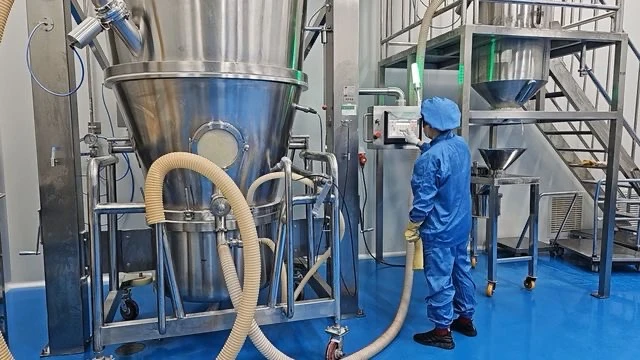
The primary active pharmaceutical ingredient (API) in many gout poultry medicines is allopurinol (C₅H₄N₄O). Allopurinol is a purine analog, structurally similar to hypoxanthine, and acts as a xanthine oxidase inhibitor. Manufacturing allopurinol involves a multi-step organic synthesis typically beginning with formamide and ethyl cyanoacetate, progressing through intermediates like 4,6-dichloropyrimidine. Critical process parameters include reaction temperature (maintained within ±2°C to control selectivity), pH monitoring (essential for optimal yield and preventing degradation), and solvent purity (HPLC-grade solvents are mandatory to minimize impurity profiles). The resulting allopurinol is a white to off-white crystalline powder exhibiting poor solubility in water. Consequently, pharmaceutical formulations utilize micronization – reducing particle size to increase surface area and improve dissolution rate – and often incorporate buffering agents (e.g., sodium bicarbonate) to adjust pH and enhance solubility in drinking water. Premixes often employ diluents like lactose or microcrystalline cellulose to ensure uniform distribution. The stability of allopurinol is sensitive to oxidation and humidity; therefore, packaging employs moisture-resistant containers and nitrogen purging to minimize degradation. Quality control utilizes High-Performance Liquid Chromatography (HPLC) for assaying allopurinol content and Thin-Layer Chromatography (TLC) for detecting impurities. Polymorphism is a key consideration, with different crystalline forms exhibiting varying solubility and bioavailability.
Performance & Engineering
The efficacy of allopurinol relies on its competitive inhibition of xanthine oxidase, an enzyme catalyzing the oxidation of hypoxanthine to xanthine, and subsequently xanthine to uric acid. This inhibition reduces uric acid production. Pharmacokinetic studies in poultry demonstrate rapid absorption of allopurinol from the gastrointestinal tract following oral administration. However, bioavailability is variable and influenced by water quality (pH and mineral content), feed composition, and individual bird metabolism. The therapeutic window is narrow, necessitating precise dosage calculations based on body weight and disease severity. Engineered formulations address this challenge through sustained-release mechanisms, often involving microencapsulation with polymers like hydroxypropyl methylcellulose (HPMC). Force analysis considers the stress on the kidney during uric acid excretion. While allopurinol reduces uric acid production, it does not directly enhance excretion. Therefore, concurrent strategies like increasing water intake and maintaining adequate kidney perfusion are vital. Environmental resistance pertains to the stability of allopurinol in water sources. UV light exposure can accelerate degradation, necessitating the use of opaque water containers. Compliance requirements adhere to veterinary drug regulations, including withdrawal periods to prevent residue contamination in meat and eggs. Bioavailability studies are crucial to establishing optimal dosage regimens and verifying efficacy.
Technical Specifications
| Parameter | Specification | Test Method | Units |
|---|---|---|---|
| Allopurinol Assay (Purity) | ≥ 99.0% | HPLC | % |
| Particle Size (D90) | ≤ 10 µm | Laser Diffraction | µm |
| Water Content | ≤ 0.5% | Karl Fischer Titration | % |
| pH (1% Aqueous Solution) | 6.0 - 8.0 | pH Meter | - |
| Heavy Metals (as Pb) | ≤ 10 ppm | Atomic Absorption Spectroscopy | ppm |
| Solubility in Water (25°C) | ≥ 5 g/L (with buffering) | Visual Inspection | g/L |
Failure Mode & Maintenance
Failure modes in gout poultry medicine primarily relate to product degradation, inadequate dosage, and the development of resistance. Allopurinol can undergo oxidative degradation, leading to a loss of potency. This is exacerbated by exposure to air and light. Formulations containing allopurinol may exhibit caking or clumping during storage, hindering dissolution. Biological failure can occur due to insufficient drug concentrations reaching the target tissues, often stemming from poor water intake, interference from feed components (e.g., high calcium levels), or inaccurate weight estimation during dosage calculation. Furthermore, while rare, some strains of microorganisms present in the poultry gut may metabolize allopurinol, reducing its bioavailability. Maintenance strategies involve strict adherence to storage instructions (cool, dry, dark place), regular monitoring of water pH and quality, ensuring consistent feed formulation, and periodically assessing treatment efficacy through uric acid level monitoring. Prophylactic measures, such as optimizing protein and purine levels in the diet and providing adequate ventilation to minimize stress, can also prevent gout recurrence. Regular flock health checks and prompt intervention at the first signs of gout are crucial for successful management.
Industry FAQ
Q: What is the optimal water pH range for allopurinol administration?
A: Allopurinol exhibits enhanced solubility and stability in a slightly alkaline environment. The optimal pH range for administering allopurinol in drinking water is typically between 7.0 and 8.5. Below pH 6.0, solubility decreases significantly, reducing drug availability. Above pH 9.0, allopurinol may undergo degradation. Regular pH monitoring and adjustment using buffering agents (sodium bicarbonate) are critical.
Q: How does water quality (mineral content) impact allopurinol efficacy?
A: High levels of calcium, magnesium, and iron in drinking water can form insoluble complexes with allopurinol, reducing its bioavailability. Chelating agents can mitigate this issue, but their use requires careful consideration to avoid adverse effects. Regular water analysis is essential to assess mineral content and adjust treatment protocols accordingly.
Q: What are the common signs of allopurinol resistance in poultry?
A: Allopurinol resistance is not typically observed in poultry due to the mechanism of action (enzyme inhibition). However, treatment failure can occur if underlying metabolic conditions are not addressed. Common signs of treatment failure include persistent uric acid deposition, worsening clinical symptoms, and a lack of response to increasing allopurinol dosage. It is crucial to rule out other contributing factors, such as dehydration or kidney damage, before suspecting resistance.
Q: What is the recommended withdrawal period for allopurinol in broiler chickens?
A: The withdrawal period for allopurinol varies depending on regional regulations and the specific formulation used. It is imperative to consult the product label and local veterinary drug regulations for accurate guidance. Typically, withdrawal periods range from 5 to 7 days before slaughter to prevent drug residue contamination in meat.
Q: Can allopurinol be used in conjunction with other medications for gout treatment?
A: Allopurinol is often used as part of a comprehensive gout management strategy that may include supportive therapies such as NSAIDs (non-steroidal anti-inflammatory drugs) to reduce inflammation and pain, and dietary adjustments to lower purine intake. However, potential drug interactions should be carefully considered. Consult with a poultry veterinarian to ensure the compatibility and safety of all medications used.
Conclusion
Gout poultry medicine, centered around allopurinol, plays a crucial role in mitigating the economic impact of gout in poultry production. Understanding the complexities of its material science, manufacturing processes, and pharmacokinetic behavior is essential for effective application. Precise dosage control, optimized water quality management, and adherence to regulatory guidelines are paramount to ensuring treatment success.
Future research should focus on developing novel formulations with enhanced bioavailability and targeted delivery systems. Exploration of alternative therapeutic strategies, such as dietary interventions aimed at modulating purine metabolism and enhancing uric acid excretion, also holds promise. Continued monitoring of allopurinol efficacy and vigilance for potential resistance mechanisms will be crucial for maintaining sustainable gout control in poultry flocks.
Latest news
Copyright © 2026
Dingzhou Kangquan Pharmaceutical Co., Ltd. All Rights Reserved. Sitemap | Privacy
Policy


