
Apr . 01, 2024 17:55 Back to list
growth poultry medicine list Technical Analysis
Introduction
Growth poultry medicine lists represent a critical component of modern avian production, encompassing a range of pharmaceutical and nutritional interventions designed to optimize flock health, growth rates, and feed conversion efficiency. These lists, tailored to specific poultry species (broilers, layers, turkeys) and production stages (starter, grower, finisher), are not merely inventories of products but complex systems addressing preventative care, therapeutic treatment, and performance enhancement. The core technical challenge within this domain lies in balancing efficacy against the increasing pressures of antimicrobial resistance (AMR), stringent regulatory requirements concerning drug residues in poultry products, and evolving consumer demands for sustainable and antibiotic-free production methods. This guide provides an in-depth technical analysis of growth poultry medicine lists, covering material science of active pharmaceutical ingredients (APIs), manufacturing processes, performance characteristics, failure modes, and relevant international standards. A primary industry pain point centers on accurate diagnosis and targeted drug administration to minimize off-target effects and resistence development.
Material Science & Manufacturing
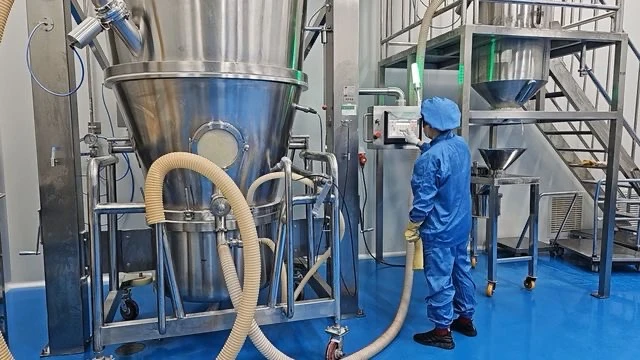
The fundamental building blocks of growth poultry medicine lists are Active Pharmaceutical Ingredients (APIs). These vary considerably based on therapeutic intent, spanning antibiotics (e.g., tetracyclines, macrolides), coccidiostats (e.g., amprolium, monensin), vitamins (e.g., Vitamin A, D3, E), amino acids (e.g., lysine, methionine), and enzymes (e.g., phytase, xylanase). The physical properties of APIs – crystalline structure, particle size distribution, solubility, and hygroscopicity – directly impact bioavailability and formulation stability. Manufacturing processes differ significantly based on the API and final dosage form. Antibiotics often involve fermentation processes followed by purification and crystallization. Coccidiostats may be synthesized through multi-step organic chemistry. Vitamins and amino acids often originate from chemical synthesis or biotechnological production. Formulation involves blending APIs with excipients (diluents, binders, disintegrants, lubricants) and converting the mixture into suitable dosage forms: premixes, soluble powders, oral solutions, or injectable solutions. Key parameter control centers on maintaining API purity, ensuring accurate dosage, controlling particle size for optimal suspension or dissolution, and verifying sterility (for injectables). Raw material sourcing also presents a challenge, with quality control protocols needing to address potential adulteration or inconsistencies in API composition.
Performance & Engineering
The performance of growth poultry medicine lists is evaluated through a combination of pharmacokinetic (PK) and pharmacodynamic (PD) studies. PK assesses the absorption, distribution, metabolism, and excretion (ADME) of APIs within the poultry organism, determining bioavailability and duration of action. PD examines the relationship between drug concentration and its therapeutic effect – inhibiting bacterial growth, preventing coccidiosis, or enhancing nutrient absorption. Engineering considerations focus on optimizing drug delivery systems. Premixes require uniform distribution of APIs within the carrier material (e.g., wheat bran, limestone). Soluble powders must exhibit complete dissolution in water to ensure accurate dosing. Injectable solutions necessitate precise pH control and isotonicity to minimize injection site reactions. Environmental resistance is also crucial. APIs must maintain stability under varying temperature and humidity conditions during storage and transport. Compliance requirements vary internationally, with regulations governing permissible drug residues in poultry meat and eggs (Maximum Residue Limits - MRLs). Force analysis is relevant to injectable formulations, requiring careful selection of needle gauge and injection volume to minimize tissue trauma. Effective implementation also relies on proper storage, handling, and administration protocols, including accurate weighing, mixing, and delivery techniques.
Technical Specifications
| API | Concentration (Typical Range) | Dosage Form | Target Poultry Species |
|---|---|---|---|
| Tylosin | 10% - 20% | Premix, Soluble Powder | Broilers, Layers |
| Amprolium | 50% - 100% | Soluble Powder | Broilers, Turkeys |
| Enramycin | 4% - 8% | Premix | Broilers |
| Vitamin A | 10,000 IU/kg - 20,000 IU/kg | Premix | All Poultry |
| Lysine | 30% - 60% | Premix | All Poultry |
| Phytase | 500 FTU/kg - 1000 FTU/kg | Premix | All Poultry |
Failure Mode & Maintenance
Failure modes in growth poultry medicine lists are multifactorial. API degradation due to improper storage (temperature, humidity, light exposure) is a common issue. Premix segregation – uneven distribution of APIs within the carrier – can lead to underdosing or overdosing. Microbial contamination of liquid formulations can compromise sterility and efficacy. Drug resistance development in target pathogens represents a significant long-term failure mode, driven by inappropriate drug usage and lack of biosecurity measures. Incorrect dosage calculations or administration techniques by farm personnel can also result in suboptimal treatment outcomes. For maintenance, strict adherence to manufacturer’s storage recommendations (temperature, humidity control, protection from light) is paramount. Regular quality control testing of premixes to verify API concentration and uniformity is essential. Implementation of robust biosecurity protocols on poultry farms – including disinfection, hygiene, and restricted access – can help mitigate drug resistance development. Proper training of farm personnel in accurate dosage calculation and administration techniques is also critical. Routine monitoring of flock health and response to treatment allows for early detection of treatment failures and adjustment of medicine lists as needed.
Industry FAQ
Q: What are the key considerations when selecting a coccidiostat for a broiler operation?
A: Selecting a coccidiostat requires consideration of several factors. The prevailing coccidial strains on the farm (determined through oocyst identification and sensitivity testing) are paramount. Drug resistance patterns must be monitored. The production stage (starter, grower, finisher) influences the appropriate drug and dosage. Ionophore coccidiostats (e.g., monensin, salinomycin) offer excellent control but can be sensitive to dietary cation-anion balance. Chemical coccidiostats (e.g., amprolium, diclazuril) provide alternative modes of action and may be less susceptible to ionophore resistance. Rotation of coccidiostats is a critical strategy for preventing resistance development.
Q: How do you ensure the bioavailability of APIs in a premix formulation?
A: Bioavailability is enhanced through precise particle size control of the API and careful selection of the carrier material. Micronization of the API increases its surface area, promoting dissolution. The carrier material should be inert and non-reactive with the API. Uniform distribution of the API within the carrier is vital, achieved through thorough mixing and validated mixing processes. Ensuring the premix is incorporated evenly into the poultry feed during manufacturing is also critical.
Q: What are the implications of the increasing regulatory scrutiny on antibiotic use in poultry production?
A: Increasing regulatory scrutiny is driving a shift towards reduced antibiotic usage and a greater emphasis on preventative measures. This includes improved biosecurity, vaccination programs, optimized nutrition, and the use of alternative growth promoters (e.g., probiotics, prebiotics, enzymes). Producers are facing stricter limits on antibiotic residues in poultry products and increased reporting requirements. The trend is towards antibiotic-free production systems, requiring more intensive management practices to maintain flock health and performance.
Q: How is drug resistance monitored and managed within a poultry operation?
A: Drug resistance is monitored through regular susceptibility testing of bacterial isolates collected from affected birds. This identifies patterns of resistance and guides antibiotic selection. Management strategies include responsible antibiotic usage (using the correct drug, dosage, and duration), implementing biosecurity protocols to prevent the spread of resistant strains, and promoting good hygiene practices. Antimicrobial stewardship programs are becoming increasingly common, providing guidelines for appropriate antibiotic use.
Q: What is the role of phytase in improving poultry performance?
A: Phytase is an enzyme that breaks down phytate, a phosphorus compound found in plant-based feed ingredients. Phytate binds to essential minerals (calcium, zinc, manganese) making them unavailable for absorption by the poultry. Supplementing feed with phytase releases these bound minerals, improving their bioavailability and enhancing growth performance. Phytase also reduces phosphorus excretion in manure, mitigating environmental concerns related to water pollution.
Conclusion
Growth poultry medicine lists are complex systems requiring a comprehensive understanding of pharmaceutical science, nutritional requirements, and disease management principles. Effective implementation necessitates careful API selection, optimized formulation, and rigorous quality control procedures. The escalating challenges of antimicrobial resistance and evolving regulatory landscapes necessitate a proactive approach focused on preventative care, responsible drug usage, and the adoption of alternative growth promotion strategies. Continued research and innovation are essential for developing new and sustainable solutions to enhance poultry health and production efficiency.
Looking forward, the future of growth poultry medicine lists will be characterized by a greater emphasis on precision nutrition, personalized medicine (tailoring treatments to individual flock needs), and the integration of advanced diagnostic tools. The development of novel vaccines and immunomodulators will play an increasingly important role in preventing disease outbreaks and reducing reliance on antibiotics. Data analytics and artificial intelligence can be leveraged to optimize medicine lists based on real-time flock performance data and predictive modeling. This will enable a more proactive and targeted approach to poultry health management.
Latest news
Copyright © 2026
Dingzhou Kangquan Pharmaceutical Co., Ltd. All Rights Reserved. Sitemap | Privacy
Policy


