
2695018275@qq.com
+86
13780513619
- Afrikaans
- Albanian
- Amharic
- Arabic
- Armenian
- Azerbaijani
- Basque
- Belarusian
- Bengali
- Bosnian
- Bulgarian
- Catalan
- Cebuano
- Corsican
- Croatian
- Czech
- Danish
- Dutch
- English
- Esperanto
- Estonian
- Finnish
- French
- Frisian
- Galician
- Georgian
- German
- Greek
- Gujarati
- Haitian Creole
- hausa
- hawaiian
- Hebrew
- Hindi
- Miao
- Hungarian
- Icelandic
- igbo
- Indonesian
- irish
- Italian
- Japanese
- Javanese
- Kannada
- kazakh
- Khmer
- Rwandese
- Korean
- Kurdish
- Kyrgyz
- Lao
- Latin
- Latvian
- Lithuanian
- Luxembourgish
- Macedonian
- Malgashi
- Malay
- Malayalam
- Maltese
- Maori
- Marathi
- Mongolian
- Myanmar
- Nepali
- Norwegian
- Norwegian
- Occitan
- Pashto
- Persian
- Polish
- Portuguese
- Punjabi
- Romanian
- Russian
- Samoan
- Scottish Gaelic
- Serbian
- Sesotho
- Shona
- Sindhi
- Sinhala
- Slovak
- Slovenian
- Somali
- Spanish
- Sundanese
- Swahili
- Swedish
- Tagalog
- Tajik
- Tamil
- Tatar
- Telugu
- Thai
- Turkish
- Turkmen
- Ukrainian
- Urdu
- Uighur
- Uzbek
- Vietnamese
- Welsh
- Bantu
- Yiddish
- Yoruba
- Zulu
Apr . 01, 2024 17:55 Back to list
healthy vitamins for dogs Material Science Manufacturing

Introduction
Canine vitamin supplementation represents a significant segment within the companion animal health market. These products, encompassing single-nutrient formulations and broad-spectrum multivitamins, are designed to address nutritional deficiencies, support specific physiological functions, and promote overall wellbeing in dogs. The industry chain extends from raw material sourcing (vitamin production, often via chemical synthesis or fermentation) through formulation, manufacturing (tableting, softgel encapsulation, liquid blending), quality control, packaging, and ultimately, distribution to veterinary clinics, pet stores, and directly to consumers. Core performance indicators include bioavailability of the active ingredients, stability during storage, palatability for canine acceptance, and adherence to stringent regulatory guidelines. A key challenge within this industry is ensuring accurate dosage and preventing over-supplementation, which can lead to adverse health effects. Formulations are often tailored to life stage (puppy, adult, senior) and specific health conditions (e.g., joint support, skin health).
Material Science & Manufacturing
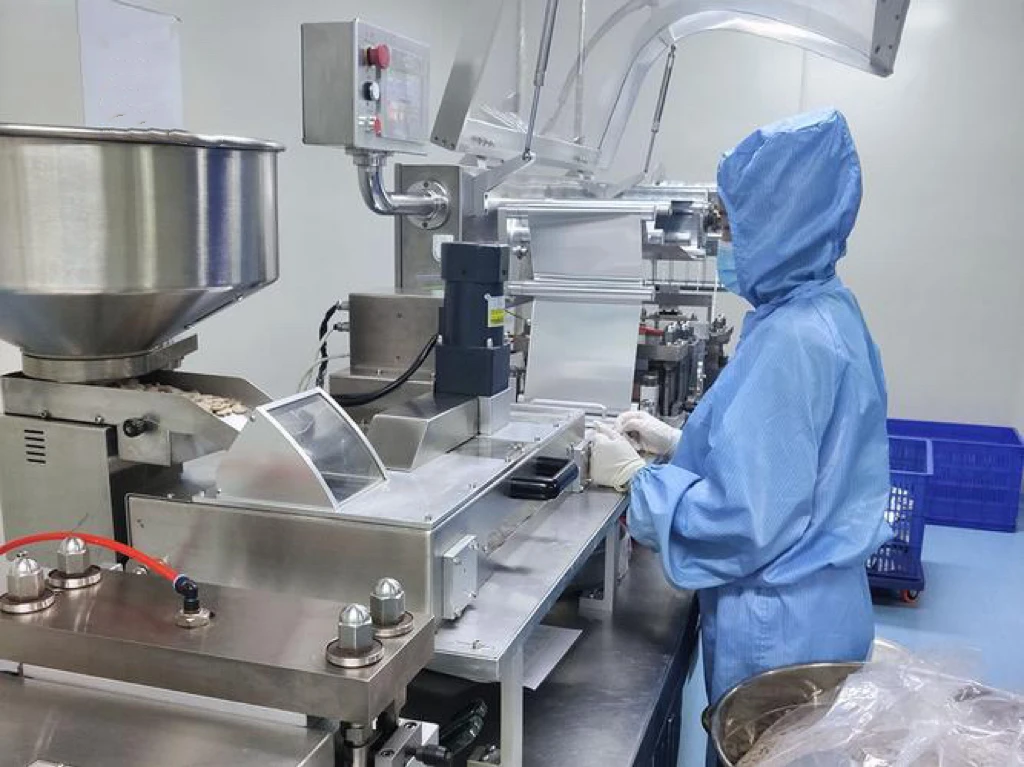
The production of healthy vitamins for dogs relies heavily on material science principles and controlled manufacturing processes. Raw materials primarily consist of synthesized or naturally derived vitamins (A, D, E, C, B-complex, K), minerals (calcium, phosphorus, zinc, iron), and often, functional ingredients like omega-3 fatty acids, antioxidants (e.g., tocopherols, ascorbic acid), and probiotics. Vitamin stability is paramount; many vitamins are susceptible to degradation by oxidation, light, and heat. Encapsulation technologies, such as film coating or softgel formation, are employed to protect vulnerable vitamins. Manufacturing processes vary based on the final product form. Tableting involves blending the vitamin mixture with excipients (binders, fillers, disintegrants, lubricants) followed by compression. Softgel encapsulation utilizes a gelatin or vegetarian capsule shell filled with a liquid or paste vitamin mixture. Liquid formulations require precise blending and homogenization to ensure uniform distribution of ingredients. Key parameter control focuses on ingredient purity (verified through High-Performance Liquid Chromatography - HPLC, and Gas Chromatography-Mass Spectrometry - GC-MS), particle size distribution (critical for bioavailability), moisture content (impacts stability), and blending uniformity (assessed through statistical sampling). The choice of excipients is crucial; they must be biocompatible, non-toxic, and not interfere with vitamin absorption. The selection of packaging materials (e.g., HDPE bottles, blister packs) also plays a role in protecting the product from environmental factors.
Performance & Engineering
Evaluating the performance of canine vitamin supplements requires a multi-faceted engineering approach. Bioavailability, the extent to which a nutrient is absorbed and utilized by the body, is a critical performance parameter. This is influenced by the vitamin's chemical form, particle size, and the presence of other dietary components. Formulations targeting specific conditions, such as joint health (glucosamine, chondroitin), must demonstrate efficacy through in vivo studies assessing cartilage protection and mobility. Environmental resistance is also important; supplements must maintain their potency and stability under various temperature and humidity conditions. Accelerated stability testing (exposing products to elevated temperatures and humidity levels) is used to predict shelf life. Compliance requirements are dictated by regulatory bodies like the Food and Drug Administration (FDA) in the US, and similar organizations in other countries. These regulations govern ingredient sourcing, manufacturing processes, labeling accuracy, and advertising claims. Functional implementation details include ensuring palatability (often achieved through flavoring agents), appropriate dosage forms (tablets, chews, liquids), and ease of administration for pet owners. The mechanical properties of tablets (hardness, friability) are carefully controlled to prevent breakage during handling and shipping. The disintegration rate of tablets and capsules is engineered to ensure timely release of the active ingredients in the gastrointestinal tract.
Technical Specifications
| Vitamin | Typical Canine Daily Requirement (Medium Breed Adult) | Common Formulation Concentration (Per Tablet/Serving) | Bioavailability Considerations |
|---|---|---|---|
| Vitamin A | 900-1800 IU | 500-2000 IU | Fat-soluble; requires dietary fat for absorption. Excessive levels can be toxic. |
| Vitamin D | 400-800 IU | 200-600 IU | Fat-soluble; crucial for calcium absorption. Deficiency leads to skeletal issues. |
| Vitamin E | 8-16 IU | 30-100 IU | Fat-soluble; antioxidant properties, protects cell membranes. |
| Vitamin C | 50-250 mg | 100-500 mg | Water-soluble; antioxidant, supports immune function. Dogs synthesize some Vitamin C. |
| B-Complex Vitamins (Thiamin, Riboflavin, Niacin, B6, B12) | Variable, dependent on specific vitamin | Formulated as a blend, typically 1-5 mg per vitamin | Water-soluble; important for energy metabolism and nerve function. |
| Omega-3 Fatty Acids (EPA & DHA) | 100-300 mg combined | 100-500 mg combined | Enhanced absorption when consumed with fat. Source (fish oil, flaxseed oil) affects bioavailability. |
Failure Mode & Maintenance
Failure modes in canine vitamin supplements can stem from various sources. Degradation of vitamins due to oxidation (particularly Vitamin C and E) is a common issue, accelerated by exposure to air, light, and heat. This manifests as a loss of potency over time. Physical failures include tablet cracking or crumbling, often caused by insufficient binder content or excessive moisture. Softgel capsules can become brittle or leaky, compromising ingredient integrity. Contamination with microorganisms or heavy metals is a serious concern, necessitating stringent quality control measures. Palatability issues can lead to non-compliance, rendering the supplement ineffective. Maintenance strategies focus on proper storage conditions (cool, dry, dark place). Packaging should be airtight and moisture-resistant. Regular monitoring of vitamin potency through analytical testing is essential. For liquid formulations, the addition of preservatives (e.g., vitamin E, rosemary extract) can extend shelf life. Pet owners should be advised to follow dosage instructions carefully and to observe their dog for any adverse reactions. If a dog exhibits signs of vitamin toxicity (e.g., vomiting, diarrhea, lethargy), supplementation should be discontinued immediately and veterinary attention sought. Batch traceability and comprehensive documentation of manufacturing processes are critical for identifying and addressing potential quality issues.
Industry FAQ
Q: What differentiates a high-quality vitamin supplement from a lower-quality one?
A: Several factors distinguish quality. High-quality supplements utilize vitamins from reputable suppliers with documented purity and potency. They undergo rigorous third-party testing to verify ingredient levels and screen for contaminants. Formulation expertise is crucial; bioavailability enhancers are included to maximize nutrient absorption. Proper encapsulation or coating protects vitamins from degradation. Clear labeling and adherence to Good Manufacturing Practices (GMP) are also indicative of quality.
Q: My dog is already on a premium dog food. Is vitamin supplementation still necessary?
A: While premium dog foods are formulated to meet basic nutritional needs, supplementation may be beneficial in certain circumstances. Puppies, senior dogs, and dogs with specific health conditions (e.g., osteoarthritis, skin allergies) often require additional vitamins and minerals. Factors such as diet processing, ingredient quality, and individual dog metabolism can also influence nutrient requirements.
Q: How do I determine the appropriate dosage for my dog?
A: Dosage varies based on the dog’s weight, age, breed, activity level, and health status. It's crucial to follow the manufacturer’s dosage instructions carefully. Consulting with a veterinarian is recommended, especially if your dog has underlying health conditions or is taking other medications. Over-supplementation can be harmful.
Q: Are there any potential drug interactions I should be aware of?
A: Certain vitamins can interact with medications. For example, Vitamin K can interfere with blood thinners. Fat-soluble vitamins can accumulate in the body and potentially exacerbate the effects of certain drugs. Always inform your veterinarian about all supplements your dog is taking, especially if they are on prescription medications.
Q: What is the shelf life of vitamin supplements, and how should they be stored?
A: Shelf life varies depending on the formulation, but generally ranges from 12-24 months. Supplements should be stored in a cool, dry, dark place, away from direct sunlight and heat. Keep containers tightly sealed to prevent oxidation and moisture absorption. Discard any product that has expired or shows signs of degradation (e.g., discoloration, odor).
Conclusion
The production and application of healthy vitamins for dogs is a complex interplay of material science, manufacturing precision, and physiological understanding. Ensuring bioavailability, stability, and appropriate dosage are critical to achieving the intended health benefits. The industry is driven by a growing awareness among pet owners regarding preventative healthcare and the role of nutrition in maintaining canine wellbeing.
Future advancements will likely focus on personalized vitamin formulations tailored to individual dog genetics and health profiles. Research into novel delivery systems (e.g., microencapsulation, nanoemulsions) will further enhance bioavailability and efficacy. Continued emphasis on quality control, regulatory compliance, and transparent labeling will be essential for fostering consumer trust and ensuring the long-term sustainability of the canine vitamin supplement market.
Latest news
Copyright © 2026
Dingzhou Kangquan Pharmaceutical Co., Ltd. All Rights Reserved. Sitemap | Privacy
Policy


