

Hexamethylene biguanide hydrochloride (PHMB) is a polymeric biguanide antiseptic and disinfectant. Positioned as a broad-spectrum antimicrobial agent, its industrial relevance spans across water treatment, healthcare, textiles, and personal care. Unlike many traditional biocides, PHMB exhibits a unique mode of action focused on disrupting microbial cell membranes, offering prolonged efficacy even at low concentrations. Its core performance characteristics center around its bactericidal, virucidal, and fungicidal activity, coupled with relatively low toxicity compared to alternatives like formaldehyde or chlorine-based compounds. A key industrial challenge lies in maintaining consistent antimicrobial activity while minimizing potential for resistance development and addressing regulatory scrutiny regarding permissible concentration levels in various applications. The rise of antibiotic-resistant microorganisms has driven demand for alternatives like PHMB, positioning it as a critical component in infection control strategies and industrial hygiene.
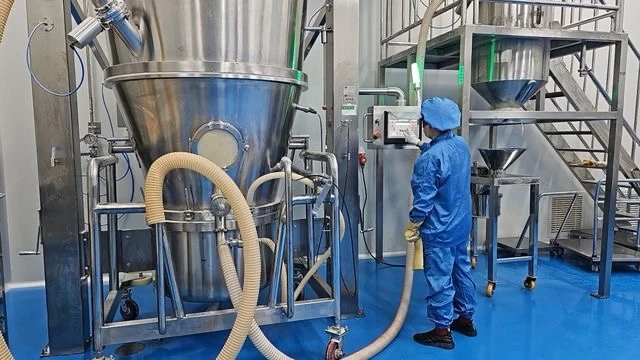
PHMB is synthesized through the polycondensation of hexamethylenediamine with dicyandiamide in hydrochloric acid. The resultant polymer's molecular weight, typically ranging from 2000 to 5000 Da, significantly impacts its antimicrobial efficacy and solubility. Raw material purity is paramount; impurities in hexamethylenediamine can lead to chain termination, reducing polymer length and diminishing biocidal activity. Dicyandiamide quality directly influences the formation of the biguanide structure. The manufacturing process involves precise control of temperature (typically 60-80°C) and pH (strongly acidic, maintained by HCl). Reaction time is critical, extending beyond optimal durations leading to polymer degradation. Post-reaction, the PHMB polymer is neutralized, filtered, and typically supplied as a 20% aqueous solution. Key parameters controlled during manufacturing include monomer ratio, reaction temperature, pH, agitation speed (ensuring homogeneity), and filtration efficiency (removing unreacted monomers and byproducts). Quality control relies on measuring molecular weight distribution via gel permeation chromatography (GPC), determining active ingredient content through titration, and assessing residual monomer levels via high-performance liquid chromatography (HPLC). The physical form is a clear, viscous liquid, and the chemical stability is dependent on pH, temperature and UV exposure.
The antimicrobial mechanism of PHMB involves electrostatic attraction between the positively charged polymer and the negatively charged microbial cell membrane. This interaction disrupts membrane integrity, leading to leakage of intracellular components and ultimately cell death. The efficacy of PHMB is heavily dependent on concentration, contact time, and temperature. Force analysis demonstrates that increasing PHMB concentration leads to a non-linear increase in antimicrobial activity, exhibiting diminishing returns at higher concentrations. Environmental resistance is a critical consideration. While relatively stable in neutral to slightly acidic pH ranges, PHMB's activity can be reduced in highly alkaline conditions or in the presence of anionic surfactants which compete for binding sites on the cell membrane. Compliance requirements dictate stringent adherence to regulatory guidelines, such as those set by the EPA (Environmental Protection Agency) and FDA (Food and Drug Administration) regarding permissible usage levels in different applications. For example, in water treatment, maximum residual concentrations are strictly enforced. Functional implementation in textiles involves incorporating PHMB into fiber matrices during manufacturing, ensuring sustained release and prolonged antimicrobial protection. In healthcare, PHMB is used in wound dressings and skin antiseptics, necessitating biocompatibility testing and evaluation of potential skin irritation or sensitization.
| Parameter | Specification | Test Method | Units |
|---|---|---|---|
| Active Ingredient Content (PHMB) | 19.5 – 20.5 | Titration (pH potentiometric) | % w/w |
| Molecular Weight (Average) | 2000 – 5000 | Gel Permeation Chromatography (GPC) | Da |
| pH (10% solution) | 3.0 – 5.0 | pH Meter | - |
| Color (APHA) | ≤ 50 | Spectrophotometry | APHA Units |
| Residual Hexamethylenediamine | ≤ 100 | HPLC | ppm |
| Water Content | ≤ 10 | Karl Fischer Titration | % w/w |
Common failure modes of PHMB-based formulations include loss of antimicrobial efficacy, precipitation, and degradation. Loss of efficacy can result from several factors: neutralization by alkaline substances, adsorption onto surfaces, or the development of microbial resistance. Precipitation can occur at low temperatures or when PHMB is mixed with incompatible chemicals. Degradation is accelerated by exposure to UV light, high temperatures, and oxidizing agents. Fatigue cracking isn't applicable to PHMB itself, but can occur in the materials treated with PHMB if the polymer compromises the host material’s integrity. Delamination can occur in coatings containing PHMB if adhesion to the substrate is insufficient. Oxidation, while not a direct failure mode for PHMB, can lead to the breakdown of organic matrices containing the biocide, releasing it prematurely. Maintenance strategies involve proper storage (cool, dark, and dry conditions), avoiding contact with incompatible materials, and regular monitoring of antimicrobial activity through microbiological testing. For textiles treated with PHMB, laundering procedures should be optimized to minimize biocide release while maintaining antimicrobial properties; high temperatures and harsh detergents can accelerate removal. In water treatment systems, continuous monitoring of PHMB residual levels is crucial to ensure effective disinfection and prevent biofilm formation. Routine system cleaning to remove organic matter reduces competition for PHMB binding sites.
A: Resistance to PHMB typically develops through alterations in the microbial cell membrane. This often involves changes in the net negative charge of the cell surface, reducing the electrostatic attraction between PHMB and the membrane, or overexpression of efflux pumps that actively transport PHMB out of the cell. While resistance development is slower compared to some antibiotics, prolonged and sub-lethal exposure to PHMB can drive these adaptations.
A: Both PHMB and QACs are cationic biocides with broad antimicrobial activity. However, PHMB generally exhibits superior efficacy against biofilms and certain Gram-negative bacteria, due to its polymeric structure and enhanced membrane disruption capabilities. QACs can be more readily inactivated by organic matter and hard water, while PHMB demonstrates greater stability in challenging conditions.
A: Key considerations include compatibility with the fiber type, ensuring adequate adhesion of the coating, controlling the release rate of PHMB, and maintaining the textile’s physical properties (e.g., strength, breathability). The coating formulation must also be stable during textile processing (dyeing, washing). Encapsulation techniques can be employed to enhance PHMB durability and control release.
A: High water hardness, characterized by elevated levels of calcium and magnesium ions, can slightly reduce PHMB's efficacy. These ions compete with PHMB for binding sites on microbial cell membranes, diminishing its antimicrobial effect. However, the impact is typically moderate, and PHMB remains effective at higher concentrations or with optimized dosing regimes.
A: The use of PHMB in food contact surfaces is heavily regulated by agencies such as the FDA (in the US) and EFSA (in Europe). Specific regulations dictate permissible concentration levels, application methods, and rinse requirements to ensure consumer safety. It’s crucial to verify that the PHMB formulation is approved for the intended food contact application and that all relevant labeling requirements are met.
Hexamethylene biguanide hydrochloride represents a significant advancement in antimicrobial technology, offering a broad spectrum of activity and a relatively favorable toxicity profile compared to many traditional biocides. Its effectiveness relies heavily on understanding its material science, optimizing manufacturing processes, and carefully controlling application parameters. Addressing challenges related to resistance development and regulatory compliance is critical for ensuring its long-term viability.


