
Apr . 01, 2024 17:55 Back to list
homeopathic medicine for poultry farm Manufacturing and Performance
Introduction
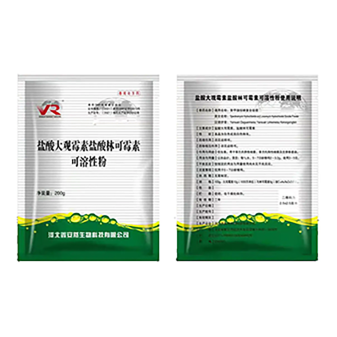
Homeopathic medicine for poultry, while representing a niche segment within animal husbandry, addresses increasing industry pressure for reduced reliance on conventional antibiotics and chemical treatments. This guide details the composition, manufacturing considerations, performance characteristics, potential failure modes, and relevant standards governing homeopathic preparations used in poultry farming. The technical position within the industry chain lies in preventative health and supplementary treatment, often used in conjunction with biosecurity protocols and nutritional optimization. Core performance centers on immunostimulation, promoting natural resistance to common poultry pathogens, and mitigating stress-induced susceptibility. Unlike allopathic treatments targeting specific pathogens, homeopathy operates on the principle of 'like cures like,' employing ultra-diluted substances believed to stimulate the bird’s self-healing capabilities. Understanding the nuances of manufacturing and efficacy assessment is critical, given the controversies surrounding its scientific basis and regulatory frameworks.
Material Science & Manufacturing
The material science underpinning homeopathic medicine deviates significantly from conventional pharmaceutical production. Raw materials – sourced from plant, animal, or mineral kingdoms – undergo serial dilution and succussion (vigorous shaking). The starting material's inherent biochemical composition dictates the potential therapeutic effect, according to homeopathic principles. Common poultry remedies utilize substances like Allium cepa (onion) for respiratory distress, Arsenicum album for gastrointestinal issues, and Nux vomica for stress-related symptoms. The manufacturing process hinges on precise dilution ratios, typically expressed using the 'X' (1:10) or 'C' (1:100) scale. A 30C potency, for example, represents a 1:100 dilution repeated 30 times, resulting in an extremely high dilution. Dilution mediums usually comprise purified water or ethanol. Quality control focuses on verifying the original material’s purity (absence of pesticides, heavy metals, microbial contamination) and ensuring accurate potency labeling. Succussion is thought to 'dynamize' the solution, imbuing it with therapeutic energy – a concept not readily explained by classical physics or chemistry. The physical properties of the final product are essentially those of the diluent – colorless, odorless, and with minimal viscosity. Chemical compatibility is largely irrelevant due to the extreme dilution; however, the stability of the diluent (ethanol concentration for preservation) is vital. Contamination during dilution and bottling represents a significant risk.
Performance & Engineering
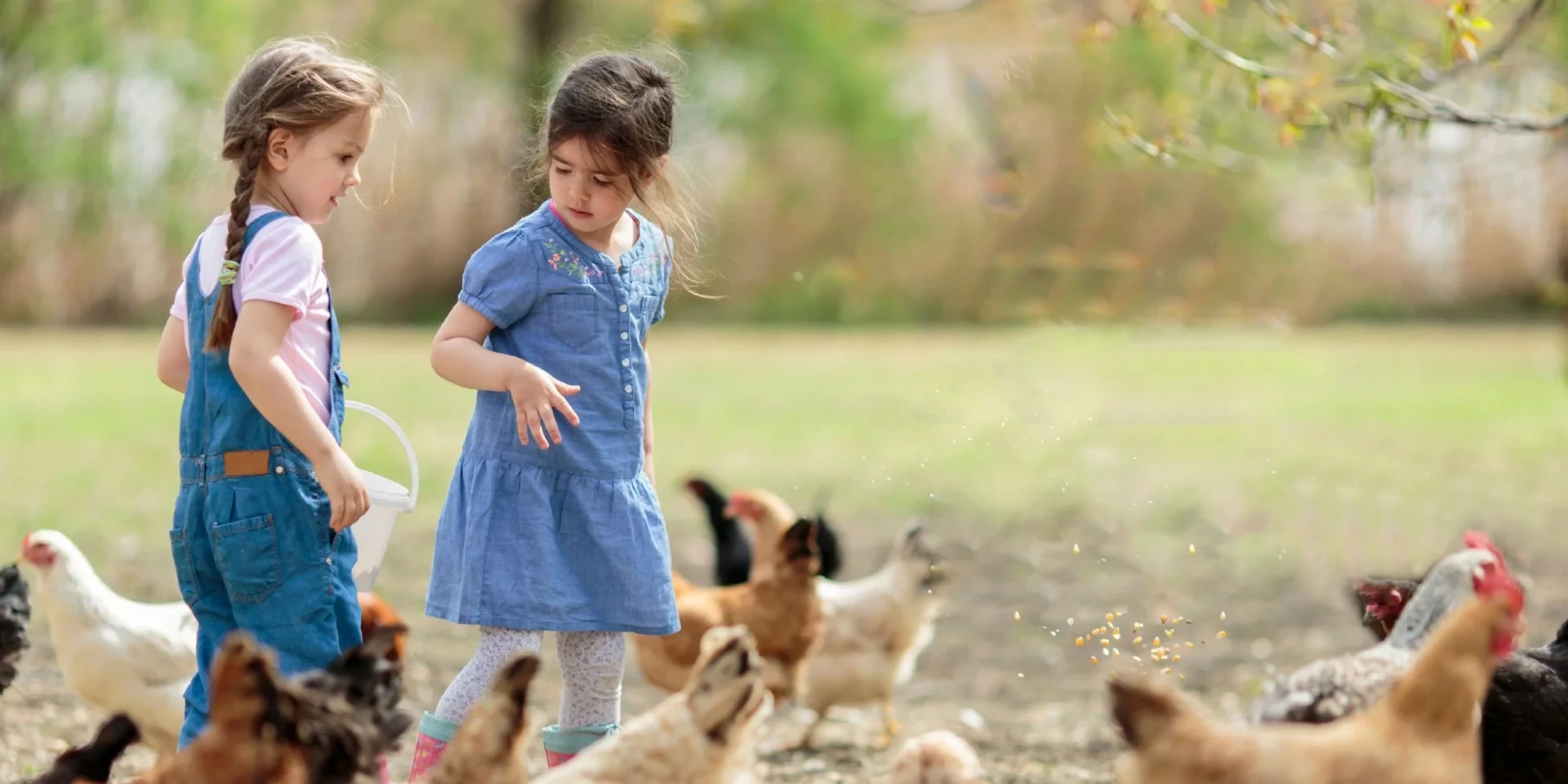
Performance assessment of homeopathic medicines in poultry is complex. Conventional force analysis is inapplicable, given the lack of a measurable physical or chemical effect at high dilutions. Engineering considerations primarily focus on administration methods – typically via drinking water. Dilution rates in water must be carefully calculated to ensure consistent dosage delivery across the flock. Environmental resistance is not a primary concern for the medication itself, but the diluent's stability (particularly ethanol-based solutions) can be affected by temperature and UV exposure. Compliance requirements vary significantly by region. In many jurisdictions, homeopathic medicines are regulated as veterinary medicinal products, requiring registration and adherence to Good Manufacturing Practices (GMP). The lack of robust, placebo-controlled clinical trials poses a challenge to demonstrating efficacy according to scientific standards. Observed improvements in poultry health are often attributed to immunostimulation, potentially through epigenetic mechanisms or subtle effects on water structure. However, the placebo effect – both in the birds (via improved management practices accompanying treatment) and in the farmer's observation – cannot be entirely discounted. Bioavailability, while not defined in traditional terms, is a crucial factor. The remedy must be consumed by the bird to exert any potential effect, necessitating palatability considerations and ensuring even distribution within the water supply. Stress mitigation is a key area where homeopathy is often applied, influencing the hypothalamic-pituitary-adrenal (HPA) axis and potentially reducing corticosterone levels.
Technical Specifications
| Potency | Dilution Scale | Typical Diluent | pH Range | Specific Gravity | Shelf Life (Unopened) |
|---|---|---|---|---|---|
| 6C | 1:100 | Ethanol/Water (20/80) | 6.0 – 7.5 | 0.98 – 1.02 | 3 Years |
| 30C | 1:100 | Ethanol/Water (10/90) | 5.5 – 7.0 | 0.97 – 1.01 | 5 Years |
| 200C | 1:100 | Purified Water | 6.5 – 8.0 | 1.00 | 2 Years |
| LM1 | 1:50,000 | Ethanol/Water (50/50) | 6.0 - 7.0 | 0.99 – 1.03 | 1 Year |
| LM2 | 1:50,000 | Purified Water | 6.8 – 7.8 | 1.00 | 6 Months |
| LM3 | 1:50,000 | Ethanol/Water (30/70) | 5.8 – 6.8 | 0.98 – 1.02 | 9 Months |
Failure Mode & Maintenance
Failure modes for homeopathic medicines are unique. Unlike conventional drugs, failure isn’t due to degradation of an active ingredient, but rather, potential loss of ‘potency’ – a concept difficult to objectively quantify. Contamination during manufacturing or storage is a primary concern, rendering the remedy ineffective or potentially harmful. Improper dilution practices by the farmer can lead to under- or over-dosing, negating any potential therapeutic effect. Exposure to strong electromagnetic fields (EMF) is theorized by some practitioners to ‘neutralize’ the remedy, although this remains unproven. ‘Antidoting’ – the simultaneous administration of substances believed to counteract the homeopathic effect (e.g., strong-smelling disinfectants, allopathic medications) – is another reported failure mechanism. Maintenance focuses on proper storage: dark, cool, and dry conditions to preserve diluent stability. Batch traceability is critical for identifying and addressing potential manufacturing defects. Regular potency verification (though lacking standardized methods) is sometimes practiced by homeopathic pharmacies. Monitoring flock health parameters (growth rate, feed conversion ratio, mortality) alongside homeopathic treatment allows for subjective assessment of efficacy. Documentation of administration protocols and observed responses is essential for continuous improvement.
Industry FAQ
Q: What is the scientific basis for homeopathy, given the extreme dilutions employed?
A: The scientific basis remains contested. Conventional chemistry and pharmacology cannot explain the purported effects of homeopathic remedies at such high dilutions. Proponents suggest mechanisms involving water memory, epigenetic changes, or subtle energy fields, but these remain largely unproven and lack widespread acceptance within the scientific community. The observed effects may be attributable to the placebo effect or other confounding factors.
Q: How does homeopathic medicine compare to antibiotic use in terms of preventing disease outbreaks in poultry?
A: Antibiotics directly target and kill or inhibit the growth of pathogens, providing a rapid and often effective response to acute infections. Homeopathy aims to stimulate the bird’s immune system, enhancing its natural resistance and preventing disease. While antibiotics can lead to antimicrobial resistance, homeopathy avoids this risk. However, homeopathy is generally considered a preventative or supportive treatment, and may not be sufficient to address severe infections requiring immediate antibiotic intervention.
Q: What are the regulatory requirements for selling homeopathic medicines for poultry in the EU and US?
A: Regulations differ significantly. In the EU, homeopathic medicinal products are regulated under Directive 2001/83/EC, requiring registration and adherence to GMP. In the US, the FDA regulates homeopathic drugs under the Federal Food, Drug, and Cosmetic Act, but with a different framework, focusing on safety rather than efficacy. The level of scrutiny is generally less stringent than for conventional pharmaceuticals.
Q: What is the correct method for administering homeopathic medicine to a large poultry flock via drinking water?
A: The remedy should be dissolved in a small volume of water and then thoroughly mixed into the entire drinking water supply. The water should be refreshed regularly (at least twice daily) to ensure even distribution and prevent settling. Water troughs should be cleaned before adding the remedy to prevent contamination. Dosage should be carefully calculated based on the potency and flock size.
Q: What are the potential risks associated with using homeopathic medicine in poultry farming?
A: The primary risk is relying solely on homeopathy to treat serious infections, potentially delaying or preventing effective conventional treatment. Incorrect dilution or administration can render the remedy ineffective. Quality control issues, such as contamination, can pose a health hazard. Furthermore, the lack of robust scientific evidence raises concerns about efficacy and justifies cautious implementation alongside established biosecurity and management practices.
Conclusion
Homeopathic medicine for poultry represents a controversial but growing area within preventative animal health. Its technical foundation, based on serial dilution and succussion, challenges conventional scientific paradigms. Understanding the manufacturing processes, performance limitations, and potential failure modes is crucial for informed decision-making. While lacking the demonstrable efficacy of conventional treatments for acute infections, homeopathy may offer a complementary approach to immunostimulation and stress mitigation, particularly within integrated poultry management systems.
Future research should focus on developing standardized potency verification methods, investigating potential epigenetic mechanisms of action, and conducting rigorous, placebo-controlled clinical trials. Clear regulatory frameworks, emphasizing product safety and quality control, are essential for building trust and promoting responsible use. The long-term sustainability of homeopathy in poultry farming hinges on bridging the gap between traditional principles and modern scientific scrutiny.
Latest news
Copyright © 2026
Dingzhou Kangquan Pharmaceutical Co., Ltd. All Rights Reserved. Sitemap | Privacy
Policy


