
Apr . 01, 2024 17:55 Back to list
inj amoxicillin Performance Analysis
Introduction
Injectable amoxicillin is a beta-lactam antibiotic, specifically a penicillin derivative, utilized for the treatment of bacterial infections in veterinary medicine. It occupies a critical position in animal healthcare, representing a foundational therapeutic intervention across diverse species including livestock, poultry, and companion animals. This sterile solution, typically administered intravenously or intramuscularly, exhibits broad-spectrum activity against many Gram-positive and certain Gram-negative bacteria. Its efficacy hinges on inhibiting bacterial cell wall synthesis, ultimately leading to bacterial lysis and resolution of infection. Core performance characteristics include rapid absorption, bioavailability allowing for consistent serum concentrations, and potent bactericidal activity. However, the increasing prevalence of antibiotic resistance and concerns regarding residue levels in food-producing animals necessitate careful consideration of dosage, administration protocols, and withdrawal times. This guide details the material science, manufacturing processes, performance, failure modes, and regulatory standards governing injectable amoxicillin.
Material Science & Manufacturing
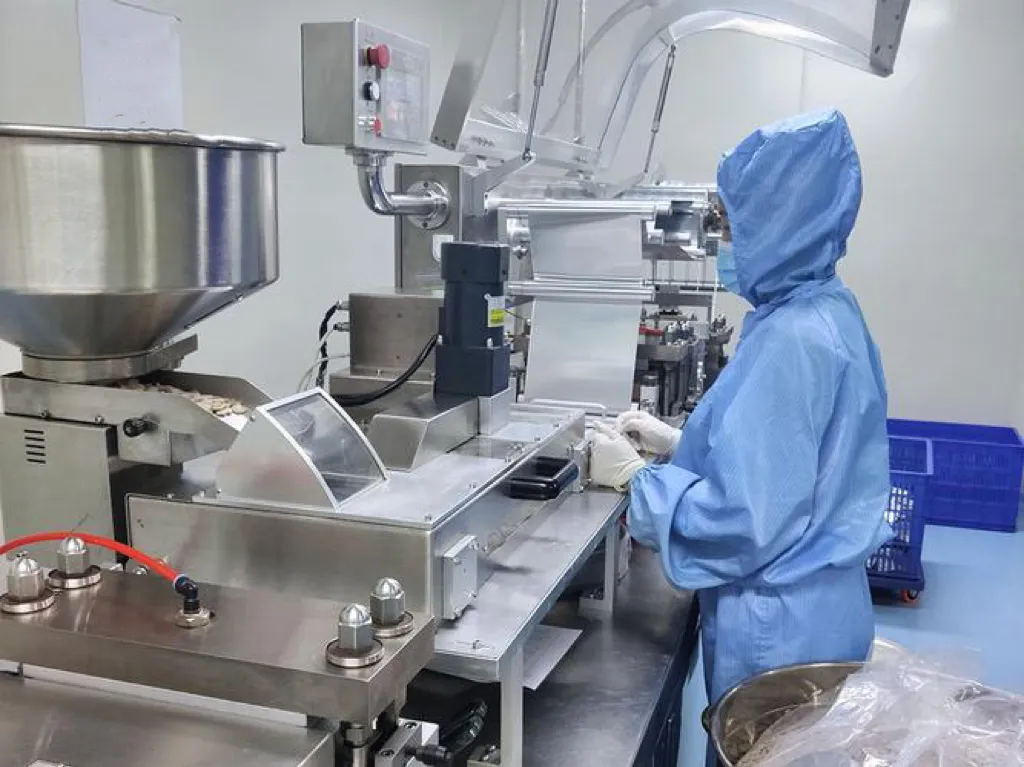
The primary active pharmaceutical ingredient (API), amoxicillin trihydrate (C16H19N3O5S • 3H2O), is a semi-synthetic penicillin produced through fermentation processes. The precursor, 6-aminopenicillanic acid (6-APA), is derived from Penicillium chrysogenum strains and then chemically modified with a D-p-hydroxyphenylglycyl side chain. Raw material purity, as assessed via HPLC and spectroscopic analysis, is paramount. The excipients utilized—typically sterile water for injection, and sometimes buffering agents like sodium hydroxide or hydrochloric acid to maintain pH stability—must adhere to stringent pharmacopoeial standards (USP, EP). Manufacturing involves several critical stages: API synthesis and purification, formulation, sterile filtration (typically using 0.22µm filters), aseptic filling into sterile vials or bottles, lyophilization (freeze-drying) in some formulations to enhance stability, and final quality control testing. Critical process parameters include fermentation temperature, pH control during API synthesis, filter pore size, filling volume accuracy, lyophilization cycle parameters (freezing rate, vacuum pressure, shelf temperature), and sterilization validation. Compatibility studies between amoxicillin and container closure systems (vials, stoppers, aluminum seals) are essential to preclude leaching, adsorption, or chemical degradation. Residual solvents are monitored meticulously adhering to ICH guidelines. Particulate matter analysis is also crucial to ensure the injectability and safety of the product.
Performance & Engineering
The therapeutic efficacy of injectable amoxicillin is intimately linked to its pharmacokinetic and pharmacodynamic properties. Following parenteral administration, amoxicillin exhibits rapid distribution throughout bodily fluids and tissues. The volume of distribution varies by species and injection site. Renal excretion is the primary elimination pathway, with a proportion also excreted unchanged in bile. The minimum inhibitory concentration (MIC) for susceptible bacteria dictates the effective dosage. Force analysis during vial breakage testing, conducted according to USP <659>, assesses the container’s resistance to impact and handling stresses. Environmental resistance, specifically stability under varying temperature and humidity conditions (ICH stability studies: 25°C/60% RH, 30°C/65% RH, 40°C/75% RH), determines the product’s shelf life. Compliance requirements adhere to Good Manufacturing Practices (GMP) as outlined by regulatory bodies like the FDA and EMA. Functional implementation necessitates accurate dosage calculation based on animal weight and severity of infection. Considerations include potential interactions with other medications and the impact of pre-existing renal or hepatic impairment. Proper reconstitution techniques (if applicable) are vital to ensure complete dissolution and maintain drug potency.
Technical Specifications
| Parameter | Specification | Test Method | Units |
|---|---|---|---|
| Amoxicillin Content (Potency) | 90.0 – 110.0% (dried basis) | HPLC | % |
| Water Content | ≤ 3.0 | Karl Fischer Titration | % |
| pH | 4.5 – 6.5 | Potentiometry | - |
| Sterility | No bacterial growth | USP <71> | - |
| Endotoxin Level | ≤ 0.5 | LAL Test | EU/mL |
| Particulate Matter | Meets USP <788> requirements | Microscopic Particle Count | particles/mL |
Failure Mode & Maintenance
Common failure modes of injectable amoxicillin include degradation of the API leading to loss of potency, particulate matter formation, vial breakage during handling, and loss of sterility. Degradation can occur through hydrolysis, oxidation, or isomerization, accelerated by elevated temperatures or improper storage conditions. Fatigue cracking of vials, especially during repeated temperature cycling, can result in leakage and compromise sterility. Delamination of rubber stoppers can introduce particulate matter into the solution. Oxidation can lead to discoloration and reduced efficacy. Maintenance focuses on adhering to recommended storage conditions (typically 2-8°C, protected from light), utilizing appropriate handling procedures to minimize vial breakage, and implementing robust quality control measures throughout the manufacturing process. Regular monitoring of storage temperatures and humidity is crucial. Visual inspection for particulate matter, discoloration, or leakage should be performed prior to administration. Proper disposal of unused product is essential to prevent environmental contamination. Implementation of a robust deviation investigation process is vital for identifying and addressing the root causes of any failures observed.
Industry FAQ
Q: What is the primary concern regarding the long-term stability of lyophilized amoxicillin formulations?
A: The primary concern is the potential for cake collapse during storage due to sublimation of residual moisture and loss of structural integrity. This can lead to reduced reconstitution volume and potentially affect drug potency. Optimizing the lyophilization cycle (freezing rate, primary drying, secondary drying) and using cryoprotectants are crucial to mitigate this risk.
Q: How do you ensure the absence of pyrogens in injectable amoxicillin?
A: We employ a multi-barrier approach. This begins with utilizing pyrogen-free raw materials, employing validated sterilization processes (typically autoclaving), and implementing rigorous testing for bacterial endotoxins using the Limulus Amebocyte Lysate (LAL) test according to USP <85>. Regular monitoring of water systems used in manufacturing is also critical.
Q: What specific quality control tests are performed to detect degradation products of amoxicillin?
A: We primarily utilize High-Performance Liquid Chromatography (HPLC) with UV detection to identify and quantify degradation products. Mass spectrometry (MS) coupled with HPLC provides additional structural information. Forced degradation studies, exposing the drug substance to stress conditions (heat, light, oxidation, hydrolysis), are conducted to identify potential degradation pathways and develop specific analytical methods for their detection.
Q: What is the significance of the container closure integrity testing performed on injectable amoxicillin vials?
A: Container closure integrity (CCI) testing verifies that the vial-stopper-seal system effectively prevents microbial ingress and maintains the sterility of the product throughout its shelf life. Dye ingress, helium leak testing, and microbial challenge studies are common methods used to assess CCI.
Q: How are withdrawal times for amoxicillin in food-producing animals determined, and why are they important?
A: Withdrawal times are established based on pharmacokinetic studies that determine the rate of amoxicillin elimination from edible tissues (muscle, liver, kidneys, milk). These times are mandated by regulatory agencies (e.g., FDA) to ensure that residue levels in food products do not exceed established Maximum Residue Limits (MRLs), safeguarding human health.
Conclusion
Injectable amoxicillin remains a cornerstone in veterinary antibiotic therapy due to its broad spectrum of activity and proven efficacy. The manufacturing process, demanding stringent controls over material science, process parameters, and sterility assurance, is crucial for guaranteeing product quality and patient safety. Ongoing challenges related to antibiotic resistance necessitate responsible use and continual monitoring of susceptibility patterns.
Future development efforts should focus on optimizing formulation stability, exploring novel delivery systems, and developing strategies to overcome antibiotic resistance mechanisms. Adherence to rigorous quality standards, as defined by international pharmacopoeias and regulatory guidelines, is paramount for maintaining the therapeutic integrity of injectable amoxicillin and preserving its role in animal healthcare.
Latest news
Copyright © 2026
Dingzhou Kangquan Pharmaceutical Co., Ltd. All Rights Reserved. Sitemap | Privacy
Policy


