2695018275@qq.com
+86
13780513619
- Afrikaans
- Albanian
- Amharic
- Arabic
- Armenian
- Azerbaijani
- Basque
- Belarusian
- Bengali
- Bosnian
- Bulgarian
- Catalan
- Cebuano
- Corsican
- Croatian
- Czech
- Danish
- Dutch
- English
- Esperanto
- Estonian
- Finnish
- French
- Frisian
- Galician
- Georgian
- German
- Greek
- Gujarati
- Haitian Creole
- hausa
- hawaiian
- Hebrew
- Hindi
- Miao
- Hungarian
- Icelandic
- igbo
- Indonesian
- irish
- Italian
- Japanese
- Javanese
- Kannada
- kazakh
- Khmer
- Rwandese
- Korean
- Kurdish
- Kyrgyz
- Lao
- Latin
- Latvian
- Lithuanian
- Luxembourgish
- Macedonian
- Malgashi
- Malay
- Malayalam
- Maltese
- Maori
- Marathi
- Mongolian
- Myanmar
- Nepali
- Norwegian
- Norwegian
- Occitan
- Pashto
- Persian
- Polish
- Portuguese
- Punjabi
- Romanian
- Russian
- Samoan
- Scottish Gaelic
- Serbian
- Sesotho
- Shona
- Sindhi
- Sinhala
- Slovak
- Slovenian
- Somali
- Spanish
- Sundanese
- Swahili
- Swedish
- Tagalog
- Tajik
- Tamil
- Tatar
- Telugu
- Thai
- Turkish
- Turkmen
- Ukrainian
- Urdu
- Uighur
- Uzbek
- Vietnamese
- Welsh
- Bantu
- Yiddish
- Yoruba
- Zulu
Apr . 01, 2024 17:55 Back to list
kitten multivitamin Bioavailability Analysis
Introduction
Kitten multivitamin formulations represent a critical component of early feline health management. These supplements are not standalone nutritional solutions, but rather designed to augment commercially available kitten food, addressing potential deficiencies common during rapid growth and development. Positioned within the veterinary pharmaceutical and pet nutrition supply chain, their efficacy relies on precise bioavailability of encapsulated vitamins and minerals. Core performance characteristics center on supporting skeletal development, immune function, and overall metabolic efficiency during the crucial first six months of life. The industry faces key challenges relating to palatability, ingredient stability, and accurate dosage administration, particularly with variations in individual kitten metabolic rates and food consumption. Furthermore, regulatory scrutiny regarding ingredient sourcing and quality control is increasing.
Material Science & Manufacturing
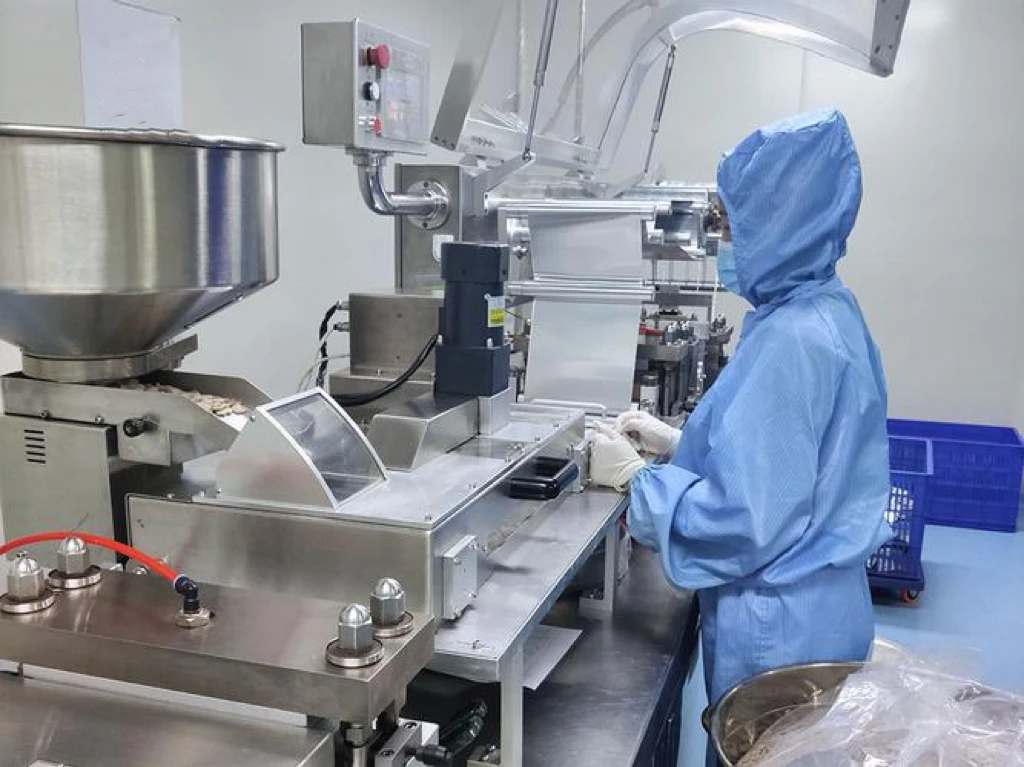
The primary raw materials in kitten multivitamin production include Vitamin A (typically Retinyl Acetate), Vitamin D3 (Cholecalciferol), Vitamin E (Alpha-Tocopheryl Acetate), B-complex vitamins (Thiamine, Riboflavin, Niacin, Pantothenic Acid, Pyridoxine, Cobalamin), Vitamin C (Ascorbic Acid), and essential minerals like Taurine, Iron, Calcium, and Zinc. These are often sourced as pre-mixes from specialized chemical suppliers, requiring stringent Certificates of Analysis (COA) verification. Manufacturing typically involves a multi-stage process: 1) ingredient blending, ensuring homogeneous distribution; 2) microencapsulation – a critical step to protect vitamins from degradation due to oxidation, light exposure, and stomach acid; 3) tablet compression or liquid formulation; 4) coating (if applicable) to improve palatability and mask any undesirable tastes. Parameter control is paramount; temperature during blending must be maintained to prevent vitamin degradation. Encapsulation requires precise control of polymer ratios (typically cellulose-based) and drying rates to achieve optimal capsule size and release characteristics. Liquid formulations demand careful pH adjustment to maintain ingredient solubility and stability. Quality control includes HPLC analysis to verify vitamin potency, heavy metal testing, and microbial contamination screening. The physical form impacts bioavailability; microencapsulated powders demonstrate improved absorption compared to uncoated forms.
Performance & Engineering
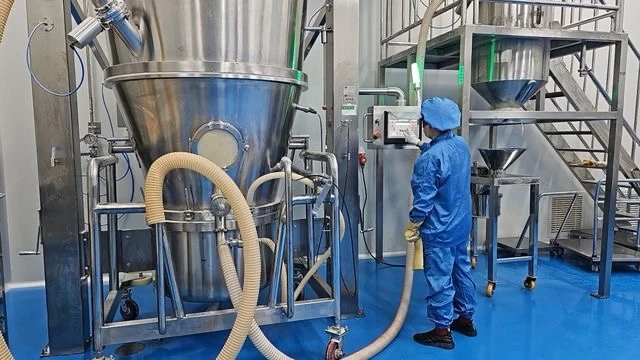
Performance evaluation centers around bioavailability and efficacy. Bioavailability studies, often conducted in-vivo using pharmacokinetic analysis, determine the percentage of each vitamin and mineral absorbed into the kitten’s bloodstream. Efficacy is assessed through growth rate monitoring (weight gain, linear skeletal growth), immune function tests (antibody titer response to vaccinations), and blood analysis (assessment of vitamin and mineral levels). The engineering challenge lies in formulating a product that is both palatable and stable. Palatability is often enhanced using flavor coatings (e.g., liver powder, fish oil) and careful selection of excipients. Stability is critical to ensuring potency throughout the product’s shelf life. Accelerated stability testing, involving exposure to elevated temperatures and humidity, is performed to predict long-term shelf stability. Environmental resistance is less of a direct concern for the product itself, but packaging must protect against moisture and light ingress. Compliance requirements are driven by veterinary drug regulations (depending on the specific formulation and intended use) and pet food labeling laws. Force analysis is relevant to tablet compression; ensuring sufficient hardness to prevent crumbling during handling, yet maintaining friability within acceptable limits to allow for easy digestion.
Technical Specifications
| Vitamin A (IU/kg) | Vitamin D3 (IU/kg) | Vitamin E (mg/kg) | Taurine (mg/kg) |
|---|---|---|---|
| 10,000 | 800 | 50 | 200 |
| 12,000 | 1,000 | 60 | 250 |
| 8,000 | 600 | 40 | 150 |
| 15,000 | 1,200 | 75 | 300 |
| 7,500 | 750 | 45 | 180 |
| 11,000 | 900 | 55 | 220 |
Failure Mode & Maintenance
Failure modes in kitten multivitamin products typically stem from degradation of active ingredients, resulting in reduced efficacy. Oxidation is a primary concern, leading to vitamin C and Vitamin E degradation. Exposure to moisture can cause tablet disintegration and ingredient leaching in liquid formulations. Improper storage (high temperatures, direct sunlight) accelerates these processes. Physical failure can occur with tablets – crumbling due to insufficient compression force or cracking due to excessive friability. Palatability issues can lead to inconsistent dosage administration, effectively rendering the product ineffective. Maintenance, in this context, refers to proper storage protocols. Products should be stored in a cool, dry place, protected from light. The original packaging should be retained to provide a barrier against moisture and oxygen. Tablets should be inspected for damage (cracks, crumbling) before administration. Liquid formulations should be shaken well before use. Regular monitoring of kitten growth and health is crucial to assess product efficacy and identify any potential deficiencies despite supplementation. Shelf life monitoring is essential and expiry dates must be strictly adhered to.
Industry FAQ
Q: What is the significance of microencapsulation in kitten multivitamin formulations?
A: Microencapsulation is crucial for protecting vitamins, particularly fat-soluble vitamins like A, D, and E, from degradation due to oxidation and stomach acid. It enhances bioavailability by controlling the release rate of the vitamin, ensuring it reaches the intestinal absorption sites before being degraded. The coating material also masks unpleasant tastes, improving palatability.
Q: How do you ensure the accuracy of vitamin potency claims on the label?
A: Vitamin potency is verified through rigorous High-Performance Liquid Chromatography (HPLC) analysis. We adhere to strict quality control protocols, utilizing certified reference standards and validated analytical methods. Each batch undergoes thorough testing before release to ensure it meets the specified potency levels. Certificates of Analysis (COAs) are maintained for traceability.
Q: What are the potential consequences of over-supplementation with certain vitamins, such as Vitamin D?
A: Over-supplementation with Vitamin D can lead to hypervitaminosis D, resulting in hypercalcemia (elevated calcium levels in the blood). This can cause soft tissue calcification, kidney damage, and neurological signs. Dosage recommendations are carefully calculated based on the kitten’s weight and age, and we strongly advise against exceeding the recommended dosage.
Q: How is palatability tested and improved in your formulations?
A: Palatability is assessed through feeding trials involving multiple kittens. We observe consumption rates and preference for different formulations. Flavor coatings, such as liver powder or fish oil, are added to enhance taste. Careful selection of excipients (inactive ingredients) that are naturally appealing to kittens is also critical.
Q: What are the relevant regulatory requirements for kitten multivitamin products?
A: Regulatory requirements vary by country. In the US, kitten multivitamins are often regulated as dietary supplements or veterinary drugs, depending on the formulation and intended use. Compliance with FDA regulations (if applicable) and state-level pet food labeling laws is essential. Documentation of ingredient sourcing, manufacturing processes, and quality control data is required.
Conclusion
Kitten multivitamin formulations are a nuanced segment of the pet nutrition industry, requiring a deep understanding of feline physiology, vitamin metabolism, and material science principles. Effective product development demands rigorous quality control throughout the entire supply chain, from raw material sourcing to finished product testing. Ensuring bioavailability, palatability, and long-term stability are paramount challenges.
The future of kitten multivitamin innovation lies in personalized nutrition approaches, tailoring formulations to individual kitten needs based on genetic predisposition, dietary habits, and environmental factors. Advancements in encapsulation technologies and novel ingredient delivery systems will further enhance efficacy and optimize nutrient absorption. Continuous monitoring of regulatory landscapes and adaptation to evolving scientific understanding are vital for sustained success in this dynamic market.
Latest news
Copyright © 2026
Dingzhou Kangquan Pharmaceutical Co., Ltd. All Rights Reserved. Sitemap | Privacy
Policy


