
2695018275@qq.com
+86
13780513619
- Afrikaans
- Albanian
- Amharic
- Arabic
- Armenian
- Azerbaijani
- Basque
- Belarusian
- Bengali
- Bosnian
- Bulgarian
- Catalan
- Cebuano
- Corsican
- Croatian
- Czech
- Danish
- Dutch
- English
- Esperanto
- Estonian
- Finnish
- French
- Frisian
- Galician
- Georgian
- German
- Greek
- Gujarati
- Haitian Creole
- hausa
- hawaiian
- Hebrew
- Hindi
- Miao
- Hungarian
- Icelandic
- igbo
- Indonesian
- irish
- Italian
- Japanese
- Javanese
- Kannada
- kazakh
- Khmer
- Rwandese
- Korean
- Kurdish
- Kyrgyz
- Lao
- Latin
- Latvian
- Lithuanian
- Luxembourgish
- Macedonian
- Malgashi
- Malay
- Malayalam
- Maltese
- Maori
- Marathi
- Mongolian
- Myanmar
- Nepali
- Norwegian
- Norwegian
- Occitan
- Pashto
- Persian
- Polish
- Portuguese
- Punjabi
- Romanian
- Russian
- Samoan
- Scottish Gaelic
- Serbian
- Sesotho
- Shona
- Sindhi
- Sinhala
- Slovak
- Slovenian
- Somali
- Spanish
- Sundanese
- Swahili
- Swedish
- Tagalog
- Tajik
- Tamil
- Tatar
- Telugu
- Thai
- Turkish
- Turkmen
- Ukrainian
- Urdu
- Uighur
- Uzbek
- Vietnamese
- Welsh
- Bantu
- Yiddish
- Yoruba
- Zulu
Apr . 01, 2024 17:55 Back to list
kitten vitamin supplement Performance Analysis
Introduction
Kitten vitamin supplements represent a crucial component of early feline health management, occupying a distinct niche within the broader pet nutrition industry. These formulations are designed to address the unique and heightened nutritional demands of rapidly growing kittens, supporting optimal development from weaning through adolescence. Unlike adult feline supplements focused on maintenance or specific geriatric concerns, kitten vitamins prioritize essential micronutrient provision critical for skeletal growth, immune system maturation, and neurological development. The primary active ingredients typically include Vitamin A, D, E, B-complex vitamins, and essential minerals such as calcium, phosphorus, and taurine. Their position in the value chain extends from raw material sourcing and pharmaceutical-grade manufacturing to veterinary clinics, pet stores, and direct-to-consumer sales. Core performance metrics revolve around bioavailability of nutrients, palatability for consistent administration, and absence of adverse reactions. Effective kitten vitamin supplementation is pivotal in preventing developmental deficiencies and establishing a foundation for lifelong health.
Material Science & Manufacturing
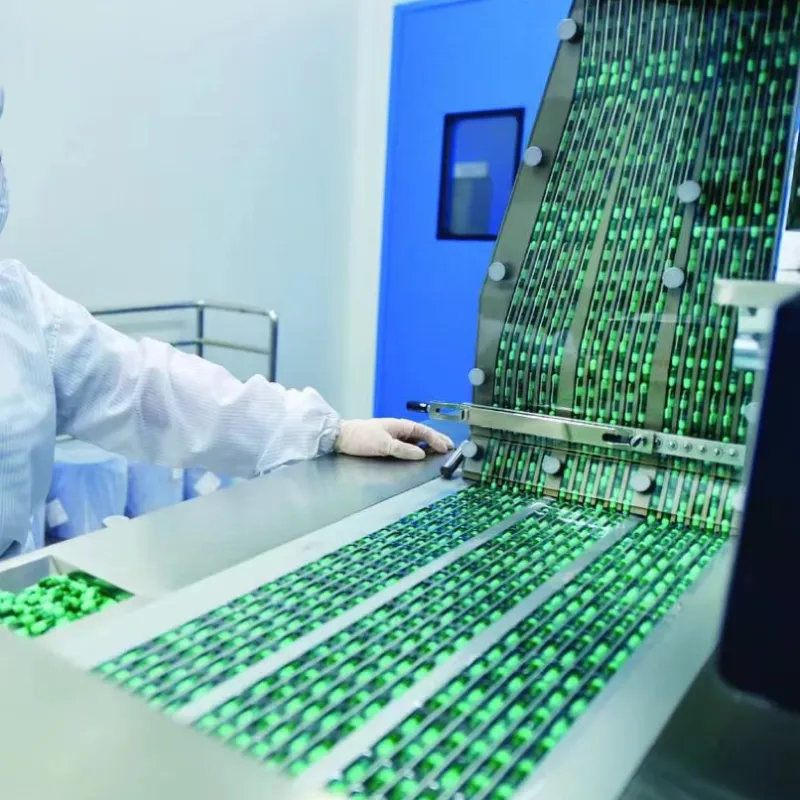
The production of kitten vitamin supplements necessitates a deep understanding of ingredient compatibility and stability. Raw materials are sourced from both synthetic and natural origins. Vitamin A, for example, often derives from β-carotene extraction from carrots or is synthetically produced as retinyl palmitate. Vitamin D3 is frequently sourced from lanolin (sheep wool), while Vitamin E typically originates from vegetable oils. B vitamins are often produced through microbial fermentation. Mineral sources include calcium carbonate, dicalcium phosphate, and ferrous sulfate. The manufacturing process generally involves micronization (reducing particle size for enhanced bioavailability), blending, granulation, tableting or encapsulation, and coating. Granulation, using binders such as microcrystalline cellulose and polyvinylpyrrolidone (PVP), is crucial for ensuring uniform density and consistent dosage. Coating, frequently employing polyethylene glycol (PEG), improves palatability and protects the vitamins from degradation due to oxidation or moisture. Critical parameters during production include temperature control (to prevent vitamin degradation – particularly heat-sensitive Vitamin C), humidity control (to maintain powder flowability), and accurate weighing/dispensing of ingredients to ensure dosage precision. Material compatibility studies are paramount; certain minerals can interact with vitamins, reducing their efficacy. Quality control measures throughout the process utilize HPLC (High-Performance Liquid Chromatography) for vitamin quantification and atomic absorption spectroscopy for mineral analysis. Formulations are often nitrogen-flushed during packaging to minimize oxidation.
Performance & Engineering
The efficacy of kitten vitamin supplements is directly linked to nutrient bioavailability – the proportion of the administered dose that reaches systemic circulation. Bioavailability is influenced by several factors: the chemical form of the vitamin (e.g., retinyl palmitate vs. retinol for Vitamin A), the presence of fat-soluble vitamin carriers (for enhanced absorption), and the kitten’s digestive physiology. Force analysis focuses on the compression force applied during tableting, ensuring sufficient hardness to withstand handling and shipping without crumbling, but not so high as to impede disintegration in the gastrointestinal tract. Environmental resistance testing assesses the product’s stability under varying temperature and humidity conditions, mimicking storage and transport scenarios. Accelerated stability studies, conducted at elevated temperatures, predict shelf life. Compliance requirements are stringent, governed by regulations from organizations like the FDA (Food and Drug Administration) in the US, and similar bodies internationally. These regulations dictate acceptable levels of contaminants, labeling requirements (including guaranteed analysis), and Good Manufacturing Practices (GMP). The engineering of palatability is critical, often achieved through the incorporation of flavor enhancers (e.g., poultry or fish extracts) and coating with palatable polymers. Digestibility is also engineered through particle size reduction and the inclusion of digestive enzymes. The supplement's impact on fecal pH and gut microbiome is an emerging area of investigation.
Technical Specifications
| Vitamin | Minimum Potency (per serving) | Maximum Potency (per serving) | Unit |
|---|---|---|---|
| Vitamin A | 500 | 1000 | IU |
| Vitamin D3 | 50 | 150 | IU |
| Vitamin E | 10 | 30 | IU |
| Vitamin B1 (Thiamine) | 0.5 | 1.5 | mg |
| Vitamin B2 (Riboflavin) | 0.4 | 1.2 | mg |
| Vitamin B6 (Pyridoxine) | 0.3 | 0.9 | mg |
Failure Mode & Maintenance
Common failure modes for kitten vitamin supplements include tablet/capsule crumbling (due to inadequate binder content or excessive compression force), coating defects (leading to palatability issues and oxidation), and vitamin degradation over time (caused by exposure to light, oxygen, or moisture). Fatigue cracking of tablets during shipping and handling is also observed. Another failure mode is loss of potency during storage due to hydrolysis of vitamins, especially Vitamin C. Delamination of coated tablets can occur if the coating is not properly adhered. Oxidation of unsaturated vitamins (A, E) is a prevalent degradation pathway. Maintenance to prevent these failures involves proper storage (cool, dry, dark place), airtight packaging (with nitrogen flushing), and adherence to the manufacturer's expiration date. For tablets, monitoring for chipping or crumbling is essential. Regular HPLC analysis can confirm vitamin potency over time. If a significant proportion of tablets are damaged during shipping, investigating packaging materials and shipping procedures is necessary. Routine quality control checks on incoming raw materials are also crucial to ensure they meet established purity and potency standards. Monitoring for changes in color or odor can indicate degradation.
Industry FAQ
Q: What is the clinical evidence supporting the inclusion of Taurine in kitten vitamin supplements?
A: Taurine is an essential amino acid for kittens, vital for retinal and cardiac development. Kittens cannot synthesize sufficient taurine themselves, leading to potential developmental abnormalities if deficient. Clinical studies have demonstrated that taurine supplementation prevents dilated cardiomyopathy (DCM) and retinal degeneration in kittens, particularly those fed diets low in taurine or with bioavailability issues. Supplementation ensures optimal levels for these critical functions.
Q: How do different coating materials affect the palatability and stability of the vitamin supplement?
A: Coating materials significantly impact both palatability and stability. Polyethylene glycol (PEG) is commonly used due to its palatability and film-forming properties. However, it is hygroscopic, meaning it readily absorbs moisture, potentially reducing shelf life. Other options like hypromellose (HPMC) offer better moisture barrier properties but may have lower palatability. The choice depends on the specific vitamin formulation and intended storage conditions. The coating thickness and uniformity are also crucial parameters.
Q: What quality control tests are essential to verify the potency and purity of raw vitamin ingredients?
A: Essential quality control tests include High-Performance Liquid Chromatography (HPLC) for accurate vitamin quantification, Atomic Absorption Spectroscopy (AAS) for mineral analysis, and microbial testing to ensure absence of harmful pathogens. Heavy metal analysis is also critical, particularly for mineral sources. Tests for residual solvents used during vitamin extraction or synthesis are also necessary. Certificates of Analysis (COAs) from reputable suppliers should be rigorously reviewed and independently verified.
Q: What are the key considerations for ensuring adequate bioavailability of fat-soluble vitamins (A, D, E) in a dry supplement format?
A: Bioavailability of fat-soluble vitamins is enhanced by incorporating them into a lipid matrix or utilizing emulsifiers. Micronization of the vitamins reduces particle size, increasing their surface area for absorption. The inclusion of a small amount of dietary fat in the formulation can also aid absorption. Formulating with a carrier oil such as flaxseed or fish oil can improve bioavailability, but also introduces potential oxidative stability concerns.
Q: How does the manufacturing process influence the potential for ingredient interactions and degradation?
A: The manufacturing process significantly influences ingredient interactions. High temperatures during granulation or coating can degrade heat-sensitive vitamins like Vitamin C. The presence of trace metals can catalyze oxidation reactions. Incompatible ingredients can react, forming inactive complexes. Proper process control, including temperature monitoring, humidity control, and the use of inert atmospheres (nitrogen flushing), is crucial to minimize these issues. Blending order also matters; certain ingredients should be added sequentially to avoid unwanted reactions.
Conclusion
Kitten vitamin supplements are essential for supporting optimal growth and development in young felines. Their efficacy hinges on a complex interplay of material science, manufacturing precision, and a thorough understanding of feline nutritional requirements. Maintaining ingredient stability, ensuring adequate bioavailability, and adhering to stringent quality control standards are paramount. The continued evolution of formulation techniques, coupled with advancements in analytical methodologies, will drive further improvements in supplement performance and efficacy.
Looking ahead, future developments will likely focus on personalized nutrition approaches, tailoring vitamin formulations to individual kitten needs based on breed, growth rate, and health status. Research into novel delivery systems, such as microencapsulation, will further enhance bioavailability and protect sensitive vitamins from degradation. The integration of microbiome analysis into supplement design promises to optimize gut health and enhance nutrient absorption, ultimately contributing to healthier and more resilient kittens.
Latest news
Copyright © 2026
Dingzhou Kangquan Pharmaceutical Co., Ltd. All Rights Reserved. Sitemap | Privacy
Policy


