
2695018275@qq.com
+86
13780513619
- Afrikaans
- Albanian
- Amharic
- Arabic
- Armenian
- Azerbaijani
- Basque
- Belarusian
- Bengali
- Bosnian
- Bulgarian
- Catalan
- Cebuano
- Corsican
- Croatian
- Czech
- Danish
- Dutch
- English
- Esperanto
- Estonian
- Finnish
- French
- Frisian
- Galician
- Georgian
- German
- Greek
- Gujarati
- Haitian Creole
- hausa
- hawaiian
- Hebrew
- Hindi
- Miao
- Hungarian
- Icelandic
- igbo
- Indonesian
- irish
- Italian
- Japanese
- Javanese
- Kannada
- kazakh
- Khmer
- Rwandese
- Korean
- Kurdish
- Kyrgyz
- Lao
- Latin
- Latvian
- Lithuanian
- Luxembourgish
- Macedonian
- Malgashi
- Malay
- Malayalam
- Maltese
- Maori
- Marathi
- Mongolian
- Myanmar
- Nepali
- Norwegian
- Norwegian
- Occitan
- Pashto
- Persian
- Polish
- Portuguese
- Punjabi
- Romanian
- Russian
- Samoan
- Scottish Gaelic
- Serbian
- Sesotho
- Shona
- Sindhi
- Sinhala
- Slovak
- Slovenian
- Somali
- Spanish
- Sundanese
- Swahili
- Swedish
- Tagalog
- Tajik
- Tamil
- Tatar
- Telugu
- Thai
- Turkish
- Turkmen
- Ukrainian
- Urdu
- Uighur
- Uzbek
- Vietnamese
- Welsh
- Bantu
- Yiddish
- Yoruba
- Zulu
Apr . 01, 2024 17:55 Back to list
liquid puppy vitamins Performance Analysis
Introduction
Liquid puppy vitamins represent a significant advancement in neonatal canine nutritional supplementation. Positioned within the veterinary pharmaceutical and animal health product supply chain, these formulations aim to address potential deficiencies in essential vitamins and minerals often present in commercially available puppy food or resulting from reduced maternal transfer during gestation and lactation. Unlike solid vitamin preparations, liquid formulations offer enhanced bioavailability due to pre-dissolved constituents, facilitating rapid absorption within the developing gastrointestinal tract. Core performance indicators center around achieving optimal growth rates, bolstering immune system development, and preventing nutritional osteodystrophy. The efficacy of these formulations is critically dependent on precise ingredient ratios, palatability to ensure consistent intake, and stability of the vitamin constituents over the product’s shelf life.
Material Science & Manufacturing
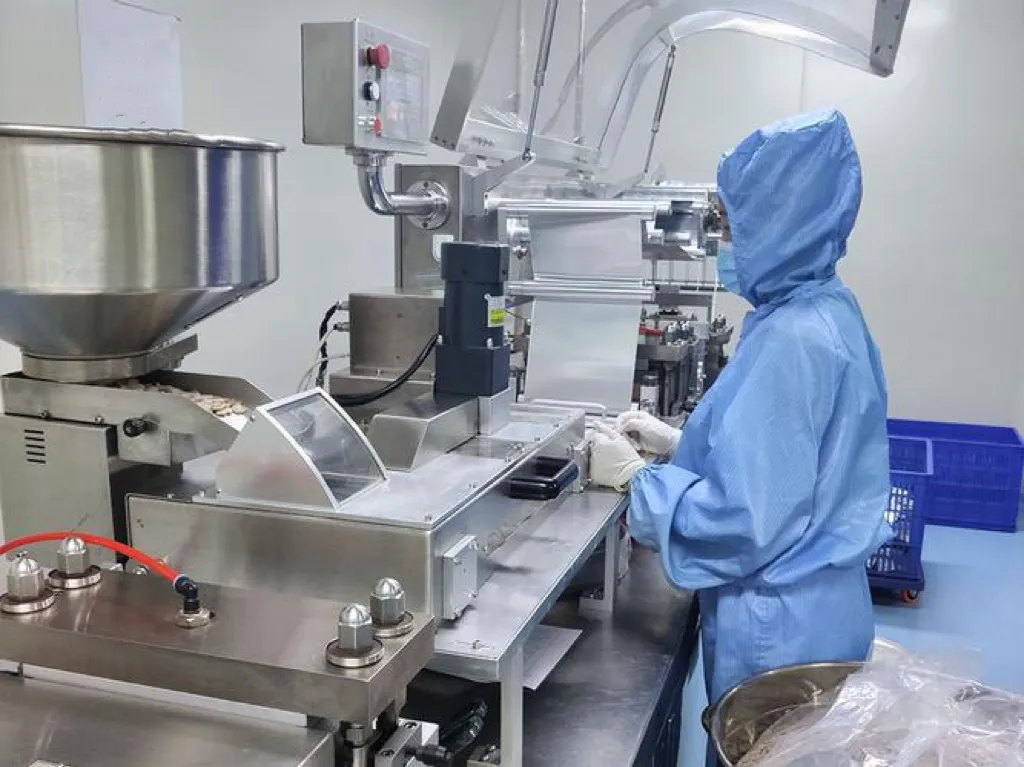
The manufacturing of liquid puppy vitamins involves a complex interplay of material science and process control. Raw materials typically include water-soluble vitamins (B-complex, C), fat-soluble vitamins (A, D, E, K) encapsulated within a carrier oil system, essential minerals (calcium, phosphorus, iron, zinc), and palatability enhancers (often derived from animal protein hydrolysates). The physical properties of these components are crucial. Vitamin stability is heavily influenced by pH, oxidation potential, and exposure to ultraviolet light. Manufacturing processes commonly employ multi-step blending, microencapsulation (to protect vitamins from degradation), and sterilization techniques.
The carrier oil component, frequently a medium-chain triglyceride (MCT) oil, plays a critical role in vitamin solubility and absorption. MCT oils exhibit high purity and minimal lipid peroxidation. Water quality is paramount, requiring deionization and sterilization to eliminate potential contaminants. Mixing parameters – shear rate, blending time, and temperature – are carefully controlled to ensure homogenous distribution of vitamins and prevent localized degradation. Packaging utilizes amber-colored glass or high-density polyethylene (HDPE) bottles with airtight closures to minimize light exposure and oxygen ingress. Quality control procedures include high-performance liquid chromatography (HPLC) for vitamin quantification, microbial testing for sterility, and viscosity measurements to ensure product consistency. Formulation pH is tightly regulated (typically between 6.0 and 7.0) to optimize vitamin stability and minimize gastrointestinal irritation in puppies.
Performance & Engineering
The performance of liquid puppy vitamins is directly linked to their bioavailability and the physiological needs of the developing puppy. Force analysis centers on the shear stress imposed during swallowing, which impacts the release of vitamins from the carrier oil. Environmental resistance is primarily focused on maintaining vitamin potency during storage and transport, requiring robust packaging and temperature control. Compliance requirements are dictated by veterinary pharmaceutical regulations (e.g., FDA guidelines in the US, EMA regulations in Europe), demanding rigorous quality control and labeling accuracy.
From an engineering standpoint, the formulation’s viscosity is a critical parameter. Too high a viscosity can hinder administration via syringe or mixing with food, while too low a viscosity can lead to settling of vitamin precipitates. Palatability engineering aims to mask any inherent bitterness of vitamins through the addition of flavorings (e.g., chicken liver hydrolysate, beef broth) and sweeteners. Biofilm formation within the bottle, potentially leading to microbial contamination, is mitigated through the inclusion of antimicrobial preservatives (e.g., potassium sorbate) and the use of sterilized packaging. Dosage accuracy, verified through volumetric dispensing systems, is essential to prevent over- or under-supplementation. The carrier oil's digestibility is also an engineering consideration; MCT oil is preferred due to its ease of absorption and minimal impact on gut microbiota.
Technical Specifications
| Parameter | Unit | Typical Value | Acceptance Criteria |
|---|---|---|---|
| Vitamin A Potency | IU/mL | 500 | 450-550 |
| Vitamin D3 Potency | IU/mL | 100 | 90-110 |
| Vitamin E Potency | IU/mL | 25 | 20-30 |
| Vitamin C Potency | mg/mL | 10 | 8-12 |
| B-Complex (Total) | mg/mL | 5 | 4-6 |
| pH | - | 6.5 | 6.0 - 7.0 |
Failure Mode & Maintenance
Failure modes in liquid puppy vitamins can range from loss of potency to microbial contamination. Vitamin degradation, primarily oxidation and hydrolysis, is a significant concern, particularly for fat-soluble vitamins. Exposure to oxygen, light, and elevated temperatures accelerates these processes. Another common failure mode is precipitation of vitamins from the solution, resulting in inaccurate dosage delivery. This can occur due to temperature fluctuations or improper mixing. Microbial contamination, though less frequent with sterile manufacturing processes, can lead to spoilage and potential health risks for puppies.
Maintenance strategies center on proper storage and handling. Refrigeration (2-8°C) is recommended to slow down degradation processes. The product should be protected from direct sunlight and stored in a cool, dry place. The bottle should be tightly sealed after each use to minimize oxygen exposure. Regular visual inspection for signs of cloudiness or precipitation is crucial. If any abnormalities are observed, the product should be discarded. Preventative maintenance on manufacturing equipment, including HPLC systems and sterilization autoclaves, is essential to maintain product quality. Implementing a robust First-Expired-First-Out (FEFO) inventory management system minimizes the risk of using expired products. Failure analysis of returned products should be conducted to identify root causes of failures and implement corrective actions.
Industry FAQ
Q: What is the optimal carrier oil for maximizing vitamin absorption in these formulations?
A: Medium-chain triglyceride (MCT) oil is generally considered optimal. Its shorter chain length facilitates rapid absorption through the intestinal lymphatic system, bypassing the need for bile salts. MCT oil also exhibits higher oxidative stability compared to long-chain triglycerides, preserving vitamin potency.
Q: How do you ensure the long-term stability of fat-soluble vitamins in a liquid formulation?
A: Stability is ensured through several strategies: microencapsulation of vitamins to protect them from oxidation, the addition of antioxidants (e.g., tocopherols), use of amber-colored packaging to block UV light, and maintaining a slightly acidic pH to minimize hydrolysis. Rigorous stability testing is also conducted to determine shelf life.
Q: What are the key considerations regarding palatability when formulating liquid puppy vitamins?
A: Palatability is paramount for ensuring consistent intake. Flavorings derived from animal protein hydrolysates (e.g., chicken liver) are commonly used to mask any bitter taste. Sweeteners, such as glycerin, can also enhance palatability. Formulation viscosity should be optimized for ease of administration and mixing with food.
Q: What quality control tests are essential for ensuring the safety and efficacy of these products?
A: Essential tests include HPLC analysis for vitamin quantification, microbial testing for sterility, pH measurement, viscosity measurement, and heavy metal analysis. Batch-to-batch consistency is rigorously monitored. Testing for mycotoxins is also critical, especially if ingredients are sourced from agricultural products.
Q: How does the manufacturing process address the potential for vitamin precipitation?
A: Precipitation is minimized through precise control of mixing parameters (shear rate, temperature), the use of appropriate solubilizers, and maintaining a stable pH. Filtration processes are employed to remove any particulate matter that could act as nucleation sites. Regular monitoring of solution clarity is also crucial.
Conclusion
Liquid puppy vitamins represent a sophisticated approach to neonatal canine nutritional support. Their efficacy hinges on the careful selection of raw materials, precise control of manufacturing processes, and robust quality control measures. The ability to deliver pre-dissolved vitamins directly facilitates enhanced bioavailability and addresses the specific physiological needs of growing puppies. Maintaining product stability, ensuring palatability, and adhering to stringent regulatory requirements are paramount concerns throughout the entire product lifecycle.
Future advancements may focus on developing novel encapsulation techniques to further enhance vitamin protection, utilizing more sustainable packaging materials, and incorporating personalized nutrition approaches based on breed-specific needs. Continued research into the optimal vitamin ratios and delivery methods will be crucial for maximizing the health benefits of these formulations and contributing to the well-being of the next generation of canine companions.
Latest news
Copyright © 2026
Dingzhou Kangquan Pharmaceutical Co., Ltd. All Rights Reserved. Sitemap | Privacy
Policy


