
Apr . 01, 2024 17:55 Back to list
medication for poultry Performance Analysis

Introduction
Poultry medication encompasses a diverse range of pharmaceutical and biological products utilized to prevent and treat diseases in domesticated birds, primarily chickens, turkeys, ducks, and geese. Its technical position within the agricultural supply chain is critical, bridging veterinary science, animal nutrition, and food safety. Effective medication strategies are fundamental to maintaining flock health, optimizing production efficiency (meat and egg yield), and minimizing economic losses due to morbidity and mortality. Core performance metrics revolve around bioavailability – the extent to which the active pharmaceutical ingredient (API) reaches the target site within the bird – efficacy against specific pathogens, withdrawal times to ensure food product safety, and minimizing the development of antimicrobial resistance. The industry faces increasing pressure to reduce reliance on prophylactic antibiotic use, driving innovation in vaccine development, nutritional immunology, and alternative therapies. This guide provides a detailed exploration of the material science, manufacturing processes, performance characteristics, failure modes, and industry standards related to poultry medication.
Material Science & Manufacturing
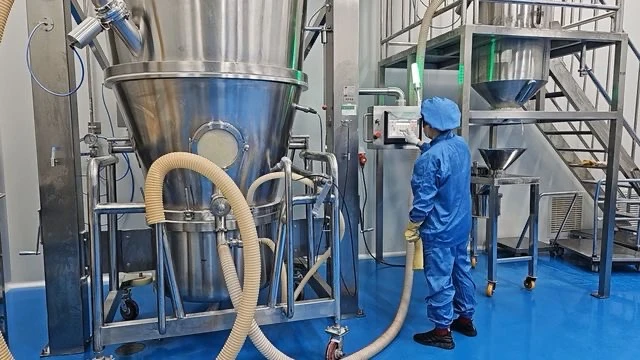
The formulation of poultry medication relies heavily on material science principles to ensure drug stability, palatability, and effective delivery. Active Pharmaceutical Ingredients (APIs) vary widely, from synthetic antibiotics like tetracyclines and fluoroquinolones, to antiparasitic compounds such as ivermectin, and biological agents like viral vaccines. These APIs are often combined with excipients – inactive ingredients that facilitate formulation and administration. Common excipients include diluents (e.g., lactose, microcrystalline cellulose), binders (e.g., polyvinylpyrrolidone), disintegrants (e.g., croscarmellose sodium), lubricants (e.g., magnesium stearate), and flavoring agents to improve palatability. Manufacturing processes vary depending on the dosage form. Powdered medications are typically produced via milling, blending, and granulation to ensure particle size uniformity for accurate dosing. Liquid formulations involve dissolving or suspending the API in a suitable solvent, often with viscosity modifiers and preservatives. Premixes, widely used in feed, require precise blending of the API with a carrier substance (e.g., calcium carbonate, wheat bran) using ribbon blenders or paddle mixers. Vaccines are manufactured using complex biotechnological processes involving cell culture, viral propagation, inactivation (for killed vaccines), or attenuation (for live vaccines), followed by lyophilization (freeze-drying) for stability. Critical parameter control includes API purity, excipient quality, blending homogeneity, particle size distribution, moisture content, and sterilization procedures. Maintaining aseptic conditions is paramount during vaccine production to prevent contamination.
Performance & Engineering
The performance of poultry medication is fundamentally linked to pharmacokinetic (PK) and pharmacodynamic (PD) principles. PK describes the absorption, distribution, metabolism, and excretion (ADME) of the drug within the bird’s system. Factors influencing absorption include the drug’s solubility, particle size, gastrointestinal pH, and gut motility. Distribution is affected by blood flow, protein binding, and tissue permeability. Metabolism, primarily in the liver, can alter drug activity and elimination rate. Excretion occurs through feces, urine, and respiratory pathways. PD relates to the drug’s effects on the target pathogen or physiological process. Antibiotics, for example, exert their effect by inhibiting bacterial cell wall synthesis or protein synthesis. Vaccines stimulate the immune system to produce antibodies and cellular immunity. Environmental resistance concerns include drug degradation due to temperature, humidity, and UV exposure. Compliance with regulatory requirements (e.g., Maximum Residue Limits – MRLs) is critical to ensure food safety. Withdrawal times must be strictly adhered to prevent drug residues in meat and eggs. Engineering considerations include the design of dispensing systems (e.g., automated feeders, drinking water medicators) to ensure accurate and consistent dosing. Bioavailability studies, using techniques like high-performance liquid chromatography (HPLC) and mass spectrometry (MS), are essential to verify drug concentrations in target tissues and fluids.
Technical Specifications
| API Concentration | Dosage Form | Withdrawal Period (Meat) | Withdrawal Period (Eggs) | Solubility (Water) | Storage Temperature |
|---|---|---|---|---|---|
| 500 mg/g | Premix | 7 days | 0 days | Slightly Soluble | 2-8°C |
| 100 mg/mL | Soluble Liquid | 5 days | 3 days | Fully Soluble | 15-25°C |
| 200 mg/kg | Feed Additive | 3 days | 0 days | Low Solubility | Room Temperature |
| 106 CFU/dose | Lyophilized Vaccine | 0 days | 0 days | Reconstitutable | 2-8°C (Refrigerated) |
| 25% w/w | Injectable Solution | 14 days | 7 days | Fully Soluble | 2-8°C |
| 10 mg/mL | Oral Paste | 7 days | 3 days | Dispersible | Room Temperature |
Failure Mode & Maintenance
Failure modes in poultry medication can manifest as reduced efficacy, drug degradation, or adverse reactions. Reduced efficacy can stem from antimicrobial resistance, inaccurate dosing, or poor bioavailability. Antimicrobial resistance develops through genetic mutations in pathogens, leading to decreased susceptibility to antibiotics. Inaccurate dosing can occur due to improper mixing of premixes, malfunctioning dispensing equipment, or variations in bird weight. Drug degradation can result from exposure to heat, light, or moisture, leading to decreased API potency. Adverse reactions can include allergic responses, gastrointestinal upset, or organ damage. Common failure modes specific to vaccines include loss of viability due to improper storage (temperature excursions), inactivation of the virus by environmental factors, or inadequate immune response in the bird. Maintenance strategies include implementing robust quality control procedures throughout the manufacturing process, proper storage and handling of medications, regular calibration of dispensing equipment, and monitoring for antimicrobial resistance patterns. Regular veterinary check-ups and diagnostic testing can help identify and address potential problems early. Following strict sanitation protocols in poultry houses can minimize pathogen load and reduce the need for medication. Proper disposal of expired or unused medications is also crucial to prevent environmental contamination and the development of resistance.
Industry FAQ
Q: What are the key considerations when selecting between a water-soluble and a feed-based medication?
A: Water-soluble medications offer rapid absorption and are particularly useful for treating acute infections or providing immediate relief. However, they are susceptible to degradation in water (particularly with UV exposure) and require consistent water consumption by the birds to ensure adequate dosing. Feed-based medications provide more uniform dosing and are less prone to degradation, but absorption is slower and can be affected by feed intake variations and the presence of other feed ingredients.
Q: How do you ensure the uniformity of antibiotic concentration in a poultry feed premix?
A: Uniformity is achieved through meticulous mixing procedures using validated equipment (e.g., ribbon blenders, paddle mixers). This involves careful weighing of ingredients, sequential addition of components, and sufficient mixing time to achieve homogeneity. Regular quality control testing, including sampling from multiple points within the batch and analyzing for antibiotic concentration, is essential.
Q: What steps are taken to prevent the development of antimicrobial resistance on a poultry farm?
A: A comprehensive antimicrobial stewardship program is crucial. This includes restricting antibiotic use to cases where it is medically necessary, using narrow-spectrum antibiotics whenever possible, rotating antibiotic classes, and implementing biosecurity measures to prevent disease outbreaks. Promoting good hygiene, vaccination programs, and optimizing bird nutrition can also reduce the need for antibiotics.
Q: What is the significance of withdrawal periods for poultry medications?
A: Withdrawal periods are established to ensure that drug residues in meat and eggs are below established Maximum Residue Limits (MRLs) to protect human health. Failure to adhere to withdrawal periods can result in food safety violations and potential health risks for consumers. Regulatory agencies strictly enforce these periods.
Q: How are vaccine failures investigated and what preventative measures can be implemented?
A: Vaccine failures are investigated by analyzing flock history, assessing vaccine storage and handling procedures, and performing serological testing to determine antibody levels in the birds. Potential causes include improper vaccine administration, maternal antibody interference, immunosuppression, or a mismatch between the vaccine strain and the circulating field strain. Preventative measures include ensuring proper vaccine storage and handling, using appropriate vaccination techniques, and selecting vaccines that are effective against local strains.
Conclusion
The effective application of medication in poultry production is a complex undertaking, requiring a deep understanding of pharmaceutical principles, material science, and veterinary medicine. Maintaining flock health and optimizing production efficiency depend on careful selection of appropriate medications, precise dosing, and adherence to regulatory guidelines. The growing concern over antimicrobial resistance necessitates a shift towards preventative strategies, including vaccination, biosecurity, and improved husbandry practices.
Future advancements in poultry medication will likely focus on developing novel therapeutic agents, improving drug delivery systems (e.g., nano-encapsulation), and utilizing precision livestock farming technologies to monitor bird health and tailor medication regimens to individual needs. Continued research and innovation are essential to address the evolving challenges facing the poultry industry and ensure a safe and sustainable food supply.
Latest news
Copyright © 2026
Dingzhou Kangquan Pharmaceutical Co., Ltd. All Rights Reserved. Sitemap | Privacy
Policy


