
Apr . 01, 2024 17:55 Back to list
medicine for chicken colds Manufacturing Analysis
Introduction
Avian respiratory disease, commonly referred to as the “chicken cold,” represents a significant economic burden on the poultry industry globally. While often a colloquial term, it encompasses a range of infectious and non-infectious etiologies resulting in similar clinical signs: nasal discharge, coughing, sneezing, and reduced feed intake. The therapeutic intervention commonly known as 'medicine for chicken colds' is rarely a single entity, but a spectrum of pharmaceuticals – antibiotics, antivirals, mucolytics, and anti-inflammatory agents – administered individually or in combination. This technical guide provides an in-depth analysis of these medicinal interventions, encompassing their chemical composition, manufacturing processes, efficacy, potential failure modes, and relevant industry standards. Understanding the complexities of treating avian respiratory disease is paramount for poultry veterinarians, producers, and pharmaceutical manufacturers aiming to optimize flock health and minimize economic losses. The position of these medications within the supply chain involves API (Active Pharmaceutical Ingredient) sourcing, formulation, quality control, and distribution adhering to stringent veterinary pharmaceutical regulations.
Material Science & Manufacturing
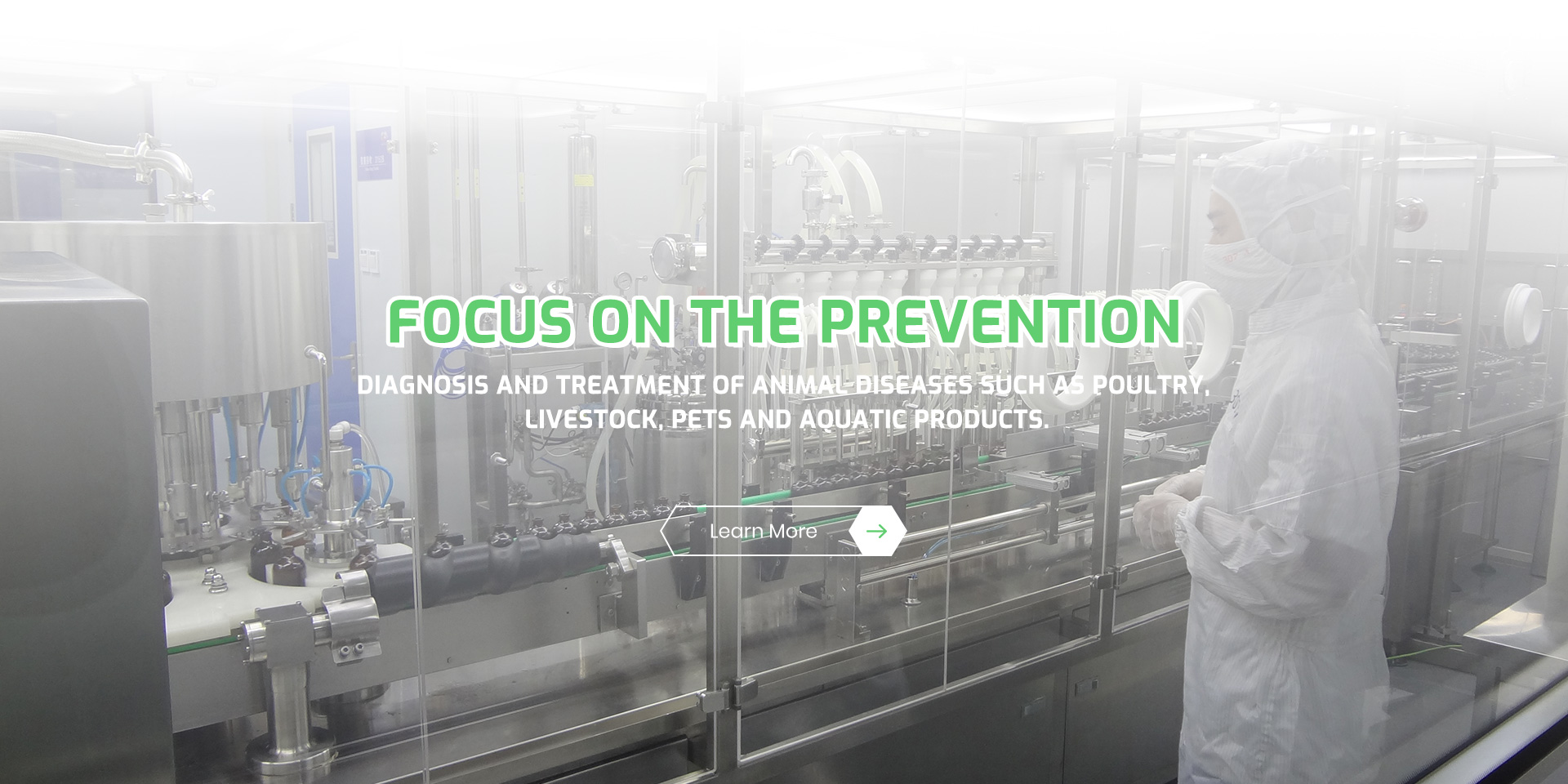
The composition of 'medicine for chicken colds' varies widely, but common components include antibiotics (e.g., tetracyclines, macrolides, fluoroquinolones), antiviral compounds (e.g., amantadine, interferon inducers), mucolytics (e.g., bromhexine), anti-inflammatory drugs (e.g., NSAIDs), vitamins (e.g., Vitamin C, Vitamin A), and carrier substances. Antibiotics, for example, typically rely on fermentation processes employing bacterial strains engineered for high yield of the desired compound. Tetracycline production utilizes Streptomyces species, while macrolides are derived from Saccharopolyspora erythraea. Post-fermentation, rigorous purification steps including solvent extraction, crystallization, and chromatography are essential to obtain pharmaceutical-grade API. Formulation involves combining the API with excipients – diluents (e.g., lactose, starch), binders (e.g., polyvinylpyrrolidone), disintegrants (e.g., croscarmellose sodium), lubricants (e.g., magnesium stearate), and flavoring agents – to ensure stable dosage forms like powders for oral administration, soluble liquids, or injectable solutions. Manufacturing processes are highly regulated; key parameters include particle size distribution of the API (influencing dissolution rate), moisture content (affecting stability), and homogeneity of the blend. Quality control involves HPLC (High-Performance Liquid Chromatography) for API purity assessment, microbiological testing to ensure sterility (for injectables), and dissolution testing to verify drug release profiles. Chemical compatibility between the API and excipients is crucial to prevent degradation or formation of toxic byproducts. For example, tetracyclines are known to chelate with divalent cations (Ca2+, Mg2+) reducing their bioavailability, necessitating formulation strategies to mitigate this interaction.

Performance & Engineering
The performance of 'medicine for chicken colds' is evaluated based on pharmacokinetic (PK) and pharmacodynamic (PD) parameters. PK studies determine the absorption, distribution, metabolism, and excretion (ADME) of the drug in chickens. Factors influencing absorption include gut motility, feed composition, and drug solubility. Distribution depends on blood flow, tissue binding, and permeability of biological membranes. Metabolism primarily occurs in the liver via cytochrome P450 enzymes. Excretion is primarily through the kidneys and feces. PD studies assess the drug's effect on the target pathogen or host immune response. For antibiotics, this involves determining the Minimum Inhibitory Concentration (MIC) and Minimum Bactericidal Concentration (MBC) against relevant bacterial isolates (e.g., Mycoplasma gallisepticum, Pasteurella multocida). Engineering considerations include dosage form design to optimize drug delivery. For instance, sustained-release formulations can provide prolonged therapeutic concentrations, reducing the frequency of administration. Environmental resistance is also a key concern. Antibiotic residues in poultry litter can contribute to the development of antimicrobial resistance in the environment. Compliance requirements, such as withdrawal periods (the time required for drug residues to fall below acceptable levels in meat and eggs) are mandated by regulatory authorities to ensure food safety. Force analysis is relevant in the context of injectable formulations, where needle gauge and injection volume impact tissue trauma and drug absorption.
Technical Specifications
| API Purity (HPLC) | Moisture Content (% w/w) | Particle Size (µm) | Dissolution Rate (% after 30 min) |
|---|---|---|---|
| >99.0% | < 2.0% | 10-50 | >80% |
| >98.5% | < 3.0% | 5-25 | >75% |
| >97.0% | < 5.0% | 20-80 | >60% |
| >95.0% | < 7.0% | 30-100 | >50% |
| >90.0% | < 10.0% | 50-150 | >40% |
| >85.0% | < 12.0% | 100-200 | >30% |
Failure Mode & Maintenance
Failure modes of 'medicine for chicken colds' can be categorized as drug-related, formulation-related, or administration-related. Drug-related failures include antibiotic resistance, where bacterial strains develop mechanisms to evade the drug’s effects (e.g., enzymatic degradation, target modification, efflux pumps). Formulation-related failures encompass instability (degradation of API due to hydrolysis, oxidation, or photolysis), poor solubility (limiting bioavailability), and inconsistent dosage delivery. Administration-related failures involve incorrect dosage, improper injection technique (leading to local reactions or systemic toxicity), and inadequate treatment duration. Common failure analysis techniques include HPLC to detect API degradation products, microbiological assays to assess antibiotic potency, and microscopic examination to identify injection site lesions. Preventive maintenance involves proper storage conditions (temperature, humidity, light exposure), regular equipment calibration (HPLC instruments, analytical balances), and adherence to Good Manufacturing Practices (GMP). For antibiotics, implementing antimicrobial stewardship programs – restricting antibiotic use to necessary cases, employing combination therapies, and monitoring resistance patterns – is crucial to prolong their effectiveness. Routine monitoring of flock health and early detection of respiratory disease outbreaks are also essential for optimizing treatment outcomes. Addressing underlying factors that compromise immune function (e.g., poor ventilation, overcrowding, nutritional deficiencies) can reduce susceptibility to infection and minimize reliance on pharmaceuticals.
Industry FAQ
Q: What is the impact of different feed formulations on the bioavailability of tetracycline antibiotics administered in drinking water?
A: Feed formulations high in calcium and magnesium can significantly reduce tetracycline bioavailability. These divalent cations form insoluble complexes with tetracycline in the gastrointestinal tract, preventing absorption. Supplementation with EDTA (ethylenediaminetetraacetic acid), a chelating agent, can help mitigate this interaction by binding the divalent cations. Alternatively, switching to a feed with lower calcium and magnesium content or administering the antibiotic at a different time relative to feeding can improve bioavailability.
Q: How do different injection sites affect the absorption rate of injectable antibiotic solutions?
A: Intramuscular injections in the pectoral muscle generally result in faster absorption rates compared to subcutaneous injections in the neck region. Pectoral muscle has greater blood flow and allows for quicker diffusion of the drug into circulation. However, intramuscular injections can also cause more local pain and tissue damage. Injection volume and needle gauge also play a role; larger volumes and smaller gauge needles may increase the risk of tissue trauma and inflammation, potentially delaying absorption.
Q: What quality control tests are essential to ensure the stability of a liquid antibiotic formulation during storage?
A: Key quality control tests include HPLC to monitor API degradation, pH measurement to assess acidity/alkalinity changes, viscosity measurement to detect changes in formulation consistency, and microbiological testing to confirm sterility. Stability studies should be conducted under accelerated aging conditions (e.g., elevated temperature and humidity) to predict shelf life.
Q: What are the primary mechanisms of antibiotic resistance observed in Mycoplasma gallisepticum infections?
A: Mycoplasma gallisepticum exhibits resistance through several mechanisms, including mutations in the ribosomal target site of macrolides and tetracyclines, decreased drug uptake due to alterations in membrane permeability, and enzymatic inactivation of antibiotics. Horizontal gene transfer also contributes to the spread of resistance genes.
Q: What are the regulatory considerations regarding withdrawal periods for different antibiotics used in poultry?
A: Withdrawal periods are established by regulatory agencies (e.g., FDA in the US, EFSA in Europe) based on residue depletion studies. These studies determine the time required for antibiotic residues in meat and eggs to fall below established Maximum Residue Limits (MRLs). Failure to adhere to withdrawal periods can result in the detection of illegal drug residues in food products, leading to penalties and trade restrictions.
Conclusion
The effective management of ‘medicine for chicken colds’ demands a comprehensive understanding of the underlying principles of pharmaceutical science, avian physiology, and disease pathogenesis. From the intricacies of API manufacturing and formulation to the complexities of pharmacokinetic and pharmacodynamic interactions, a meticulous approach is essential for optimizing treatment outcomes and minimizing the emergence of antimicrobial resistance. The selection of appropriate medications, dosage regimens, and administration routes must be tailored to the specific etiology of the respiratory disease, the age and health status of the birds, and prevailing regulatory requirements.
Future advancements in poultry health will likely focus on preventative strategies, such as vaccine development, improved biosecurity measures, and the use of immunostimulants to enhance innate immunity. Furthermore, the development of novel antibiotic alternatives, including bacteriophages and antimicrobial peptides, holds promise for addressing the growing challenge of antibiotic resistance. Continued research and collaboration between veterinarians, pharmaceutical scientists, and poultry producers are crucial for ensuring the long-term sustainability of the poultry industry.
Latest news
Copyright © 2026
Dingzhou Kangquan Pharmaceutical Co., Ltd. All Rights Reserved. Sitemap | Privacy
Policy


