
Apr . 01, 2024 17:55 Back to list
medicine for chicken diarrhea Performance Engineering
Introduction
Medicated feed additives and supplemental treatments for the control of diarrhea in poultry, specifically chickens, represent a crucial aspect of modern poultry production. Diarrhea in chickens is a complex syndrome resulting from numerous etiologies, including bacterial infections ( Salmonella, Clostridium perfringens), parasitic infestations (Coccidia), viral agents (rotavirus, coronavirus), nutritional imbalances, and stress. The economic impact is significant, manifested in reduced weight gain, decreased feed conversion ratios, increased mortality, and potential condemnation of carcasses at processing. This guide provides an in-depth technical overview of medications used to manage chicken diarrhea, focusing on mechanisms of action, formulation considerations, resistance development, and proper administration protocols. It addresses the need for a nuanced understanding beyond simple symptomatic treatment, encompassing preventative measures and diagnostic approaches. The objective is to equip industry professionals – veterinarians, poultry health managers, and feed formulators – with the knowledge necessary to implement effective and sustainable control strategies.
Material Science & Manufacturing
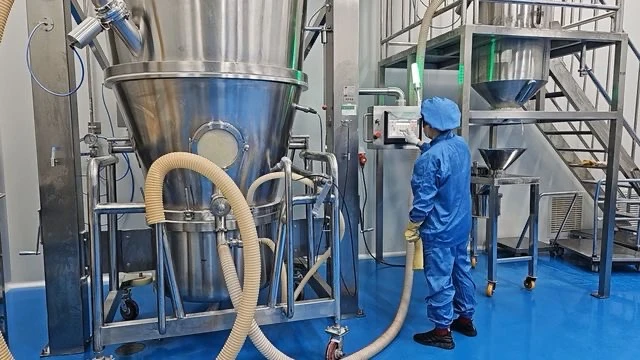
The manufacturing of medications for chicken diarrhea involves diverse chemical entities and delivery systems. Key active pharmaceutical ingredients (APIs) include ionophores (monensin, lasalocid), antibiotics (bacitracin, neomycin, chlortetracycline), coccidiostats (amprolium, diclazuril), and probiotics ( Bacillus species, Lactobacillus species). Ionophores, for instance, are polyether antibiotics that disrupt ion transport across cell membranes of target pathogens, particularly Coccidia. Their synthesis often involves complex organic chemistry processes, requiring precise control of reaction conditions to achieve high purity. Antibiotics are typically produced via fermentation processes utilizing microorganisms, followed by purification and crystallization. Coccidiostats are synthesized through multi-step chemical reactions, demanding stringent quality control measures to ensure consistent efficacy. Probiotics are cultivated through controlled fermentation, with lyophilization (freeze-drying) being a common method for preserving viability and extending shelf life. Formulation science plays a vital role; APIs are often incorporated into premixes, granular carriers, or soluble powders to facilitate accurate dosage and uniform distribution within feed. Encapsulation technologies are also employed to protect APIs from degradation in the gastrointestinal tract and ensure targeted release. Material compatibility studies are essential, evaluating the interaction between APIs, carriers, and packaging materials to maintain product stability and prevent chemical reactions. Raw material sourcing and adherence to Good Manufacturing Practices (GMP) are paramount to ensure product safety and quality.
Performance & Engineering
The performance of medications for chicken diarrhea is governed by pharmacokinetic and pharmacodynamic principles. Pharmacokinetics – absorption, distribution, metabolism, and excretion (ADME) – dictate the concentration of the API at the site of infection. Bioavailability, a critical parameter, is influenced by factors such as feed particle size, gut motility, and the presence of other feed ingredients. Distribution depends on the API’s lipophilicity and protein binding affinity. Metabolism, primarily occurring in the liver, can activate or inactivate the API. Excretion pathways include feces and urine. Pharmacodynamics describes the relationship between drug concentration and its effect on the pathogen. Understanding the Minimal Inhibitory Concentration (MIC) and Minimal Bactericidal Concentration (MBC) for susceptible bacteria is crucial. Resistance development is a significant concern; prolonged or sub-therapeutic use of antibiotics can select for resistant strains. Engineering aspects encompass dosage form design, aiming for optimal drug release and sustained efficacy. Mathematical modeling (compartmental analysis) is used to predict drug concentrations in different tissues over time. Environmental resistance, particularly degradation by UV light and humidity, must be addressed through appropriate packaging and storage conditions. Regulatory compliance requires demonstrating efficacy and safety through controlled clinical trials and residue monitoring programs. Force analysis on feed handling systems must account for the varying particle sizes and flow characteristics of medicated feed to ensure uniform distribution and prevent segregation.
Technical Specifications
| API | Mechanism of Action | Typical Dosage (ppm) | Withdrawal Period (days) |
|---|---|---|---|
| Monensin | Ionophore – Disrupts ion transport in Coccidia. | 90-120 | 7 |
| Bacitracin Methylenedisalicyclate | Inhibits peptidoglycan synthesis in Gram-positive bacteria. | 50-100 | 5 |
| Amprolium | Competitive inhibition of thiamine uptake in Coccidia. | 100-200 | 5 |
| Diclazuril | Interferes with mitochondrial function in Coccidia. | 0.5 - 1.0 | 5 |
| Neomycin Sulfate | Aminoglycoside antibiotic – Inhibits protein synthesis. | 50-100 | 7 |
| Chlortetracycline | Broad-spectrum tetracycline antibiotic – Inhibits protein synthesis. | 50-200 | 8 |
Failure Mode & Maintenance
Failure modes in medication efficacy for chicken diarrhea are multifaceted. Decreased efficacy can stem from pathogen resistance (e.g., Coccidia developing resistance to ionophores), incorrect dosage (under- or overdosing), poor feed mixing resulting in uneven API distribution, degradation of the API due to heat, moisture, or light exposure, and compromised gut health hindering absorption. Feed segregation, where heavier particles settle, leads to inconsistent intake. Formulation instability, such as API precipitation or interaction with feed components, reduces bioavailability. Furthermore, concurrent infections or nutritional deficiencies can diminish the therapeutic response. Maintenance strategies include implementing robust biosecurity measures to minimize pathogen exposure, regularly monitoring pathogen susceptibility patterns, rotating different classes of medications to delay resistance development, optimizing feed formulation to enhance gut health (e.g., incorporating prebiotics and enzymes), and ensuring proper storage of medicated feed in cool, dry conditions. Routine feed mill audits are crucial to verify accurate weighing and mixing procedures. Regular water line sanitation prevents biofilm formation, which can harbor pathogens and interfere with medication delivery. Veterinary oversight is essential for accurate diagnosis, appropriate medication selection, and monitoring treatment outcomes. Preventative coccidiosis vaccination programs can also reduce reliance on in-feed medications.
Industry FAQ
Q: What is the primary difference between using an ionophore and an antibiotic for controlling Coccidia in a broiler flock?
A: Ionophores, like Monensin, specifically target the parasite’s ion transport mechanisms, disrupting their life cycle without directly killing bacteria. Antibiotics, while potentially impacting Coccidia indirectly by reducing secondary bacterial infections, have a broader spectrum of activity and contribute to antibiotic resistance pressure. Ionophores are generally preferred for coccidiosis control due to their targeted action and lower risk of resistance development, however, the increasing incidence of ionophore resistance requires careful monitoring.
Q: How does feed particle size influence the efficacy of in-feed medications?
A: Feed particle size significantly impacts drug distribution and bioavailability. Finer particles offer a larger surface area for medication adherence, promoting more uniform distribution. However, excessively fine particles can lead to segregation during handling. Optimal particle size depends on the API and formulation, but generally, a consistent and moderately fine grind ensures adequate mixing and intake.
Q: What factors contribute to the development of antibiotic resistance in poultry?
A: Antibiotic resistance arises from genetic mutations in bacteria, often driven by selective pressure from antibiotic use. Sub-therapeutic dosing, prolonged treatment courses, and widespread use of antibiotics in feed and water contribute to resistance development. Poor biosecurity practices facilitate the spread of resistant strains. Horizontal gene transfer – the exchange of genetic material between bacteria – accelerates the dissemination of resistance genes.
Q: What is the role of probiotics in mitigating chicken diarrhea?
A: Probiotics, beneficial bacteria like Bacillus and Lactobacillus, colonize the gut, competing with pathogenic bacteria for nutrients and adhesion sites. They produce antimicrobial substances, enhance immune function, and improve gut barrier integrity. While not a standalone treatment for severe diarrhea, probiotics can serve as a preventative measure or adjunct therapy to reduce the severity and duration of outbreaks.
Q: What are the key considerations when selecting a coccidiostat for a specific poultry operation?
A: Selecting a coccidiostat requires considering the prevalence of Coccidia species and strains on the farm, the history of coccidiosis outbreaks, the cost-effectiveness of the medication, the withdrawal period, and any potential cross-resistance with other drugs. Rotation programs utilizing different classes of coccidiostats are crucial to prevent resistance. Veterinary consultation is essential to determine the most appropriate coccidiostat for the specific situation.
Conclusion
Effective management of chicken diarrhea necessitates a comprehensive approach encompassing preventative biosecurity measures, accurate diagnosis, judicious medication use, and optimized nutritional strategies. The selection of appropriate medications – ionophores, antibiotics, coccidiostats, and probiotics – requires a thorough understanding of their mechanisms of action, pharmacokinetic properties, and potential for resistance development. Consistent monitoring of pathogen susceptibility, coupled with adherence to Good Manufacturing Practices and regulatory guidelines, is paramount to ensuring treatment efficacy and minimizing the risk of antimicrobial resistance.
Future research should focus on developing novel therapeutic targets, enhancing drug delivery systems, and exploring alternative strategies, such as phage therapy and immune modulation, to combat chicken diarrhea more effectively and sustainably. The long-term health and economic viability of poultry production depend on responsible antimicrobial stewardship and a proactive approach to disease prevention.
Latest news
Copyright © 2026
Dingzhou Kangquan Pharmaceutical Co., Ltd. All Rights Reserved. Sitemap | Privacy
Policy


