
Apr . 01, 2024 17:55 Back to list
Medicine for chicken disease Formulation Analysis
Introduction
Avian therapeutics, broadly referred to as medicine for chicken disease, represent a critical segment within veterinary pharmaceutical production. This guide addresses the formulation, performance, and application of medicaments specifically designed for the prevention and treatment of diseases affecting Gallus gallus domesticus. The industry chain encompasses active pharmaceutical ingredient (API) synthesis, formulation development, quality control, regulatory compliance, and ultimately, administration to poultry flocks. Core performance indicators center on bioavailability, efficacy against target pathogens (bacteria, viruses, parasites), residue levels in meat and eggs, and the minimization of antimicrobial resistance development. Current industry pain points involve the increasing prevalence of antimicrobial resistance, stringent regulatory oversight concerning drug residues, and the economic impact of disease outbreaks on poultry production. This document provides an in-depth technical overview for procurement managers, veterinary scientists, and pharmaceutical manufacturing personnel involved in the avian health sector.
Material Science & Manufacturing
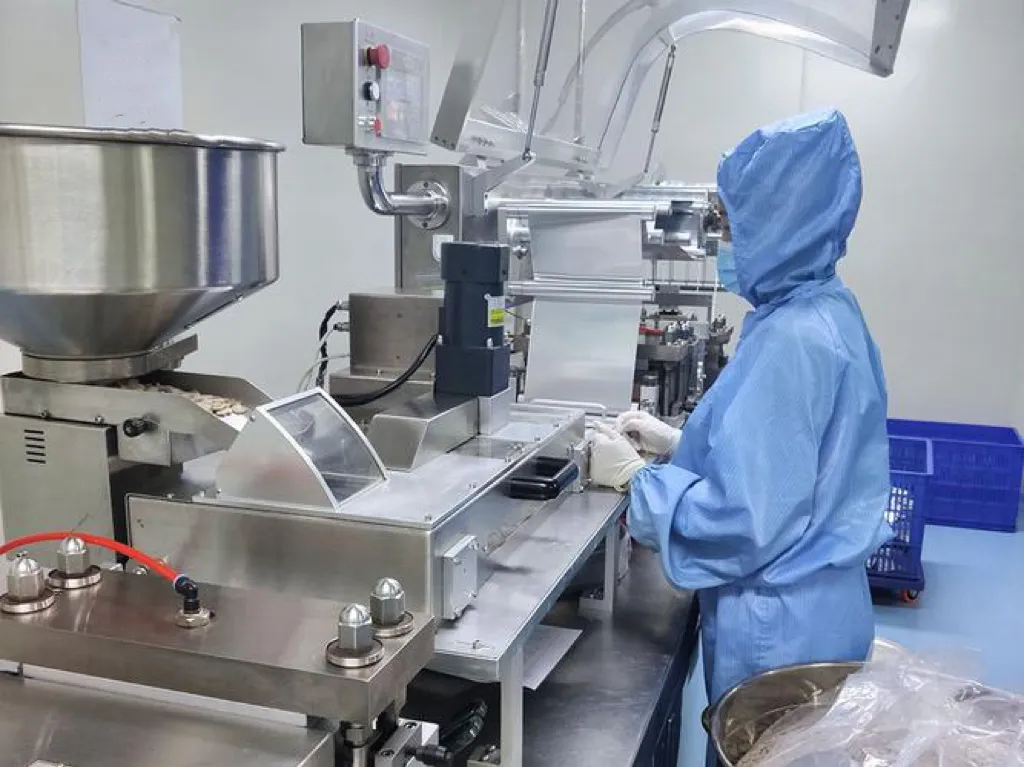
The manufacturing of medicine for chicken disease relies heavily on pharmaceutical-grade APIs, excipients, and advanced formulation technologies. Common APIs include antibiotics (e.g., tetracyclines, macrolides, fluoroquinolones), antiviral agents (e.g., amantadine, oseltamivir analogues), coccidiostats (e.g., amprolium, monensin), and anthelmintics (e.g., fenbendazole, ivermectin). Excipients play crucial roles in drug delivery and stability; these include diluents (e.g., lactose, microcrystalline cellulose), binders (e.g., polyvinylpyrrolidone), disintegrants (e.g., croscarmellose sodium), lubricants (e.g., magnesium stearate), and coating agents (e.g., hydroxypropyl methylcellulose). Manufacturing processes vary based on dosage form. Powders and premixes involve milling, blending, and granulation. Oral solutions require dissolution, sterilization, and quality control testing. Injectable formulations necessitate sterile filtration and aseptic filling. Granulation techniques – wet granulation and dry granulation – significantly influence particle size distribution and flowability, impacting tablet compression and capsule filling. Parameter control is paramount; temperature, humidity, mixing speed, and sterilization cycles must be meticulously monitored and validated to ensure product consistency and prevent degradation. The chemical compatibility of APIs with excipients is a critical consideration, evaluated through stability studies under accelerated conditions (e.g., 40°C/75% RH) and real-time storage.
Performance & Engineering
The performance of medicine for chicken disease is intricately linked to pharmacokinetic and pharmacodynamic principles. Bioavailability – the extent and rate at which the API reaches systemic circulation – is influenced by factors such as formulation, route of administration, and gut physiology of the chicken. Force analysis, particularly in tablet compression, determines tablet hardness, friability, and disintegration time. Environmental resistance is critical, encompassing stability under varying temperature and humidity conditions encountered during storage and transport. Compliance requirements are dictated by regulatory bodies such as the FDA (USA), EMA (Europe), and regional veterinary authorities. Functional implementation involves appropriate dosage calculation based on body weight, disease severity, and withdrawal periods to ensure food safety. For example, antibiotic dosage must consider the Minimum Inhibitory Concentration (MIC) of the target pathogen and the potential for residue accumulation in edible tissues. Delivery systems such as microencapsulation and nano-formulations are increasingly employed to enhance drug targeting, improve bioavailability, and reduce off-target effects. Understanding the physiological differences between various poultry breeds and age groups is vital for optimizing therapeutic efficacy and minimizing adverse reactions.
Technical Specifications
| API Purity (%) | Moisture Content (%) | Particle Size (µm) - D50 | Dissolution Rate (% in 30 mins) | Withdrawal Period (Eggs - Days) | Withdrawal Period (Meat - Days) |
|---|---|---|---|---|---|
| 99.5 | < 0.5 | 10-20 | >80 | 0 | 7 |
| 98.0 | <1.0 | 5-15 | >75 | 3 | 14 |
| 97.5 | <0.8 | 20-30 | >65 | 5 | 21 |
| 99.0 | <0.3 | 8-12 | >85 | 0 | 5 |
| 96.0 | <1.2 | 15-25 | >60 | 7 | 28 |
| 98.5 | <0.6 | 12-18 | >70 | 2 | 10 |
Failure Mode & Maintenance
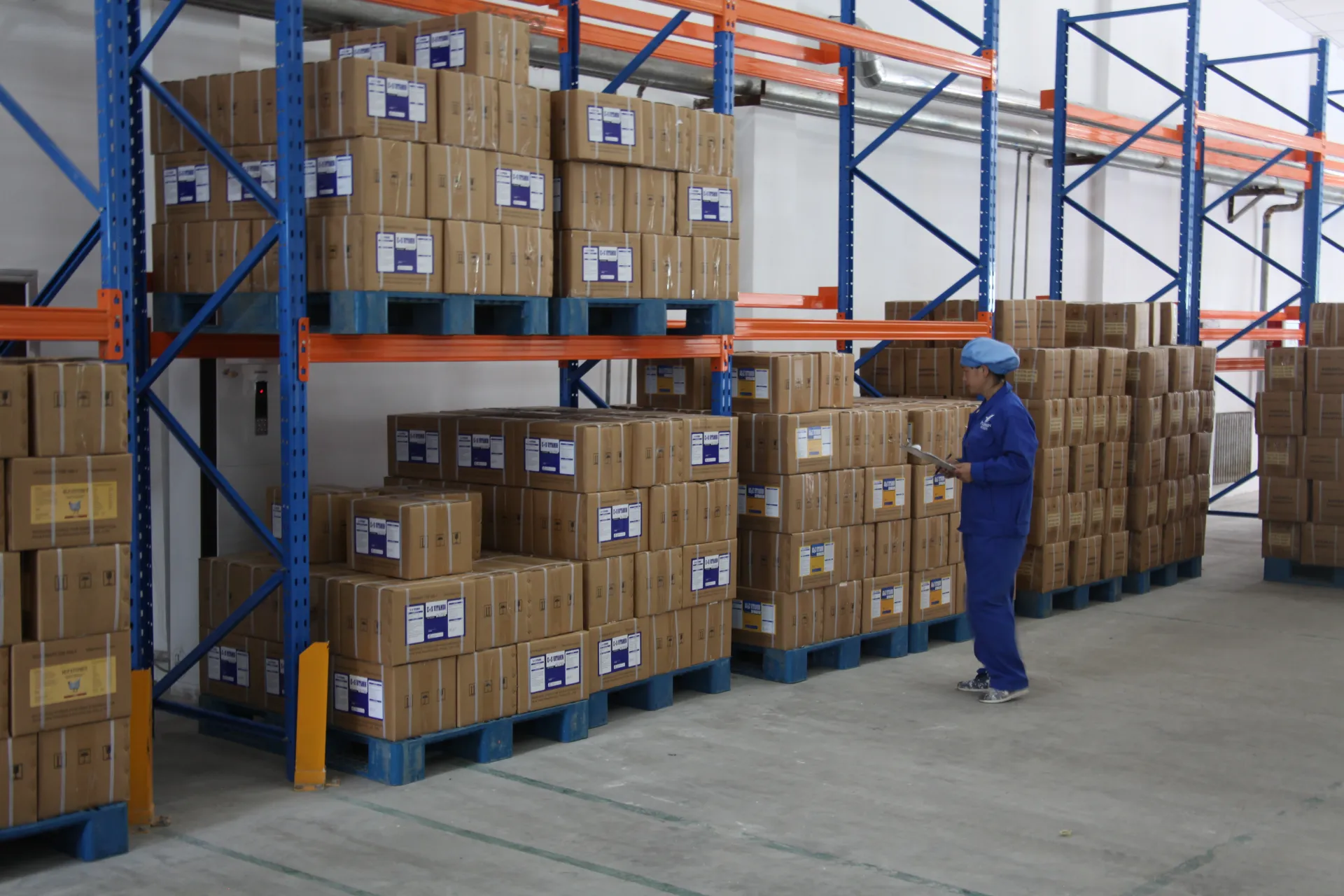
Failure modes in medicine for chicken disease can range from reduced efficacy to complete product failure. Common failures include degradation of the API due to exposure to moisture, light, or heat; physical instability leading to sedimentation or phase separation; and microbial contamination compromising sterility. Fatigue cracking can occur in tablet formulations due to improper compression or handling. Delamination of coating layers can affect drug release profiles. Oxidation of sensitive APIs can diminish potency. For injectable formulations, particulate matter formation poses a significant safety risk. Maintenance strategies involve strict adherence to Good Manufacturing Practices (GMP), implementing robust quality control procedures, and establishing validated storage conditions (temperature, humidity, light protection). Regular stability testing and microbial monitoring are essential. Equipment calibration and preventative maintenance minimize the risk of process deviations. Proper handling and disposal of expired or recalled products are crucial to prevent accidental exposure or environmental contamination. Implementing a comprehensive change control system ensures that any modifications to the formulation or manufacturing process are thoroughly evaluated and documented to maintain product quality and efficacy.
Industry FAQ
Q: What is the significance of API particle size distribution in oral formulations?
A: API particle size significantly influences dissolution rate, bioavailability, and uniformity of dosage. Smaller particles generally exhibit faster dissolution but can also lead to aggregation. Optimal particle size distribution is determined through formulation studies to maximize drug absorption and therapeutic efficacy.
Q: How are antimicrobial resistance patterns monitored and addressed in poultry therapeutics?
A: Antimicrobial resistance is monitored through routine susceptibility testing of bacterial isolates from poultry flocks. Addressing this involves implementing antimicrobial stewardship programs, utilizing alternative therapies (e.g., vaccines, probiotics), and adhering to responsible antibiotic use guidelines.
Q: What are the key considerations for ensuring the sterility of injectable formulations?
A: Sterility is ensured through validated sterilization processes (e.g., autoclaving, filtration), aseptic filling techniques, and rigorous quality control testing, including sterility testing according to pharmacopeial standards.
Q: How do withdrawal periods for medications impact poultry production and food safety?
A: Withdrawal periods are established to ensure that drug residues in meat and eggs fall below established maximum residue limits (MRLs) set by regulatory authorities, safeguarding human health. Strict adherence to withdrawal periods is critical for maintaining food safety and avoiding trade disruptions.
Q: What role does excipient compatibility play in the stability of a drug product?
A: Excipient compatibility is vital. Incompatible excipients can cause chemical degradation of the API, physical instability (e.g., phase separation), or reduced bioavailability. Compatibility studies are conducted during formulation development to identify and mitigate potential interactions.
Conclusion
The effective manufacture and application of medicine for chicken disease necessitate a comprehensive understanding of pharmaceutical science, veterinary medicine, and regulatory compliance. Optimizing formulation, controlling manufacturing processes, and monitoring product performance are critical for ensuring therapeutic efficacy, minimizing adverse effects, and safeguarding food safety. The ongoing challenge of antimicrobial resistance demands a proactive approach involving responsible drug use, innovative therapies, and robust surveillance systems.
Future development in this field will likely focus on targeted drug delivery systems, improved diagnostic tools for disease identification, and the exploration of alternative therapeutic strategies. Continuous investment in research and development, coupled with stringent quality control measures, will be essential for maintaining the health and productivity of poultry flocks and ensuring the sustainability of the poultry industry.
Latest news
Copyright © 2026
Dingzhou Kangquan Pharmaceutical Co., Ltd. All Rights Reserved. Sitemap | Privacy
Policy


