
Apr . 01, 2024 17:55 Back to list
medicine for chicken respiratory infection Manufacturing and Performance Analysis
Introduction
Medicated feed additives and injectable solutions designed for the treatment and prevention of respiratory infections in poultry, specifically chickens, represent a critical component of modern poultry farming. These medications address a broad spectrum of causative agents, including Mycoplasma gallisepticum, Mycoplasma synoviae, Ornithobacterium rhinotracheale, and various viral etiologies. The economic impact of respiratory disease in chickens is substantial, stemming from reduced weight gain, decreased egg production, increased mortality, and secondary complications like airsacculitis. This guide provides a detailed technical overview of these medications, encompassing their composition, manufacturing processes, performance characteristics, potential failure modes, and relevant industry standards. Understanding these aspects is crucial for informed procurement decisions, effective farm management, and ensuring animal welfare. The positioning of these medications within the poultry production chain is preventative and therapeutic, impacting both the breeder/grower and ultimately the consumer via food safety and quality.
Material Science & Manufacturing
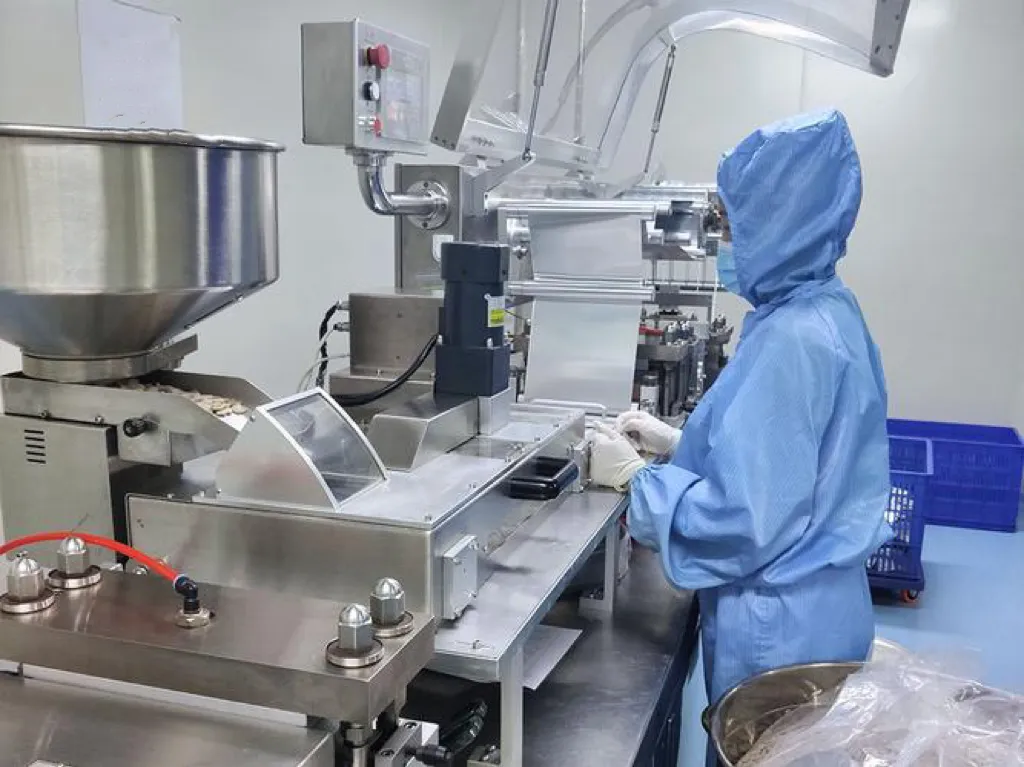
The core active pharmaceutical ingredients (APIs) utilized in chicken respiratory infection medications vary depending on the targeted pathogen. Common APIs include tylosin, doxycycline, enrofloxacin, amoxicillin, and tilmicosin. Tylosin, a macrolide antibiotic, is frequently produced via fermentation using Streptomyces fradiae. The fermentation broth undergoes a complex purification process involving solvent extraction, crystallization, and drying to achieve pharmaceutical-grade purity. Doxycycline, a tetracycline antibiotic, is often synthesized chemically, requiring precise control of reaction parameters like temperature, pH, and reagent ratios. Enrofloxacin, a fluoroquinolone antibiotic, is also typically synthesized, with stringent quality control measures applied throughout the process to ensure minimal impurities. Formulation involves combining the API with excipients – carriers, diluents, stabilizers, and preservatives – to enhance bioavailability, palatability (for feed additives), and shelf life. Premixes are often manufactured via blending APIs with carriers like cornstarch or wheat bran, ensuring homogenous distribution before incorporation into poultry feed. Injectable solutions require sterile manufacturing environments and aseptic processing techniques, involving filtration, filling, and sealing under controlled conditions. Particle size distribution of APIs is critical; smaller particle sizes generally improve dissolution rate and absorption. Chemical compatibility between the API and excipients is paramount to prevent degradation and maintain potency. Moisture content control during manufacturing is vital to prevent clumping and ensure consistent dosage.

Performance & Engineering
The efficacy of these medications hinges on pharmacokinetic and pharmacodynamic principles. Bioavailability, the extent to which the API is absorbed into the bloodstream, is influenced by factors like formulation, feed particle size, and gut health of the chicken. Pharmacokinetics (absorption, distribution, metabolism, and excretion – ADME) determine the drug's concentration at the target site (lungs, air sacs) over time. Force analysis, specifically assessing withdrawal times, is vital to prevent residues in meat and eggs, safeguarding food safety. Environmental resistance considerations include the impact of temperature, humidity, and UV light on API stability. Compliance requirements, governed by veterinary regulatory agencies, dictate permissible residue levels and withdrawal periods. For example, the European Medicines Agency (EMA) sets maximum residue limits (MRLs) for antibiotics in poultry products. Engineering considerations encompass the design of delivery systems – ensuring accurate dosing with injectable solutions and uniform distribution in feed. The impact of water quality on the stability of water-soluble formulations is also critical. Airflow patterns within poultry houses and ventilation rates can influence the airborne dispersion of medication administered through aerosolization systems. A key performance metric is the reduction in bacterial load in the respiratory tract, measured via quantitative culture techniques. Another is the improvement in clinical signs – reduced coughing, sneezing, and nasal discharge.
Technical Specifications
| API | Typical Concentration (Feed Additive) | Typical Dosage (Injectable - mg/kg BW) | Withdrawal Period (Meat - Days) |
|---|---|---|---|
| Tylosin | 50-100 g/ton feed | 10-20 | 7 |
| Doxycycline | 50-200 g/ton feed | 8-12 | 3 |
| Enrofloxacin | N/A (Primarily Injectable) | 5-10 | 8 |
| Amoxicillin | 100-200 g/ton feed | 15-25 | 3 |
| Tilmicosin | 5-10 g/ton feed | 10-15 | 7 |
| Spectinomycin | 50-150 g/ton feed | N/A | 5 |
Failure Mode & Maintenance
Failure modes in chicken respiratory infection medications can stem from several sources. Antibiotic resistance development is a significant concern, driven by sub-therapeutic dosing or prolonged exposure. This necessitates antimicrobial susceptibility testing and strategic rotation of antibiotics. Degradation of the API due to improper storage conditions (temperature, humidity, light exposure) can reduce potency. Formulation instability – phase separation or precipitation – can lead to uneven dosing. Incorrect administration – inaccurate dosage or improper injection technique – can compromise efficacy. Feed contamination or uneven mixing can result in inconsistent API delivery. Biofilm formation within drinking water systems can harbor pathogens and reduce the effectiveness of water-soluble medications. Maintenance strategies include strict adherence to storage guidelines, regular quality control testing of APIs and formulations, proper calibration of dosing equipment, and implementation of biosecurity measures to prevent the introduction and spread of pathogens. Regular monitoring of antibiotic resistance patterns is crucial, alongside the implementation of antibiotic stewardship programs. Proper cleaning and disinfection of poultry houses and equipment are essential to minimize pathogen load. The potential for cross-contamination during feed manufacturing must be addressed through robust cleaning protocols.
Industry FAQ
Q: What is the impact of mycotoxins in feed on the efficacy of antibiotic treatment for respiratory infections?
A: Mycotoxins can significantly compromise the immune system of chickens, reducing their ability to respond effectively to antibiotic therapy. Mycotoxins like aflatoxins and trichothecenes suppress immune cell function and increase susceptibility to infection. Therefore, it’s crucial to analyze feed for mycotoxin contamination and implement strategies to mitigate their effects, such as using mycotoxin binders.
Q: How do different water sources (well, municipal) affect the stability of water-soluble antibiotics?
A: Water quality parameters such as pH, mineral content, and presence of organic matter can influence the stability of water-soluble antibiotics. Well water often contains higher mineral concentrations, which can lead to precipitation of some antibiotics. Municipal water, while generally treated, may contain residual chlorine or chloramines that can degrade certain APIs. Regular water quality testing and pH adjustment are recommended.
Q: What are the key considerations when selecting between a feed additive and an injectable antibiotic for treating a respiratory outbreak?
A: Injectable antibiotics provide faster and more predictable drug delivery, making them suitable for acute, severe infections. Feed additives offer a more economical approach for mass medication and preventative treatment, but their efficacy depends on consistent feed intake. The choice depends on the severity of the outbreak, the number of birds affected, and the cost-benefit analysis.
Q: How does ventilation system design impact the distribution of aerosolized medications?
A: Ventilation system design is crucial for effective aerosolization. Uniform airflow and adequate mixing are essential to ensure that the medication reaches all birds within the house. Poor ventilation can lead to uneven distribution and reduced efficacy. Regular maintenance and calibration of the ventilation system are vital.
Q: What diagnostic tests are essential for determining the causative agent of a respiratory infection before selecting an appropriate medication?
A: Diagnostic tests such as tracheal swabs for PCR analysis, serological assays (ELISA) to detect antibodies, and bacterial cultures are essential for identifying the causative agent. Accurate diagnosis is crucial for selecting the most effective antibiotic and preventing the development of antibiotic resistance. Histopathology can also provide valuable information about the extent of lung damage.
Conclusion
Effective management of chicken respiratory infections necessitates a comprehensive understanding of the medications employed, from their underlying material science and manufacturing processes to their pharmacokinetic properties and potential failure modes. The judicious use of antibiotics, guided by accurate diagnostics and adherence to withdrawal periods, is crucial for minimizing the development of antibiotic resistance and ensuring food safety. Continuous monitoring of efficacy, alongside proactive biosecurity measures and optimal environmental control, are integral components of a successful respiratory disease control program.
Future advancements in this field will likely focus on the development of novel vaccines, improved diagnostic tools, and alternative therapies – such as bacteriophages and immunostimulants – to reduce reliance on antibiotics. Furthermore, precision livestock farming technologies, incorporating real-time monitoring of bird health and environmental conditions, will enable targeted interventions and optimize medication delivery. A holistic approach, integrating preventative measures, accurate diagnosis, and responsible medication use, is paramount for maintaining poultry health and sustainable production.
Latest news
Copyright © 2026
Dingzhou Kangquan Pharmaceutical Co., Ltd. All Rights Reserved. Sitemap | Privacy
Policy


