
Apr . 01, 2024 17:55 Back to list
medicine for chickens with diarrhea Material Science Manufacturing

Introduction
Medicated feed additives and soluble powder formulations for chickens experiencing diarrhea represent a critical intervention in poultry health management. Diarrhea in chickens, often indicative of coccidiosis, necrotic enteritis, or bacterial infections, leads to significant economic losses due to reduced weight gain, decreased feed conversion ratio, and increased mortality. These medications, typically containing antibiotics, coccidiostats, or probiotics, are designed to restore gut microbiome balance, reduce inflammation, and eliminate causative pathogens. Their effectiveness hinges on accurate diagnosis of the underlying cause of the diarrhea, appropriate dosage, and adherence to withdrawal times to avoid residue contamination in meat and eggs. This guide details the material science, manufacturing, performance characteristics, potential failure modes, and industry standards relevant to these essential veterinary pharmaceuticals.
Material Science & Manufacturing
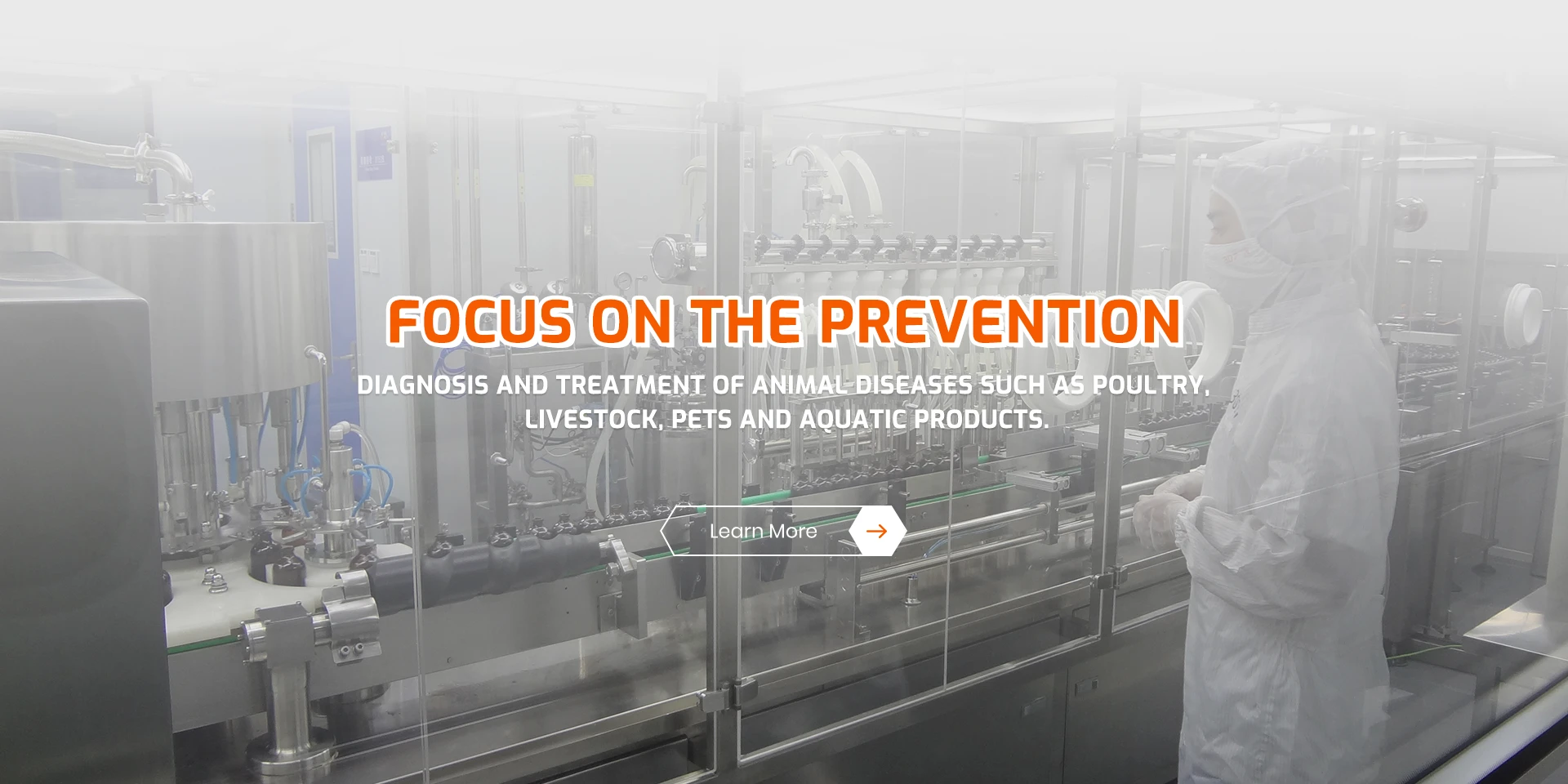
The primary active pharmaceutical ingredients (APIs) in medicines for chicken diarrhea vary, dictating the material properties and manufacturing processes. Common APIs include amprolium (a coccidiostat), antibiotics like bacitracin methylene disalicylate or chlortetracycline, and probiotic strains (e.g., Bacillus subtilis). Excipients – inert substances used as a vehicle for the API – are crucial. These typically include diluents (e.g., lactose, wheat flour), binders (e.g., starch, gelatin), disintegrants (e.g., sodium starch glycolate), and lubricants (e.g., magnesium stearate). For soluble powder formulations, the particle size of both the API and excipients is critical, generally below 100 microns for optimal dissolution. Manufacturing involves several steps: API sourcing and quality control, precise weighing and blending of ingredients using ribbon blenders or V-blenders, granulation (wet or dry) to improve flowability, drying to achieve desired moisture content (typically < 5%), milling and sieving to ensure uniform particle size, and finally, packaging in airtight containers to prevent degradation. For medicated feed additives, the API is premixed with a carrier (e.g., rice hulls, soybean meal) via a homogenous mixing process, demanding precise control of mixing time and speed to ensure even distribution. The chemical compatibility of the API with excipients is paramount, assessed through stability studies under various temperature and humidity conditions. Properly controlled crystallization processes for APIs impact bioavailability and dissolution rates.
Performance & Engineering
The performance of these medications centers around achieving therapeutic API concentrations in the chicken’s intestinal tract. Pharmacokinetic studies – examining absorption, distribution, metabolism, and excretion (ADME) – are essential. Bioavailability, the fraction of the administered dose reaching systemic circulation, is heavily influenced by formulation properties (particle size, dissolution rate) and the chicken’s physiological state (age, gut health). The engineering challenge lies in ensuring consistent drug delivery, even with variations in feed intake or water consumption. For water-soluble formulations, maintaining drug stability in water is critical; some APIs degrade rapidly in the presence of light or certain minerals. Formulation engineers utilize stabilizers and UV protectants to mitigate this. The dosage regimen must account for the severity of the diarrhea, the causative pathogen, and the chicken’s weight. Withdrawal times – the period between last administration and slaughter or egg collection – are strictly regulated to prevent drug residues exceeding permissible limits. Compliance with Good Manufacturing Practices (GMP) is essential throughout the production process to ensure product quality and consistency. Environmental resistance considerations include packaging materials preventing moisture ingress, and formulation stability under various storage temperatures.
Technical Specifications
| API Concentration | Particle Size (μm) | Moisture Content (%) | Dissolution Rate (in pH 6.8 buffer) |
|---|---|---|---|
| Amprolium 50% | <50 | <3 | >80% in 30 minutes |
| Bacitracin Methylene Disalicylate 10% | <75 | <4 | >70% in 60 minutes |
| Chlortetracycline 50% | <100 | <5 | >60% in 45 minutes |
| Bacillus subtilis (spores) | N/A (spore form) | <6 | N/A (colony forming units/gram) |
| Diluent (Lactose) | <150 | <0.5 | N/A |
| Binder (Starch) | <200 | <10 | N/A |
Failure Mode & Maintenance
Failure modes for these medications include API degradation (hydrolysis, oxidation), physical instability (segregation of ingredients, caking), and microbial contamination. API degradation is accelerated by high temperature and humidity, emphasizing the need for proper storage. Caking occurs when moisture is absorbed, causing particles to adhere. Maintaining airtight packaging and using desiccants prevents this. Microbial contamination can arise during manufacturing if hygiene standards are inadequate. Regular microbial testing is crucial. In-field failures often stem from improper dosage, incorrect dilution, or administration via contaminated water sources. Maintenance involves strict adherence to GMP, regular equipment calibration, and robust quality control procedures. Stability testing – monitoring API potency and physical characteristics over time – is essential for determining shelf life. For medicated feed, maintaining homogeneous mixing throughout the feed batch is vital; regular sampling and analysis ensure even distribution of the API. Investigating field complaints and performing root cause analysis are critical for identifying and addressing potential manufacturing or formulation issues.
Industry FAQ
Q: What is the impact of water quality on the efficacy of water-soluble medications?
A: Water quality is paramount. High levels of minerals (iron, manganese) can react with certain APIs, reducing their potency. Organic matter can promote microbial growth, degrading the API. The pH of the water can also influence drug stability. We recommend using filtered, potable water with a pH between 6.0 and 7.0, and preparing fresh solutions daily.
Q: How do you ensure uniform distribution of the API in medicated feed?
A: Uniform distribution is achieved through precise mixing procedures and regular quality control checks. We use validated mixing equipment and conduct thorough sampling of the feed batch after mixing, analyzing for API concentration at multiple points to ensure homogeneity.
Q: What are the primary causes of treatment failure with coccidiostats?
A: Treatment failure can stem from several factors: incorrect diagnosis of the coccidiosis species, development of drug resistance, inadequate dosage, poor sanitation (allowing reinfection), and simultaneous infection with other pathogens. Regular monitoring for drug resistance and implementation of robust biosecurity measures are crucial.
Q: How are withdrawal times determined, and what are the consequences of exceeding them?
A: Withdrawal times are determined through extensive residue studies, establishing the time required for drug levels in meat and eggs to fall below legally permissible limits. Exceeding these times poses a public health risk due to potential drug residues, leading to regulatory penalties and consumer concerns.
Q: What is the role of probiotics in managing chicken diarrhea?
A: Probiotics, particularly Bacillus subtilis strains, help restore gut microbiome balance, competitively excluding pathogenic bacteria. They enhance immune function and improve nutrient absorption, aiding in recovery from diarrhea. While not always a standalone solution, they can be a valuable adjunct to antibiotic or coccidiostat therapy.
Conclusion
The effective management of chicken diarrhea necessitates a comprehensive understanding of the underlying pathology, coupled with judicious selection and application of appropriate medicated feed additives or soluble powder formulations. Maintaining stringent quality control throughout the manufacturing process, from API sourcing to final packaging, is critical for ensuring product efficacy and safety. Addressing the core challenges of API stability, uniform distribution, and potential drug resistance through innovative formulation strategies and vigilant monitoring protocols is paramount.
Future advancements in this field will likely focus on developing targeted drug delivery systems, exploring novel probiotic strains, and implementing more sophisticated diagnostic tools for rapid pathogen identification. Furthermore, prioritizing preventative measures – such as improved biosecurity, optimal flock management practices, and vaccination programs – remains the cornerstone of minimizing the incidence and severity of diarrheal outbreaks in poultry production.
Latest news
Copyright © 2026
Dingzhou Kangquan Pharmaceutical Co., Ltd. All Rights Reserved. Sitemap | Privacy
Policy


