
Apr . 01, 2024 17:55 Back to list
medicine for e coli in poultry Manufacturing Specifications
Introduction
Avian colibacillosis, commonly known as Escherichia coli ( E. coli ) infection in poultry, represents a significant economic and welfare challenge within the poultry industry. This guide provides a detailed technical overview of medicinal interventions for E. coli infections in poultry, encompassing the bacteriological basis of the disease, pharmacological principles of treatment, and crucial considerations for effective disease management. E. coli represents a diverse group of bacteria, with certain pathotypes – specifically pathogenic E. coli (APEC) – being the primary causative agents of disease in poultry. These infections manifest variably, ranging from systemic sepsis and colisepticemia to localized infections like airsacculitis, and colibacillary enteritis. Effective treatment requires a nuanced understanding of antibiotic susceptibility patterns, optimal drug delivery methods, and preventative strategies to minimize the development of antimicrobial resistance. This document will detail the mechanisms of action, appropriate dosage, administration protocols, and potential adverse effects of commonly employed medications, alongside a discussion of evolving resistance trends and alternative treatment modalities. The core performance indicator for treatment efficacy is reduction in mortality rate, improved growth performance, and minimization of secondary bacterial infections.
Material Science & Manufacturing
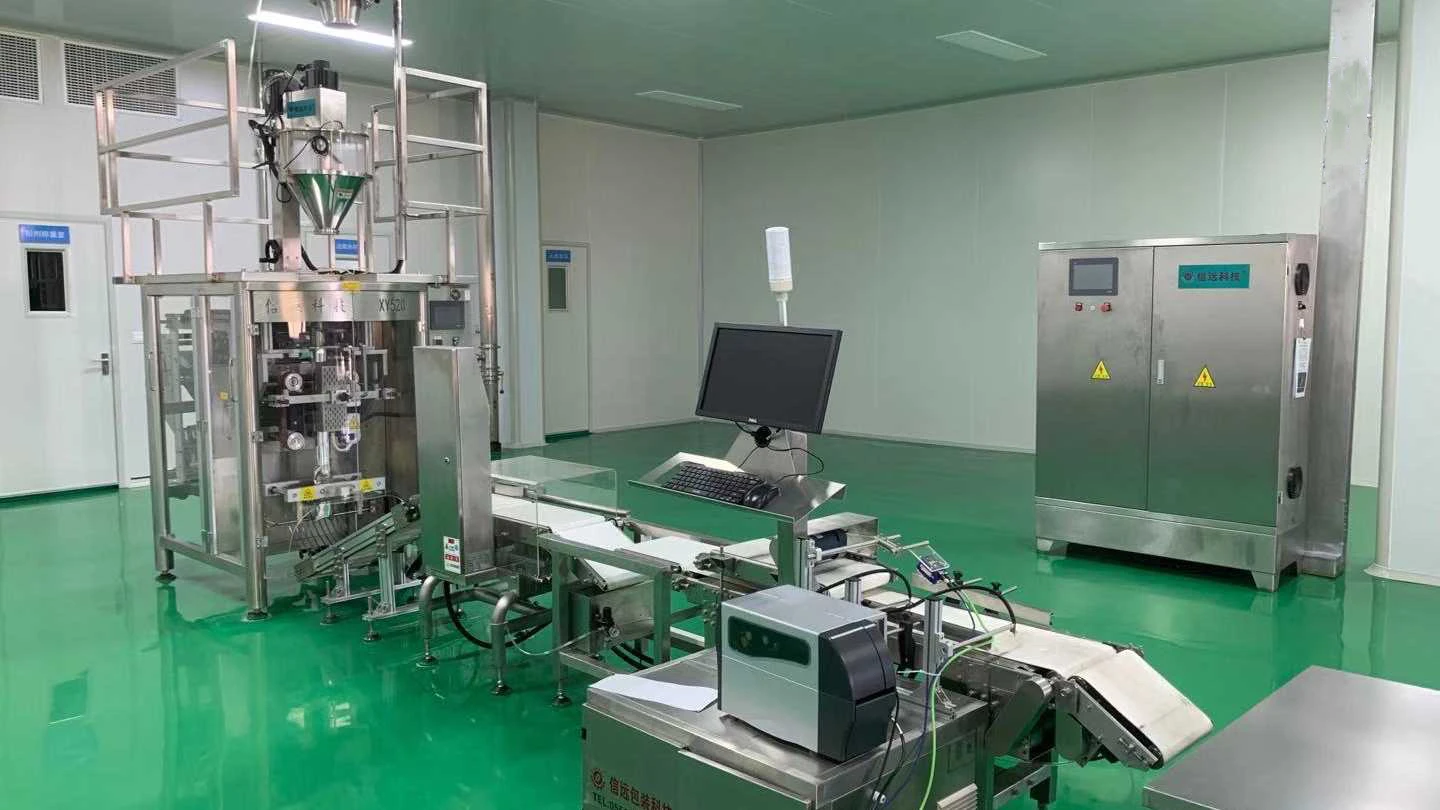
The manufacturing of pharmaceuticals used to treat E. coli in poultry relies heavily on precise chemical synthesis and formulation science. Antibiotics such as enrofloxacin, gentamicin, and amoxicillin/clavulanate are produced via fermentation processes utilizing specific strains of microorganisms. The active pharmaceutical ingredient (API) undergoes stringent purification and crystallization procedures to ensure high purity and consistent potency. Formulation is critical for bioavailability and administration. Powdered formulations for water solubilization require excipients like lactose, starch, and sodium bicarbonate to enhance dispersion and palatability. Injectable solutions demand careful pH adjustment and the inclusion of preservatives to maintain sterility and stability. The selection of excipients must consider chemical compatibility with the API and the target poultry species. For example, the use of certain preservatives may be restricted in laying hens due to potential residue accumulation in eggs. Manufacturing processes adhere to Good Manufacturing Practices (GMP) guidelines outlined by regulatory bodies like the FDA (US) and EMA (Europe) to guarantee product quality and consistency. Quality control measures include HPLC analysis for API quantification, microbial limit testing for sterility assurance, and dissolution testing to evaluate drug release characteristics. The manufacturing of extended-spectrum beta-lactamase (ESBL) inhibitor combinations (e.g., amoxicillin/clavulanate) necessitates sophisticated techniques to ensure the correct ratio of active ingredients and maintain the stability of the clavulanate moiety, which is prone to degradation. Furthermore, veterinary drug manufacturing involves specific considerations for palatability – the API must be readily consumed by the target animals – often necessitating flavor masking agents and palatable carriers.
Performance & Engineering
The efficacy of E. coli medications in poultry is directly tied to pharmacokinetic (PK) and pharmacodynamic (PD) principles. PK governs the absorption, distribution, metabolism, and excretion (ADME) of the drug within the bird’s system. Factors impacting PK include route of administration (oral, intramuscular, subcutaneous), feed intake, and individual bird variability. PD relates the drug concentration to its effect on the bacteria – specifically, the minimum inhibitory concentration (MIC) required to halt bacterial growth. The target PK/PD index is maximizing the time the drug concentration remains above the MIC. Force analysis plays a role in injectable formulations, ensuring needle gauge and injection volume minimize trauma and localized reactions. Environmental resistance is a growing concern, particularly relating to antibiotic residues in manure and their potential impact on soil microbial communities. Compliance requirements are dictated by national and international veterinary drug regulations, including withdrawal periods to prevent residues in meat and eggs. Engineering aspects extend to the design of delivery systems – for example, in-water medication systems require careful calibration to ensure accurate dosing and uniform drug distribution. Bioavailability is a crucial engineering parameter; enteric coating on oral formulations can protect the drug from degradation in the proventriculus, enhancing absorption in the small intestine. Furthermore, the stability of the drug under various storage conditions (temperature, humidity, light exposure) is a key engineering consideration. Monitoring treatment response relies on hematological parameters (white blood cell count, heterophil/lymphocyte ratio) and assessment of clinical signs (lethargy, ruffled feathers, diarrhea).
Technical Specifications
| Antibiotic | Mechanism of Action | Typical Dosage (mg/kg BW) | Administration Route |
|---|---|---|---|
| Enrofloxacin | Inhibition of DNA gyrase | 10-20 | Oral (drinking water), Intramuscular |
| Gentamicin | Inhibition of protein synthesis | 4-8 | Intramuscular, Subcutaneous |
| Amoxicillin/Clavulanate | Beta-lactamase inhibition & cell wall synthesis inhibition | 15-30 | Oral (drinking water) |
| Ciprofloxacin | Inhibition of DNA gyrase & topoisomerase IV | 20-40 | Oral (drinking water) |
| Colistin Sulfate | Disruption of bacterial membrane | 50-100 | Oral (drinking water) |
| Tylosin | Inhibition of protein synthesis | 50-100 | Oral (feed additive) |
Failure Mode & Maintenance
Treatment failure with E. coli medications in poultry can stem from several factors. Antimicrobial resistance is a primary concern, arising from selective pressure caused by widespread antibiotic use. Biofilm formation by E. coli can shield bacteria from antibiotic penetration, leading to chronic infections. Improper drug administration (e.g., inadequate dosage, inconsistent delivery) can result in sub-therapeutic drug concentrations. Concurrent infections with other pathogens can compromise the immune system and hinder treatment efficacy. Poor biosecurity practices contribute to the spread of resistant strains. Failure modes also include drug degradation due to improper storage (heat, light, humidity). Maintenance strategies involve implementing robust biosecurity protocols, including strict hygiene practices, isolation of infected birds, and controlled access to poultry houses. Antimicrobial stewardship programs are essential to optimize antibiotic usage and minimize the development of resistance. Regular monitoring of antibiotic susceptibility patterns is crucial for guiding treatment decisions. Prophylactic use of antibiotics should be minimized, and alternative strategies like vaccination and improved gut health management should be prioritized. Periodic disinfection of poultry houses and equipment reduces the environmental reservoir of E. coli. Post-treatment monitoring of fecal shedding helps assess treatment success and detect the emergence of resistance.
Industry FAQ
Q: What is the primary mechanism by which E. coli develops resistance to enrofloxacin?
A: The primary mechanism is mutations in the gyrA gene, which encodes for DNA gyrase. These mutations alter the enzyme’s structure, reducing the binding affinity of enrofloxacin and diminishing its inhibitory effect. Plasmid-mediated quinolone resistance (PMQR) genes can also contribute, although they are less common in poultry compared to other animal species. Horizontal gene transfer plays a role in disseminating resistance genes within bacterial populations.
Q: What is the recommended withdrawal period for gentamicin in broiler chickens intended for human consumption?
A: The withdrawal period for gentamicin varies depending on the country and specific regulations. In the United States, the FDA-approved withdrawal period for gentamicin in broiler chickens is typically 7 days. It's essential to consult the product label and local regulatory guidelines for precise information.
Q: How does clavulanate enhance the efficacy of amoxicillin against E. coli?
A: Clavulanate is a beta-lactamase inhibitor. Many E. coli strains produce beta-lactamase enzymes, which break down amoxicillin, rendering it ineffective. Clavulanate binds to and inactivates these beta-lactamase enzymes, protecting amoxicillin from degradation and restoring its antibacterial activity.
Q: What are the potential adverse effects associated with colistin sulfate administration in poultry?
A: Potential adverse effects of colistin sulfate include nephrotoxicity (kidney damage), particularly with prolonged use or high doses. It can also cause reduced feed intake and growth performance. Concerns exist regarding the selection pressure for colistin-resistant bacteria, which are a significant public health threat.
Q: Beyond antibiotics, what alternative strategies can be employed to control E. coli infections in poultry?
A: Alternative strategies include vaccination, prebiotics and probiotics to enhance gut health, improved biosecurity measures, optimization of stocking density, provision of adequate ventilation, and use of organic acids and essential oils with antibacterial properties. Phage therapy, utilizing viruses that specifically infect bacteria, is an emerging area of research.
Conclusion
Effective management of E. coli infections in poultry requires a comprehensive approach integrating accurate diagnosis, judicious antibiotic use guided by susceptibility testing, and proactive preventative measures. The increasing prevalence of antimicrobial resistance necessitates a shift towards antimicrobial stewardship and exploration of alternative control strategies. Understanding the pharmacokinetic and pharmacodynamic properties of available medications is critical for optimizing treatment efficacy and minimizing adverse effects. The industry must prioritize biosecurity, gut health management, and vaccination to reduce the reliance on antibiotics and safeguard the long-term sustainability of poultry production.
Future research should focus on developing novel antimicrobial agents, refining diagnostic tools for rapid identification of E. coli pathotypes and resistance genes, and evaluating the efficacy of alternative therapies such as phage therapy and immunomodulatory compounds. Continuous monitoring of antibiotic resistance trends and implementation of robust surveillance programs are essential for informing treatment guidelines and protecting public health. A multidisciplinary collaboration between veterinarians, poultry scientists, and regulatory agencies is crucial for addressing the complex challenges posed by E. coli infections in poultry.
Latest news
Copyright © 2026
Dingzhou Kangquan Pharmaceutical Co., Ltd. All Rights Reserved. Sitemap | Privacy
Policy


