
Apr . 01, 2024 17:55 Back to list
medicine for layer chicken Manufacturing Performance Analysis
Introduction
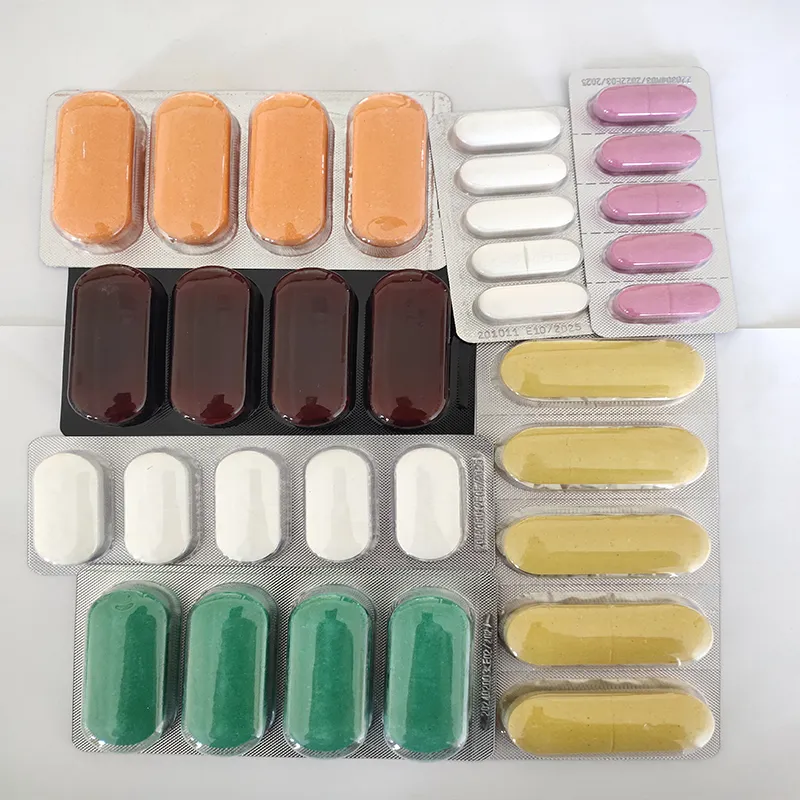
Medicine for layer chickens encompasses a broad spectrum of pharmaceutical and nutritional interventions designed to maintain flock health, optimize egg production, and prevent economic losses due to disease. These medicaments address a complex interplay of physiological demands unique to laying hens, including calcium metabolism, reproductive function, and immune system challenges. Unlike broiler production focused on rapid growth, layer hen management prioritizes sustained performance over a prolonged laying cycle – typically 12-18 months. Consequently, preventative and therapeutic strategies are specifically tailored to address chronic conditions, parasitic infections, and infectious diseases common in mature laying birds. The efficacy and safe application of these medicines are crucial; improper use leads to drug residues in eggs, antimicrobial resistance, and potential harm to human consumers. This guide provides a detailed technical overview of the science, manufacturing, performance, and maintenance protocols associated with medicines for layer chickens, addressing industry pain points related to regulatory compliance, cost-effectiveness, and sustainable production.
Material Science & Manufacturing
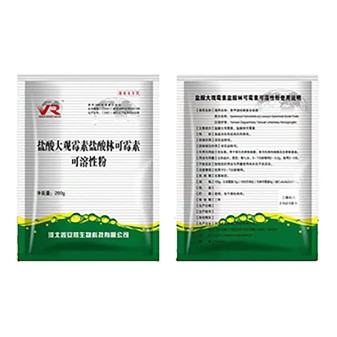
The manufacturing of medicines for layer chickens involves a diverse range of active pharmaceutical ingredients (APIs) and excipients, each with specific physicochemical properties. APIs commonly include antibiotics (tetracyclines, sulfonamides), coccidiostats (amprolium, lasalocid), anthelmintics (piperazine, fenbendazole), vitamins (A, D3, E, B-complex), and minerals (calcium carbonate, dicalcium phosphate). Excipients serve as carriers, binders, disintegrants, and flavoring agents to ensure palatability, stability, and proper dosage. Production processes vary depending on the formulation type – premixes, soluble powders, liquid medications, and feed additives. Premixes require precise weighing, mixing, and homogenization of APIs with diluents (rice hulls, wheat bran) to achieve uniform distribution. Soluble powders utilize spray drying or granulation techniques to enhance dissolution rates in water. Liquid formulations necessitate meticulous control of pH, viscosity, and antimicrobial preservatives to prevent microbial growth. Feed additives typically involve coating APIs onto carrier particles to minimize dust formation and ensure even distribution within the feed. Key parameters controlling manufacturing quality include particle size distribution (influences absorption), moisture content (affects stability), API assay (ensures potency), and microbiological purity (prevents contamination). Chemical compatibility between APIs and excipients is paramount to avoid degradation or inactivation. Raw material sourcing must adhere to Good Manufacturing Practices (GMP) to guarantee quality and traceability. Furthermore, packaging materials must protect the product from light, moisture, and oxygen, maintaining its efficacy throughout its shelf life.
Performance & Engineering
The performance of medicine for layer chickens is evaluated based on several key engineering parameters, including bioavailability, pharmacokinetic profile, therapeutic efficacy, and residue levels. Bioavailability, the fraction of the administered dose reaching systemic circulation, is influenced by factors like feed composition, gut motility, and drug formulation. The pharmacokinetic profile (absorption, distribution, metabolism, and excretion) dictates the duration of action and optimal dosage regimen. Therapeutic efficacy is assessed through measurable improvements in production parameters – egg weight, eggshell thickness, egg production rate, and feed conversion ratio – as well as reductions in morbidity and mortality rates. Pharmacodynamic studies investigate the relationship between drug concentration and biological effect. Environmental resistance is a critical consideration; certain medications can degrade under high temperatures or humidity, reducing their potency. Compliance requirements, such as withdrawal periods (the time required for drug residues to fall below acceptable levels in eggs and tissues), are dictated by regulatory agencies. Force analysis relating to feed intake and drug distribution within the gastrointestinal tract is often modeled to optimize dosage. Furthermore, the engineering of sustained-release formulations is employed to prolong drug action and reduce dosing frequency, improving compliance and minimizing cost. The design of automated dosing systems and water medication systems must ensure accurate and consistent delivery of medication to the entire flock.
Technical Specifications
| API Name | Dosage Form | Concentration/Potency | Withdrawal Period (Eggs) |
|---|---|---|---|
| Amprolium | Soluble Powder | 100g/kg | 7 Days |
| Oxytetracycline | Premix | 50g/kg | 14 Days |
| Fenbendazole | Suspension | 10% w/v | 5 Days |
| Vitamin A | Premix | 10,000 IU/kg | 0 Days |
| Calcium Carbonate | Feed Additive | 35% | 0 Days |
| Sulfamethoxazole | Soluble Powder | 20g/kg | 10 Days |
Failure Mode & Maintenance
Failure modes in the application of medicine for layer chickens are multifactorial. Antimicrobial resistance, driven by subtherapeutic dosing or incomplete treatment courses, represents a significant long-term threat. Degradation of APIs due to improper storage (high temperature, humidity, light exposure) can lead to reduced efficacy. Incorrect dosage calculations or uneven distribution in feed can result in under-treatment or over-treatment. Water line biofilm formation can render medicated water ineffective by binding the API or fostering microbial growth. Poor bird health or concurrent infections can compromise the immune system, reducing treatment response. Egg residue contamination due to inadequate withdrawal periods poses a food safety risk. Failure analysis often involves microbiological testing to confirm resistance patterns, HPLC analysis to quantify API concentrations, and post-mortem examinations to identify pathological changes. Maintenance strategies include implementing robust biosecurity protocols, rotating antibiotic classes to prevent resistance, adhering strictly to dosage recommendations, regular cleaning and disinfection of water lines, and monitoring flock health indicators. Preventive vaccination programs can reduce the incidence of infectious diseases, minimizing the need for therapeutic interventions. Regular audits of medication storage and handling procedures are essential to ensure compliance with GMP.
Industry FAQ
Q: What are the primary challenges associated with administering medications via drinking water?
A: The primary challenges include ensuring uniform drug distribution, accounting for varying bird water consumption, preventing biofilm formation in water lines, and maintaining drug stability in water. Biofilm can neutralize the medication and harbor pathogens. Accurate measurement of water intake is difficult, leading to potential under- or over-dosing. Temperature and pH fluctuations can degrade certain APIs.
Q: How do you mitigate the risk of antimicrobial resistance development in layer flocks?
A: Mitigation involves prudent antibiotic use, including using narrow-spectrum antibiotics when possible, rotating antibiotic classes, avoiding prophylactic use, and implementing comprehensive biosecurity measures. Regular monitoring for resistance patterns and adherence to withdrawal periods are crucial.
Q: What factors influence the bioavailability of vitamins and minerals in layer hens?
A: Bioavailability is influenced by the chemical form of the vitamin or mineral, feed composition (fiber content, phytates), gut health, and interactions with other nutrients. For example, phytates can bind to minerals, reducing their absorption. Ensuring adequate gut health through probiotic supplementation can improve nutrient absorption.
Q: What are the key considerations for storing and handling medicated feed?
A: Medicaded feed should be stored in a cool, dry, and well-ventilated area, protected from sunlight and moisture. First-in, first-out inventory management should be practiced. Proper labeling and segregation of medicated and non-medicated feeds are essential to prevent accidental contamination.
Q: How can egg residue testing programs be implemented effectively?
A: Effective programs involve risk assessment to identify potential residue risks, establishing a sampling plan based on flock size and medication history, utilizing validated analytical methods (e.g., HPLC-MS/MS), and maintaining detailed records of medication administration and withdrawal periods. Regular participation in proficiency testing programs ensures the accuracy of laboratory results.
Conclusion
The effective utilization of medicine for layer chickens necessitates a deep understanding of pharmacological principles, material science, and engineering considerations. Optimizing drug delivery, minimizing resistance development, and ensuring food safety require a holistic approach encompassing preventative measures, accurate diagnostics, and diligent monitoring. The complexity of layer hen physiology and the stringent regulatory landscape demand a commitment to best practices throughout the entire production chain.
Future advancements in precision livestock farming, including sensor-based monitoring of bird health and automated dosing systems, promise to further enhance the efficacy and sustainability of medication strategies in layer production. Continued research into novel APIs, improved formulations, and innovative delivery methods will be crucial for addressing emerging challenges and maintaining the health and productivity of layer flocks.
Latest news
Copyright © 2026
Dingzhou Kangquan Pharmaceutical Co., Ltd. All Rights Reserved. Sitemap | Privacy
Policy


