
Apr . 01, 2024 17:55 Back to list
medicine for poultry farm Formulation and Performance Analysis
Introduction
Poultry medicine encompasses a diverse range of pharmaceutical interventions designed to maintain flock health, prevent disease outbreaks, and optimize production efficiency in poultry farming. These interventions range from prophylactic antibiotics and vaccines to therapeutic agents targeting specific bacterial, viral, and parasitic infections. The strategic application of medicine is critical in addressing the unique physiological vulnerabilities of poultry, particularly considering intensive farming conditions which facilitate rapid disease transmission. This guide provides an in-depth technical overview of poultry medicine, covering material science aspects of drug formulation, manufacturing processes, performance characteristics, failure modes, and relevant industry standards. A primary industry pain point lies in combating antimicrobial resistance (AMR) and ensuring food safety through responsible medication practices, necessitating a comprehensive understanding of drug efficacy, withdrawal periods, and residue monitoring. The selection and administration of medications must consider the age, breed, and production stage of the poultry, as well as regional disease prevalence and regulatory constraints.
Material Science & Manufacturing
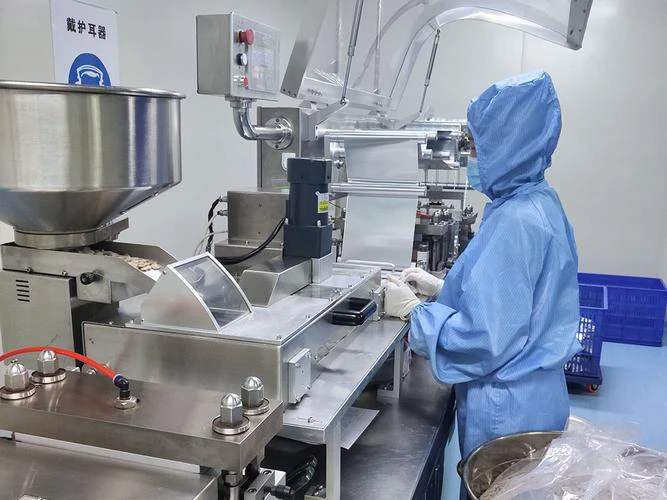
The manufacturing of medicine for poultry farms involves complex material science and stringent quality control procedures. Active Pharmaceutical Ingredients (APIs) – encompassing antibiotics, antivirals, anticoccidials, vitamins, and minerals – dictate therapeutic efficacy. These APIs are often synthesized via multi-step chemical processes requiring precise control of reaction kinetics, temperature, and pH. Excipients, such as binders, diluents, disintegrants, lubricants, and preservatives, are crucial for drug formulation, influencing bioavailability, stability, and palatability. Common formulations include premixes (for feed incorporation), soluble powders (for water administration), and injectable solutions. Manufacturing processes vary based on formulation: premixes require homogenous blending using ribbon blenders or paddle mixers, ensuring uniform API distribution within the carrier. Soluble powder production involves granulation, drying, and milling to achieve desired particle size distribution for optimal dissolution. Injectable solutions necessitate sterile filtration and aseptic filling under controlled environmental conditions. Key parameter control includes particle size analysis (using laser diffraction), moisture content determination (Karl Fischer titration), assay (HPLC or GC), and sterility testing (USP <71>). Material compatibility – the API’s interaction with excipients and packaging materials (e.g., HDPE, LDPE, glass) – is paramount to prevent degradation and maintain drug potency. Chemical stability studies, conducted under accelerated aging conditions (temperature, humidity), are essential to determine shelf life and storage recommendations.
Performance & Engineering
The performance of poultry medicine is evaluated based on pharmacokinetic (PK) and pharmacodynamic (PD) properties. PK studies assess absorption, distribution, metabolism, and excretion (ADME) of the drug within the poultry organism, determining bioavailability and residence time. PD studies evaluate the drug’s effect on the target pathogen or physiological process, quantifying efficacy and establishing dose-response relationships. Bioequivalence studies are critical when generic formulations are introduced, ensuring comparable performance to the originator product. Environmental resistance refers to the drug’s stability under field conditions (temperature fluctuations, humidity, UV exposure). For water-soluble formulations, factors such as pH and water hardness can affect stability. Compliance requirements mandate adherence to Good Manufacturing Practices (GMP) and stringent residue limits established by regulatory bodies (e.g., FDA, EFSA). Withdrawal periods – the time required for drug residues to fall below permissible levels in meat and eggs – are crucial for food safety. Functional implementation involves delivery mechanisms; feed incorporation demands uniform distribution and adequate intake by poultry. Water administration requires solubility and palatability considerations to ensure consistent dosing. Injection routes (subcutaneous, intramuscular) influence absorption rate and bioavailability. Force analysis (e.g., needle insertion force for injections) is critical for minimizing stress and injury to the bird. Additionally, formulation engineering plays a role in sustained-release preparations, optimizing drug delivery and minimizing dosing frequency.
Technical Specifications
| API Concentration | Formulation Type | Withdrawal Period (Meat) | Withdrawal Period (Eggs) |
|---|---|---|---|
| Amoxicillin 22.3% | Premix | 7 days | 0 days |
| Enrofloxacin 10% | Soluble Powder | 14 days | 7 days |
| Toltrazuril 5% | Premix | 3 days | 0 days |
| Vitamin A 25,000 IU/g | Premix | 0 days | 0 days |
| Doxycycline 100g/kg | Soluble Powder | 8 days | 5 days |
| Salinomycin 10% | Premix | 5 days | 0 days |
Failure Mode & Maintenance
Failure modes in poultry medicine can stem from several sources. API degradation – due to exposure to moisture, heat, or light – can reduce drug potency. Formulation instability, leading to phase separation or precipitation, impairs bioavailability. Microbial contamination during manufacturing or storage compromises sterility and safety. Resistance development in target pathogens diminishes drug efficacy over time. Improper storage conditions (temperature excursions) accelerate degradation. Incorrect dosing or administration techniques can lead to sub-therapeutic concentrations or toxicity. Failure analysis often involves HPLC or GC to quantify API content, microbial limit tests to assess sterility, and particle size analysis to evaluate formulation homogeneity. Maintenance protocols include strict adherence to GMP during manufacturing, proper storage in temperature-controlled environments, regular quality control testing, and monitoring of antimicrobial resistance patterns. Preventative maintenance of equipment (mixers, dryers, filters) is crucial for maintaining consistent product quality. Traceability systems – tracking raw materials, manufacturing batches, and distribution records – facilitate rapid recall in case of quality defects. Ongoing training of personnel on proper handling, storage, and administration procedures is essential to minimize errors and ensure optimal drug performance. Regular audits and inspections by regulatory authorities ensure compliance with established standards.
Industry FAQ
Q: What are the primary considerations when selecting an antibiotic for a poultry flock exhibiting signs of respiratory disease?
A: The selection should be guided by sensitivity testing of the causative pathogen, considering local resistance patterns. Factors include the bird’s age and production stage, the severity of the infection, the withdrawal period, and the potential for residue accumulation. Narrow-spectrum antibiotics are preferred to minimize disruption of the gut microbiome and reduce the risk of AMR development. Proper diagnostic confirmation is essential before initiating treatment.
Q: How does the particle size of a medicated feed premix impact drug bioavailability?
A: Smaller particle sizes generally lead to improved bioavailability due to increased surface area for dissolution and absorption. However, excessively fine particles can result in dusting and segregation during feed manufacturing. Optimal particle size distribution is crucial for ensuring homogenous mixing and uniform drug delivery to the birds.
Q: What is the role of excipients in ensuring the stability of a liquid antibiotic formulation?
A: Excipients play a vital role in maintaining pH, preventing precipitation, enhancing solubility, and inhibiting microbial growth. Buffering agents maintain optimal pH, while chelating agents sequester metal ions that can catalyze degradation. Preservatives prevent microbial contamination, and antioxidants protect against oxidative degradation.
Q: How are withdrawal periods determined and enforced?
A: Withdrawal periods are established based on pharmacokinetic studies evaluating the rate of drug elimination from tissues (muscle, liver, eggs). Regulatory bodies (e.g., FDA) set maximum residue limits (MRLs). Enforcement involves residue monitoring programs in poultry products to ensure compliance with MRLs and protect food safety.
Q: What are the best practices for mitigating the development of antimicrobial resistance in poultry farming?
A: Best practices include minimizing antibiotic usage through preventative measures (biosecurity, vaccination), employing narrow-spectrum antibiotics when possible, utilizing combination therapies judiciously, implementing antimicrobial stewardship programs, and monitoring resistance patterns regularly. Rotation of antibiotic classes can also help slow the development of resistance.
Conclusion
Poultry medicine is a multifaceted discipline requiring a comprehensive understanding of pharmacology, material science, and engineering principles. Effective disease management relies on careful selection and administration of medications, considering pharmacokinetic and pharmacodynamic properties, environmental factors, and regulatory compliance. Addressing the critical challenge of antimicrobial resistance necessitates a proactive approach, emphasizing preventative measures, responsible antibiotic usage, and continuous monitoring.
Future advancements in poultry medicine will likely focus on developing novel drug delivery systems, improving diagnostic capabilities, and utilizing precision medicine approaches tailored to individual flock needs. Research into alternative therapies, such as probiotics, prebiotics, and phage therapy, holds promise for reducing reliance on traditional antibiotics. Continued investment in research and innovation is crucial for maintaining sustainable and efficient poultry production while safeguarding animal health and food safety.
Latest news
Copyright © 2026
Dingzhou Kangquan Pharmaceutical Co., Ltd. All Rights Reserved. Sitemap | Privacy
Policy


