
Apr . 01, 2024 17:55 Back to list
medicine used in poultry farm Performance Analysis
Introduction
Poultry health management relies heavily on pharmaceutical interventions. Medicines used in poultry farming encompass a broad range of therapeutic agents – antibiotics, coccidiostats, vitamins, minerals, and vaccines – employed to prevent and treat diseases affecting broiler chickens, layers, and breeders. This guide details the scientific principles, manufacturing considerations, performance characteristics, failure modes, and regulatory compliance aspects associated with these pharmaceuticals. The poultry industry faces continual challenges from emerging pathogens, antimicrobial resistance, and increasing consumer demand for safe, sustainable poultry products. Effective pharmaceutical application is therefore paramount, demanding a sophisticated understanding of drug delivery systems, pharmacokinetic profiles within poultry, and responsible stewardship practices to mitigate resistance development. This document serves as a technical deep-dive for procurement managers, veterinary professionals, and quality control personnel involved in the sourcing and implementation of medicinal products within the poultry production chain.
Material Science & Manufacturing
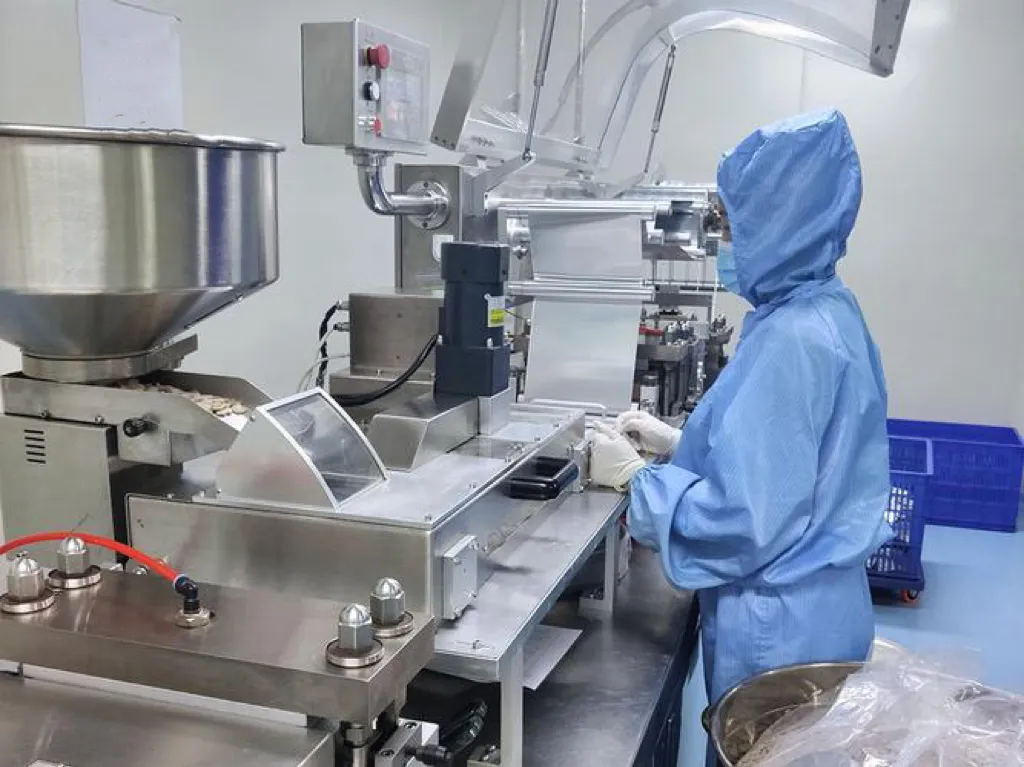
The formulation of poultry medicines involves a complex interplay of material science and pharmaceutical engineering. Active Pharmaceutical Ingredients (APIs), responsible for the therapeutic effect, are rarely administered in their pure form. They are typically combined with excipients – inactive ingredients that facilitate drug delivery, enhance stability, and improve palatability. Common excipients include diluents (e.g., lactose, microcrystalline cellulose), binders (e.g., polyvinylpyrrolidone), disintegrants (e.g., sodium starch glycolate), lubricants (e.g., magnesium stearate), and flavoring agents. Manufacturing processes vary depending on the dosage form. Powdered medications are produced via blending, granulation, drying, and milling, with particle size distribution being a critical parameter impacting bioavailability and dust control. Liquid formulations (solutions, suspensions, emulsions) require precise control of viscosity, pH, and osmolality to ensure stability and compatibility. Premixes, frequently used in poultry farming, involve the homogenous distribution of APIs and vitamins onto a carrier substance (e.g., wheat bran, limestone). Key manufacturing parameters include temperature control during granulation, mixing speeds to ensure homogeneity, and sterilization protocols to eliminate microbial contamination. Material compatibility is crucial; excipients must be chemically inert and not react with the API, potentially leading to degradation or reduced efficacy. Polymer coatings on tablets or granules often control the release rate of the drug, providing sustained or delayed action.
Performance & Engineering
The performance of poultry medicines hinges on several interconnected engineering principles. Pharmacokinetics – the study of drug absorption, distribution, metabolism, and excretion (ADME) – dictates the drug’s concentration at the target site over time. In poultry, absorption is heavily influenced by the gastrointestinal tract’s physiology, feed composition, and the drug’s physicochemical properties. Bioavailability, the fraction of the administered dose reaching systemic circulation, is often lower in poultry compared to mammals due to rapid gut transit and differences in enzymatic activity. Drug distribution is affected by blood flow, tissue binding, and lipid solubility. Metabolism primarily occurs in the liver, with enzymes like cytochrome P450 playing a crucial role. Excretion occurs primarily through the kidneys and feces. Force analysis related to dispensing equipment (e.g., automatic feeders, drinking water systems) must ensure accurate and consistent dosing. Environmental resistance refers to the drug’s stability under poultry farming conditions – exposure to heat, humidity, and UV light can degrade APIs. Compliance with veterinary regulations, such as withdrawal periods (the time required for drug residues to fall below acceptable levels in meat and eggs), is paramount to ensure food safety. Engineering design of dosage forms must also account for palatability; poor taste can lead to reduced feed intake and suboptimal therapeutic outcomes. Considerations around drug-drug interactions and their impact on efficacy are also crucial.
Technical Specifications
| API Concentration | Dosage Form | Withdrawal Period (Meat) | Withdrawal Period (Eggs) |
|---|---|---|---|
| Amoxicillin Trihydrate: 22.3% | Premix | 7 days | 0 days |
| Enramycin: 4% | Feed Additive | 5 days | 0 days |
| Doxycycline Hyclate: 10% | Soluble Powder | 10 days | 7 days |
| Sulfadimethoxine Sodium: 20% | Oral Paste | 9 days | 5 days |
| Toltrazuril: 5% | Premix | 8 days | 0 days |
| Vitamin A Palmitate: 25,000 IU/g | Water Soluble Supplement | 0 days | 0 days |
Failure Mode & Maintenance
Failure modes in poultry medicines are diverse. API degradation due to improper storage (temperature, humidity, light exposure) is a common issue, reducing potency and efficacy. Physical instability, such as settling or caking of powders, can lead to inaccurate dosing. Contamination during manufacturing or handling can introduce harmful microorganisms or foreign particles. Premature drug release from coated formulations can alter the therapeutic profile. In the case of injectables, particulate matter formation or pyrogen contamination can cause adverse reactions. Resistance development in target pathogens is a critical long-term failure mode, rendering the drug ineffective. Maintenance strategies include rigorous quality control testing of raw materials and finished products, adherence to Good Manufacturing Practices (GMP), and proper storage conditions. Regular monitoring of antimicrobial susceptibility patterns is essential to detect and manage resistance. Preventative maintenance of dispensing equipment ensures accurate dosing. Implementing robust traceability systems allows for rapid identification and recall of defective batches. Proper training of personnel involved in drug handling and administration minimizes errors and contamination risks. Shelf-life monitoring and adherence to expiry dates are crucial for maintaining product quality.
Industry FAQ
Q: What is the impact of feed composition on the bioavailability of orally administered antibiotics?
A: Feed composition significantly impacts bioavailability. High fiber content can bind to antibiotics, reducing absorption. The presence of certain minerals or chelating agents can also interfere with drug uptake. Furthermore, feed particle size and water content influence gut transit time and drug dissolution rates.
Q: How does humidity affect the stability of water-soluble vitamins added to poultry drinking water?
A: High humidity accelerates the degradation of many water-soluble vitamins, particularly Vitamin C and the B vitamins. Increased humidity can also promote microbial growth in the water system, further reducing vitamin potency. Stabilization strategies include using coated vitamin formulations or adding preservatives.
Q: What are the key considerations for selecting an appropriate withdrawal period for a specific antibiotic?
A: Withdrawal periods are determined by pharmacokinetic studies evaluating the drug’s tissue residue levels. Factors considered include the drug’s half-life in poultry tissues, the target tissue, and regulatory limits set by authorities like the FDA or EFSA. Conservative withdrawal periods are essential to ensure food safety.
Q: What quality control measures are critical for ensuring the homogeneity of premixes?
A: Homogeneity is paramount. Critical QC measures include thorough mixing using validated procedures, particle size analysis of both the API and carrier, and representative sampling for assay to confirm uniform distribution of the API throughout the premix. Regular calibration of mixing equipment is also vital.
Q: What is the role of excipients in controlling the release of drugs from coated tablets or granules?
A: Excipients in coatings (e.g., polymers, plasticizers) control the rate at which the drug is released. Different polymers offer varying levels of solubility and permeability, allowing for sustained, delayed, or targeted drug release profiles. The coating thickness and composition are carefully optimized to achieve the desired release characteristics.
Conclusion
Effective pharmaceutical intervention is integral to modern poultry production, demanding a rigorous understanding of material science, manufacturing processes, and performance engineering. Optimizing drug delivery, ensuring product stability, and adhering to stringent quality control standards are crucial for maximizing therapeutic efficacy and minimizing the development of antimicrobial resistance. The future of poultry health management relies on innovative drug formulations, precision dosing technologies, and responsible antimicrobial stewardship practices.
Continued research into novel drug delivery systems, such as nanoparticles and microencapsulation, promises to enhance bioavailability and reduce drug usage. Furthermore, the integration of data analytics and predictive modeling will enable more informed decision-making regarding drug selection and treatment protocols. Ultimately, a holistic approach – encompassing biosecurity, vaccination programs, and proactive disease surveillance – is essential for maintaining the health and sustainability of the poultry industry.
Latest news
Copyright © 2026
Dingzhou Kangquan Pharmaceutical Co., Ltd. All Rights Reserved. Sitemap | Privacy
Policy


