
2695018275@qq.com
+86
13780513619
- Afrikaans
- Albanian
- Amharic
- Arabic
- Armenian
- Azerbaijani
- Basque
- Belarusian
- Bengali
- Bosnian
- Bulgarian
- Catalan
- Cebuano
- Corsican
- Croatian
- Czech
- Danish
- Dutch
- English
- Esperanto
- Estonian
- Finnish
- French
- Frisian
- Galician
- Georgian
- German
- Greek
- Gujarati
- Haitian Creole
- hausa
- hawaiian
- Hebrew
- Hindi
- Miao
- Hungarian
- Icelandic
- igbo
- Indonesian
- irish
- Italian
- Japanese
- Javanese
- Kannada
- kazakh
- Khmer
- Rwandese
- Korean
- Kurdish
- Kyrgyz
- Lao
- Latin
- Latvian
- Lithuanian
- Luxembourgish
- Macedonian
- Malgashi
- Malay
- Malayalam
- Maltese
- Maori
- Marathi
- Mongolian
- Myanmar
- Nepali
- Norwegian
- Norwegian
- Occitan
- Pashto
- Persian
- Polish
- Portuguese
- Punjabi
- Romanian
- Russian
- Samoan
- Scottish Gaelic
- Serbian
- Sesotho
- Shona
- Sindhi
- Sinhala
- Slovak
- Slovenian
- Somali
- Spanish
- Sundanese
- Swahili
- Swedish
- Tagalog
- Tajik
- Tamil
- Tatar
- Telugu
- Thai
- Turkish
- Turkmen
- Ukrainian
- Urdu
- Uighur
- Uzbek
- Vietnamese
- Welsh
- Bantu
- Yiddish
- Yoruba
- Zulu
Apr . 01, 2024 17:55 Back to list
multi vitamin for birds Performance Analysis

Introduction
Avian multi-vitamin supplements represent a critical component of modern bird husbandry, encompassing both preventative healthcare and targeted nutritional support. Positioned within the broader animal health industry, these formulations bridge the gap between standard seed-based diets and the complex biochemical needs of various avian species. Core performance metrics revolve around bioavailability of essential vitamins (A, D3, E, B-complex, and C) and trace minerals (zinc, manganese, selenium) leading to improved immune function, optimized growth rates, enhanced feather quality, and reproductive success. The growing demand for these supplements is driven by increasing pet bird ownership, particularly of exotic and specialized species requiring precise nutritional management, and a heightened awareness amongst owners regarding preventative health measures. Formulations range from water-soluble liquids to oil-based solutions and coated granules, each with varying absorption rates and suitability for different administration methods. A key industry challenge centers on maintaining vitamin stability during manufacturing, storage, and after exposure to water or light, necessitating careful formulation and packaging considerations.
Material Science & Manufacturing
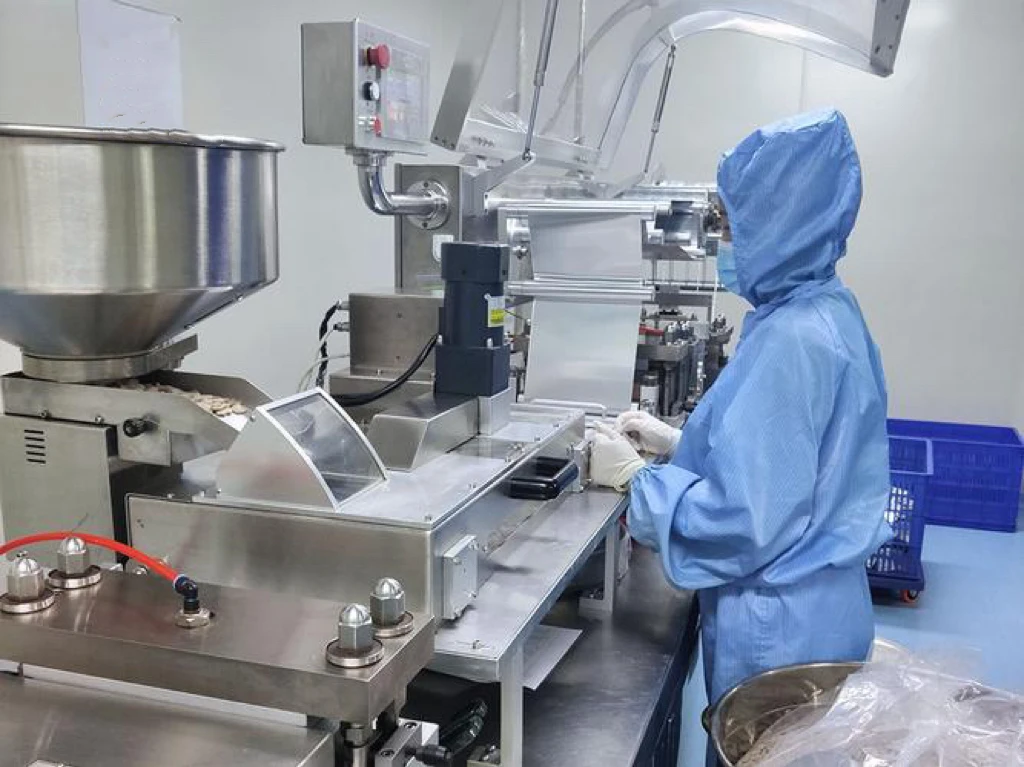
The foundation of avian multi-vitamin supplements lies in the sourcing and processing of raw materials. Vitamins are generally synthesized chemically or extracted from natural sources. Vitamin A, for instance, commonly originates from beta-carotene found in carrots, while Vitamin D3 is produced through UV irradiation of cholesterol. Trace minerals are often derived from inorganic salts (sulfates, oxides) or chelated forms (amino acid chelates, proteinates) to enhance bioavailability. Carrier materials, crucial for delivery, include purified water, vegetable oils (soybean, sunflower), glycerin, and modified starches. Manufacturing typically involves a multi-stage process: premixing of vitamin and mineral concentrates, homogenous blending with carrier materials, quality control analysis (HPLC, spectrophotometry), and final packaging. Critical parameters during manufacturing include temperature control (to prevent vitamin degradation), pH adjustment (optimizing solubility and stability), particle size uniformity (ensuring consistent dosage), and moisture content (preventing clumping and caking). The physical form – liquid, gel, powder – dictates the specific equipment and process controls utilized. For example, liquid formulations require precise filtration and sterilization, while powdered formulations demand controlled drying and milling to achieve desired particle size distribution. Chemical compatibility between ingredients is paramount to avoid precipitation or antagonistic reactions. For instance, Vitamin C (ascorbic acid) can be destabilized in the presence of certain metal ions.
Performance & Engineering
The performance of avian multi-vitamin supplements hinges on several engineering considerations. Bioavailability, a key metric, is heavily influenced by the formulation’s ability to overcome physiological barriers to absorption. Chelation of minerals significantly improves intestinal uptake compared to inorganic forms. The stability of vitamins during storage and in aqueous solutions is critical. Vitamin C, being highly labile, is particularly susceptible to oxidation and requires protective packaging (amber bottles, nitrogen flushing) and inclusion of antioxidants (Vitamin E, selenium). Formulations intended for addition to drinking water must exhibit complete solubility and stability for a defined period. Force analysis is relevant in assessing the physical integrity of coated granules; the coating must withstand handling and shipping without significant attrition. Environmental resistance is crucial; exposure to high temperatures and humidity can accelerate vitamin degradation. Compliance requirements vary by region but generally adhere to veterinary drug regulations, necessitating stringent quality control and adherence to Good Manufacturing Practices (GMP). Functional implementation depends on the target species and intended use. For example, breeding birds require higher levels of Vitamin D3 for calcium metabolism and eggshell formation, while young chicks benefit from increased Vitamin A for immune development.
Technical Specifications
| Vitamin A (IU/mL or g) | Vitamin D3 (IU/mL or g) | Vitamin E (IU/mL or g) | Vitamin C (mg/mL or g) |
|---|---|---|---|
| 10,000 IU/mL | 2,000 IU/mL | 50 IU/mL | 25 mg/mL |
| 15,000 IU/g | 3,000 IU/g | 75 IU/g | 30 mg/g |
| 20,000 IU/mL | 4,000 IU/mL | 100 IU/mL | 40 mg/mL |
| 25,000 IU/g | 5,000 IU/g | 125 IU/g | 50 mg/g |
| 30,000 IU/mL | 6,000 IU/mL | 150 IU/mL | 60 mg/mL |
| 35,000 IU/g | 7,000 IU/g | 175 IU/g | 70 mg/g |
Failure Mode & Maintenance
Failure modes in avian multi-vitamin supplements primarily stem from degradation of active ingredients, improper storage, and contamination. Vitamin degradation can occur through oxidation (Vitamin C), UV light exposure (Vitamin A, D3), and hydrolysis (B-vitamins). This manifests as reduced potency and diminished efficacy. Physical failures include settling of insoluble particles in liquid formulations, caking or clumping of powdered formulations due to moisture absorption, and coating damage on granules. Contamination, while rare with reputable manufacturers, can arise from microbial growth or heavy metal accumulation. Preventative maintenance involves storing supplements in cool, dark, and dry conditions, using tightly sealed containers, and adhering to the manufacturer’s recommended shelf life. Regular quality control testing (HPLC, spectrophotometry) is crucial to verify potency and detect any signs of degradation. For liquid formulations, visual inspection for turbidity or precipitation should be performed before each use. If settling occurs, thorough shaking is required. Discard any product exhibiting signs of spoilage or contamination. Monitoring bird health and response to supplementation is also vital; a lack of expected improvement may indicate product degradation or improper dosage. For powdered supplements, ensure proper mixing with food or water to guarantee uniform distribution of vitamins.
Industry FAQ
Q: What is the significance of chelated minerals in avian multi-vitamin supplements?
A: Chelated minerals, such as zinc and manganese bound to amino acids or proteinates, exhibit significantly enhanced bioavailability compared to inorganic salts. This improved absorption is due to the chelate protecting the mineral from interactions with dietary phytates and other compounds that hinder uptake in the intestinal tract. This results in more efficient utilization of the mineral by the bird, leading to improved physiological functions.
Q: How does the formulation type (liquid, powder, gel) impact vitamin stability and bioavailability?
A: Liquid formulations offer convenience but are generally less stable than powdered forms, particularly for vitamins sensitive to oxidation (Vitamin C). Powdered formulations, when properly stored, maintain higher potency for longer durations. Gel formulations provide a balance, offering reasonable stability and ease of administration. Bioavailability varies; oil-based solutions can enhance absorption of fat-soluble vitamins (A, D3, E).
Q: What are the key considerations for determining the appropriate dosage of a multi-vitamin supplement?
A: Dosage should be tailored to the bird's species, age, physiological state (breeding, molting, illness), and diet. Young, growing birds generally require higher vitamin levels than adults. Breeding birds have increased demands for Vitamin D3 and calcium-supporting nutrients. Always follow the manufacturer's recommended dosage guidelines and consult with a veterinarian if unsure.
Q: How can I ensure the quality and potency of a multi-vitamin supplement?
A: Choose reputable brands that adhere to Good Manufacturing Practices (GMP) and conduct independent quality control testing. Check the expiration date and store the product according to the manufacturer’s instructions. Look for products with clearly labeled vitamin and mineral content. If you notice any changes in appearance, odor, or consistency, discard the product.
Q: Are there any potential drug interactions to be aware of when using multi-vitamin supplements?
A: While generally safe, certain vitamins can interact with medications. For instance, high doses of Vitamin K can interfere with anticoagulant drugs. It is crucial to inform your veterinarian about all supplements your bird is receiving, especially if the bird is undergoing medical treatment.
Conclusion
Avian multi-vitamin supplements represent a complex field requiring careful consideration of material science, manufacturing processes, and physiological needs. Maintaining optimal vitamin stability and bioavailability remains a central challenge, driving innovation in formulation techniques and packaging materials. The industry's continued focus on quality control, adherence to regulatory standards, and species-specific nutritional requirements will be crucial for ensuring the health and well-being of avian populations.
Future developments will likely center around personalized nutrition strategies, utilizing advanced diagnostic tools to assess individual bird's vitamin and mineral status, and tailoring supplementation accordingly. Exploration of novel delivery systems, such as microencapsulation and nano-formulations, may further enhance bioavailability and targeted delivery of nutrients. Sustainable sourcing of raw materials and environmentally friendly manufacturing practices will also become increasingly important considerations for the industry.
Latest news
Copyright © 2026
Dingzhou Kangquan Pharmaceutical Co., Ltd. All Rights Reserved. Sitemap | Privacy
Policy


