2695018275@qq.com
+86
13780513619
- Afrikaans
- Albanian
- Amharic
- Arabic
- Armenian
- Azerbaijani
- Basque
- Belarusian
- Bengali
- Bosnian
- Bulgarian
- Catalan
- Cebuano
- Corsican
- Croatian
- Czech
- Danish
- Dutch
- English
- Esperanto
- Estonian
- Finnish
- French
- Frisian
- Galician
- Georgian
- German
- Greek
- Gujarati
- Haitian Creole
- hausa
- hawaiian
- Hebrew
- Hindi
- Miao
- Hungarian
- Icelandic
- igbo
- Indonesian
- irish
- Italian
- Japanese
- Javanese
- Kannada
- kazakh
- Khmer
- Rwandese
- Korean
- Kurdish
- Kyrgyz
- Lao
- Latin
- Latvian
- Lithuanian
- Luxembourgish
- Macedonian
- Malgashi
- Malay
- Malayalam
- Maltese
- Maori
- Marathi
- Mongolian
- Myanmar
- Nepali
- Norwegian
- Norwegian
- Occitan
- Pashto
- Persian
- Polish
- Portuguese
- Punjabi
- Romanian
- Russian
- Samoan
- Scottish Gaelic
- Serbian
- Sesotho
- Shona
- Sindhi
- Sinhala
- Slovak
- Slovenian
- Somali
- Spanish
- Sundanese
- Swahili
- Swedish
- Tagalog
- Tajik
- Tamil
- Tatar
- Telugu
- Thai
- Turkish
- Turkmen
- Ukrainian
- Urdu
- Uighur
- Uzbek
- Vietnamese
- Welsh
- Bantu
- Yiddish
- Yoruba
- Zulu
Apr . 01, 2024 17:55 Back to list
multi vitamin for cats Formulation and Manufacturing
Introduction
Multi-vitamin supplements for cats represent a significant segment within the companion animal nutritional support industry. These formulations are designed to address potential dietary deficiencies, support optimal health, and mitigate the effects of age-related physiological changes in felines. Their technical position within the industry chain lies between raw material sourcing (vitamins, minerals, amino acids) and finished product distribution through veterinary clinics, pet stores, and online retailers. Core performance characteristics center around bioavailability of nutrients, palatability for feline consumption, and stability of the vitamin complex during storage. A primary industry pain point revolves around ensuring accurate dosing for varying cat weights and life stages, alongside verification of ingredient purity and consistent potency – a concern escalating with increasing reports of adulterated pet supplements. Formulations commonly address deficiencies in Vitamin A, D, E, B-complex vitamins, and essential minerals like taurine, impacting vision, bone health, immune function, and cardiovascular well-being.
Material Science & Manufacturing
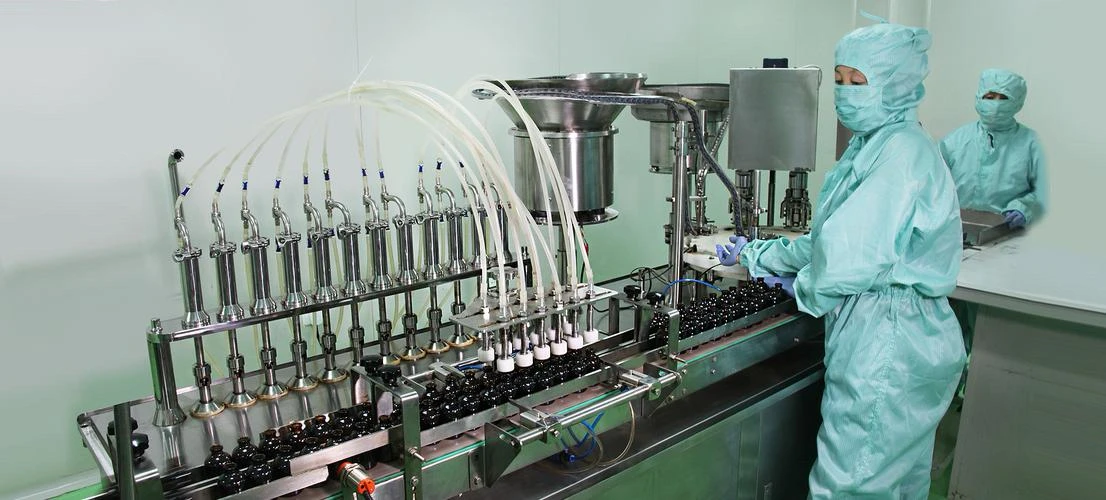
The manufacturing of multi-vitamin supplements for cats relies heavily on understanding the physical and chemical properties of constituent vitamins and minerals. Vitamins are often sourced synthetically or extracted from natural sources; the choice impacts stability and cost. Raw materials are characterized by varying molecular weights, solubilities, and sensitivities to light, oxygen, and pH. Vitamin A (retinol) is lipid-soluble and prone to oxidation, necessitating encapsulation or antioxidant addition. B-vitamins, being water-soluble, pose challenges regarding leaching during aqueous processing. Mineral chelates (e.g., iron, zinc) are frequently used to enhance bioavailability. Manufacturing processes typically involve premixing micronized vitamins and minerals with carrier agents (e.g., maltodextrin, cellulose) to ensure uniform distribution. Tablet formation involves compression or granulation, requiring precise control of binder concentration and compression force to achieve adequate hardness and friability. Soft gel encapsulation uses gelatin or plant-based polymers to create a hermetic seal, protecting sensitive ingredients. Key parameter control includes particle size distribution of raw materials, moisture content during granulation, compression force during tableting, and temperature/humidity during encapsulation. Quality control relies on HPLC and spectrophotometric assays to verify vitamin potency and identify potential contaminants.
Performance & Engineering
Performance assessment of feline multi-vitamins hinges on bioavailability – the extent to which nutrients are absorbed and utilized by the cat's physiology. Factors influencing bioavailability include the chemical form of the vitamin (e.g., ester vs. free acid), particle size, and the presence of other dietary components. Engineering considerations include ensuring palatability to encourage consumption, particularly in finicky cats. Flavor coatings and the inclusion of palatable ingredients (e.g., fish oil, chicken liver) are commonly employed. Environmental resistance is critical; formulations must maintain stability during storage and transportation, resisting degradation from heat, light, and humidity. This often involves packaging in opaque, airtight containers with desiccants. Compliance requirements dictated by AAFCO (Association of American Feed Control Officials) necessitate guaranteed analysis reporting and adherence to maximum and minimum nutrient levels. Force analysis during tableting assesses tablet hardness and disintegration time, ensuring proper administration and nutrient release. Furthermore, the formulation must be chemically compatible, preventing interactions between vitamins and minerals that could reduce potency or form insoluble complexes. For instance, Vitamin C can degrade Vitamin B12 in the presence of certain metal ions.
Technical Specifications
| Vitamin A (IU/kg) | Vitamin D3 (IU/kg) | Vitamin E (IU/kg) | Taurine (mg/kg) |
|---|---|---|---|
| 10,000 | 1,000 | 200 | 500 |
| 15,000 | 1,500 | 300 | 750 |
| 20,000 | 2,000 | 400 | 1,000 |
| 5,000 | 500 | 100 | 250 |
| 25,000 | 2,500 | 500 | 1,250 |
| 7,500 | 750 | 150 | 375 |
Failure Mode & Maintenance
Failure modes in multi-vitamin supplements for cats commonly stem from degradation of active ingredients, inadequate bioavailability, or manufacturing defects. Vitamin degradation can occur due to oxidation (Vitamin A, E), hydrolysis (B-vitamins), or light exposure. This manifests as reduced potency, rendering the supplement ineffective. Tablet disintegration failures can result from insufficient binder concentration or excessive compression force. Soft gel capsules may leak due to improper sealing or brittle gelatin. Palatability issues leading to non-consumption represent a functional failure. Failure analysis often involves HPLC testing to quantify vitamin levels and disintegration testing to assess tablet quality. Maintenance strategies include proper storage in cool, dry, and dark conditions. Packaging with moisture barriers and antioxidants is crucial. Regular quality control testing of raw materials and finished products is essential. For soft gels, maintaining optimal gelatin bloom strength and controlling humidity during manufacturing minimizes leakage. Addressing palatability concerns may involve reformulating with different flavors or encapsulation technologies. Bioavailability can be improved by using chelated minerals and incorporating lipid-soluble vitamins into oil-based carriers.
Industry FAQ
Q: What is the significance of chelated minerals in a feline multi-vitamin?
A: Chelated minerals (e.g., zinc bisglycinate) have a mineral ion bound to an amino acid. This chelation process enhances mineral absorption in the feline intestinal tract compared to inorganic forms (e.g., zinc oxide). The amino acid acts as a carrier, protecting the mineral from forming insoluble complexes and increasing its bioavailability, leading to improved utilization by the cat's body.
Q: How do you ensure the potency of fat-soluble vitamins (A, D, E) during the shelf life of the product?
A: Fat-soluble vitamins are prone to oxidation. We utilize several strategies to mitigate this: encapsulation in a protective matrix (e.g., microencapsulation with antioxidants), incorporation into oil-based carriers, and packaging in opaque, airtight containers with nitrogen flushing to displace oxygen. Regular potency testing via HPLC is also performed throughout the product's shelf life to verify stability.
Q: What quality control measures are in place to verify the absence of heavy metal contamination?
A: We implement rigorous raw material sourcing and testing protocols. All raw materials undergo ICP-MS (Inductively Coupled Plasma Mass Spectrometry) analysis to screen for heavy metals (lead, arsenic, mercury, cadmium) and ensure they comply with AAFCO and USP (United States Pharmacopeia) limits. Finished product testing is also conducted periodically to confirm compliance.
Q: What considerations are given to palatability, especially for cats with reduced appetite?
A: Palatability is a critical factor. We incorporate highly palatable ingredients such as fish oil, chicken liver powder, and yeast extract. Flavor coatings are applied to tablets. Soft gel formulations are preferred by many cats. We conduct palatability trials with a feline panel to evaluate acceptance rates and refine formulations accordingly.
Q: What is the role of Taurine in feline multi-vitamin formulations?
A: Taurine is an essential amino acid for cats, meaning they cannot synthesize it in sufficient quantities. It’s crucial for normal vision, heart function, and reproductive health. Taurine deficiency can lead to dilated cardiomyopathy and retinal degeneration. Supplementation ensures adequate taurine intake, particularly in cats fed diets potentially deficient in this essential nutrient.
Conclusion
The efficacy of multi-vitamin supplements for cats is contingent upon a comprehensive understanding of nutrient bioavailability, formulation stability, and manufacturing process control. Rigorous quality assurance protocols, including raw material testing, potency verification, and stability studies, are paramount to ensuring product safety and efficacy. Addressing industry pain points such as accurate dosing and ingredient purity remains a crucial focus for manufacturers.
Future development within this segment will likely focus on personalized nutrition based on individual feline health profiles, utilizing advanced delivery systems (e.g., liposomes) to further enhance bioavailability, and incorporating novel ingredients with demonstrable health benefits. A continued emphasis on scientific validation and adherence to evolving regulatory standards will be essential for maintaining consumer trust and driving innovation in the feline multi-vitamin market.
Latest news
Copyright © 2026
Dingzhou Kangquan Pharmaceutical Co., Ltd. All Rights Reserved. Sitemap | Privacy
Policy


