2695018275@qq.com
+86
13780513619
- Afrikaans
- Albanian
- Amharic
- Arabic
- Armenian
- Azerbaijani
- Basque
- Belarusian
- Bengali
- Bosnian
- Bulgarian
- Catalan
- Cebuano
- Corsican
- Croatian
- Czech
- Danish
- Dutch
- English
- Esperanto
- Estonian
- Finnish
- French
- Frisian
- Galician
- Georgian
- German
- Greek
- Gujarati
- Haitian Creole
- hausa
- hawaiian
- Hebrew
- Hindi
- Miao
- Hungarian
- Icelandic
- igbo
- Indonesian
- irish
- Italian
- Japanese
- Javanese
- Kannada
- kazakh
- Khmer
- Rwandese
- Korean
- Kurdish
- Kyrgyz
- Lao
- Latin
- Latvian
- Lithuanian
- Luxembourgish
- Macedonian
- Malgashi
- Malay
- Malayalam
- Maltese
- Maori
- Marathi
- Mongolian
- Myanmar
- Nepali
- Norwegian
- Norwegian
- Occitan
- Pashto
- Persian
- Polish
- Portuguese
- Punjabi
- Romanian
- Russian
- Samoan
- Scottish Gaelic
- Serbian
- Sesotho
- Shona
- Sindhi
- Sinhala
- Slovak
- Slovenian
- Somali
- Spanish
- Sundanese
- Swahili
- Swedish
- Tagalog
- Tajik
- Tamil
- Tatar
- Telugu
- Thai
- Turkish
- Turkmen
- Ukrainian
- Urdu
- Uighur
- Uzbek
- Vietnamese
- Welsh
- Bantu
- Yiddish
- Yoruba
- Zulu
Apr . 01, 2024 17:55 Back to list
multivit cat Formulation Analysis
Introduction
Multivitamin cat supplements represent a critical component of preventative feline healthcare, formulated to address potential nutritional deficiencies common in commercially produced cat diets or arising from specific health conditions. Positioned within the animal health and nutrition industry, these supplements serve as an adjunct to complete and balanced feline foods, aiming to optimize physiological function and bolster immune resilience. Core performance characteristics center around bioavailability of vitamins and minerals, palatability for ease of administration, and formulation stability to ensure efficacy throughout the product’s shelf life. These supplements are increasingly important given the trend towards indoor cat lifestyles, specific dietary needs of aging felines, and the prevalence of certain health challenges like kidney disease and inflammatory bowel disease.
Material Science & Manufacturing
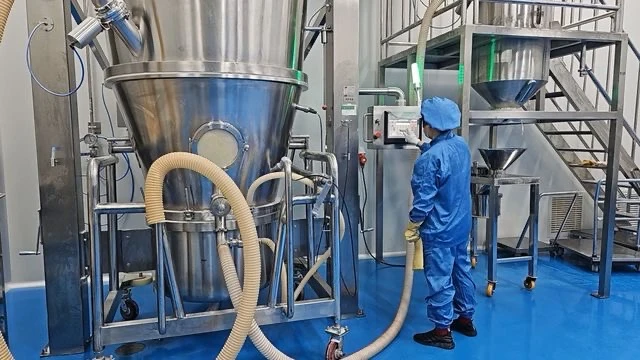
The manufacturing of multivitamin cat supplements involves a complex interplay of material science and precision processing. Raw materials typically include Vitamin A (retinyl acetate/palmitate), Vitamin D (cholecalciferol), Vitamin E (tocopherol acetate), B-complex vitamins (thiamine, riboflavin, niacin, pyridoxine, cyanocobalamin), Vitamin C (ascorbic acid), essential minerals (calcium, phosphorus, magnesium, iron, zinc, copper, manganese, selenium, iodine), and often, added amino acids and fatty acids (taurine, omega-3/omega-6 fatty acids). The physical properties of these compounds dictate processing parameters. For example, Vitamin D3, being fat-soluble, requires incorporation into a lipid carrier for enhanced absorption. Manufacturing typically proceeds via blending of micronized powders, granulation to improve flowability, and encapsulation. Encapsulation methods include softgel (gelatin-based, requiring precise temperature and humidity control to prevent capsule deformation) and dry-filled capsules (typically cellulose-based, requiring consistent powder density). Quality control focuses on assaying vitamin and mineral content via High-Performance Liquid Chromatography (HPLC) and Atomic Absorption Spectroscopy (AAS), ensuring compliance with established potency standards. Excipients used, such as microcrystalline cellulose and magnesium stearate, must be pharmaceutical grade and undergo stringent purity testing. The selection of these materials directly influences bioavailability and overall product effectiveness.
Performance & Engineering
Performance evaluation of multivitamin cat supplements hinges on assessing bioavailability and physiological impact. Bioavailability is influenced by several factors, including particle size, formulation matrix, and the cat’s individual digestive physiology. Studies utilize plasma vitamin concentration measurements following oral administration to determine absorption rates. Engineering considerations involve optimizing capsule shell permeability for rapid vitamin release in the small intestine. The efficacy of mineral absorption is often enhanced by chelation – binding minerals to amino acids to improve intestinal transport. Palatability is critical; coatings are often applied to mask potentially unpleasant tastes. Environmental resistance testing evaluates the supplement’s stability under varying temperature and humidity conditions, mimicking storage and transportation scenarios. Compliance requirements demand adherence to Good Manufacturing Practices (GMP) as outlined by regulatory bodies (detailed in the Standards & Regulations section). Force analysis, while less directly applicable to the finished product, is crucial during capsule manufacturing to ensure structural integrity and prevent breakage during handling. Furthermore, ensuring the supplement doesn't interact negatively with commonly prescribed feline medications requires careful formulation consideration and potential drug interaction studies.
Technical Specifications
| Vitamin A (IU/serving) | Vitamin D (IU/serving) | Vitamin E (IU/serving) | Taurine (mg/serving) |
|---|---|---|---|
| 5,000 IU | 400 IU | 100 IU | 250 mg |
| 10,000 IU | 800 IU | 200 IU | 500 mg |
| 2,500 IU | 200 IU | 50 IU | 125 mg |
| 7,500 IU | 600 IU | 150 IU | 375 mg |
| 12,500 IU | 1000 IU | 250 IU | 625 mg |
| 3,000 IU | 300 IU | 75 IU | 180 mg |
Failure Mode & Maintenance
Failure modes in multivitamin cat supplements are diverse, ranging from degradation of active ingredients to physical defects in the delivery system. Oxidation of fat-soluble vitamins (A, D, E) is a common concern, accelerated by exposure to light, air, and heat. This results in diminished potency and reduced efficacy. Hydrolytic degradation of Vitamin C, particularly in humid environments, is another potential failure point. Physical failures include capsule shell brittleness leading to breakage during handling, uneven powder distribution within capsules causing inconsistent dosing, and softening or melting of softgel capsules due to temperature fluctuations. Maintenance protocols involve storing supplements in a cool, dry, and dark environment. Packaging materials with low oxygen transmission rates (OTR) and moisture vapor transmission rates (WVTR) are crucial. Regular quality control testing (assaying vitamin content) is essential to monitor product stability over time. For softgel capsules, maintaining consistent gelatin bloom strength and glycerol/sorbitol ratios is vital for preventing capsule deformation. Educating consumers on proper storage conditions is paramount to maximizing product shelf life and ensuring optimal benefit to the feline patient.
Industry FAQ
Q: What is the optimal form of Vitamin D for feline supplementation, and why?
A: Cholecalciferol (Vitamin D3) is unequivocally the preferred form for feline supplementation. Cats lack the hepatic enzymes necessary to efficiently convert ergocalciferol (Vitamin D2, plant-derived) to its biologically active form. Consequently, D3 exhibits significantly higher bioavailability and is more effectively utilized in calcium metabolism, crucial for bone health and preventing secondary hyperparathyroidism.
Q: How do you ensure the bioavailability of chelated minerals in these supplements?
A: Bioavailability is ensured through careful selection of chelating agents – typically amino acid chelates like glycine or lysine. These agents bind to the mineral ions, forming a complex that is more resistant to precipitation in the alkaline environment of the small intestine. This enhanced solubility and stability facilitates greater absorption across the intestinal epithelium. We utilize third-party testing to verify chelation rates and mineral bioavailability.
Q: What role does the capsule shell material play in product stability?
A: The capsule shell material is critical. For hard gelatin capsules, moisture content is paramount, as excessive moisture can lead to softening and potential vitamin degradation. For softgels, gelatin bloom strength and plasticizer concentration (glycerol/sorbitol) determine the capsule's flexibility and resistance to cracking. We specify pharmaceutical-grade materials with tightly controlled specifications and conduct rigorous testing for moisture permeability and structural integrity.
Q: Are there any potential drug interactions to consider when administering these supplements concurrently with other medications?
A: While generally safe, potential interactions exist. High doses of Vitamin K can interfere with anticoagulant medications. Fat-soluble vitamin supplementation may alter the metabolism of fat-soluble drugs. Zinc can impair copper absorption. It is crucial that veterinary professionals are informed of all concurrent medications and supplements to assess potential interactions and adjust dosages accordingly.
Q: How are raw materials sourced and tested to guarantee purity and absence of contaminants?
A: We maintain a strict vendor qualification program, sourcing raw materials only from reputable suppliers with documented quality control systems. Each batch of raw materials undergoes comprehensive testing, including heavy metal analysis (arsenic, lead, mercury, cadmium), microbial testing (total plate count, yeast and mold), pesticide residue analysis, and identity verification using spectroscopic methods. Certificates of Analysis (COAs) are required for each lot and independently verified by our in-house quality control laboratory.
Conclusion
Multivitamin cat supplements represent a sophisticated application of nutritional science and pharmaceutical engineering. Successful formulation necessitates a deep understanding of feline physiology, vitamin and mineral bioavailability, and the impact of manufacturing processes on product stability. The meticulous control of raw material sourcing, processing parameters, and quality assurance protocols are paramount to delivering a safe and efficacious product that addresses the evolving nutritional needs of the feline population.
Future advancements will likely focus on personalized nutrition, tailoring supplement formulations to individual feline metabolic profiles. Further research into the synergistic effects of different vitamin and mineral combinations, alongside improvements in encapsulation technologies for targeted nutrient delivery, will undoubtedly refine the efficacy and utility of these critical preventative healthcare tools. Continued adherence to stringent regulatory standards and robust quality control measures will be essential to maintain consumer trust and ensure optimal feline health outcomes.
Latest news
Copyright © 2026
Dingzhou Kangquan Pharmaceutical Co., Ltd. All Rights Reserved. Sitemap | Privacy
Policy


