
2695018275@qq.com
+86
13780513619
- Afrikaans
- Albanian
- Amharic
- Arabic
- Armenian
- Azerbaijani
- Basque
- Belarusian
- Bengali
- Bosnian
- Bulgarian
- Catalan
- Cebuano
- Corsican
- Croatian
- Czech
- Danish
- Dutch
- English
- Esperanto
- Estonian
- Finnish
- French
- Frisian
- Galician
- Georgian
- German
- Greek
- Gujarati
- Haitian Creole
- hausa
- hawaiian
- Hebrew
- Hindi
- Miao
- Hungarian
- Icelandic
- igbo
- Indonesian
- irish
- Italian
- Japanese
- Javanese
- Kannada
- kazakh
- Khmer
- Rwandese
- Korean
- Kurdish
- Kyrgyz
- Lao
- Latin
- Latvian
- Lithuanian
- Luxembourgish
- Macedonian
- Malgashi
- Malay
- Malayalam
- Maltese
- Maori
- Marathi
- Mongolian
- Myanmar
- Nepali
- Norwegian
- Norwegian
- Occitan
- Pashto
- Persian
- Polish
- Portuguese
- Punjabi
- Romanian
- Russian
- Samoan
- Scottish Gaelic
- Serbian
- Sesotho
- Shona
- Sindhi
- Sinhala
- Slovak
- Slovenian
- Somali
- Spanish
- Sundanese
- Swahili
- Swedish
- Tagalog
- Tajik
- Tamil
- Tatar
- Telugu
- Thai
- Turkish
- Turkmen
- Ukrainian
- Urdu
- Uighur
- Uzbek
- Vietnamese
- Welsh
- Bantu
- Yiddish
- Yoruba
- Zulu
Apr . 01, 2024 17:55 Back to list
multivitamin birds Performance Analysis
Introduction
Multivitamin birds, referring to commercially produced avian feed supplements designed to enhance health and productivity in poultry, represent a critical component of modern intensive livestock farming. Technically positioned between raw feed ingredient sourcing and finished poultry product (meat, eggs), these supplements are not singular compounds but complex formulations. Their core performance objective is to address nutritional deficiencies within standard feed rations, bolstering immune function, improving growth rates, enhancing eggshell quality, and optimizing overall flock health. These products are typically delivered as powders, liquids, or coated granules, requiring precise mixing ratios and even distribution to ensure efficacy. The industry faces challenges related to bioavailability of vitamins, maintaining product stability during storage, and ensuring compliance with increasingly stringent regulatory standards regarding permitted additives and residue levels.
Material Science & Manufacturing
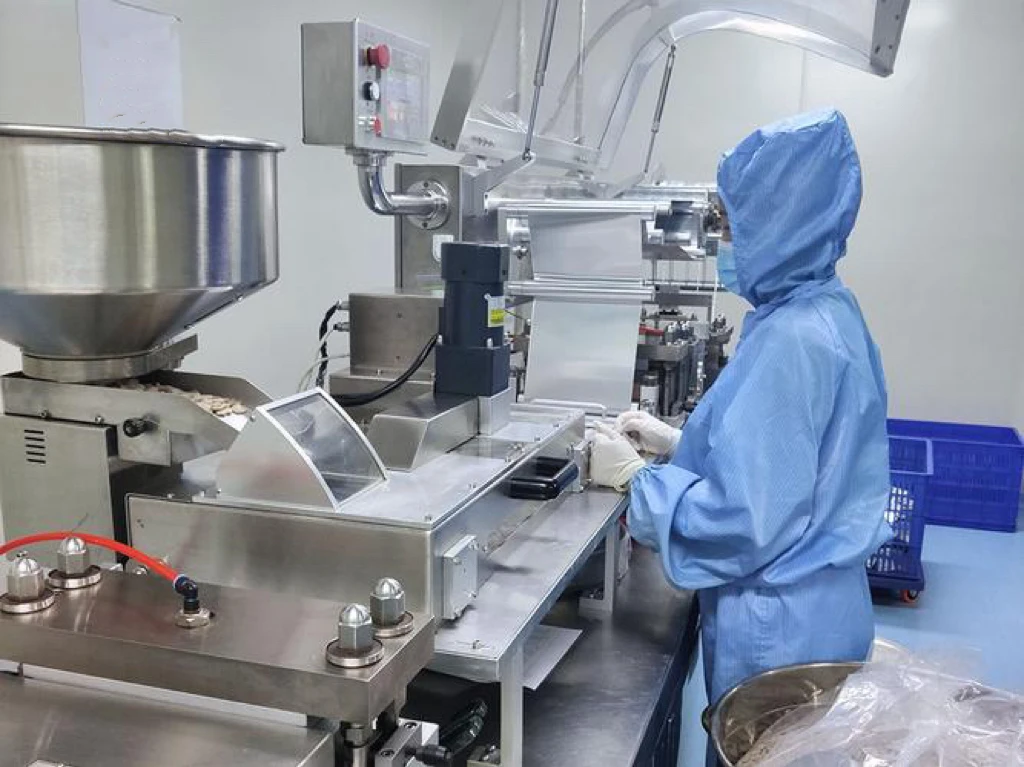
The manufacturing of multivitamin birds necessitates a deep understanding of both vitamin chemistry and feed pelletization/coating processes. Raw materials consist of synthetic vitamins (A, D3, E, K, B-complex, C), trace minerals (zinc, manganese, copper, iron, selenium, iodine), amino acid chelates (to enhance mineral absorption), and carrier agents (such as calcium carbonate, silicon dioxide, or wheat distillers dried grains with solubles). Vitamins themselves exhibit varying degrees of thermal stability, light sensitivity, and solubility. For example, Vitamin C (ascorbic acid) is highly susceptible to oxidation, requiring encapsulation or protective coatings. Vitamin D3 is sensitive to UV light. Manufacturing commonly involves micronization of vitamins to increase surface area for improved mixing and bioavailability. Blending is a critical step, requiring homogenous distribution of all ingredients. Liquid formulations utilize solvents like vegetable oil or propylene glycol. Dry formulations undergo granulation or coating to reduce dust and improve flowability. Quality control focuses on assaying vitamin potency, moisture content, heavy metal contamination, and bacterial load. Parameter control during pelletization, including temperature, pressure, and residence time, is crucial to prevent vitamin degradation. Material compatibility is also paramount; certain vitamins can react negatively with specific carrier agents, reducing their effectiveness.
Performance & Engineering
The performance of multivitamin birds is fundamentally linked to pharmacokinetic principles – absorption, distribution, metabolism, and excretion. Bioavailability, the proportion of a vitamin that reaches systemic circulation, is a key engineering consideration. Factors influencing bioavailability include particle size, chemical form of the vitamin, presence of antinutritional factors in the feed, and the bird’s digestive physiology. Force analysis relates to the physical integrity of the supplement – ensuring adequate compressive strength for pellets or abrasion resistance for coated granules. Environmental resistance is critical; exposure to heat, humidity, and sunlight can degrade vitamins. Compliance requirements, dictated by regulatory bodies (discussed in the Standards & Regulations section), mandate specific vitamin inclusion rates, maximum permissible levels of contaminants, and accurate labeling. Functional implementation involves precise dosage control, typically expressed as milligrams of vitamin per kilogram of feed. Incorrect dosage can lead to vitamin deficiencies or toxicities. Furthermore, the interaction between vitamins and other feed components (e.g., phytase enhancing phosphorus availability) must be considered for optimal performance. Shelf-life stability studies, conducted under accelerated aging conditions, are essential to determine the product’s expiration date.
Technical Specifications
| Vitamin | Typical Inclusion Rate (mg/kg feed) | Physical Form | Stability Considerations |
|---|---|---|---|
| Vitamin A (Retinol) | 2,000 – 4,000 IU | Dry Powder, Encapsulated | Light & Oxygen Sensitive; requires antioxidant addition |
| Vitamin D3 (Cholecalciferol) | 500 – 1,000 IU | Dry Powder, Oil Solution | UV Light Sensitive; requires opaque packaging |
| Vitamin E (Alpha-Tocopherol) | 50 – 150 IU | Oil Solution, Dry Powder | Susceptible to Oxidation; requires antioxidant addition |
| Vitamin K3 (Menadione Sodium Bisulfite) | 1 – 3 mg | Dry Powder | Moisture Sensitive; hygroscopic |
| B-Complex Vitamins | Variable (see individual vitamins) | Dry Powder, Liquid | Water Soluble; less prone to toxicity but require consistent supplementation |
| Vitamin C (Ascorbic Acid) | 50 – 200 mg | Encapsulated Powder | Highly susceptible to Oxidation; requires specialized encapsulation technology |
Failure Mode & Maintenance
Failure modes in multivitamin bird products predominantly stem from degradation of active ingredients. Common issues include vitamin oxidation (particularly Vitamin C and E), hydrolysis (Vitamin A), and photochemical decomposition (Vitamin D3). Physical failures include caking of powders due to moisture absorption, delamination of coatings, and segregation of ingredients during mixing or transport. Microbial contamination can also compromise product quality. Failure analysis reveals that inadequate packaging (permeable to oxygen or light), improper storage conditions (high temperature, humidity), and deviations from recommended mixing procedures are primary contributing factors. Maintenance focuses on implementing robust quality control protocols at each stage of manufacturing. This includes regular assaying of vitamin potency, monitoring moisture content, ensuring proper packaging integrity, and adhering to strict hygiene standards. Preventive maintenance of mixing equipment and granulation/coating machinery is crucial to maintain product uniformity. Furthermore, conducting routine stability testing is vital to establish accurate shelf-life estimates and detect early signs of degradation. Proper inventory management (FIFO – First In, First Out) minimizes the risk of using expired or degraded products.
Industry FAQ
Q: What is the impact of particle size on vitamin bioavailability in poultry feed?
A: Smaller particle sizes generally lead to increased surface area, enhancing the rate of dissolution and absorption. However, excessively fine particles can cause dustiness and handling issues. Micronization is commonly employed to optimize particle size for improved bioavailability without compromising processability.
Q: How do you address the issue of vitamin degradation during feed pelleting?
A: Vitamin degradation during pelleting is mitigated through several strategies. These include using heat-stable vitamin forms, adding antioxidants to the formulation, minimizing pelleting temperature and residence time, and applying protective coatings to vitamins prior to pelleting.
Q: What are the key considerations when selecting a carrier agent for dry vitamin premixes?
A: Carrier agents should be inert, non-toxic, have good flowability, and be compatible with the vitamins being incorporated. They should also be readily available and cost-effective. Calcium carbonate and silicon dioxide are commonly used carrier agents.
Q: How does the inclusion of phytase in poultry feed affect vitamin requirements?
A: Phytase enhances the bioavailability of phosphorus, which can reduce the need for inorganic phosphate supplementation. It also releases bound minerals, potentially improving the absorption of other nutrients, including some vitamins. Vitamin D3 requirements may be slightly reduced with phytase supplementation.
Q: What regulatory requirements govern the labeling and permissible levels of vitamins in poultry feed supplements?
A: Regulatory requirements vary by country. In the US, the FDA and AAFCO establish standards for vitamin levels and labeling. In the EU, regulations are governed by directives and regulations related to animal feed additives. Compliance requires accurate assaying of vitamin content and adherence to maximum permissible limits to avoid toxicity or residue concerns.
Conclusion
Multivitamin birds are indispensable components of modern poultry production, bridging the gap between standard feed formulations and optimal avian health. Their efficacy is predicated on a complex interplay of material science, manufacturing precision, pharmacokinetic principles, and strict adherence to regulatory standards. Addressing the challenges related to vitamin stability, bioavailability, and product uniformity requires a comprehensive understanding of vitamin chemistry, feed processing technology, and the physiological needs of poultry.
Continued innovation in encapsulation technologies, antioxidant systems, and formulation strategies will be critical to further enhance the performance and shelf-life of these essential feed supplements. Proactive monitoring of emerging regulatory changes and a commitment to rigorous quality control are paramount to ensure the long-term sustainability and effectiveness of multivitamin birds in supporting a safe and efficient poultry industry.
Latest news
Copyright © 2026
Dingzhou Kangquan Pharmaceutical Co., Ltd. All Rights Reserved. Sitemap | Privacy
Policy


