
2695018275@qq.com
+86
13780513619
- Afrikaans
- Albanian
- Amharic
- Arabic
- Armenian
- Azerbaijani
- Basque
- Belarusian
- Bengali
- Bosnian
- Bulgarian
- Catalan
- Cebuano
- Corsican
- Croatian
- Czech
- Danish
- Dutch
- English
- Esperanto
- Estonian
- Finnish
- French
- Frisian
- Galician
- Georgian
- German
- Greek
- Gujarati
- Haitian Creole
- hausa
- hawaiian
- Hebrew
- Hindi
- Miao
- Hungarian
- Icelandic
- igbo
- Indonesian
- irish
- Italian
- Japanese
- Javanese
- Kannada
- kazakh
- Khmer
- Rwandese
- Korean
- Kurdish
- Kyrgyz
- Lao
- Latin
- Latvian
- Lithuanian
- Luxembourgish
- Macedonian
- Malgashi
- Malay
- Malayalam
- Maltese
- Maori
- Marathi
- Mongolian
- Myanmar
- Nepali
- Norwegian
- Norwegian
- Occitan
- Pashto
- Persian
- Polish
- Portuguese
- Punjabi
- Romanian
- Russian
- Samoan
- Scottish Gaelic
- Serbian
- Sesotho
- Shona
- Sindhi
- Sinhala
- Slovak
- Slovenian
- Somali
- Spanish
- Sundanese
- Swahili
- Swedish
- Tagalog
- Tajik
- Tamil
- Tatar
- Telugu
- Thai
- Turkish
- Turkmen
- Ukrainian
- Urdu
- Uighur
- Uzbek
- Vietnamese
- Welsh
- Bantu
- Yiddish
- Yoruba
- Zulu
Apr . 01, 2024 17:55 Back to list
multivitamin chews for dogs Performance and Engineering
Introduction
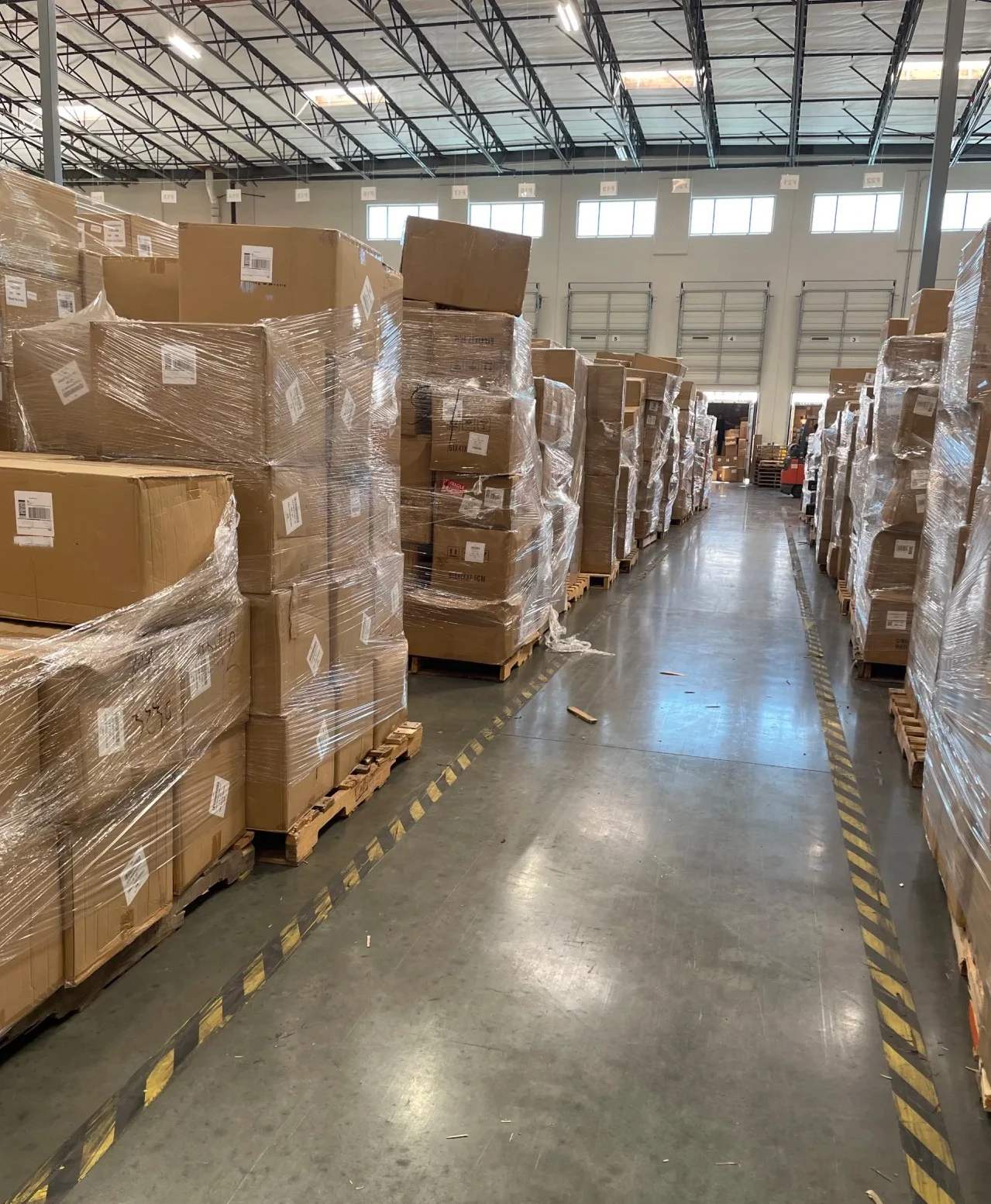
Multivitamin chews for dogs represent a significant advancement in canine nutritional supplementation, positioned within the broader pet health and wellness industry. These chews are formulated to address potential dietary deficiencies common in commercially prepared dog foods, or arising from specific life stages or health conditions. Unlike traditional tablets or capsules, the chewable format enhances palatability and compliance, addressing a core pain point for pet owners. The product’s efficacy is predicated on bioavailable delivery of essential vitamins, minerals, and often, supplementary nutrients like omega fatty acids. Core performance characteristics include vitamin stability during processing and storage, accurate dosage delivery, and demonstrable positive impact on canine health metrics like coat condition, energy levels, and immune function. The sector is driven by increasing pet humanization trends and a growing consumer focus on preventative healthcare for animals.
Material Science & Manufacturing
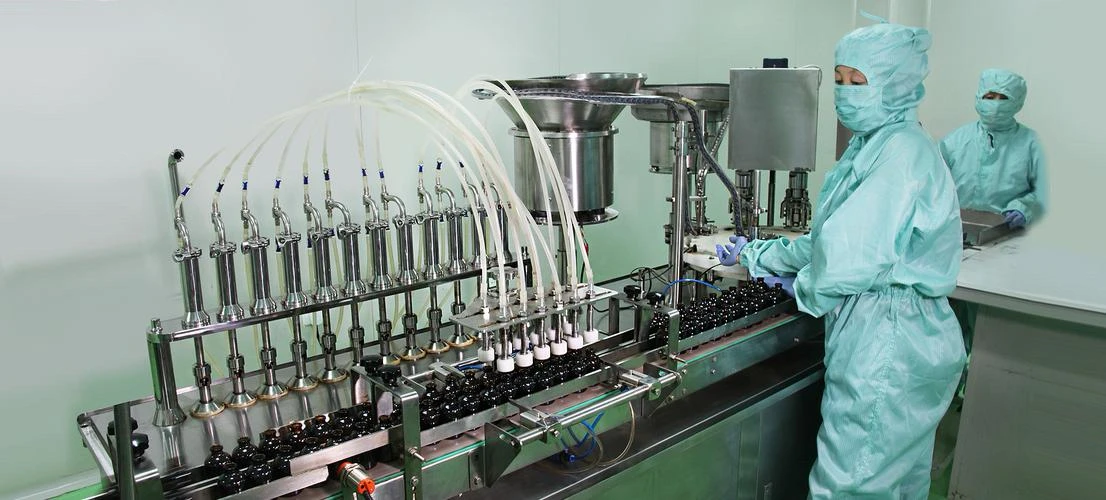
The manufacturing of multivitamin chews relies on a complex interplay of material science and processing techniques. The primary matrix is typically composed of a binding agent, often a starch-based derivative (cornstarch, potato starch, tapioca starch) chosen for its textural properties and cost-effectiveness. Gelatin or plant-based alternatives like pectin contribute to chewiness and structural integrity. Fat sources, such as vegetable oil (sunflower, canola) or animal fats, are incorporated to improve palatability and enhance vitamin solubility. The active ingredients – vitamins (A, D, E, B-complex, C), minerals (calcium, phosphorus, zinc, iron), and often omega-3/omega-6 fatty acids – require careful consideration of their chemical stability and compatibility with other excipients. Manufacturing involves blending dry ingredients, creating a homogenous slurry with liquid components, extruding the mixture into chewable shapes, and drying to reduce moisture content. Critical parameters include mixing time (ensuring uniform vitamin distribution), extrusion temperature (preventing vitamin degradation), and drying rate (controlling texture and preventing cracking). Raw material sourcing and quality control are paramount, specifically focusing on vitamin potency, purity, and the absence of contaminants. Encapsulation technologies may be employed for sensitive vitamins (e.g., Vitamin C) to protect them from oxidation during processing and storage. The chews' water activity (Aw) is rigorously controlled below 0.6 to inhibit microbial growth and maintain product shelf life. Polymer characterization of binding agents (molecular weight, degree of hydrolysis) impacts chew texture and release kinetics.
Performance & Engineering
Performance of multivitamin chews is multifaceted, extending beyond simple vitamin delivery. Mechanical strength – tensile strength and elongation at break – is critical to prevent breakage during handling and packaging. This is directly correlated to the ratio of binding agents to fats, and the degree of starch gelatinization achieved during extrusion. Vitamin bioavailability is a key engineering consideration; chelation of minerals (e.g., zinc bisglycinate) improves absorption in the canine gastrointestinal tract. Taste masking is essential, especially for vitamins with inherent bitterness. This is accomplished through coating with palatable substances or microencapsulation. Environmental resistance – specifically, protection against oxidation and moisture ingress – is addressed through packaging materials (e.g., metallized films, airtight containers) and the inclusion of antioxidants (e.g., Vitamin E, BHT) in the formulation. Stability studies, conducted under accelerated aging conditions (elevated temperature and humidity), are vital to determine shelf life and ensure vitamin potency remains within specified limits. Compliance requirements, such as those established by AAFCO (Association of American Feed Control Officials), dictate minimum and maximum vitamin and mineral levels. Force analysis during the chewing process informs the optimal texture to balance palatability with structural integrity. The chew’s density impacts the vitamin concentration per unit volume, influencing dosage accuracy. Degradation studies are essential to identify potential breakdown products and their toxicity.
Technical Specifications
| Vitamin A (IU/chew) | Vitamin D3 (IU/chew) | Vitamin E (IU/chew) | Vitamin C (mg/chew) |
|---|---|---|---|
| 500 | 100 | 50 | 25 |
| 1000 | 200 | 100 | 50 |
| 1500 | 300 | 150 | 75 |
| 2000 | 400 | 200 | 100 |
| 2500 | 500 | 250 | 125 |
| 3000 | 600 | 300 | 150 |
Failure Mode & Maintenance
Failure modes in multivitamin chews for dogs can be categorized into physical, chemical, and biological deterioration. Physical failures include cracking or crumbling due to insufficient binding agent or improper drying, leading to dosage inaccuracies and palatability issues. Oxidation of vitamins (particularly Vitamin A, C, and E) is a common chemical failure, resulting in reduced potency. This is accelerated by exposure to air, light, and heat. Hydrolytic degradation of vitamins, driven by moisture absorption, also reduces efficacy. Microbial contamination, though less frequent with controlled water activity, can occur if packaging is compromised or sanitation protocols are inadequate. Fat rancidity, evidenced by an off-odor and taste, indicates lipid oxidation and can render the chew unacceptable. Maintenance and prevention involve proper storage (cool, dry, dark conditions), airtight packaging, the use of antioxidants, and regular quality control testing (vitamin potency assays, microbial counts, peroxide value for fat oxidation). Shelf-life studies are critical for establishing retest dates. Addressing crumbling can involve adjusting the starch gelatinization process or increasing the concentration of binding agents. Coating sensitive vitamins with protective films can minimize oxidation. Implementing a robust HACCP (Hazard Analysis and Critical Control Points) plan is crucial for preventing microbial contamination. Failure analysis should include microscopic examination of fractured chews to identify structural weaknesses.
Industry FAQ
Q: What is the impact of ingredient sourcing on the overall quality and bioavailability of the vitamins in these chews?
A: Ingredient sourcing is paramount. Vitamins sourced from reputable manufacturers with established quality control systems (e.g., USP, NF certification) are essential. Bioavailability is directly influenced by the chemical form of the vitamin; for instance, chelated minerals like zinc bisglycinate are significantly more bioavailable than simple mineral salts. Traceability of ingredients, from raw material origin to finished product, is critical for ensuring authenticity and preventing adulteration.
Q: How do you ensure consistent vitamin dosage in each chew, given the complexities of the manufacturing process?
A: Consistent dosage is achieved through precise formulation control, rigorous mixing procedures, and calibrated extrusion equipment. In-process quality control checks, including weight variation analysis and vitamin content testing of random samples, are performed throughout the production run. Statistical Process Control (SPC) is used to monitor key process parameters and identify potential deviations. Finished product testing, utilizing HPLC or other analytical techniques, confirms vitamin potency within specified limits.
Q: What measures are taken to prevent vitamin degradation during manufacturing, storage, and the chew’s shelf life?
A: We employ several strategies to minimize vitamin degradation. Extrusion temperatures are carefully controlled to avoid heat-induced breakdown. Antioxidants (Vitamin E, BHT) are incorporated into the formulation to protect against oxidation. Packaging materials with excellent barrier properties (moisture, oxygen, light) are used. Storage recommendations emphasize cool, dry, and dark conditions. Accelerated stability studies are conducted to determine shelf life and retest dates.
Q: How does the chewable matrix affect vitamin absorption and bioavailability in the dog's digestive system?
A: The chewable matrix plays a significant role. The binding agents must be readily digestible and not interfere with vitamin absorption. Fat content can enhance the absorption of fat-soluble vitamins (A, D, E, K). The chew’s texture impacts the rate of vitamin release in the gastrointestinal tract. Microencapsulation can protect vitamins from degradation in the stomach and facilitate targeted release in the small intestine.
Q: What regulatory standards and certifications are relevant to the production of these multivitamin chews?
A: Production adheres to AAFCO guidelines for pet food ingredients and labeling. We maintain compliance with Good Manufacturing Practices (GMP) as outlined by the FDA. We conduct regular audits to ensure adherence to these standards. Third-party certifications, such as those from NSF International, demonstrate our commitment to quality and safety. Ingredient suppliers are vetted for compliance with relevant food safety regulations.
Conclusion
Multivitamin chews for dogs represent a sophisticated application of material science and manufacturing engineering within the pet nutrition sector. The successful formulation and production of these chews depend on meticulous control of raw material quality, process parameters, and packaging characteristics. Addressing the inherent challenges of vitamin stability, bioavailability, and palatability requires a deep understanding of canine physiology and nutrient requirements.
Ongoing research and development efforts are focused on optimizing vitamin delivery systems, improving chew texture, and enhancing product stability. Future trends will likely include personalized nutrition based on canine genetics and lifestyle, and the incorporation of novel bioactive compounds to support specific health conditions. Continued adherence to stringent quality control standards and regulatory compliance will be essential for maintaining consumer trust and ensuring the long-term success of this evolving product category.
Latest news
Copyright © 2026
Dingzhou Kangquan Pharmaceutical Co., Ltd. All Rights Reserved. Sitemap | Privacy
Policy


