
2695018275@qq.com
+86
13780513619
- Afrikaans
- Albanian
- Amharic
- Arabic
- Armenian
- Azerbaijani
- Basque
- Belarusian
- Bengali
- Bosnian
- Bulgarian
- Catalan
- Cebuano
- Corsican
- Croatian
- Czech
- Danish
- Dutch
- English
- Esperanto
- Estonian
- Finnish
- French
- Frisian
- Galician
- Georgian
- German
- Greek
- Gujarati
- Haitian Creole
- hausa
- hawaiian
- Hebrew
- Hindi
- Miao
- Hungarian
- Icelandic
- igbo
- Indonesian
- irish
- Italian
- Japanese
- Javanese
- Kannada
- kazakh
- Khmer
- Rwandese
- Korean
- Kurdish
- Kyrgyz
- Lao
- Latin
- Latvian
- Lithuanian
- Luxembourgish
- Macedonian
- Malgashi
- Malay
- Malayalam
- Maltese
- Maori
- Marathi
- Mongolian
- Myanmar
- Nepali
- Norwegian
- Norwegian
- Occitan
- Pashto
- Persian
- Polish
- Portuguese
- Punjabi
- Romanian
- Russian
- Samoan
- Scottish Gaelic
- Serbian
- Sesotho
- Shona
- Sindhi
- Sinhala
- Slovak
- Slovenian
- Somali
- Spanish
- Sundanese
- Swahili
- Swedish
- Tagalog
- Tajik
- Tamil
- Tatar
- Telugu
- Thai
- Turkish
- Turkmen
- Ukrainian
- Urdu
- Uighur
- Uzbek
- Vietnamese
- Welsh
- Bantu
- Yiddish
- Yoruba
- Zulu
Apr . 01, 2024 17:55 Back to list
multivitamin for dogs with allergies Performance Analysis
Introduction
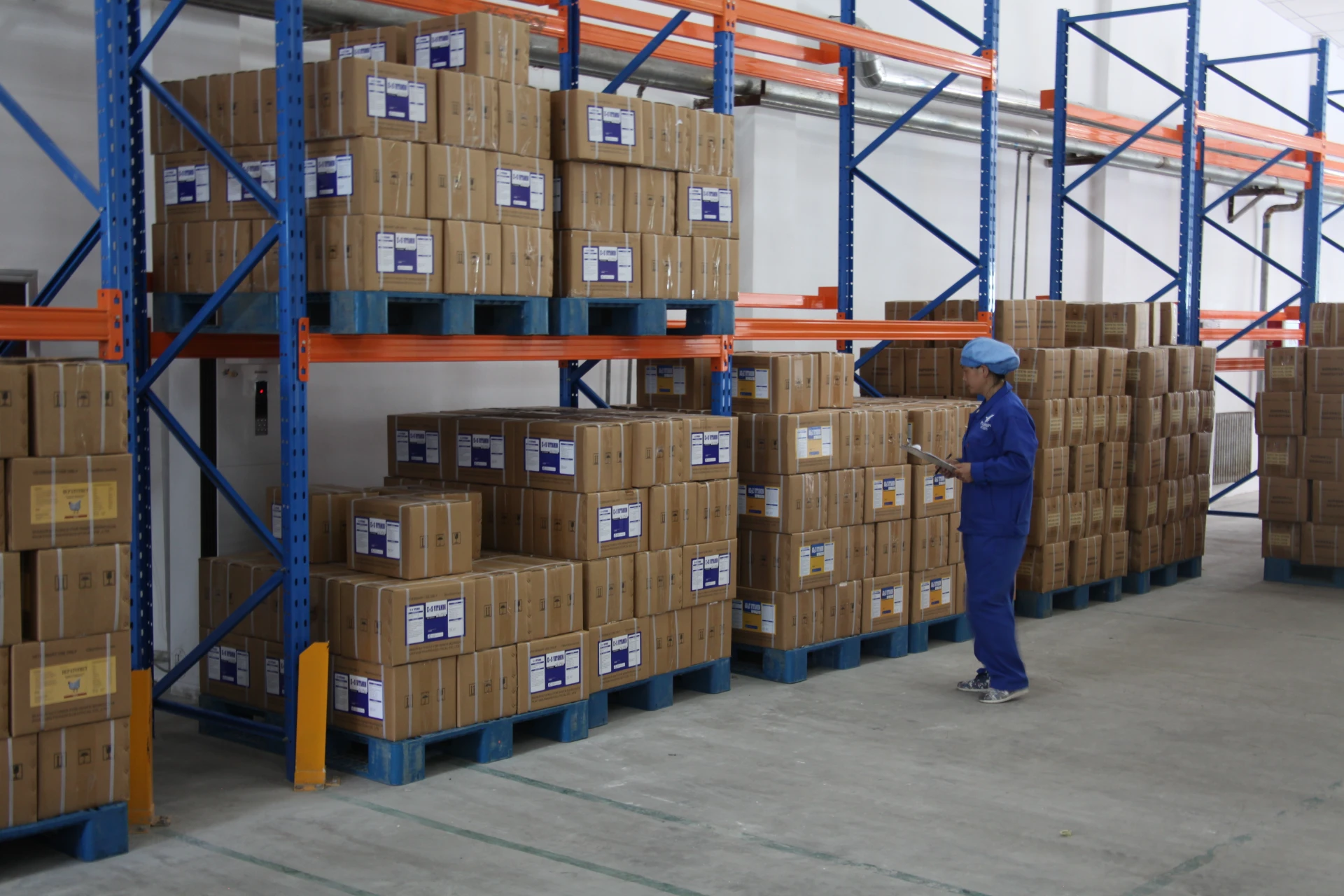
Multivitamins for dogs with allergies represent a specialized segment within the companion animal nutritional supplement market. These formulations are designed to address both generalized nutritional deficiencies and the specific immunological challenges faced by canines exhibiting allergic sensitivities. Unlike broad-spectrum multivitamins, allergy-focused formulations emphasize ingredients known to support skin barrier function, modulate the immune response, and mitigate oxidative stress – factors critically impacted by allergic reactions. The industry chain positions these products between raw ingredient suppliers (vitamin, mineral, botanical extract manufacturers), formulation specialists, veterinary distribution networks, and ultimately, pet owners and veterinary practitioners. Core performance metrics center around demonstrable improvements in dermatological health (reduced itching, inflammation, and lesion formation), enhanced immune competence, and optimized nutrient absorption, even in the presence of gastrointestinal sensitivities frequently associated with allergies. Addressing the increasing prevalence of canine allergies, fueled by environmental factors and genetic predisposition, is a primary driver of demand within this sector. Proper formulation requires careful consideration of allergenicity, bioavailability, and potential interactions between nutrients and commonly prescribed allergy medications.
Material Science & Manufacturing
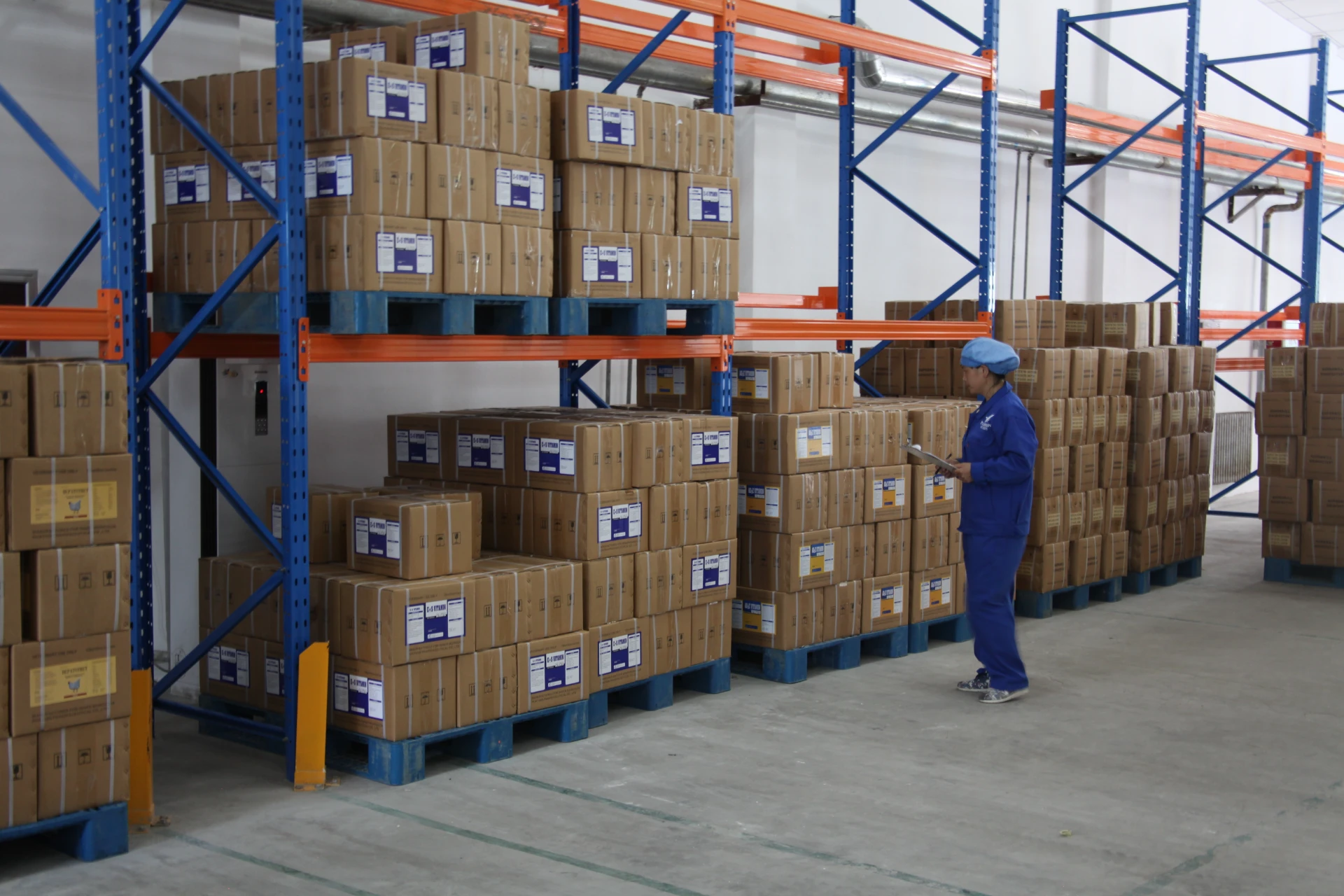
The manufacturing of multivitamins for dogs with allergies necessitates a rigorous approach to material sourcing and process control. Raw materials typically include Vitamin A (retinol palmitate), Vitamin D3 (cholecalciferol), Vitamin E (alpha-tocopherol), Vitamin C (ascorbic acid), B-complex vitamins (thiamin, riboflavin, niacin, pantothenic acid, pyridoxine, biotin, folic acid, cobalamin), essential fatty acids (omega-3 and omega-6 sourced from fish oil, flaxseed oil, or borage oil), chelated minerals (zinc, copper, manganese, selenium), and specialized ingredients such as colostrum, probiotics, and botanical extracts (e.g., chamomile, nettle). The physical properties of these materials vary significantly; vitamins are often crystalline powders, oils are viscous liquids, and minerals are typically inorganic salts. Manufacturing processes commonly involve premixing, granulation, encapsulation (softgels or tablets), and coating. Granulation ensures uniform distribution of active ingredients and improves flowability. Encapsulation protects sensitive ingredients from oxidation and enhances palatability. Critical parameters include ingredient purity (verified via HPLC and mass spectrometry), moisture content (controlled via drying processes), particle size distribution (impacts bioavailability), and coating thickness (influences release profile). Chemical compatibility is paramount – for example, Vitamin C can degrade in the presence of certain metals, necessitating the use of chelating agents. Allergen control during manufacturing is crucial, requiring dedicated equipment and strict sanitation protocols to prevent cross-contamination with common canine allergens like wheat, soy, or dairy.
Performance & Engineering
The performance of multivitamin formulations hinges on bioavailability – the extent to which nutrients are absorbed and utilized by the dog’s body. Force analysis, in this context, relates to the mechanical properties of the final dosage form (tablet hardness, capsule shell strength) and its ability to withstand handling and shipping. Environmental resistance focuses on protecting the formulation from degradation due to moisture, heat, and light. Packaging materials (e.g., blister packs, opaque bottles) play a vital role in maintaining product integrity. Compliance requirements are substantial. The Association of American Feed Control Officials (AAFCO) establishes standards for pet food and supplement labeling, ensuring accurate nutrient content claims and ingredient listings. Furthermore, formulations must adhere to Good Manufacturing Practices (GMP) to guarantee quality and safety. Engineering considerations extend to the delivery mechanism; chewable tablets require careful formulation to achieve optimal texture and palatability, while liquid formulations must be stabilized to prevent phase separation or microbial growth. The pharmacokinetic profile of each nutrient – its absorption, distribution, metabolism, and excretion – dictates the dosage regimen and frequency of administration. Addressing potential nutrient interactions is also crucial; for instance, high levels of zinc can interfere with copper absorption, requiring careful balancing of mineral ratios.
Technical Specifications
| Ingredient | Typical Concentration (per dose) | Bioavailability Enhancer | Allergen Status |
|---|---|---|---|
| Vitamin A (Retinol Palmitate) | 500 IU | Fat-soluble carrier | None |
| Vitamin D3 (Cholecalciferol) | 100 IU | Fat-soluble carrier | None |
| Vitamin E (Alpha-Tocopherol) | 50 IU | Microencapsulation | None |
| Omega-3 Fatty Acids (EPA/DHA) | 200mg / 100mg | Ethyl Ester form | Fish (potential allergen) |
| Zinc (Chelated) | 5mg | Amino acid chelate | None |
| Copper (Chelated) | 1mg | Amino acid chelate | None |
Failure Mode & Maintenance
Failure modes in multivitamin formulations for allergic dogs can manifest in several ways. Degradation of active ingredients due to oxidation (particularly Vitamin C and unsaturated fatty acids) is a common issue, leading to reduced potency. Moisture ingress can cause tablet disintegration or capsule softening, compromising dosage accuracy. Physical instability, such as tablet cracking or capping, can occur due to improper formulation or manufacturing processes. Bioavailability issues can arise from poor ingredient solubility or interactions with dietary components. From a clinical perspective, lack of efficacy, worsening of allergy symptoms, or the development of adverse reactions (e.g., gastrointestinal upset) can indicate product failure. Maintenance strategies include storing the product in a cool, dry place, protecting it from light exposure, and using airtight packaging. Regular quality control testing (HPLC, microbial assays) is essential to verify potency and purity. For liquid formulations, the addition of antioxidants and preservatives can extend shelf life. Veterinary monitoring of the dog’s response to the supplement is crucial; adjustments to dosage or formulation may be necessary based on individual needs and clinical outcomes. Understanding the dog’s diet and any concurrent medications is also important to minimize potential interactions.
Industry FAQ
Q: What is the role of chelated minerals in these formulations, and why are they preferred over non-chelated forms?
A: Chelated minerals are bound to amino acids, creating a complex that enhances their absorption. Non-chelated minerals often form insoluble complexes in the digestive tract, reducing bioavailability. The chelation process protects the mineral from interactions with phytates and oxalates – compounds found in some dog foods that can inhibit mineral absorption. This is particularly important for dogs with digestive sensitivities or those on diets low in animal protein.
Q: How do you ensure that the multivitamin doesn't exacerbate existing allergies?
A: We employ a rigorous allergen screening process for all raw materials. Formulations are specifically designed to exclude common canine allergens like wheat, soy, dairy, and corn. Ingredient sourcing is prioritized from suppliers with robust allergen control programs. Furthermore, we prioritize ingredients known to support skin barrier function and reduce inflammation, mitigating allergic responses.
Q: What is the significance of including omega-3 fatty acids in a multivitamin for allergic dogs?
A: Omega-3 fatty acids, particularly EPA and DHA, possess potent anti-inflammatory properties. They modulate the production of inflammatory mediators, reducing itching, redness, and skin lesions associated with allergies. They also contribute to a healthier skin barrier, reducing allergen penetration. The ratio of omega-6 to omega-3 fatty acids is crucial; an imbalance favoring omega-6 can exacerbate inflammation.
Q: How do you verify the potency and purity of the vitamins and minerals used in your products?
A: We utilize third-party testing laboratories to conduct comprehensive analyses of all raw materials and finished products. Testing methods include High-Performance Liquid Chromatography (HPLC) to quantify vitamin content, Inductively Coupled Plasma Mass Spectrometry (ICP-MS) to determine mineral concentrations, and microbial assays to ensure product safety. Certificates of Analysis (COAs) are maintained for each batch, documenting compliance with specified standards.
Q: Can these multivitamins interact with medications my dog is already taking for allergies, such as antihistamines or corticosteroids?
A: While generally safe, potential interactions are possible. For example, high doses of Vitamin E may enhance the effects of corticosteroids. It is essential to inform your veterinarian of all supplements your dog is receiving, especially if they are on prescription medications. We provide detailed ingredient lists to facilitate informed discussions with veterinary professionals.
Conclusion
Multivitamin formulations tailored for dogs with allergies represent a sophisticated intersection of nutritional science, material engineering, and veterinary medicine. The efficacy of these products is contingent upon meticulous sourcing of high-quality ingredients, precise manufacturing processes, and a comprehensive understanding of canine allergy pathophysiology. The emphasis on bioavailability enhancement, allergen control, and appropriate nutrient balancing distinguishes these formulations from generic multivitamins.
Future advancements in this field are likely to focus on personalized nutrition, leveraging genetic testing and microbiome analysis to tailor supplement formulations to individual canine needs. Improved delivery systems, such as targeted nanoparticles, may further enhance nutrient absorption and efficacy. Continued research into the role of specific nutrients in modulating the immune response and supporting skin barrier function will drive innovation in allergy management strategies. The consistent adherence to stringent quality control standards, as outlined by AAFCO and GMP regulations, remains paramount to ensuring product safety and reliability.
Latest news
Copyright © 2026
Dingzhou Kangquan Pharmaceutical Co., Ltd. All Rights Reserved. Sitemap | Privacy
Policy


