
2695018275@qq.com
+86
13780513619
- Afrikaans
- Albanian
- Amharic
- Arabic
- Armenian
- Azerbaijani
- Basque
- Belarusian
- Bengali
- Bosnian
- Bulgarian
- Catalan
- Cebuano
- Corsican
- Croatian
- Czech
- Danish
- Dutch
- English
- Esperanto
- Estonian
- Finnish
- French
- Frisian
- Galician
- Georgian
- German
- Greek
- Gujarati
- Haitian Creole
- hausa
- hawaiian
- Hebrew
- Hindi
- Miao
- Hungarian
- Icelandic
- igbo
- Indonesian
- irish
- Italian
- Japanese
- Javanese
- Kannada
- kazakh
- Khmer
- Rwandese
- Korean
- Kurdish
- Kyrgyz
- Lao
- Latin
- Latvian
- Lithuanian
- Luxembourgish
- Macedonian
- Malgashi
- Malay
- Malayalam
- Maltese
- Maori
- Marathi
- Mongolian
- Myanmar
- Nepali
- Norwegian
- Norwegian
- Occitan
- Pashto
- Persian
- Polish
- Portuguese
- Punjabi
- Romanian
- Russian
- Samoan
- Scottish Gaelic
- Serbian
- Sesotho
- Shona
- Sindhi
- Sinhala
- Slovak
- Slovenian
- Somali
- Spanish
- Sundanese
- Swahili
- Swedish
- Tagalog
- Tajik
- Tamil
- Tatar
- Telugu
- Thai
- Turkish
- Turkmen
- Ukrainian
- Urdu
- Uighur
- Uzbek
- Vietnamese
- Welsh
- Bantu
- Yiddish
- Yoruba
- Zulu
Apr . 01, 2024 17:55 Back to list
multivitamin for labrador puppy Material Science Manufacturing

Introduction
Multivitamins for Labrador puppies represent a critical component of preventative healthcare and optimal growth, positioned within the broader animal nutrition industry as a specialized supplement formulation. Labrador Retrievers, particularly during their rapid developmental phase, exhibit specific nutritional requirements demanding attention to bone health, joint support, and cognitive development. These formulations typically consist of a blend of essential vitamins (A, D, E, B-complex, C), minerals (calcium, phosphorus, zinc, iron), and potentially omega-3 fatty acids, antioxidants, and amino acids. The core performance metric of these multivitamins centers on supporting healthy skeletal growth, preventing nutritional deficiencies, bolstering immune function, and enhancing coat condition – directly influencing long-term health and minimizing veterinary interventions. A key industry pain point revolves around bioavailability of ingredients, palatability for discerning puppies, and ensuring formulations meet or exceed AAFCO (Association of American Feed Control Officials) guidelines, often complicated by varying puppy life stages and individual metabolic needs.
Material Science & Manufacturing
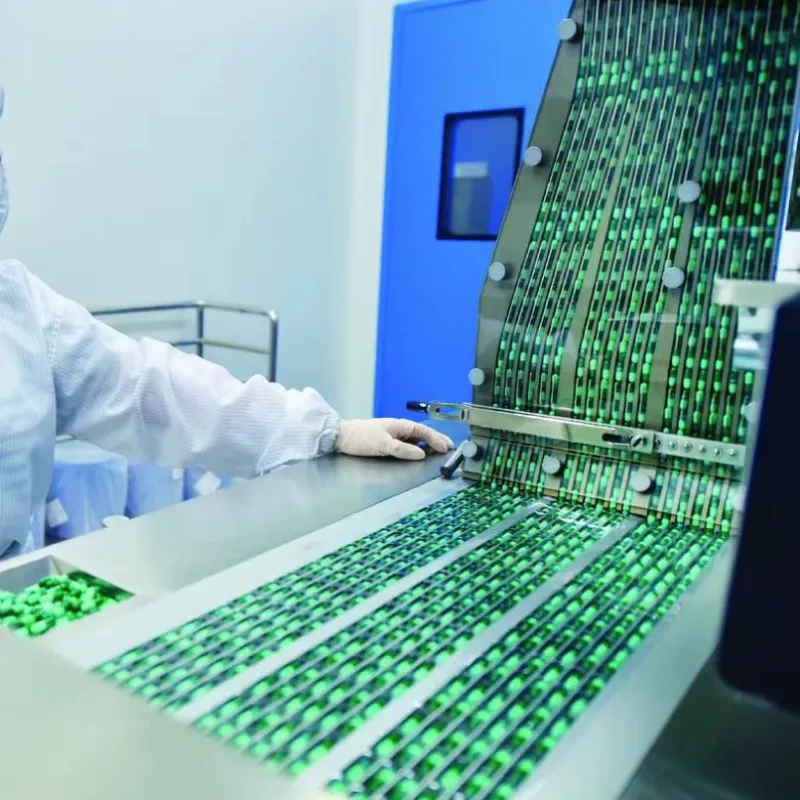
The manufacturing of multivitamins for Labrador puppies involves a complex interplay of material science and precision formulation. Raw material sourcing constitutes the initial critical stage. Vitamin precursors, typically synthesized through chemical processes (e.g., Vitamin A from beta-carotene, Vitamin D through UV irradiation of ergosterol), necessitate rigorous purity testing via High-Performance Liquid Chromatography (HPLC) and Gas Chromatography-Mass Spectrometry (GC-MS) to ensure compliance with pharmacopeial standards. Mineral salts (calcium carbonate, ferrous sulfate) require analysis for heavy metal contamination using Inductively Coupled Plasma Mass Spectrometry (ICP-MS). Omega-3 fatty acids, frequently sourced from fish oil, demand assessment of oxidation levels (Peroxide Value, Anisidine Value) and fatty acid profile via GC-FID. The primary manufacturing process is typically dry blending or granulation followed by coating. Dry blending involves homogenous mixing of powdered ingredients in a V-blender or ribbon blender. Granulation, utilizing wet or dry methods, improves flowability and compressibility for tablet or capsule formation. Coating, often using a sugar or polymer film, enhances palatability, protects active ingredients from degradation (oxidation, moisture), and facilitates controlled release. Critical parameters include mixing time, blending uniformity (assessed via near-infrared spectroscopy), granulation particle size distribution, coating thickness (measured via microscopic analysis), and moisture content (Karl Fischer titration). Excipients – binders (microcrystalline cellulose), disintegrants (croscarmellose sodium), lubricants (magnesium stearate) – are carefully selected for compatibility and impact on bioavailability. Ingredient chemical compatibility must be evaluated to prevent adverse reactions.
Performance & Engineering
The performance of multivitamins is directly correlated to the bioavailability of their constituent nutrients, impacting physiological processes within the Labrador puppy. Calcium and phosphorus ratios, crucial for skeletal development, must adhere to AAFCO recommendations (typically 1:1 to 2:1) to prevent developmental orthopedic diseases (DOD) such as hip dysplasia and osteochondrosis. Vitamin D3, facilitating calcium absorption, requires precise dosage to avoid hypervitaminosis D, leading to calcification of soft tissues. Antioxidants (Vitamin E, Vitamin C, selenium) mitigate oxidative stress induced by increased metabolic activity during growth, protecting cellular structures from damage. Omega-3 fatty acids, particularly EPA and DHA, support neurological development and possess anti-inflammatory properties, potentially reducing joint inflammation. Force analysis – specifically compressive strength of tablets and capsule shell integrity – is critical for ensuring product stability during handling and transport. Environmental resistance testing, involving exposure to varying temperatures (stability chambers) and humidity levels (humidity chambers), evaluates degradation rates and shelf life. Compliance requirements are stringent, adhering to AAFCO nutrient profiles, FDA Current Good Manufacturing Practice (cGMP) regulations, and potentially state-specific feed control laws. Bioavailability is often engineered through encapsulation techniques (liposomes, microencapsulation) to protect sensitive nutrients during transit through the digestive system.
Technical Specifications
| Parameter | Unit | Specification | Test Method |
|---|---|---|---|
| Vitamin A (Retinol) | IU/kg | 5,000 - 10,000 | HPLC |
| Vitamin D3 (Cholecalciferol) | IU/kg | 500 - 1,000 | HPLC |
| Vitamin E (Alpha-Tocopherol) | IU/kg | 100 - 200 | HPLC |
| Calcium | % | 1.2 – 1.8 | Atomic Absorption Spectroscopy |
| Phosphorus | % | 0.8 – 1.2 | Atomic Absorption Spectroscopy |
| Omega-3 Fatty Acids (EPA+DHA) | % | 2 – 5 | GC-FID |
Failure Mode & Maintenance
Failure modes for multivitamin formulations primarily stem from degradation of active ingredients, physical instability, or palatability issues. Oxidation of unsaturated fatty acids (Omega-3s) is a common failure mechanism, leading to rancidity and reduced efficacy; mitigation involves packaging under nitrogen and inclusion of antioxidants (Vitamin E, BHT). Moisture ingress can cause caking, disintegration, and hydrolysis of vitamins, necessitating airtight packaging (blister packs, sealed bottles) and desiccant inclusion. Tablet cracking or capsule shell deformation can occur due to improper formulation (insufficient binder or lubricant) or mechanical stress during handling. Loss of palatability, often due to ingredient oxidation or coating degradation, results in reduced compliance. Maintenance strategies include adhering to recommended storage conditions (cool, dry, dark place), utilizing appropriate packaging materials, and implementing a robust quality control program encompassing regular potency testing and stability studies. Visual inspection for discoloration, odor changes, or physical defects is crucial. Lot traceability systems allow for rapid recall in case of identified issues. Proper inventory management (FIFO – First In, First Out) minimizes the risk of using expired product. In cases of suspected degradation, independent laboratory analysis should be conducted to verify potency.
Industry FAQ
Q: What is the significance of AAFCO compliance for Labrador puppy multivitamins?
A: AAFCO compliance ensures the multivitamin formulation meets minimum nutritional standards established for growth and maintenance of canine life stages. These standards, based on extensive research, guarantee the product provides essential nutrients in appropriate amounts, preventing deficiencies and supporting optimal development. Non-compliance may result in legal repercussions and, more importantly, compromises the puppy’s health.
Q: How does the bioavailability of chelated minerals differ from non-chelated minerals in these supplements?
A: Chelated minerals (e.g., zinc chelate, iron chelate) are bound to amino acids, creating a complex that enhances absorption in the intestinal tract. Non-chelated minerals are less readily absorbed, potentially leading to lower systemic availability and reduced efficacy. Chelation protects the mineral from interactions with other dietary components that can inhibit absorption.
Q: What role does the coating on a multivitamin tablet play, beyond palatability?
A: The coating serves multiple functions. It protects sensitive vitamins (e.g., Vitamin C) from oxidation and degradation due to exposure to air and moisture. It masks unpleasant tastes, improving palatability. Controlled-release coatings can regulate the rate of nutrient release, maximizing absorption. Some coatings also facilitate easier swallowing.
Q: What analytical methods are employed to ensure the purity and potency of the vitamin ingredients?
A: High-Performance Liquid Chromatography (HPLC) and Gas Chromatography-Mass Spectrometry (GC-MS) are the primary analytical techniques used for quantifying vitamin content and identifying potential impurities. Inductively Coupled Plasma Mass Spectrometry (ICP-MS) is used for analyzing mineral composition and detecting heavy metal contamination. Titration methods are used for assessing certain vitamin concentrations.
Q: What are the implications of administering a multivitamin to a Labrador puppy already receiving a complete and balanced puppy food?
A: Administering a multivitamin can potentially lead to nutrient imbalances or toxicities if the puppy food already provides adequate levels of those nutrients. It is crucial to consult with a veterinarian to assess the puppy’s individual needs and determine if supplementation is truly necessary. Over-supplementation can be particularly harmful with fat-soluble vitamins (A, D, E, K).
Conclusion
The formulation and manufacture of multivitamins for Labrador puppies represent a nuanced discipline requiring a comprehensive understanding of canine nutritional physiology, material science, and analytical chemistry. Ensuring bioavailability, stability, and palatability are paramount to achieving optimal health outcomes. Stringent adherence to AAFCO guidelines and cGMP regulations is non-negotiable for maintaining product quality and safety.
Future advancements in this field will likely focus on novel encapsulation technologies to further enhance nutrient delivery, personalized formulations tailored to individual puppy needs (based on genetic predispositions or metabolic profiles), and sustainable sourcing of raw materials. Continuous monitoring of ingredient purity and potency, coupled with ongoing research into canine nutritional requirements, will remain crucial for optimizing these vital supplements.
Latest news
Copyright © 2026
Dingzhou Kangquan Pharmaceutical Co., Ltd. All Rights Reserved. Sitemap | Privacy
Policy


