
2695018275@qq.com
+86
13780513619
- Afrikaans
- Albanian
- Amharic
- Arabic
- Armenian
- Azerbaijani
- Basque
- Belarusian
- Bengali
- Bosnian
- Bulgarian
- Catalan
- Cebuano
- Corsican
- Croatian
- Czech
- Danish
- Dutch
- English
- Esperanto
- Estonian
- Finnish
- French
- Frisian
- Galician
- Georgian
- German
- Greek
- Gujarati
- Haitian Creole
- hausa
- hawaiian
- Hebrew
- Hindi
- Miao
- Hungarian
- Icelandic
- igbo
- Indonesian
- irish
- Italian
- Japanese
- Javanese
- Kannada
- kazakh
- Khmer
- Rwandese
- Korean
- Kurdish
- Kyrgyz
- Lao
- Latin
- Latvian
- Lithuanian
- Luxembourgish
- Macedonian
- Malgashi
- Malay
- Malayalam
- Maltese
- Maori
- Marathi
- Mongolian
- Myanmar
- Nepali
- Norwegian
- Norwegian
- Occitan
- Pashto
- Persian
- Polish
- Portuguese
- Punjabi
- Romanian
- Russian
- Samoan
- Scottish Gaelic
- Serbian
- Sesotho
- Shona
- Sindhi
- Sinhala
- Slovak
- Slovenian
- Somali
- Spanish
- Sundanese
- Swahili
- Swedish
- Tagalog
- Tajik
- Tamil
- Tatar
- Telugu
- Thai
- Turkish
- Turkmen
- Ukrainian
- Urdu
- Uighur
- Uzbek
- Vietnamese
- Welsh
- Bantu
- Yiddish
- Yoruba
- Zulu
Apr . 01, 2024 17:55 Back to list
multivitamin for lovebirds Performance Analysis
Introduction
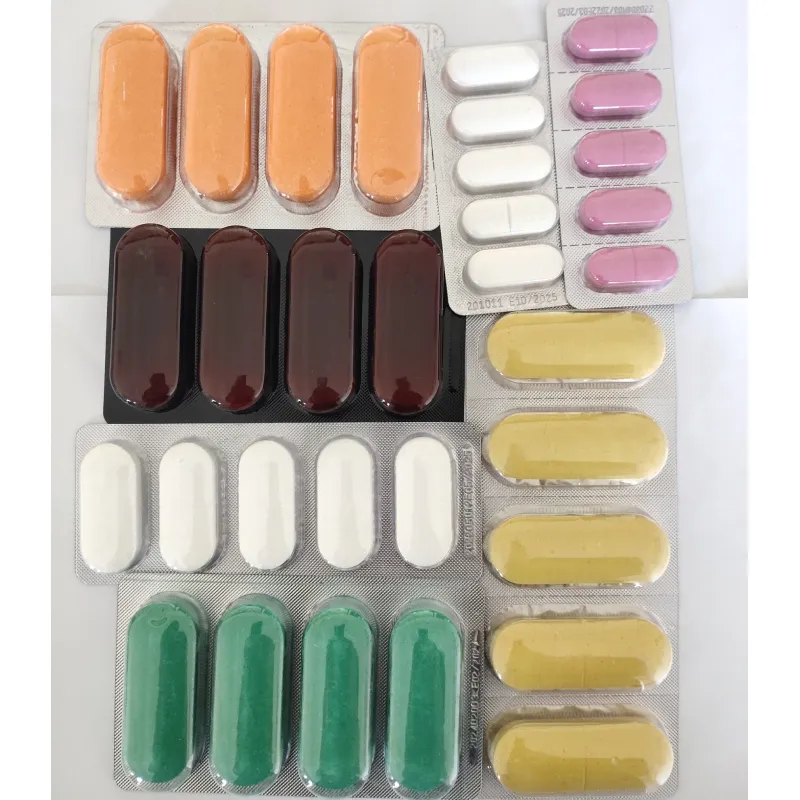
Multivitamin formulations for lovebirds ( Agapornis roseicollis) represent a crucial component of preventative avian healthcare, particularly in captive environments. Unlike wild lovebirds who benefit from a highly varied natural diet, pet birds often receive a standardized seed mix that lacks essential micronutrients. This deficiency can lead to a range of physiological issues, including compromised immune function, feather abnormalities, and reproductive problems. These supplements are not intended to replace a balanced diet, but to augment it, ensuring optimal health and longevity. The technical position of these products resides within the veterinary pharmaceutical and avian nutrition sectors, demanding stringent quality control and bio-availability assessments. Core performance metrics center around the efficient delivery of lipophilic (fat-soluble) and hydrophilic (water-soluble) vitamins, alongside essential trace minerals, and demonstrable impact on key health indicators like growth rate, reproductive success, and disease resistance.
Material Science & Manufacturing
The manufacturing of lovebird multivitamins involves a complex interplay of material science and precise formulation. Active ingredients typically include Vitamin A (retinol palmitate), Vitamin D3 (cholecalciferol), Vitamin E (alpha-tocopherol), Vitamin C (ascorbic acid), B-complex vitamins (thiamine, riboflavin, niacin, pantothenic acid, pyridoxine, biotin, folate, and cobalamin), and essential minerals like iodine, zinc, manganese, and selenium. These compounds often originate from synthetic production pathways, ensuring purity and consistent concentration. Raw material particle size is critically controlled using micronization techniques to enhance dispersibility in the final product. Carriers, such as dextrose, lactose, or maltodextrin, provide bulk and facilitate even distribution of vitamins. The manufacturing process typically involves dry mixing of powdered ingredients followed by granulation to improve flowability and compressibility. Tablet formation employs direct compression or wet granulation methods, with excipients like magnesium stearate acting as lubricants. Liquid formulations utilize purified water as a solvent, often with preservatives like potassium sorbate or sodium benzoate to prevent microbial growth. Key parameter control focuses on maintaining vitamin potency during processing (heat sensitivity is a major concern), ensuring accurate dosage consistency, and verifying complete dissolution in water (for liquid formulations). The choice of packaging material, commonly high-density polyethylene (HDPE) or polypropylene (PP), must guarantee protection from light, moisture, and oxygen to prevent vitamin degradation.
Performance & Engineering
The performance of a lovebird multivitamin is intrinsically linked to its bioavailability – the extent to which the administered vitamins are absorbed and utilized by the bird's metabolism. This is governed by several factors, including the chemical form of the vitamin, the presence of absorption enhancers (e.g., fats for fat-soluble vitamins), and the individual bird's physiological status (age, health, stress level). Force analysis during tablet manufacturing is crucial; sufficient compression strength is required to prevent crumbling during handling and transport, but excessive force can reduce dissolution rate. Environmental resistance, specifically to temperature and humidity fluctuations, dictates shelf-life and storage requirements. High temperatures accelerate vitamin degradation, while humidity can promote clumping and microbial contamination. Compliance requirements necessitate adherence to avian-specific nutritional guidelines established by organizations like the Association of American Feed Control Officials (AAFCO). Functional implementation relies on accurate dosage determination, which varies based on the number of birds, their age, and their current dietary intake. Monitoring biomarker levels (e.g., serum vitamin E) can objectively assess the effectiveness of supplementation and identify potential deficiencies. The formulation must also be compatible with common water sources and feeding systems used by lovebird owners, preventing precipitation or clogging.
Technical Specifications
| Vitamin A (IU/kg) | Vitamin D3 (IU/kg) | Vitamin E (mg/kg) | Vitamin C (mg/kg) |
|---|---|---|---|
| 10,000,000 | 2,000,000 | 20,000 | 1,000 |
| 8,000,000 | 1,500,000 | 15,000 | 800 |
| 12,000,000 | 2,500,000 | 25,000 | 1,200 |
| 9,000,000 | 1,800,000 | 18,000 | 900 |
| 11,000,000 | 2,200,000 | 22,000 | 1,100 |
| 7,000,000 | 1,200,000 | 12,000 | 700 |
Failure Mode & Maintenance
Failure modes in lovebird multivitamin products primarily relate to degradation of active ingredients, resulting in reduced efficacy. Oxidation of vitamins A, E, and C is a common issue, exacerbated by exposure to air and light. Hydrolysis of water-soluble vitamins can occur in liquid formulations with improper pH control. Physical degradation includes tablet crumbling due to insufficient compression or moisture absorption, and clumping of powdered formulations. Bioavailability failures can stem from poor particle size distribution, leading to incomplete dissolution and absorption. From a maintenance perspective, proper storage is paramount: keeping products in a cool, dry, and dark environment minimizes degradation. Regular inspection of packaging for damage is crucial. Monitoring bird health for signs of vitamin deficiency (e.g., lethargy, feather plucking, poor growth) can indicate product failure or inadequate dosage. Implementing a first-in, first-out (FIFO) inventory system prevents prolonged storage. Periodically verifying vitamin content through laboratory analysis confirms product potency. If product integrity is compromised, immediate disposal is recommended.
Industry FAQ
Q: What is the optimal Vitamin A to Vitamin D3 ratio in a lovebird multivitamin, and why is this ratio critical?
A: The generally recommended ratio is 3:1 (Vitamin A: Vitamin D3). Vitamin A is essential for maintaining epithelial tissue health, including the respiratory tract and eyes, while Vitamin D3 regulates calcium absorption, crucial for bone development and eggshell formation. An imbalance can lead to hypervitaminosis A (toxicity) or hypovitaminosis D3 (metabolic bone disease), both potentially fatal. Maintaining the correct ratio ensures synergistic benefits and minimizes the risk of adverse effects.
Q: How does the form of Vitamin E (alpha-tocopherol vs. alpha-tocopheryl acetate) impact bioavailability in lovebirds?
A: Alpha-tocopherol is the naturally occurring and biologically active form of Vitamin E, exhibiting superior bioavailability compared to alpha-tocopheryl acetate. While acetate is more stable during processing and storage, it requires enzymatic conversion to alpha-tocopherol within the bird’s body, a process that may be limited by individual metabolic capacity. Therefore, formulations utilizing alpha-tocopherol are generally preferred, although acetate may be acceptable with higher inclusion rates.
Q: What role do chelated minerals play in enhancing the absorption of trace elements like zinc and manganese?
A: Chelated minerals are bound to amino acids or organic molecules, forming a complex that protects the mineral from interactions with other dietary components (phytates, oxalates) that can inhibit absorption. This chelation process increases the mineral’s solubility and facilitates its transport across the intestinal lining, leading to significantly improved bioavailability. Chelated forms of zinc and manganese are therefore more effective in addressing mineral deficiencies compared to inorganic salts.
Q: What preservatives are considered safe and effective for liquid multivitamin formulations designed for lovebirds, and what are their mechanisms of action?
A: Potassium sorbate and sodium benzoate are commonly used preservatives, effective against molds and yeasts. Potassium sorbate inhibits microbial growth by disrupting cell membrane function, while sodium benzoate interferes with enzyme systems critical for microbial metabolism. Both are considered safe at approved concentrations, but excessive levels can affect palatability. Alternatives like vitamin E (as a natural antioxidant) may also be incorporated, but their preservative efficacy is typically lower.
Q: How should I assess the efficacy of a multivitamin supplement in my lovebirds beyond observing general health improvements?
A: While improved feather condition, activity levels, and reproductive success are indicative of benefit, objective assessment requires veterinary diagnostics. Serum vitamin level analysis (e.g., Vitamin A, Vitamin E) can quantify vitamin status. Analyzing fecal samples for undigested fat can indicate Vitamin E deficiency. Complete blood counts (CBC) can reveal immune system function impacts. Bone radiographs can assess calcium metabolism and identify signs of metabolic bone disease. Regular veterinary checkups and targeted diagnostics provide the most reliable evaluation of supplement efficacy.
Conclusion
Multivitamin supplementation for lovebirds is a nuanced process demanding a thorough understanding of avian nutritional requirements, material science principles, and quality control measures. The optimal formulation balances vitamin potency, bioavailability, and stability, mitigating the risks associated with dietary deficiencies prevalent in captive environments. Careful consideration of manufacturing parameters, storage conditions, and monitoring of bird health are crucial for maximizing supplement efficacy and ensuring long-term wellbeing.
Future advancements in avian nutrition are likely to focus on personalized supplementation strategies, tailoring vitamin formulations to individual bird needs based on genetic predispositions, environmental factors, and physiological status. Enhanced encapsulation technologies will further improve vitamin stability and targeted delivery. Continued research into the synergistic interactions between vitamins and other micronutrients will refine formulation approaches, optimizing health outcomes and solidifying the role of multivitamins as a cornerstone of preventative avian care.
Latest news
Copyright © 2026
Dingzhou Kangquan Pharmaceutical Co., Ltd. All Rights Reserved. Sitemap | Privacy
Policy


