
Apr . 01, 2024 17:55 Back to list
multivitamin reptile Formulation Analysis
Introduction
Multivitamin reptile supplements represent a critical component in modern reptile husbandry, moving beyond simple dietary supplementation to address nuanced nutritional requirements. These formulations are not merely additives, but are engineered solutions designed to mitigate the inherent challenges of replicating natural diets in captive environments. The reptile industry chain positions these multivitamins as a downstream product, dependent on sourcing high-quality raw materials (vitamins, minerals, carrier agents) and rigorous quality control processes. Core performance characteristics center around bioavailability – the degree to which the nutrients are absorbed and utilized by the reptile – as well as stability during storage and palatability to ensure adequate consumption. Suboptimal vitamin and mineral intake can lead to a spectrum of metabolic bone disease (MBD), immune deficiencies, and reproductive failures, driving demand for these specialized products. This guide will delve into the material science, manufacturing, performance characteristics, and potential failure modes of multivitamin reptile supplements, outlining essential considerations for procurement and application.
Material Science & Manufacturing
The foundation of any effective multivitamin reptile supplement lies in the selection of raw materials. Vitamins (A, D3, E, B-complex, C) are typically synthesized chemically or extracted from natural sources. Vitamin D3, crucial for calcium absorption, is often derived from lanolin or algae. Minerals, including calcium, phosphorus, and magnesium, are sourced from mineral ores and processed into bioavailable forms like carbonates, oxides, or chelates. The carrier agents, such as maltodextrin, microcrystalline cellulose, or calcium carbonate, contribute to product texture, flowability, and nutrient stabilization. Gelatin or vegetable gums commonly serve as binding agents in capsule or powder formulations.
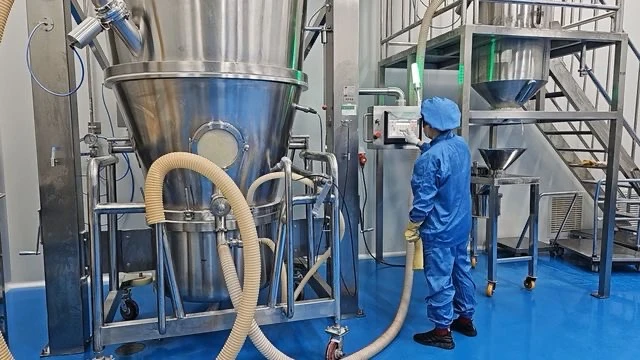
Manufacturing processes vary depending on the final product form. Powdered supplements require precise weighing, blending, and milling to achieve homogenous distribution of ingredients. Granulation techniques are often employed to improve flowability and reduce dust. Liquid formulations involve dissolving vitamins and minerals in a suitable solvent (often water-based with preservatives) and ensuring complete dissolution. Capsule production necessitates filling hard-shell capsules with the powdered blend. Quality control throughout the process is paramount. HPLC (High-Performance Liquid Chromatography) and atomic absorption spectroscopy are used to verify vitamin and mineral concentrations. Particle size analysis ensures proper distribution and bioavailability. Moisture content control is vital to prevent degradation and clumping. Parameter control during blending (mixing speed, duration, order of addition) directly impacts product uniformity. Sterilization and aseptic techniques are crucial for liquid formulations to prevent microbial contamination. Encapsulation requires precise temperature and humidity control to maintain capsule integrity.
Performance & Engineering
The performance of multivitamin reptile supplements is intrinsically linked to bioavailability, a complex function of chemical form, particle size, and the reptile’s digestive physiology. Fat-soluble vitamins (A, D3, E) require dietary fat for absorption, while water-soluble vitamins (B-complex, C) are absorbed directly. Chelated minerals exhibit superior bioavailability compared to simple oxides. Environmental resistance is another key performance indicator. Exposure to heat, light, and moisture can degrade vitamins, particularly Vitamin C and B vitamins. Packaging materials (opaque containers, sealed blisters) play a critical role in protecting product integrity. Engineering considerations extend to formulation design. Coating vitamins with protective layers can enhance stability and prevent interactions with other ingredients. Palatability is often improved by incorporating flavor enhancers or coating powders with palatable substances. The optimal dosage is species-specific and dependent on diet, age, reproductive status, and health condition. Excessive supplementation can be as detrimental as deficiency, leading to vitamin toxicity and hypervitaminosis.
Force analysis is pertinent to capsule and tablet formulations, assessing the mechanical strength required to withstand handling and shipping. Compliance requirements, notably those established by the Association of American Feed Control Officials (AAFCO) in the United States, dictate minimum and maximum vitamin and mineral levels, labeling standards, and permissible ingredients. Formulation development must also consider potential interactions between vitamins and minerals. For instance, excessive zinc can interfere with copper absorption, necessitating careful balancing of nutrient ratios. The physical form (powder, liquid, capsule) influences the ease of administration and the reptile’s acceptance of the supplement.
Technical Specifications
| Vitamin | Typical Concentration (IU/kg of supplement) | Mineral | Typical Concentration (% of supplement) | ||||
|---|---|---|---|---|---|---|---|
| Vitamin A | 5,000 - 15,000 IU | Calcium | 20 - 30% | Vitamin D3 | 500 - 1,500 IU | Phosphorus | 12 - 18% |
| Vitamin E | 50 - 200 IU | Magnesium | 0.5 - 1.5% | Vitamin B1 (Thiamin) | 5 - 20 mg | Potassium | 0.3-0.8% |
| Vitamin B2 (Riboflavin) | 2 - 8 mg | Iron | 50-100 ppm | Vitamin B6 (Pyridoxine) | 2 - 8 mg | Zinc | 20-50 ppm |
| Vitamin C (Ascorbic Acid) | 20 - 100 mg | Manganese | 10-20 ppm | Vitamin D3 (Cholecalciferol) | 800-2000 IU | Copper | 5-10 ppm |
| Folate | 1-5 mg | Iodine | 0.2-0.5 ppm | Vitamin K | 1-3 mg | Selenium | 0.1-0.3 ppm |
| Biotin | 0.5-2 mg | Cobalt | 0.05-0.1 ppm | Niacin | 10-30 mg | Sodium | 0.1-0.3% |
Failure Mode & Maintenance
Failure modes in multivitamin reptile supplements often stem from degradation of active ingredients. Oxidation, particularly of Vitamin C and Vitamin E, is a common cause, accelerated by exposure to air, light, and heat. Hydrolysis can degrade water-soluble vitamins. Clumping or caking of powdered supplements results from moisture absorption, reducing flowability and dosage accuracy. Capsule shell cracking or deformation compromises product integrity. Microbial contamination in liquid formulations can render the product unsafe. Bioavailability issues can arise from poor ingredient sourcing (using non-chelated minerals) or improper particle size. A key failure mode linked to end-use involves incorrect dosage; over-supplementation can lead to toxicity, while under-supplementation fails to address nutritional deficiencies.
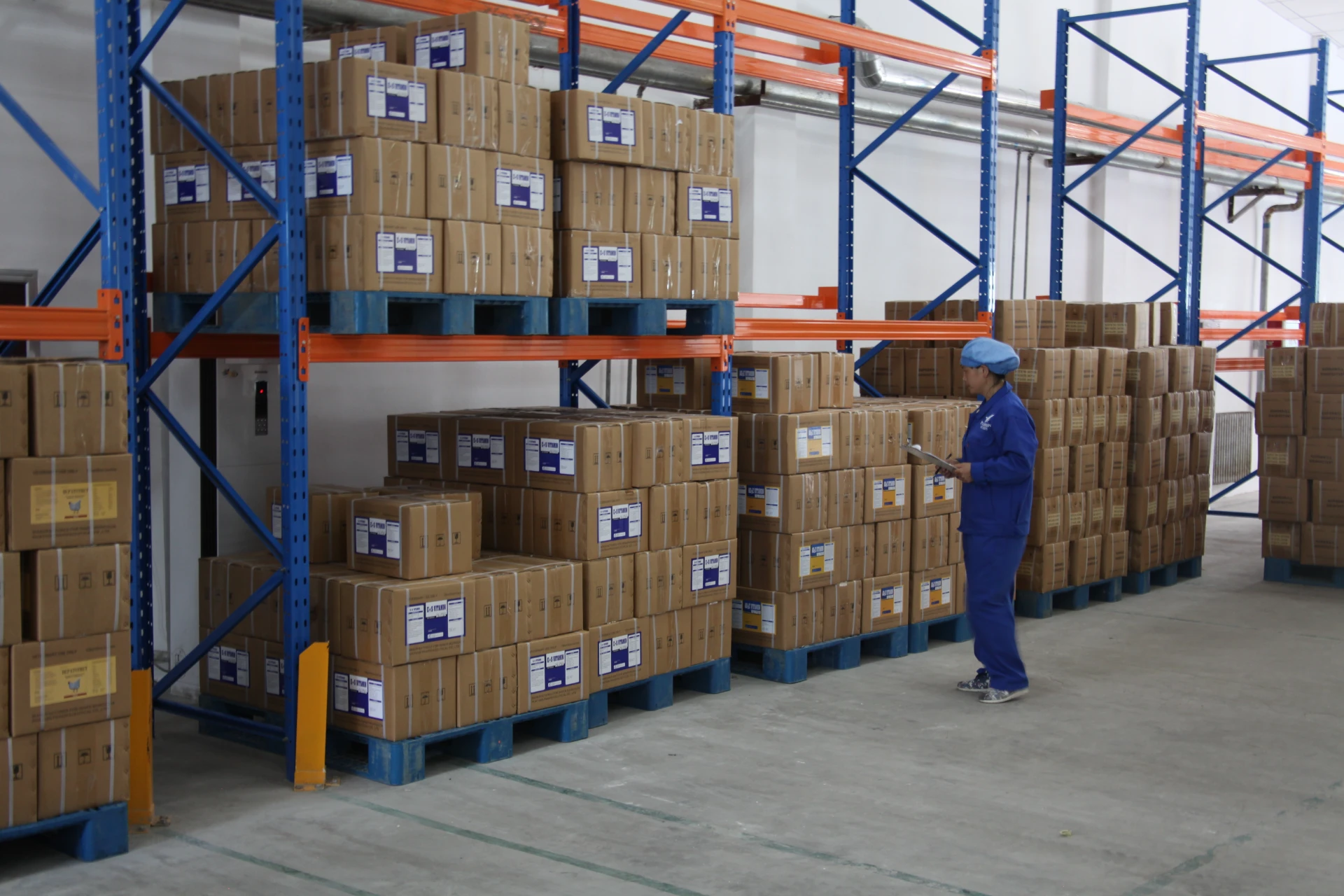
Maintenance strategies center on proper storage conditions: cool, dry, and dark environments are crucial. Using opaque, airtight containers minimizes exposure to light and moisture. Implementing a First-In, First-Out (FIFO) inventory system ensures older stock is used before newer batches. Regular quality control testing (HPLC, atomic absorption spectroscopy) verifies potency and purity. Visual inspection for clumping, discoloration, or capsule damage is essential. For liquid formulations, periodic microbial testing is recommended. Educating end-users (reptile owners, veterinarians) on proper storage, dosage, and signs of potential deficiencies or toxicities is vital. Periodic reformulation to incorporate more stable vitamin analogs or improved encapsulation techniques can enhance product shelf-life and bioavailability.
Industry FAQ
Q: What is the significance of chelated minerals in reptile multivitamin supplements?
A: Chelated minerals, where a mineral ion is bonded to an organic molecule (like an amino acid), exhibit significantly higher bioavailability compared to inorganic mineral salts (oxides, sulfates). This enhanced absorption is crucial for reptiles, which often have less efficient digestive systems. Chelation protects the mineral from forming insoluble complexes in the gut, allowing for greater uptake into the bloodstream. Without chelation, a significant portion of the mineral may be excreted unabsorbed.
Q: How does the form of Vitamin D3 impact its effectiveness in reptile supplements?
A: Vitamin D3 (cholecalciferol) is the preferred form of Vitamin D for reptiles as it’s the form they naturally synthesize in their skin upon UVB exposure. It’s significantly more effective than Vitamin D2 (ergocalciferol). The concentration of D3 must be carefully calibrated to the species' needs and UVB exposure levels, as both deficiency and toxicity are detrimental.
Q: What are the key considerations when choosing a carrier agent for powdered multivitamin formulations?
A: The carrier agent should be inert, non-toxic, and easily digestible by the reptile. It should also have good flowability to ensure accurate dosing. Common choices include maltodextrin, microcrystalline cellulose, and calcium carbonate. The carrier shouldn't interfere with vitamin absorption or introduce unwanted contaminants.
Q: How should multivitamin supplements be stored to maximize their shelf life and potency?
A: Multivitamin supplements should be stored in a cool, dry, and dark place, away from direct sunlight and heat sources. Airtight containers are essential to prevent oxidation and moisture absorption. Avoid storing supplements in humid environments, such as bathrooms. Following the manufacturer's storage recommendations is crucial.
Q: What regulatory frameworks govern the manufacturing and sale of multivitamin reptile supplements?
A: Regulations vary by region. In the United States, the Association of American Feed Control Officials (AAFCO) establishes guidelines for ingredient composition, labeling, and manufacturing practices. Supplements are often classified as feed additives and subject to state feed laws. International regulations, such as those established by the European Food Safety Authority (EFSA), may apply to products sold in Europe. Adherence to Good Manufacturing Practices (GMP) is essential.
Conclusion
Multivitamin reptile supplements are complex formulations requiring meticulous attention to material science, manufacturing processes, and performance characteristics. The effectiveness of these products hinges on bioavailability, stability, and palatability. Selecting high-quality raw materials, implementing rigorous quality control procedures, and adhering to relevant regulatory standards are paramount to ensure product safety and efficacy. Understanding potential failure modes – degradation, contamination, and dosage errors – is essential for proactive maintenance and quality assurance.
Future developments in this field are likely to focus on enhancing bioavailability through novel encapsulation techniques, personalized supplementation strategies tailored to specific reptile species and individual needs, and improved analytical methods for verifying nutrient content and stability. Continued research into reptile nutritional requirements will further refine formulation design and optimize the benefits of multivitamin supplementation. The integration of advanced technologies, such as nanotechnology, may also offer new avenues for delivering nutrients more efficiently and effectively.
Latest news
Copyright © 2026
Dingzhou Kangquan Pharmaceutical Co., Ltd. All Rights Reserved. Sitemap | Privacy
Policy


