
2695018275@qq.com
+86
13780513619
- Afrikaans
- Albanian
- Amharic
- Arabic
- Armenian
- Azerbaijani
- Basque
- Belarusian
- Bengali
- Bosnian
- Bulgarian
- Catalan
- Cebuano
- Corsican
- Croatian
- Czech
- Danish
- Dutch
- English
- Esperanto
- Estonian
- Finnish
- French
- Frisian
- Galician
- Georgian
- German
- Greek
- Gujarati
- Haitian Creole
- hausa
- hawaiian
- Hebrew
- Hindi
- Miao
- Hungarian
- Icelandic
- igbo
- Indonesian
- irish
- Italian
- Japanese
- Javanese
- Kannada
- kazakh
- Khmer
- Rwandese
- Korean
- Kurdish
- Kyrgyz
- Lao
- Latin
- Latvian
- Lithuanian
- Luxembourgish
- Macedonian
- Malgashi
- Malay
- Malayalam
- Maltese
- Maori
- Marathi
- Mongolian
- Myanmar
- Nepali
- Norwegian
- Norwegian
- Occitan
- Pashto
- Persian
- Polish
- Portuguese
- Punjabi
- Romanian
- Russian
- Samoan
- Scottish Gaelic
- Serbian
- Sesotho
- Shona
- Sindhi
- Sinhala
- Slovak
- Slovenian
- Somali
- Spanish
- Sundanese
- Swahili
- Swedish
- Tagalog
- Tajik
- Tamil
- Tatar
- Telugu
- Thai
- Turkish
- Turkmen
- Ukrainian
- Urdu
- Uighur
- Uzbek
- Vietnamese
- Welsh
- Bantu
- Yiddish
- Yoruba
- Zulu
Apr . 01, 2024 17:55 Back to list
multivitamin soft chews for dogs Manufacturing and Performance
Introduction
Multivitamin soft chews for dogs represent a significant advancement in canine nutritional supplementation, moving beyond traditional tablet or capsule formulations. These chews are designed to deliver essential vitamins and minerals in a palatable and easily digestible format, improving owner compliance and maximizing bioavailability. Positioned within the broader pet supplement industry – a segment experiencing substantial growth driven by increasing pet humanization – these chews address a critical need for convenient, effective nutritional support. Core performance characteristics focus on vitamin stability during manufacturing and storage, palatability to a broad range of canine palates, and consistent dosage delivery. A primary industry pain point addressed by these chews is the difficulty in administering traditional supplements to reluctant dogs, leading to inconsistent treatment and reduced efficacy. The formulation aims to circumvent this by presenting the nutrients in a highly appealing and readily consumed vehicle.
Material Science & Manufacturing
The production of multivitamin soft chews relies on a complex interplay of material science and precise manufacturing processes. The primary matrix typically consists of a blend of humectants (glycerin, sorbitol), binding agents (gelatin, modified starch), fats (vegetable oil, fish oil), and flavorings. Glycerin and sorbitol are crucial for maintaining softness and preventing drying, with their hygroscopic properties drawing moisture from the atmosphere. Gelatin provides structural integrity and chewiness, while modified starch acts as a binder and texturizer. The vitamin and mineral premixes are often microencapsulated to protect them from degradation during processing and improve their stability within the chew matrix.
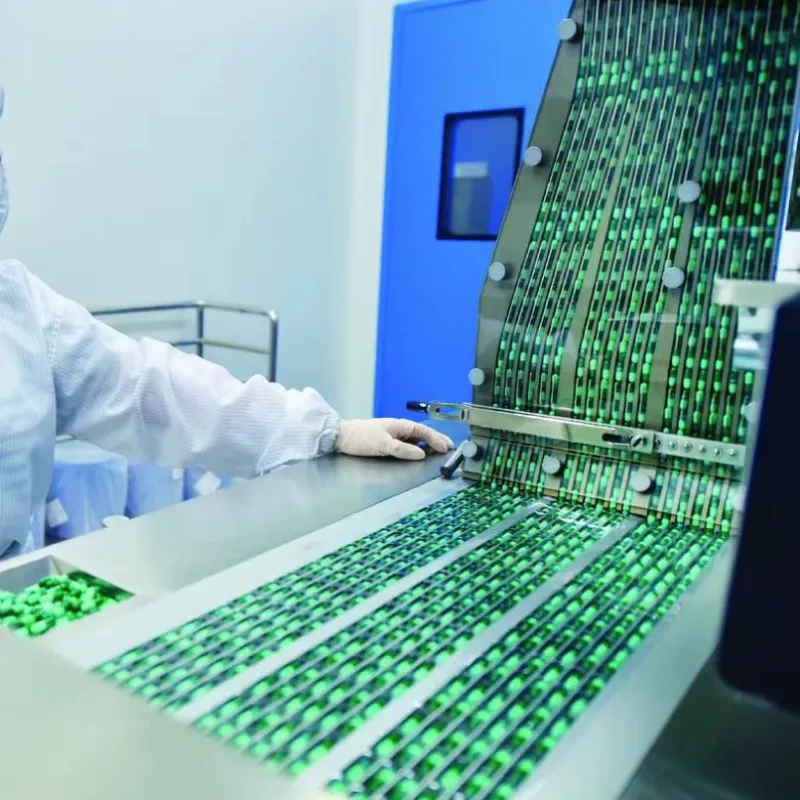
Manufacturing involves several key stages: blending of raw materials, heating and homogenization, dosing, forming, cooling, and packaging. Precise temperature control during heating is vital to prevent vitamin degradation – particularly heat-sensitive vitamins like Vitamin C and B vitamins. Homogenization ensures uniform distribution of vitamins and minerals throughout the matrix. Dosing accuracy, typically achieved through automated piston fillers, is paramount for ensuring consistent dosage. Forming is commonly accomplished through extrusion or molding, followed by cooling to solidify the chew. A critical process parameter is water activity (Aw), which must be controlled below 0.6 to inhibit microbial growth and extend shelf life. Packaging utilizes moisture-barrier materials, such as multi-layer films, to maintain product integrity and prevent oxidation of fats and vitamins. The chemical compatibility between the vitamin premix, fats, and packaging material is also rigorously tested to prevent leaching or degradation.

Performance & Engineering
The performance of multivitamin soft chews hinges on several engineering considerations. First, the chew’s tensile strength must be optimized to balance ease of consumption with structural integrity during handling and shipping. Too brittle, and the chew will crumble; too firm, and it will be difficult for dogs to ingest. Force analysis, utilizing techniques like texture profile analysis (TPA), is employed to determine the optimal hardness and chewiness. Second, environmental resistance is crucial. Exposure to temperature fluctuations and humidity can affect the chew’s texture, vitamin stability, and palatability. Accelerated stability testing, conducted under controlled temperature and humidity conditions, assesses the product’s shelf life and identifies potential degradation pathways. Third, compliance with regulatory requirements, such as those set forth by the Food and Drug Administration (FDA) and the Association of American Feed Control Officials (AAFCO), is paramount. This includes adherence to Good Manufacturing Practices (GMP) and accurate labeling of ingredient composition and guaranteed analysis. Finally, the bioavailability of the vitamins and minerals is a key performance metric. Factors such as particle size, encapsulation, and the presence of absorption enhancers influence how efficiently the nutrients are absorbed by the canine digestive system.
Technical Specifications
| Parameter | Specification | Test Method | Tolerance |
|---|---|---|---|
| Vitamin A (IU/chew) | 800 IU | HPLC | ±10% |
| Vitamin D3 (IU/chew) | 100 IU | HPLC | ±10% |
| Vitamin E (IU/chew) | 50 IU | HPLC | ±10% |
| Vitamin C (mg/chew) | 25 mg | Titration | ±5% |
| B-Complex Vitamins (mg/chew) | Variable - See Certificate of Analysis | HPLC | ±10% |
| Moisture Content (%) | < 10% | Karl Fischer Titration | ±1% |
Failure Mode & Maintenance
Failure modes in multivitamin soft chews typically manifest as degradation of vitamin potency, textural changes (hardening or softening), microbial contamination, or palatability loss. Vitamin degradation can occur due to oxidation, hydrolysis, or exposure to UV light. Oxidation is mitigated through the use of antioxidants (Vitamin E, BHT) and oxygen-barrier packaging. Hydrolysis, the breakdown of vitamins by water, is controlled by maintaining low water activity. Microbial contamination can result from inadequate sanitation during manufacturing or improper storage. Strict adherence to GMP and regular microbial testing are essential. Textural changes are often linked to moisture migration. Hardening occurs with moisture loss, while softening results from moisture absorption. Maintaining proper packaging integrity and controlling storage conditions are critical for preventing these issues. Palatability loss can stem from oxidation of fats, leading to rancidity. Using high-quality, stabilized fats and appropriate packaging minimizes this risk.
Maintenance recommendations include storing chews in a cool, dry place, away from direct sunlight. The container should be tightly sealed to prevent moisture absorption and oxidation. Regular inspection of the chews for any signs of discoloration, odor changes, or textural abnormalities is recommended. If any abnormalities are detected, the product should be discarded. A robust quality control program, including periodic testing of vitamin potency and microbial load, is essential for ensuring product quality and stability throughout its shelf life. Furthermore, manufacturers should implement a robust recall procedure in case of product defects or contamination.
Industry FAQ
Q: What is the optimal encapsulation method for heat-sensitive vitamins like Vitamin C within the soft chew matrix?
A: Microencapsulation using a lipid coating, such as hydrogenated vegetable oil, provides a protective barrier against heat degradation during processing. The lipid coating melts during digestion, releasing the vitamin in a bioavailable form. Alternatively, complexation with cyclodextrins can enhance stability by forming inclusion complexes that shield the vitamin from environmental factors.
Q: How does the choice of humectant (glycerin vs. sorbitol) impact the chew’s texture and shelf life?
A: Glycerin generally yields a softer chew with a longer shelf life due to its lower hygroscopicity compared to sorbitol. Sorbitol, however, imparts a slightly sweeter taste which can enhance palatability. The optimal ratio depends on the desired texture profile and storage conditions. Combinations of both humectants are often used to balance these properties.
Q: What are the key considerations for selecting packaging materials to prevent vitamin oxidation?
A: Packaging materials should possess a low oxygen transmission rate (OTR) and a high barrier to UV light. Multi-layer films incorporating aluminum foil or metallized polymers offer excellent barrier properties. Nitrogen flushing prior to sealing can further reduce oxygen levels within the package, extending shelf life. The material must also be chemically compatible with the chew components to prevent leaching or migration of packaging materials into the product.
Q: How is dosage accuracy ensured during the manufacturing process, and what validation procedures are employed?
A: Dosage accuracy is typically controlled through automated piston fillers calibrated and validated according to NIST traceability standards. Validation involves weighing a statistically significant sample of chews and verifying that the vitamin content falls within the specified tolerance range. Regular calibration and preventative maintenance of the filling equipment are essential for maintaining accuracy over time.
Q: What role does AAFCO play in the regulation of multivitamin soft chews for dogs, and what compliance requirements must manufacturers meet?
A: AAFCO provides voluntary ingredient definitions and labeling guidelines for pet food and supplements. While AAFCO doesn't directly regulate manufacturers, state feed control officials often enforce AAFCO standards. Compliance includes accurate ingredient listing, guaranteed analysis, and adherence to GMP. Manufacturers must also demonstrate that their products are safe and effective for their intended use.
Conclusion
Multivitamin soft chews for dogs represent a significant refinement in canine nutritional delivery, offering enhanced palatability, improved compliance, and optimized vitamin stability. The sophisticated interplay of material science, precise manufacturing control, and rigorous quality assurance procedures ensures a consistent, effective, and safe product. Addressing the inherent challenges of vitamin degradation and moisture control through careful formulation and packaging is paramount to maintaining product integrity throughout its shelf life.
Future advancements will likely focus on the development of novel encapsulation technologies to further enhance vitamin bioavailability and stability, as well as the incorporation of prebiotics and probiotics to support gut health and optimize nutrient absorption. Continued research into canine nutritional requirements and the optimization of chew formulations will drive further innovation in this rapidly evolving market. A commitment to robust quality control, regulatory compliance, and continuous improvement will be crucial for manufacturers seeking to establish a leadership position in the multivitamin soft chew sector.
Latest news
Copyright © 2026
Dingzhou Kangquan Pharmaceutical Co., Ltd. All Rights Reserved. Sitemap | Privacy
Policy


