
Apr . 01, 2024 17:55 Back to list
multivitamins for shih tzu Performance Analysis
Introduction
Multivitamins for Shih Tzu represent a specialized nutritional supplement category designed to address the unique physiological demands of this brachycephalic breed. Positioned within the broader pet health and wellness industry, these formulations aim to compensate for potential dietary deficiencies, support optimal health, and mitigate breed-specific predispositions to illness. Core performance indicators center on bioavailability of essential micronutrients, palatability for consistent compliance, and demonstrable improvements in coat condition, energy levels, and immune function. Unlike generic canine multivitamins, Shih Tzu-specific products account for metabolic rate differences, potential sensitivities, and the increased risk of conditions like keratoconjunctivitis sicca (dry eye) and dental issues, requiring tailored vitamin and mineral profiles. This guide provides a comprehensive technical overview of these supplements, covering material sourcing, manufacturing processes, performance metrics, potential failure modes, and relevant industry standards.
Material Science & Manufacturing
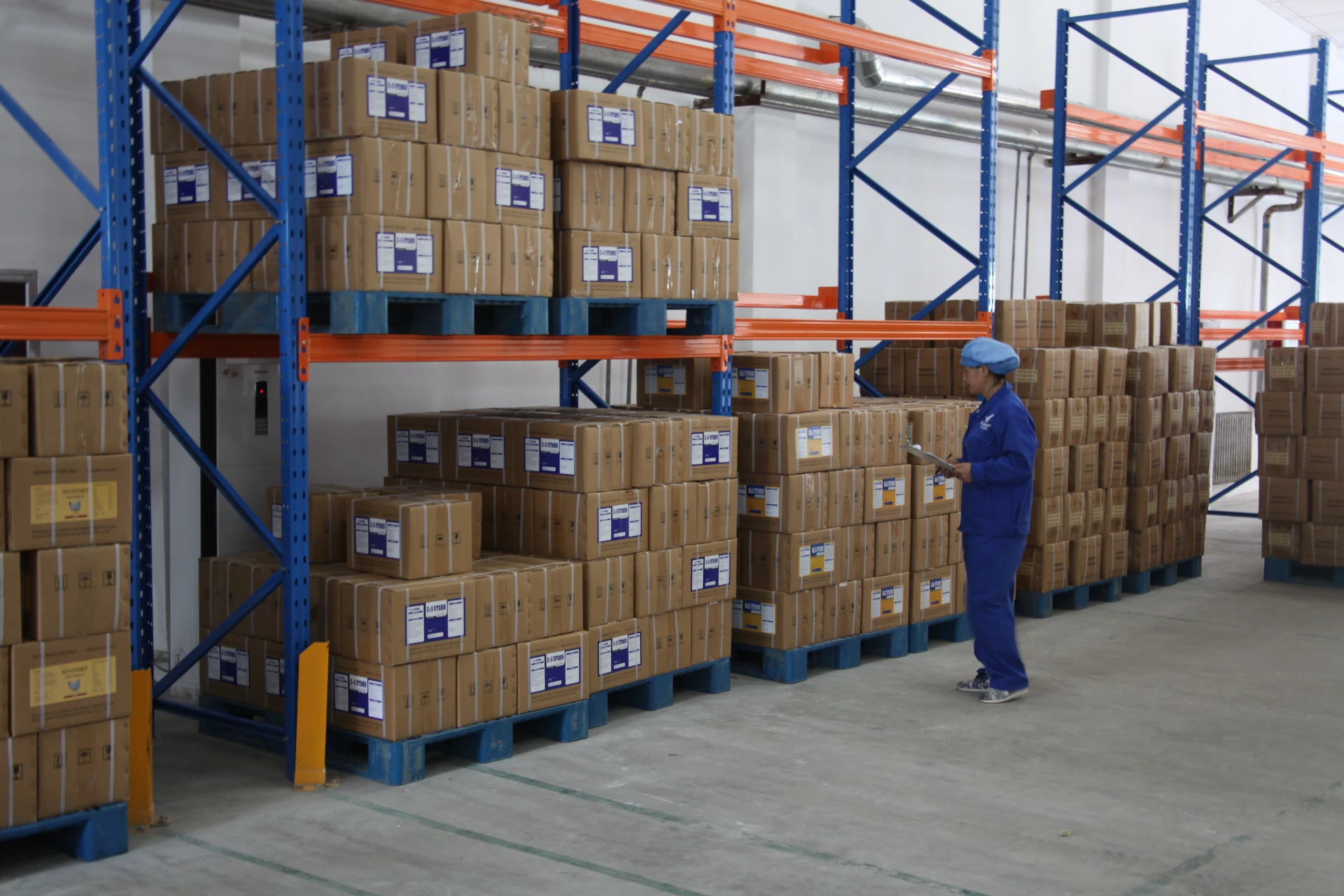
The production of multivitamins for Shih Tzu begins with sourcing raw materials – vitamins (A, D, E, B-complex, C), minerals (calcium, phosphorus, zinc, iron), and other bioactive compounds (omega-3 & 6 fatty acids, antioxidants). Vitamin sourcing commonly relies on chemical synthesis (e.g., ascorbic acid production via the Reichstein process) or extraction from natural sources (e.g., Vitamin E from vegetable oils). Mineral sources include inorganic salts (calcium carbonate, ferrous sulfate) and chelated minerals (zinc proteinate, iron glycinate) to enhance bioavailability. Omega fatty acids are typically derived from fish oil or flaxseed oil. Manufacturing involves several critical stages: premixing, granulation, tableting/encapsulation, and coating. Premixing ensures homogenous distribution of micronutrients. Granulation, utilizing wet or dry methods, improves flowability for subsequent processing. Tableting requires precise control of compression force to achieve adequate hardness and disintegration time, crucial for nutrient release. Encapsulation (hard gelatin or softgel) offers enhanced palatability and protects sensitive ingredients from oxidation. Coating, often with a polymer film, masks taste and provides sustained release. Key parameters controlled during manufacturing include particle size distribution, moisture content, compression force, coating thickness, and ingredient stability, monitored via techniques like High-Performance Liquid Chromatography (HPLC) and Gas Chromatography-Mass Spectrometry (GC-MS).
Performance & Engineering
The performance of multivitamins for Shih Tzu is directly linked to the principles of canine nutritional physiology and pharmacokinetic absorption. The bioavailability of each nutrient—the fraction reaching systemic circulation—is paramount. Factors influencing bioavailability include chemical form (e.g., chelated minerals vs. oxides), particle size, digestive health, and interactions with other dietary components. Force analysis considers the mechanical integrity of the tablet or capsule, ensuring it withstands handling and transit without degradation. Environmental resistance assesses stability under varying temperature and humidity conditions, crucial for maintaining potency during storage. Compliance requirements are stringent, necessitating adherence to AAFCO (Association of American Feed Control Officials) guidelines and potential veterinary oversight. Functional implementation relies on understanding the specific needs of the Shih Tzu breed. For instance, Vitamin A supplementation is vital for supporting ocular health, addressing their predisposition to dry eye. Similarly, glucosamine and chondroitin are frequently included to support joint health, given their susceptibility to patellar luxation. The dosage must be precisely calculated based on the dog’s weight and physiological status, avoiding hypervitaminosis or nutrient imbalances. Bioavailability studies using plasma concentration measurements are crucial for validating product efficacy.
Technical Specifications
| Vitamin A (IU/kg) | Vitamin D3 (IU/kg) | Vitamin E (IU/kg) | Vitamin C (mg/kg) |
|---|---|---|---|
| 10,000 | 1,500 | 200 | 100 |
| 7,500 | 1,000 | 150 | 75 |
| 12,000 | 1,800 | 250 | 125 |
| 8,000 | 1,200 | 180 | 90 |
| 9,000 | 1,400 | 220 | 110 |
| 6,000 | 800 | 120 | 60 |
Failure Mode & Maintenance
Failure modes in multivitamins for Shih Tzu typically manifest as reduced potency, physical degradation, or palatability issues. Oxidation of vitamins (particularly A, C, and E) is a primary concern, leading to a decline in efficacy. This is accelerated by exposure to oxygen, light, and heat. Tablet disintegration failure, often due to insufficient compression force or excipient incompatibility, hinders nutrient release. Softgel capsule leakage compromises ingredient integrity and can lead to rancidity. Degradation of omega-3 fatty acids results in the formation of undesirable oxidation products. Physical damage during handling or transit (cracking, chipping) affects dosage accuracy. Maintenance strategies involve proper storage (cool, dry, dark conditions), utilizing antioxidant packaging materials (nitrogen flushing, amber bottles), and implementing robust quality control measures during manufacturing. Regular HPLC analysis confirms potency. Monitoring moisture content prevents caking and disintegration issues. Palatability can be maintained through flavor coatings and optimizing capsule shell composition. Veterinarian-recommended dosage adjustments based on individual canine health status are also crucial for preventing adverse reactions and ensuring continued efficacy.
Industry FAQ
Q: What distinguishes a Shih Tzu-specific multivitamin from a generic canine formulation?
A: Shih Tzus are predisposed to certain health concerns—like keratoconjunctivitis sicca and patellar luxation—requiring tailored nutrient profiles. Shih Tzu-specific formulations contain higher levels of Vitamin A for ocular health and glucosamine/chondroitin for joint support, while adjusting for their slower metabolic rate compared to larger breeds. Generic formulas often lack this breed-specific optimization.
Q: How does the bioavailability of different vitamin sources impact the product's effectiveness?
A: Bioavailability varies significantly. Chelated minerals (e.g., zinc proteinate) are generally more readily absorbed than inorganic salts (e.g., zinc oxide). Similarly, fat-soluble vitamins (A, D, E) require dietary fat for optimal absorption. Product formulation should prioritize highly bioavailable forms to maximize nutrient uptake.
Q: What are the critical quality control parameters during the manufacturing process?
A: Key parameters include accurate ingredient weighing, homogenous mixing, consistent compression force for tablets, appropriate coating thickness, and maintaining a stable environment throughout the process. HPLC and GC-MS are used for potency verification, and moisture content is routinely monitored to ensure product integrity.
Q: How should these multivitamins be stored to maintain their potency and prevent degradation?
A: Optimal storage involves a cool, dry, and dark environment. Exposure to heat, light, and oxygen accelerates vitamin degradation. Sealed, airtight containers and antioxidant packaging (nitrogen flushing) are highly recommended. Following the expiration date printed on the product label is also essential.
Q: What are the potential signs of a multivitamin failing to deliver its intended benefits?
A: Signs can include a lack of improvement in coat condition, persistent lethargy, continued ocular discharge (in cases of dry eye), or continued lameness. If these symptoms persist despite consistent supplementation, a veterinary consultation is recommended to assess for underlying health issues or product inadequacy.
Conclusion
Multivitamins formulated specifically for Shih Tzus represent a valuable tool in preventative canine healthcare, addressing breed-specific nutritional vulnerabilities and supporting overall well-being. A comprehensive understanding of the material science underpinning their creation, coupled with stringent manufacturing controls and rigorous performance evaluations, is paramount to ensuring product efficacy and safety. The ability to mitigate degradation through proper storage and to recognize signs of product failure underscores the importance of informed product usage.
Future advancements in this field will likely focus on enhancing bioavailability through novel delivery systems (e.g., liposomes, nanoparticles) and personalized nutrition based on genetic predispositions. Continuous refinement of formulations and quality control procedures will be essential to meet the evolving needs of this beloved breed and to maintain the highest standards of canine health.
Latest news
Copyright © 2026
Dingzhou Kangquan Pharmaceutical Co., Ltd. All Rights Reserved. Sitemap | Privacy
Policy


