2695018275@qq.com
+86
13780513619
- Afrikaans
- Albanian
- Amharic
- Arabic
- Armenian
- Azerbaijani
- Basque
- Belarusian
- Bengali
- Bosnian
- Bulgarian
- Catalan
- Cebuano
- Corsican
- Croatian
- Czech
- Danish
- Dutch
- English
- Esperanto
- Estonian
- Finnish
- French
- Frisian
- Galician
- Georgian
- German
- Greek
- Gujarati
- Haitian Creole
- hausa
- hawaiian
- Hebrew
- Hindi
- Miao
- Hungarian
- Icelandic
- igbo
- Indonesian
- irish
- Italian
- Japanese
- Javanese
- Kannada
- kazakh
- Khmer
- Rwandese
- Korean
- Kurdish
- Kyrgyz
- Lao
- Latin
- Latvian
- Lithuanian
- Luxembourgish
- Macedonian
- Malgashi
- Malay
- Malayalam
- Maltese
- Maori
- Marathi
- Mongolian
- Myanmar
- Nepali
- Norwegian
- Norwegian
- Occitan
- Pashto
- Persian
- Polish
- Portuguese
- Punjabi
- Romanian
- Russian
- Samoan
- Scottish Gaelic
- Serbian
- Sesotho
- Shona
- Sindhi
- Sinhala
- Slovak
- Slovenian
- Somali
- Spanish
- Sundanese
- Swahili
- Swedish
- Tagalog
- Tajik
- Tamil
- Tatar
- Telugu
- Thai
- Turkish
- Turkmen
- Ukrainian
- Urdu
- Uighur
- Uzbek
- Vietnamese
- Welsh
- Bantu
- Yiddish
- Yoruba
- Zulu
Apr . 01, 2024 17:55 Back to list
nutri vitamins for dogs Manufacturing Analysis
Introduction
Nutri Vitamins for Dogs represent a critical component of preventative healthcare and performance optimization within the canine nutrition industry. Positioned as supplemental feedstuffs, these formulations aim to address potential dietary deficiencies, bolster immune function, and support overall physiological wellbeing. Unlike complete and balanced dog foods, which serve as the primary nutritional source, Nutri Vitamins deliver concentrated doses of essential micronutrients – vitamins, minerals, and sometimes amino acids – tailored to specific life stages, activity levels, or health conditions. The product category spans a wide range of formulations, from broad-spectrum multivitamins to targeted supplements addressing joint health, skin and coat condition, or digestive support. Core performance metrics focus on bioavailability of nutrients, palatability for canine consumption, and stability during storage. A significant industry pain point revolves around ensuring verifiable nutrient content, preventing adulteration, and demonstrating efficacy through rigorous scientific validation. The demand for premium, science-backed vitamin supplements is growing rapidly, fueled by increased pet humanization and a heightened awareness of the link between nutrition and canine longevity.
Material Science & Manufacturing
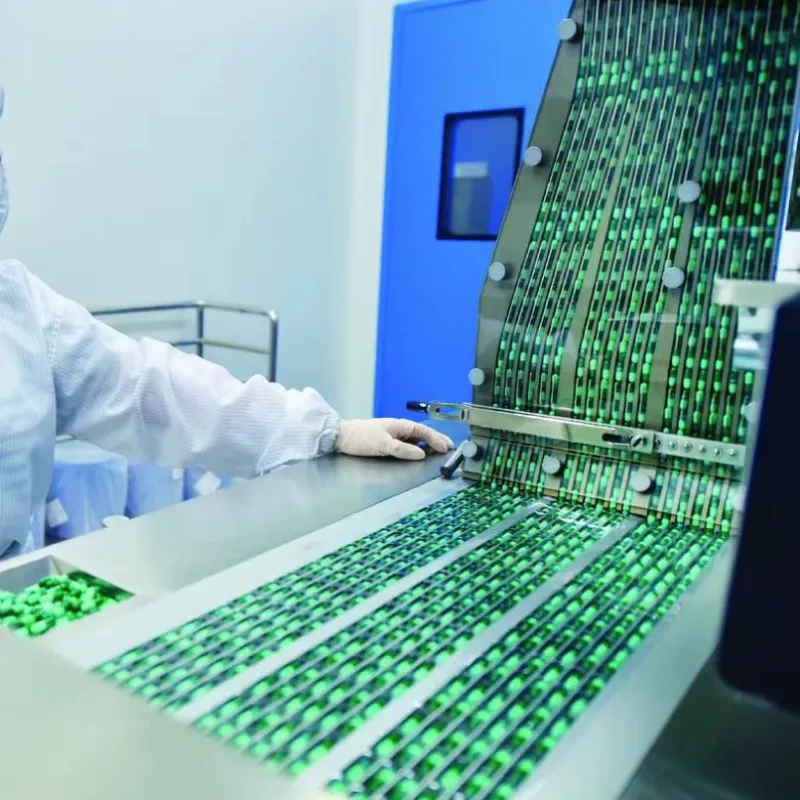
The production of Nutri Vitamins for Dogs involves a complex interplay of material science and precise manufacturing processes. Raw materials commonly include synthetic vitamins (e.g., ascorbic acid, tocopherol), chelated minerals (e.g., zinc glycinate, ferrous bisglycinate) for enhanced absorption, and carrier agents like maltodextrin or microcrystalline cellulose. Vitamin stability is paramount; many vitamins are susceptible to degradation by oxidation, light, and heat. Therefore, encapsulation techniques, such as film coating or microencapsulation using lipid-based matrices, are frequently employed to protect sensitive compounds. Manufacturing typically begins with sourcing high-purity raw materials verified by Certificates of Analysis (COAs). The blending process requires homogenization to ensure uniform distribution of nutrients. Tablet or capsule formation utilizes compression or encapsulation machinery with strict control over pressure, fill weight, and moisture content. Palatability enhancers, often liver powder or yeast extract, are incorporated during blending. Quality control involves rigorous testing at each stage – raw material identification (HPLC, GC-MS), finished product potency (titration, spectrophotometry), and stability testing under accelerated aging conditions (elevated temperature and humidity). Packaging materials, typically high-density polyethylene (HDPE) bottles or blister packs, must provide a barrier against moisture and oxygen to preserve product integrity. The selection of excipients and processing parameters directly influences bioavailability, dissolution rate, and shelf life.
Performance & Engineering
The performance of Nutri Vitamins for Dogs is intrinsically linked to nutrient bioavailability and physiological uptake. Bioavailability is not solely determined by the quantity of a nutrient present but also by its chemical form and the presence of synergistic compounds. For instance, fat-soluble vitamins (A, D, E, K) require dietary fat for optimal absorption. Chelated minerals, as mentioned previously, exhibit superior bioavailability compared to inorganic salts. Engineering considerations extend to formulation design to optimize dissolution rates. Tablet hardness and disintegration time are critical parameters, impacting the release of nutrients in the gastrointestinal tract. Environmental resistance is another key factor; vitamins can degrade under prolonged exposure to UV radiation, heat, and humidity. Therefore, packaging design and storage recommendations (e.g., cool, dry place) are essential. Compliance requirements are dictated by regulatory bodies such as the FDA’s Center for Veterinary Medicine (CVM) in the United States and equivalent agencies internationally. These regulations govern labeling, ingredient sourcing, manufacturing practices (Good Manufacturing Practices - GMP), and safety assessments. Specifically, formulations must adhere to established maximum tolerance levels for vitamins and minerals to prevent toxicity. Furthermore, claims made regarding product benefits must be substantiated by scientific evidence.
Technical Specifications
| Vitamin/Mineral | Typical Concentration (per dose - e.g., tablet) | Bioavailability Enhancement Method | Stability Considerations |
|---|---|---|---|
| Vitamin A (Retinol) | 500 IU | Encapsulation in beta-carotene matrix | Light-sensitive; protect from direct sunlight |
| Vitamin D3 (Cholecalciferol) | 200 IU | Microencapsulation with lipid coating | Sensitive to oxidation; antioxidant addition (Vitamin E) |
| Vitamin E (Tocopherol) | 30 IU | As alpha-tocopherol succinate (enhanced stability) | Susceptible to oxidation; protect from air exposure |
| Vitamin C (Ascorbic Acid) | 100 mg | Buffered with calcium ascorbate | Highly water-soluble; prone to leaching in humid environments |
| Zinc | 5 mg | Chelated with glycine | Stable under normal storage conditions |
| Omega-3 Fatty Acids (EPA/DHA) | 200 mg | Encapsulation with antioxidant blend | Prone to rancidity; nitrogen flushing during packaging |
Failure Mode & Maintenance
Failure modes in Nutri Vitamins for Dogs encompass a range of degradation mechanisms and quality control issues. Degradation of vitamins due to oxidation is a common failure mode, particularly for Vitamin C and Vitamin E. This manifests as a reduction in potency over time, rendering the product less effective. Moisture ingress can lead to tablet softening, capsule deformation, and microbial growth, compromising product stability. Physical damage during shipping and handling, such as tablet breakage or capsule cracking, can also reduce efficacy. Adulteration with undeclared ingredients or contaminants is a serious concern, potentially causing adverse health effects. Manufacturing defects, such as uneven distribution of nutrients within tablets, can lead to inconsistent dosing. Maintenance strategies focus on preventative measures. Proper packaging with moisture and oxygen barriers is crucial. Implementing a robust quality control program, including regular potency testing and microbial analysis, is essential. Storage recommendations must be clearly communicated to consumers. Maintaining a validated supplier qualification program to ensure the purity and quality of raw materials is paramount. Finally, establishing a comprehensive recall procedure in case of product defects is critical for protecting animal health and maintaining brand reputation.
Industry FAQ
Q: What is the significance of chelated minerals in dog vitamin formulations?
A: Chelated minerals, where a mineral ion is bound to an amino acid, exhibit significantly enhanced bioavailability compared to inorganic mineral salts. This is because the chelate protects the mineral from interactions with other dietary components that can hinder absorption in the gastrointestinal tract. The amino acid facilitates transport across the intestinal wall, resulting in greater uptake and utilization by the dog’s body.
Q: How do I determine the appropriate dosage of vitamins for my dog?
A: Dosage recommendations vary based on the dog’s age, breed, weight, activity level, and overall health status. It's crucial to follow the dosage guidelines provided on the product label or consult with a veterinarian. Over-supplementation can lead to toxicity, while under-supplementation may not provide the desired benefits. A veterinarian can assess your dog's individual needs and recommend a tailored vitamin regimen.
Q: What is the role of antioxidants in vitamin supplements for dogs?
A: Antioxidants, such as Vitamin E and Vitamin C, protect cells from damage caused by free radicals – unstable molecules that contribute to aging and disease. They play a crucial role in supporting immune function, reducing inflammation, and promoting overall health. Antioxidants also help to stabilize other vitamins within the formulation, preventing their degradation.
Q: How should I store Nutri Vitamins to maintain their potency?
A: To maximize potency, Nutri Vitamins should be stored in a cool, dry place, away from direct sunlight and heat. The original container is typically designed to provide optimal protection against moisture and oxygen. Avoid storing vitamins in humid environments, such as bathrooms. Proper storage conditions are critical for preserving the stability of vitamins and ensuring their effectiveness.
Q: What regulatory standards govern the manufacturing of dog vitamin supplements?
A: In the United States, the manufacturing of dog vitamin supplements is regulated by the Food and Drug Administration’s (FDA) Center for Veterinary Medicine (CVM). Manufacturers are required to adhere to Good Manufacturing Practices (GMP) to ensure product quality, safety, and consistency. These regulations cover all aspects of production, from raw material sourcing to finished product testing and labeling. Compliance with GMP is essential for ensuring the safety and efficacy of the supplements.
Conclusion
Nutri Vitamins for Dogs represent a significant and evolving segment of the canine health and wellness market. Achieving optimal performance hinges on a deep understanding of material science, precise manufacturing control, and rigorous quality assurance protocols. The industry faces ongoing challenges related to bioavailability enhancement, stability preservation, and regulatory compliance. Continuous innovation in formulation design, encapsulation techniques, and analytical methods is crucial for delivering high-quality, science-backed supplements that effectively address the nutritional needs of dogs.
Looking ahead, the trend towards personalized nutrition and preventative healthcare will likely drive further demand for targeted vitamin formulations tailored to specific breeds, life stages, and health conditions. Advancements in genetic testing may enable more precise nutritional recommendations, optimizing vitamin supplementation for individual canine needs. Transparency in ingredient sourcing and manufacturing processes will become increasingly important as consumers demand greater accountability from supplement manufacturers. Ultimately, a commitment to scientific validation and unwavering quality control will define the success of companies operating within this dynamic market.
Latest news
Copyright © 2026
Dingzhou Kangquan Pharmaceutical Co., Ltd. All Rights Reserved. Sitemap | Privacy
Policy


