
2695018275@qq.com
+86
13780513619
- Afrikaans
- Albanian
- Amharic
- Arabic
- Armenian
- Azerbaijani
- Basque
- Belarusian
- Bengali
- Bosnian
- Bulgarian
- Catalan
- Cebuano
- Corsican
- Croatian
- Czech
- Danish
- Dutch
- English
- Esperanto
- Estonian
- Finnish
- French
- Frisian
- Galician
- Georgian
- German
- Greek
- Gujarati
- Haitian Creole
- hausa
- hawaiian
- Hebrew
- Hindi
- Miao
- Hungarian
- Icelandic
- igbo
- Indonesian
- irish
- Italian
- Japanese
- Javanese
- Kannada
- kazakh
- Khmer
- Rwandese
- Korean
- Kurdish
- Kyrgyz
- Lao
- Latin
- Latvian
- Lithuanian
- Luxembourgish
- Macedonian
- Malgashi
- Malay
- Malayalam
- Maltese
- Maori
- Marathi
- Mongolian
- Myanmar
- Nepali
- Norwegian
- Norwegian
- Occitan
- Pashto
- Persian
- Polish
- Portuguese
- Punjabi
- Romanian
- Russian
- Samoan
- Scottish Gaelic
- Serbian
- Sesotho
- Shona
- Sindhi
- Sinhala
- Slovak
- Slovenian
- Somali
- Spanish
- Sundanese
- Swahili
- Swedish
- Tagalog
- Tajik
- Tamil
- Tatar
- Telugu
- Thai
- Turkish
- Turkmen
- Ukrainian
- Urdu
- Uighur
- Uzbek
- Vietnamese
- Welsh
- Bantu
- Yiddish
- Yoruba
- Zulu
Apr . 01, 2024 17:55 Back to list
nutrical vitamins for dogs Performance Analysis

Introduction
Nutrical vitamins for dogs represent a critical segment within the companion animal health market, functioning as dietary supplements intended to address nutritional deficiencies or support overall canine well-being. These formulations typically comprise a blend of essential vitamins, minerals, amino acids, and occasionally, other bioactive compounds such as omega-3 fatty acids. Their technical position in the industry chain places them downstream from raw material sourcing (vitamin and mineral production) and formulation, ultimately distributing through veterinary clinics, pet supply retailers, and increasingly, direct-to-consumer channels. Core performance metrics focus on bioavailability – the proportion of the nutrient that is absorbed and utilized by the dog’s system – stability of the formulation over its shelf life, palatability to encourage consumption, and demonstrable efficacy in addressing the targeted nutritional need. A primary industry pain point is ensuring consistent quality and accurate labeling, as variations in ingredient sourcing and manufacturing processes can significantly impact the potency and efficacy of the final product. Another key challenge is navigating the evolving regulatory landscape concerning pet supplements and demonstrating scientifically supported claims of benefit.
Material Science & Manufacturing
The foundation of nutrical vitamins for dogs lies in the sourcing and processing of raw materials. Vitamins themselves are often produced through chemical synthesis or fermentation processes, demanding strict quality control to ensure purity and potency. Common vitamin precursors include ascorbic acid (Vitamin C), retinol (Vitamin A), cholecalciferol (Vitamin D3), and tocopherol (Vitamin E). Minerals are sourced from geological deposits, often requiring purification and conversion into bioavailable forms such as sulfates, oxides, or chelates. Manufacturing processes predominantly involve blending, granulation, and encapsulation. Blending ensures homogeneous distribution of ingredients. Granulation improves flowability and compressibility for tablet or capsule formation. Encapsulation, typically using gelatin or vegetable-based capsules, protects the vitamins from degradation due to light, oxygen, and moisture. Critical parameters include particle size distribution during blending (influencing homogeneity), moisture content during granulation (affecting tablet hardness), and capsule shell permeability (impacts dissolution rate). Raw material compatibility is paramount; certain vitamins are sensitive to others or to trace metals. For example, Vitamin C can catalyze the degradation of thiamine (Vitamin B1) if not adequately stabilized. Excipients, such as cellulose, starch, and magnesium stearate, are incorporated to aid in processing and tablet/capsule integrity, requiring careful selection for canine digestibility and potential allergenicity. Manufacturing often occurs under Good Manufacturing Practices (GMP) to assure product safety and consistency.
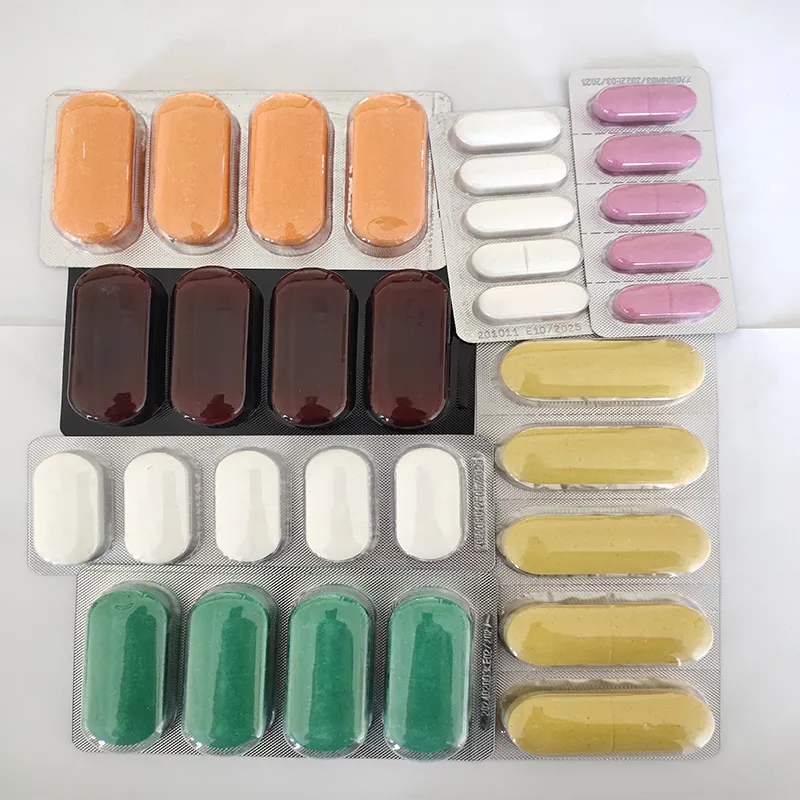
Performance & Engineering
The performance of nutrical vitamins hinges on several engineering considerations, primarily related to bioavailability and stability. Bioavailability is influenced by the chemical form of the vitamin or mineral. Chelated minerals, for instance, often exhibit higher bioavailability compared to simple salts due to their improved absorption across the intestinal epithelium. Formulation design also plays a crucial role. Enteric coatings can protect acid-sensitive vitamins (like B vitamins) from degradation in the stomach, allowing for release and absorption in the small intestine. Environmental resistance is a key concern. Vitamins are susceptible to oxidation, particularly Vitamins A, C, and E. Packaging materials must provide adequate barrier properties against oxygen and moisture. Stability testing, conducted under accelerated conditions (elevated temperature and humidity), is essential to determine shelf life and ensure potency remains within specified limits. Compliance requirements are governed by regulations such as those established by the Food and Drug Administration (FDA) in the United States, and equivalent bodies in other countries. These regulations dictate labeling requirements, permissible ingredient levels, and manufacturing standards. Engineering considerations extend to the physical form of the vitamin – tablets, capsules, liquids, or chews – each presenting unique challenges regarding palatability, dosage accuracy, and consumer convenience. Force analysis (compressive strength of tablets, shear strength of capsules) is important for maintaining product integrity during handling and shipping. Furthermore, the potential for drug-nutrient interactions must be considered; some vitamins can affect the absorption or metabolism of medications.
Technical Specifications
| Vitamin/Mineral | Typical Canine Daily Requirement (Medium Breed - 15kg) | Typical Formulation Concentration (per tablet/capsule) | Bioavailability (Approximate Range) |
|---|---|---|---|
| Vitamin A | 900 IU | 1000-2000 IU | 70-90% |
| Vitamin D3 | 225 IU | 250-500 IU | 60-80% |
| Vitamin E | 50 IU | 60-100 IU | 40-60% |
| Vitamin C | 100-200 mg | 150-300 mg | 50-70% |
| B Vitamins (Thiamine, Riboflavin, Niacin, B6, B12) | Varies by Vitamin (see individual specifications) | Formulation specific to meet daily requirements | 60-95% (dependent on form) |
| Calcium | 1.25 g | 150-200 mg | 30-50% |
Failure Mode & Maintenance
Failure modes in nutrical vitamins for dogs primarily relate to degradation, instability, and bioavailability issues. Oxidation is a significant concern, leading to loss of potency, particularly for fat-soluble vitamins (A, D, E). This manifests as discoloration or a diminished odor. Moisture ingress can accelerate degradation and promote microbial growth, especially in soft chew formulations. Physical failures include tablet crumbling, capsule shell cracking, and coating delamination, potentially affecting dosage accuracy and palatability. Bioavailability can be compromised by poor ingredient sourcing, inadequate formulation, or interactions with other components. Maintenance strategies focus on proper storage conditions: cool, dry, and protected from light. Packaging should incorporate moisture barriers and oxygen absorbers. Regular quality control testing is crucial, including potency assays, dissolution testing, and microbial analysis. For chewable vitamins, maintaining proper texture and preventing hardening over time is essential, often achieved through humectants and optimized manufacturing processes. Consumer education regarding proper storage and handling is also vital to prevent premature degradation. A common failure mode specific to certain mineral forms is precipitation – the formation of insoluble compounds that reduce bioavailability. This can be mitigated by using chelated minerals or carefully controlling pH during formulation.
Industry FAQ
Q: What is the difference between USP and non-USP grade vitamins, and does it matter for canine supplements?
A: USP (United States Pharmacopeia) grade vitamins adhere to stringent purity, potency, and manufacturing standards verified by an independent, non-profit organization. Non-USP grade vitamins may still meet minimum regulatory requirements but lack the same level of independent verification. For canine supplements, USP grade is highly preferable as it provides greater assurance of quality and consistency, minimizing the risk of contamination or inaccurate dosing. While not legally mandated for pet supplements, the use of USP-grade ingredients demonstrates a commitment to product safety and efficacy.
Q: How do you ensure the bioavailability of minerals in a vitamin supplement for dogs?
A: Bioavailability is enhanced through several strategies. Using chelated minerals (where the mineral is bound to an amino acid) significantly improves absorption compared to simple inorganic salts. Particle size reduction during manufacturing also increases surface area, promoting dissolution. Formulating with organic acids (like citric acid) can enhance mineral solubility. The inclusion of Vitamin C can improve iron absorption. Regular bioavailability studies are conducted to assess the effectiveness of the formulation.
Q: What are the challenges in formulating a palatable multivitamin for dogs, especially for picky eaters?
A: Palatability is a major hurdle. Dogs have a limited range of taste receptors, with a strong preference for protein-rich flavors. Masking the inherent bitter taste of some vitamins is crucial. This is achieved through the addition of palatability enhancers like liver powder, yeast extract, or animal digests. Encapsulation can also minimize taste exposure. The physical form (chew, tablet, liquid) impacts palatability; chews are generally more appealing. Flavor coatings can further enhance acceptance, but must be canine-safe and not contribute to nutrient imbalances.
Q: What are the key considerations when selecting packaging materials for vitamin supplements to protect against degradation?
A: Packaging materials must provide robust barriers against oxygen, moisture, and light. High-density polyethylene (HDPE) bottles with tight-fitting caps are common for tablets and capsules. Blister packs offer excellent individual dose protection. For chewable vitamins, resealable pouches with moisture barriers are preferred. The inclusion of desiccant packets within the packaging can further reduce moisture levels. Amber-colored or opaque packaging materials minimize light exposure, which can degrade light-sensitive vitamins like Vitamin A.
Q: How do regulatory standards differ between the US, Europe, and other regions regarding pet vitamin supplements?
A: Regulatory landscapes vary considerably. In the US, pet supplements are regulated as food by the FDA under the Center for Veterinary Medicine (CVM), with less stringent pre-market approval requirements compared to pharmaceuticals. In Europe, pet supplements fall under the broader category of feed additives and are subject to regulations set by the European Food Safety Authority (EFSA). Regulations in other regions, like Australia and Japan, often mirror or adapt elements from US and European standards. Key differences relate to permissible ingredient lists, labeling requirements, and the need for demonstrated efficacy claims.
Conclusion
Nutrical vitamins for dogs represent a complex intersection of material science, formulation engineering, and regulatory compliance. Ensuring bioavailability, stability, and palatability are paramount technical challenges that require careful consideration of ingredient sourcing, manufacturing processes, and packaging materials. Maintaining consistent quality and navigating evolving regulatory frameworks remain central industry pain points, necessitating robust quality control procedures and a commitment to scientifically supported claims.
Future developments will likely focus on personalized nutrition based on canine genetics and lifestyle, novel delivery systems to further enhance bioavailability, and increased emphasis on sustainable sourcing and manufacturing practices. Continued research into the long-term effects of vitamin supplementation on canine health is also crucial to refine recommendations and optimize formulations for maximal benefit.
Latest news
Copyright © 2026
Dingzhou Kangquan Pharmaceutical Co., Ltd. All Rights Reserved. Sitemap | Privacy
Policy


