
Apr . 01, 2024 17:55 Back to list
Pain killer for chicken Performance Analysis
Introduction
Veterinary Non-Steroidal Anti-Inflammatory Drugs (NSAIDs), commonly referred to as pain killers for chickens, represent a critical therapeutic intervention in modern poultry management. Their function extends beyond simple analgesia, encompassing the reduction of inflammation associated with musculoskeletal disorders, infectious processes, and post-operative recovery. The poultry industry faces significant economic losses due to lameness, impacting feed conversion ratios, egg production, and overall flock health. NSAIDs address these issues, but their application demands meticulous understanding of avian physiology, drug metabolism, residue avoidance, and regulatory compliance. This guide provides an in-depth examination of pain killers for chickens, covering their chemical properties, manufacturing processes, performance characteristics, potential failure modes, and relevant industry standards. The core performance attributes focus on efficacy in reducing inflammation and pain, bioavailability within the avian system, and safety profiles concerning consumer health and environmental impact. The primary pain points addressed include optimizing dosage regimes for specific conditions, minimizing withdrawal periods, and preventing the development of drug resistance.
Material Science & Manufacturing
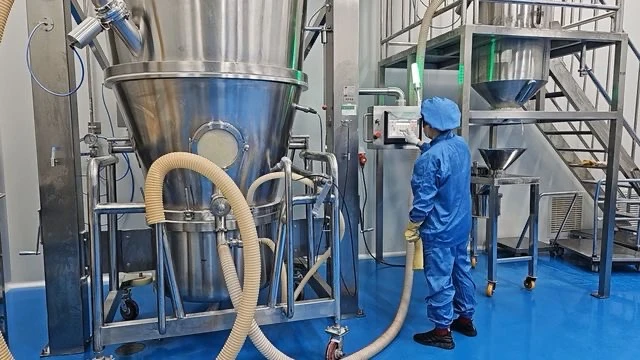
The majority of poultry-specific NSAIDs utilize active pharmaceutical ingredients (APIs) such as meloxicam, diclofenac, or carprofen. Meloxicam, frequently employed, is a substituted enolic acid derivative with a molecular weight of 347.34 g/mol. Its chemical formula is C14H13N3O4S. The manufacturing process typically begins with the synthesis of the API via multi-step organic chemistry, utilizing raw materials sourced from specialized chemical manufacturers. Purity is paramount, with stringent quality control measures implemented throughout the synthesis to ensure compliance with pharmacopoeial standards. Formulation involves combining the API with excipients – inert substances that aid in drug delivery and stability. Common excipients include microcrystalline cellulose, lactose monohydrate, and magnesium stearate. Granulation, either wet or dry, is employed to improve flowability and compressibility. The resulting granules are then compressed into tablets or incorporated into premixes for inclusion in poultry feed. Key parameter control during manufacturing focuses on particle size distribution of the API, blend uniformity, tablet hardness, disintegration time, and drug dissolution rate. Good Manufacturing Practices (GMP) are rigorously followed to maintain product consistency and prevent contamination. The stability of the API is also heavily monitored throughout the process and post-manufacture, assessing degradation rates under varied storage conditions (temperature, humidity, light exposure).
Performance & Engineering
The therapeutic efficacy of poultry NSAIDs is governed by pharmacokinetic and pharmacodynamic principles. Bioavailability in chickens is considerably different from mammals, due to variations in gastrointestinal physiology, hepatic metabolism, and renal excretion. Following oral administration, the API is absorbed from the small intestine and undergoes first-pass metabolism in the liver. Meloxicam, for example, exhibits relatively high plasma protein binding (approximately 99%), which influences its distribution and elimination. The drug exerts its anti-inflammatory and analgesic effects by inhibiting cyclooxygenase (COX) enzymes, specifically COX-2, which catalyzes the production of prostaglandins – mediators of pain and inflammation. Force analysis in the context of lameness reveals that NSAIDs reduce the load-bearing stress on affected joints, improving gait and reducing pain signals. Environmental resistance factors include the stability of the drug in feed and water, as well as its susceptibility to degradation by light and heat. Compliance requirements are dictated by national and international regulatory agencies, such as the FDA in the United States and the EMA in Europe, which establish maximum residue limits (MRLs) in edible tissues (muscle, liver, eggs). Functional implementation involves precise dosage calculation based on body weight, careful monitoring of clinical response, and adherence to prescribed withdrawal periods to ensure consumer safety. The design of sustained-release formulations is an engineering challenge to ensure consistent drug levels over an extended period, maximizing efficacy and minimizing dosing frequency.
Technical Specifications
| API Name | Molecular Weight (g/mol) | Dosage Range (mg/kg BW) | Withdrawal Period (Eggs/Meat) | Bioavailability (%) | COX-2 Selectivity Ratio |
|---|---|---|---|---|---|
| Meloxicam | 347.34 | 2-5 | 0/7 days | 80-90 | 10-20 |
| Diclofenac | 296.15 | 1-3 | 3/7 days | 60-70 | 5-10 |
| Carprofen | 289.34 | 4-8 | 5/14 days | 70-80 | 20-30 |
| Flunixin meglumine | 365.35 | 2-4 | 2/7 days | 50-60 | 2-5 |
| Ketoprofen | 254.29 | 1-3 | 1/7 days | 75-85 | 8-15 |
| Piroxicam | 230.28 | 2-4 | 5/14 days | 65-75 | 15-25 |
Failure Mode & Maintenance
Failure modes in the application of poultry NSAIDs can be categorized into efficacy-related failures and safety-related failures. Efficacy failures may arise from underdosing, inaccurate diagnosis, drug resistance, or poor bioavailability. Underdosing can occur due to inaccurate weight estimation or improper drug administration. Drug resistance, although less common, can develop with prolonged and indiscriminate use. Safety-related failures encompass adverse effects such as gastrointestinal irritation, nephrotoxicity, and egg residue violations. Gastrointestinal irritation is a common side effect, particularly with non-selective COX inhibitors. Nephrotoxicity can occur due to impaired renal blood flow, exacerbated by dehydration. Egg residue violations pose a significant risk to human health and can lead to regulatory penalties. Failure analysis often involves investigating the source of the API, the formulation process, and the administration protocol. Preventive maintenance includes strict adherence to GMP guidelines, regular monitoring of drug quality, implementation of robust withdrawal period protocols, and prudent use of NSAIDs based on accurate diagnosis and appropriate dosage calculations. Regular veterinary oversight is crucial to detect and mitigate potential adverse effects. Proper storage conditions – cool, dry, and protected from light – are also essential to maintain drug stability and prevent degradation. Furthermore, proper record-keeping is crucial for traceability and troubleshooting.
Industry FAQ
Q: What is the primary mechanism by which meloxicam alleviates pain in chickens?
A: Meloxicam primarily alleviates pain by selectively inhibiting cyclooxygenase-2 (COX-2) enzyme activity. COX-2 is responsible for the production of prostaglandins, lipid compounds that mediate inflammation and pain signaling. By reducing prostaglandin synthesis, meloxicam diminishes the perception of pain and inflammation at the site of injury or disease. Its selectivity for COX-2 over COX-1 minimizes gastrointestinal side effects often associated with non-selective NSAIDs.
Q: How do withdrawal periods for NSAIDs impact the safety of egg and meat products?
A: Withdrawal periods are established to allow sufficient time for the NSAID to be metabolized and excreted from the bird's system, ensuring that residue levels in eggs and meat remain below established Maximum Residue Limits (MRLs). Exceeding these MRLs poses a potential health risk to consumers and can result in product recalls and regulatory sanctions. Proper adherence to withdrawal periods is, therefore, a critical aspect of responsible poultry production.
Q: What are the key factors influencing the bioavailability of NSAIDs in chickens?
A: Several factors influence bioavailability, including the formulation of the drug (tablet, premix, soluble powder), particle size, feed characteristics, gut motility, and the bird's physiological state (age, health status). The first-pass metabolism in the liver also significantly reduces bioavailability. Formulations designed for sustained release or enhanced absorption can improve drug delivery and overall efficacy.
Q: What are the signs of nephrotoxicity associated with NSAID use in poultry?
A: Signs of nephrotoxicity can include decreased water consumption, increased uric acid excretion (resulting in white pasty vents), swelling of the kidneys, and reduced egg production. Monitoring urine output and kidney function parameters can help detect early signs of renal impairment. Adequate hydration and avoidance of concurrent use of other nephrotoxic drugs are crucial preventative measures.
Q: How can I minimize the risk of developing NSAID resistance in poultry flocks?
A: Minimizing the risk of resistance requires judicious use of NSAIDs. This involves accurate diagnosis of the underlying condition, appropriate dosage selection, and avoidance of prolonged or unnecessary treatment. Implementing biosecurity measures to prevent disease outbreaks and utilizing alternative pain management strategies (e.g., environmental enrichment, physical therapy) can also reduce reliance on NSAIDs.
Conclusion
The effective utilization of pain killers for chickens necessitates a comprehensive understanding of their pharmacological properties, manufacturing nuances, and potential limitations. Optimizing therapeutic outcomes requires meticulous attention to dosage regimes, adherence to withdrawal periods, and continuous monitoring for adverse effects. The industry faces ongoing challenges related to drug resistance, residue control, and the development of more targeted and sustainable pain management strategies.
Future research should focus on developing novel formulations that enhance bioavailability and minimize off-target effects. Furthermore, exploring alternative analgesics with different mechanisms of action could provide valuable tools for managing pain and inflammation in poultry. A holistic approach, combining pharmacological interventions with improved animal husbandry practices, is essential for promoting flock health, welfare, and sustainable poultry production.
Latest news
Copyright © 2026
Dingzhou Kangquan Pharmaceutical Co., Ltd. All Rights Reserved. Sitemap | Privacy
Policy


