
2695018275@qq.com
+86
13780513619
- Afrikaans
- Albanian
- Amharic
- Arabic
- Armenian
- Azerbaijani
- Basque
- Belarusian
- Bengali
- Bosnian
- Bulgarian
- Catalan
- Cebuano
- Corsican
- Croatian
- Czech
- Danish
- Dutch
- English
- Esperanto
- Estonian
- Finnish
- French
- Frisian
- Galician
- Georgian
- German
- Greek
- Gujarati
- Haitian Creole
- hausa
- hawaiian
- Hebrew
- Hindi
- Miao
- Hungarian
- Icelandic
- igbo
- Indonesian
- irish
- Italian
- Japanese
- Javanese
- Kannada
- kazakh
- Khmer
- Rwandese
- Korean
- Kurdish
- Kyrgyz
- Lao
- Latin
- Latvian
- Lithuanian
- Luxembourgish
- Macedonian
- Malgashi
- Malay
- Malayalam
- Maltese
- Maori
- Marathi
- Mongolian
- Myanmar
- Nepali
- Norwegian
- Norwegian
- Occitan
- Pashto
- Persian
- Polish
- Portuguese
- Punjabi
- Romanian
- Russian
- Samoan
- Scottish Gaelic
- Serbian
- Sesotho
- Shona
- Sindhi
- Sinhala
- Slovak
- Slovenian
- Somali
- Spanish
- Sundanese
- Swahili
- Swedish
- Tagalog
- Tajik
- Tamil
- Tatar
- Telugu
- Thai
- Turkish
- Turkmen
- Ukrainian
- Urdu
- Uighur
- Uzbek
- Vietnamese
- Welsh
- Bantu
- Yiddish
- Yoruba
- Zulu
Apr . 01, 2024 17:55 Back to list
paws dog vitamins Technical Analysis

Introduction
Paws Dog Vitamins represent a formulated dietary supplement intended to augment the nutritional intake of canine companions. Positioned within the broader pet health and wellness industry, specifically the vitamin and mineral supplement sub-sector, these products aim to address potential deficiencies in commercially available dog foods, support overall health, and mitigate age-related physiological declines. The core performance metrics for Paws Dog Vitamins revolve around bioavailability of key nutrients, palatability for canine consumption, and the demonstrable impact on indicators of canine health such as coat condition, energy levels, and immune function. A significant industry pain point is the variability in ingredient sourcing and quality control amongst vitamin manufacturers, leading to inconsistent product efficacy and potential safety concerns. This guide provides an in-depth technical analysis of the materials, manufacturing, performance, and potential failure modes associated with Paws Dog Vitamins, along with relevant industry standards.
Material Science & Manufacturing
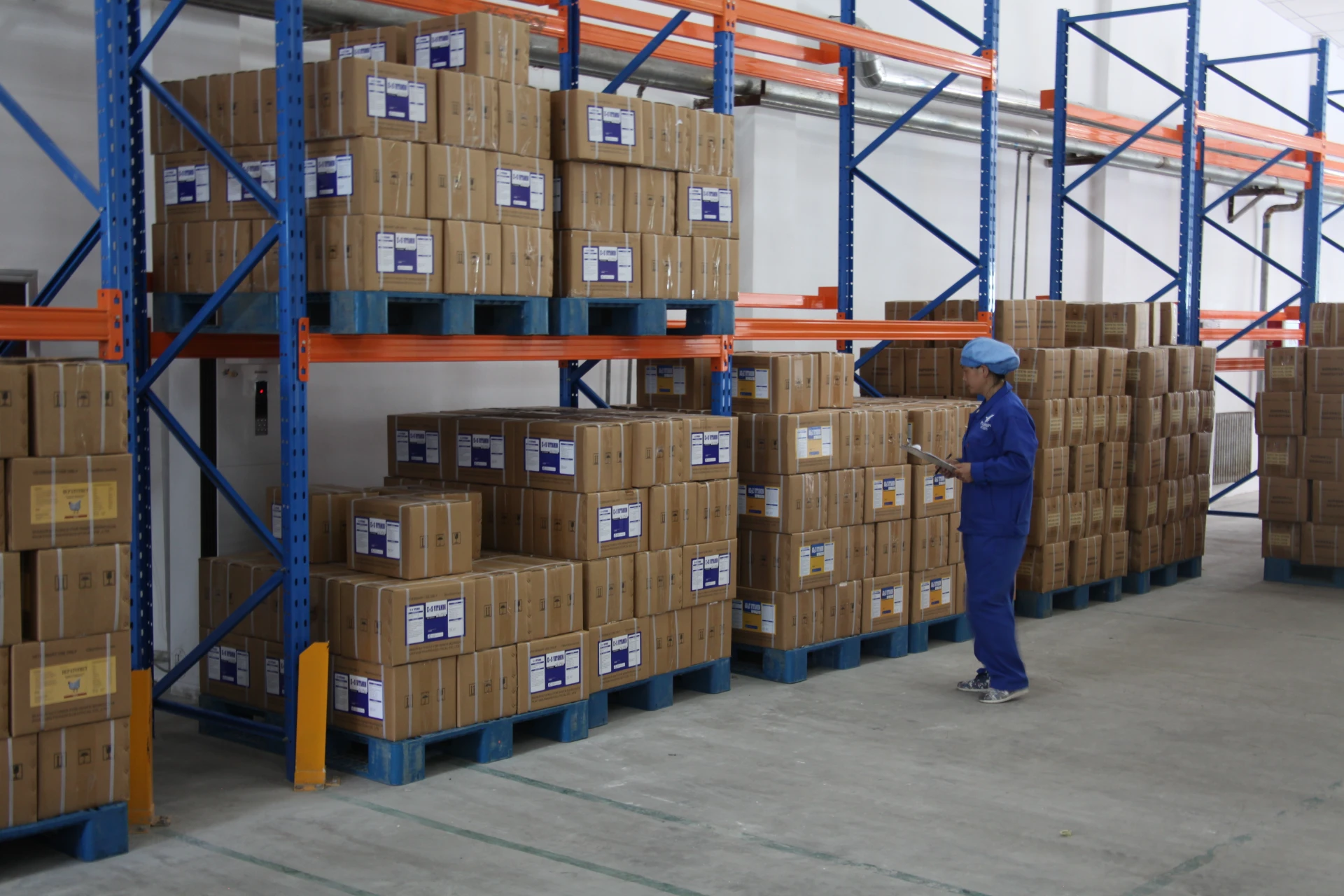
The foundational materials in Paws Dog Vitamins typically include a blend of vitamins (A, D, E, C, B-complex), minerals (calcium, phosphorus, zinc, iron), amino acids, and potentially omega-3 fatty acids. Vitamin sources can be synthetic (produced through chemical synthesis) or natural (derived from food sources). Synthetic vitamins, like Ascorbic Acid (Vitamin C), often offer higher purity and cost-effectiveness, while naturally derived vitamins may possess enhanced bioavailability due to the presence of co-factors. Mineral sources commonly include mineral chelates (e.g., zinc proteinate, iron glycinate) to improve absorption. Encapsulation materials for chewable tablets or soft chews typically consist of gelatin, glycerin, vegetable oils, and various binding agents like cellulose or modified starches. Manufacturing processes vary based on the final product form. Powdered vitamin blends involve precise weighing and mixing of ingredients followed by milling to ensure homogeneity. Chewable tablet production utilizes wet granulation, compression, and coating processes. Critical parameters during granulation include binder concentration, mixing time, and compression force, directly impacting tablet hardness and disintegration time. Soft chew manufacturing employs extrusion and molding techniques, where precise temperature control of the molten mixture is crucial to prevent ingredient degradation. Quality control measures throughout the process involve HPLC (High-Performance Liquid Chromatography) and GC-MS (Gas Chromatography-Mass Spectrometry) for vitamin and mineral quantification, and microbial testing to ensure product sterility. Raw material traceability and supplier qualification are paramount.
Performance & Engineering
The efficacy of Paws Dog Vitamins hinges on several key performance characteristics. Bioavailability, or the extent to which nutrients are absorbed and utilized by the dog's body, is paramount. Factors influencing bioavailability include the chemical form of the nutrient, the presence of absorption enhancers, and the dog’s digestive physiology. Formulating with chelated minerals, for instance, significantly enhances absorption compared to inorganic salts. Palatability is equally important, as a vitamin that is not consumed provides no benefit. Flavor masking agents and palatable coatings are often employed to improve acceptance. Stability studies are crucial to determine the shelf life of the product and ensure that vitamin potency remains within acceptable limits over time. These studies involve subjecting the vitamins to accelerated aging conditions (elevated temperature and humidity) and periodically measuring vitamin concentrations. Environmental resistance concerns primarily relate to moisture uptake, which can lead to degradation of vitamins and changes in texture. Packaging materials with low moisture permeability are essential. Compliance requirements are dictated by regulations established by organizations such as the FDA's Center for Veterinary Medicine (CVM) in the United States, which mandates adherence to Good Manufacturing Practices (GMP) and accurate labeling of ingredients. Force analysis pertaining to chewable tablets focuses on fracture toughness and compressive strength to prevent crumbling during handling and consumption.
Technical Specifications
| Vitamin A (IU/kg) | Vitamin D3 (IU/kg) | Vitamin E (IU/kg) | Vitamin C (mg/kg) |
|---|---|---|---|
| 10,000 | 1,000 | 200 | 500 |
| Zinc (mg/kg) | Iron (mg/kg) | Omega-3 Fatty Acids (% by weight) | Moisture Content (%) |
| 50 | 75 | 2.0 | < 10 |
| Tablet Hardness (N) | Disintegration Time (minutes) | Shelf Life (months) | Packaging Material |
| > 40 | < 30 | 18 | HDPE Bottle with desiccant |
| Palatability Score (1-5, 5=highest) | Bioavailability of Zinc Chelate (%) | Particle Size (μm) – Powder Form | pH Value (1% aqueous solution) |
| 4.5 | > 60 | < 150 | 6.5 – 7.5 |
Failure Mode & Maintenance
Paws Dog Vitamins are susceptible to several failure modes. Vitamin degradation is a primary concern, driven by oxidation, hydrolysis, and photolysis. Exposure to air, moisture, and light accelerates these processes, reducing vitamin potency. Physical degradation can manifest as tablet crumbling or soft chew becoming sticky, compromising palatability and dosage accuracy. Microbial contamination is another potential failure mode, particularly in products with high moisture content. Oxidation of fats within the formulation can lead to rancidity, affecting both taste and nutritional value. Delamination of coated tablets can occur due to improper coating application or storage in humid conditions. Maintenance and preventative measures include storing the vitamins in a cool, dry place away from direct sunlight. Utilizing moisture-resistant packaging and incorporating antioxidants into the formulation can mitigate degradation. Regular quality control testing, including vitamin potency assays and microbial analysis, is essential. Proper handling practices, such as avoiding contact with moisture and ensuring container closure after each use, will maximize product stability and longevity. Consumer education regarding proper storage conditions is crucial.
Industry FAQ
Q: What differentiates your vitamin chelate sources from simpler inorganic mineral salts in terms of bioavailability?
A: Mineral chelates, like zinc proteinate, bind the mineral to an amino acid. This complex facilitates transport across the intestinal wall via amino acid transporters, bypassing many of the absorption limitations inherent with inorganic salts which rely on passive diffusion. We utilize third-party testing to confirm our chelate bioavailability exceeds 60%, compared to typical inorganic salt absorption rates of 20-30%.
Q: How do you ensure the stability of fat-soluble vitamins (A, D, E) during the manufacturing process and throughout the product's shelf life?
A: We utilize microencapsulation technology to protect fat-soluble vitamins from oxidation and degradation. This involves coating the vitamins with a protective layer, preventing exposure to air and moisture. Additionally, we incorporate natural antioxidants, such as Vitamin C and Tocopherols, into the formulation to scavenge free radicals and inhibit oxidative processes. Stability studies are conducted under accelerated aging conditions to validate efficacy.
Q: Can you elaborate on your quality control procedures for verifying ingredient purity and identifying potential contaminants?
A: All raw materials undergo rigorous testing before acceptance. This includes Certificate of Analysis (CoA) verification, heavy metal analysis (ICP-MS), microbial testing (USP <61> & <62>), and pesticide residue screening. Finished product testing includes HPLC and GC-MS to confirm vitamin potency and identify any potential adulterants. We adhere to GMP standards and maintain a comprehensive supplier qualification program.
Q: What is the role of the desiccant included in the packaging, and how do you monitor its effectiveness over time?
A: The desiccant, typically silica gel, absorbs moisture within the packaging, preventing vitamin degradation and maintaining product integrity. We specify a desiccant capacity based on the product's water activity and packaging permeability. We periodically monitor the desiccant’s moisture absorption capacity during shelf-life studies to ensure it remains effective throughout the product’s stated lifespan.
Q: How does your formulation address palatability, particularly for dogs that are finicky eaters?
A: We utilize palatability enhancers such as natural flavors (e.g., chicken, beef) and coating agents that mask any inherent vitamin tastes. Our formulations undergo palatability testing with a panel of canine subjects to ensure high acceptance rates. We also offer different delivery formats – chewable tablets, soft chews, and powder – to cater to varying canine preferences.
Conclusion
Paws Dog Vitamins, as a critical component of canine dietary supplementation, require a nuanced understanding of material science, manufacturing processes, and performance characteristics. Maintaining bioavailability, palatability, and stability are paramount concerns, demanding stringent quality control measures throughout the entire production lifecycle. The selection of appropriate raw materials, the optimization of manufacturing parameters, and the implementation of robust packaging solutions are all integral to ensuring product efficacy and safety.
Future developments in this field will likely focus on personalized vitamin formulations tailored to individual canine needs based on breed, age, activity level, and pre-existing health conditions. Further research into novel encapsulation technologies and the use of prebiotics and probiotics to enhance nutrient absorption are also anticipated. Consistent adherence to evolving industry standards and regulatory guidelines remains crucial for manufacturers to maintain consumer trust and deliver high-quality vitamin supplements for optimal canine health.
Latest news
Copyright © 2026
Dingzhou Kangquan Pharmaceutical Co., Ltd. All Rights Reserved. Sitemap | Privacy
Policy


