
Apr . 01, 2024 17:55 Back to list
pediatric kitten vitamins Formulation and Performance Analysis
Introduction
Pediatric kitten vitamins represent a critical nutritional supplement designed to address the unique physiological demands of rapidly growing kittens, typically from weaning to six months of age. Positioned within the veterinary pet food and supplement supply chain, these formulations are distinct from adult feline vitamin supplements due to higher concentrations of key nutrients crucial for skeletal development, immune system maturation, and neurological function. Core performance metrics include bioavailability of essential vitamins (A, D, E, B-complex), chelated mineral absorption rates (calcium, phosphorus, zinc, iron), and palatability to ensure consistent intake. The increasing prevalence of indoor-only kittens and commercially produced kitten food, while convenient, often necessitates supplementation to prevent nutritional deficiencies and support optimal health outcomes. Improper formulation or inadequate intake can lead to developmental abnormalities, weakened immunity, and compromised long-term health.
Material Science & Manufacturing
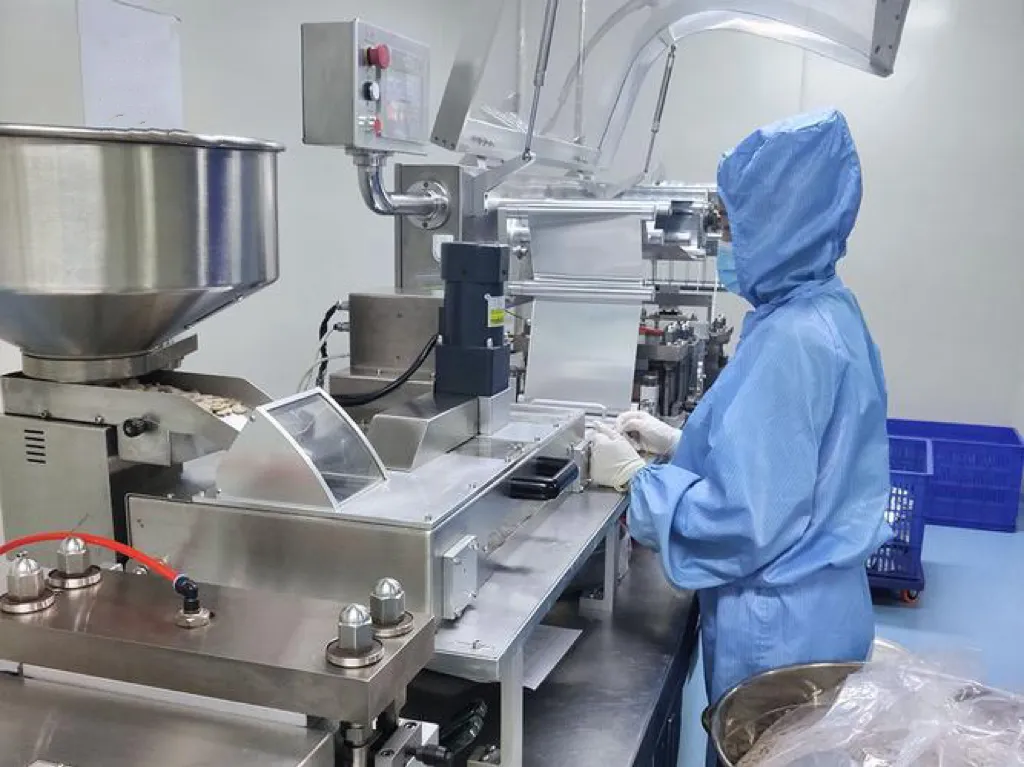
The production of pediatric kitten vitamins involves a complex interplay of material science and manufacturing processes. Raw materials typically include Vitamin A (retinyl acetate or palmitate), Vitamin D3 (cholecalciferol), Vitamin E (alpha-tocopherol), B-complex vitamins (thiamine, riboflavin, niacin, pyridoxine, cyanocobalamin, folic acid), essential minerals (calcium phosphate, ferrous sulfate, zinc oxide, copper sulfate), amino acids (taurine, L-lysine), and often, omega-3 fatty acids (docosahexaenoic acid - DHA, eicosapentaenoic acid - EPA). These are sourced from chemical synthesis (vitamins), mineral ore extraction (minerals), and biological sources (fish oil for omega-3s). Manufacturing commonly employs several unit operations: micronization (reducing particle size for improved bioavailability), granulation (improving flowability and compressibility), blending (homogeneous distribution of ingredients), and encapsulation (tablets, soft chews, or liquid suspensions). Critical parameters include temperature control during granulation to prevent vitamin degradation, accurate weighing and mixing to ensure consistent formulation, and maintaining a controlled environment (humidity, dust) to prevent contamination. Encapsulation materials (gelatin, cellulose) must be rigorously tested for purity and compatibility with the active ingredients. The chemical stability of fat-soluble vitamins (A, D, E) is a key consideration, often requiring antioxidant encapsulation or protection from light and oxygen.

Performance & Engineering
Performance of pediatric kitten vitamins is assessed through a combination of in-vitro and in-vivo studies. Bioavailability, a key metric, is determined by measuring the plasma concentrations of vitamins and minerals following administration. Force analysis is relevant in chewable tablet formulations, quantifying the biting force required to effectively consume the product. Environmental resistance considerations focus on maintaining product stability during storage and transport; this includes evaluating susceptibility to oxidation (particularly of fat-soluble vitamins), hydrolysis (degradation in the presence of moisture), and UV degradation. Compliance requirements are dictated by veterinary pharmaceutical regulations (e.g., FDA Center for Veterinary Medicine in the US) which mandate adherence to Good Manufacturing Practices (GMP) and proof of efficacy and safety. Functional implementation involves optimizing the formulation for palatability – kittens are notoriously selective eaters. This necessitates careful selection of flavoring agents, texture, and size. The inclusion of prebiotics or probiotics can enhance gut health and improve nutrient absorption, further contributing to performance. Furthermore, the interaction between the vitamin formulation and the kitten’s existing diet must be considered to avoid potential nutrient antagonism or toxicity.
Technical Specifications
| Vitamin A (IU/kg) | Vitamin D3 (IU/kg) | Vitamin E (IU/kg) | Taurine (mg/kg) |
|---|---|---|---|
| 15,000 - 25,000 | 1,500 - 2,500 | 150 - 300 | 500 - 1,000 |
| Calcium (%) | Phosphorus (%) | Magnesium (%) | Zinc (mg/kg) |
| 1.0 - 1.5 | 0.8 - 1.2 | 0.08 - 0.12 | 50 - 100 |
| DHA + EPA (%) | L-Lysine (mg/kg) | Moisture Content (%) | Ash Content (%) |
| 0.3 - 0.6 | 2,000 - 4,000 | < 10 | < 15 |
| Palatability Score (1-5) | Particle Size (μm) | pH (in solution) | Stability (Shelf Life) |
| 4.0 - 5.0 | < 100 | 6.0 - 7.5 | 12-24 months |
Failure Mode & Maintenance
Failure modes in pediatric kitten vitamins can manifest in several ways. Degradation of vitamins, particularly fat-soluble vitamins, due to oxidation or UV exposure is common, leading to reduced potency. Hydrolysis of active ingredients in liquid formulations can occur if the pH is not adequately controlled. Delamination of coating materials in chewable tablets can reduce palatability and potentially introduce unwanted ingredients. Physical damage during shipping and handling (crushing, breakage) can compromise the integrity of the product. Microbial contamination, though rare with proper GMP, is a serious concern. Maintenance primarily focuses on proper storage: cool, dry place, protected from light and air. Regular quality control testing (HPLC for vitamin quantification, microbial testing) is crucial to ensure continued potency and safety. For chewable tablets, monitoring for cracking or crumbling is important. For liquid formulations, observing for changes in color, clarity, or sediment formation can indicate degradation. Shelf-life studies are essential to establish expiration dates and guarantee product efficacy throughout the intended usage period. Furthermore, proper handling by veterinarians and pet owners, including adhering to recommended dosage guidelines, is critical to prevent adverse effects.
Industry FAQ
Q: What is the significance of chelated minerals in a pediatric kitten vitamin supplement?
A: Chelated minerals, such as zinc and iron bound to amino acids, exhibit significantly improved bioavailability compared to inorganic mineral salts. Kittens have limited digestive capacity and efficient mineral absorption is crucial for bone development and immune function. Chelation protects the mineral from binding with phytates or other compounds in the diet that inhibit absorption, ensuring a higher percentage reaches systemic circulation.
Q: How do you ensure the stability of Vitamin A in a dry chewable formulation?
A: Vitamin A is highly susceptible to oxidation. We employ several strategies: encapsulation in a protective matrix (e.g., using a microencapsulation technique with a lipid-based coating), the inclusion of antioxidants (Vitamin E, Vitamin C, rosemary extract) in the formulation, and packaging in opaque, airtight containers flushed with nitrogen to minimize oxygen exposure. Regular stability testing confirms that Vitamin A potency remains within acceptable limits throughout the product’s shelf life.
Q: What is the optimal ratio of calcium to phosphorus for growing kittens?
A: The ideal calcium to phosphorus ratio for kittens is generally considered to be between 1.2:1 and 2:1. Maintaining this ratio is critical for proper skeletal mineralization and preventing metabolic bone diseases. Excessively high calcium levels can interfere with phosphorus absorption, while low calcium can lead to rickets or osteomalacia. Our formulations are carefully balanced to meet these requirements.
Q: How do you assess the palatability of a new pediatric kitten vitamin formulation?
A: Palatability is rigorously assessed through feeding trials involving a panel of kittens. We evaluate multiple parameters: voluntary intake (amount consumed within a specified timeframe), preference testing (comparing intake to a control group receiving a standard diet), and behavioral observations (e.g., willingness to approach and consume the product). Formulations with low acceptance rates are refined through modifications to flavoring agents, texture, and shape.
Q: What regulatory requirements govern the manufacture and sale of pediatric kitten vitamins?
A: In the United States, pediatric kitten vitamins are regulated by the FDA Center for Veterinary Medicine (CVM) as dietary supplements. Manufacturers must adhere to Good Manufacturing Practices (GMP) outlined in 21 CFR Part 111. While pre-market approval is not required, the CVM can take action against products deemed unsafe or misbranded. Labeling requirements are stringent, mandating accurate ingredient listing, guaranteed analysis, and clear feeding instructions. Compliance with state-specific regulations may also be required.
Conclusion
Pediatric kitten vitamins represent a nuanced intersection of nutritional science, material engineering, and veterinary medicine. Effective formulation demands a thorough understanding of kitten physiology, vitamin and mineral bioavailability, and the potential for degradation during manufacturing and storage. The rigorous adherence to GMP guidelines and consistent quality control testing are paramount for ensuring product safety and efficacy.
Future advancements will likely focus on developing novel delivery systems to further enhance nutrient absorption, personalized vitamin formulations tailored to individual kitten needs based on genetic predispositions, and sustainable sourcing of raw materials. Continued research into the long-term health benefits of early-life vitamin supplementation will further solidify the importance of these products in promoting optimal kitten development and lifelong wellbeing.
Latest news
Copyright © 2026
Dingzhou Kangquan Pharmaceutical Co., Ltd. All Rights Reserved. Sitemap | Privacy
Policy


