
Apr . 01, 2024 17:55 Back to list
Pets Family Multivitamin Formulation Analysis
Introduction
Pets Family Multivitamin represents a crucial segment within the companion animal nutritional supplement industry. Positioned as a preventative healthcare product, its primary function is to address potential micronutrient deficiencies in domestic animals – dogs, cats, and often smaller mammals – stemming from incomplete or imbalanced diets. Unlike therapeutic veterinary diets specifically formulated for disease management, family multivitamins are geared towards supporting general health, boosting immune function, and maintaining optimal physiological processes across all life stages. The product’s efficacy relies on a precise formulation of vitamins, minerals, and often additional bioactives, delivered in a palatable format—typically tablets, soft chews, or liquids—to ensure consistent consumption. A critical performance characteristic is bioavailability; the extent to which the administered nutrients are absorbed and utilized by the animal's metabolism. Regulatory oversight varies significantly between regions, influencing permissible ingredient levels, labeling requirements, and manufacturing standards. This guide provides a comprehensive technical overview of Pets Family Multivitamin, encompassing its formulation, manufacturing processes, performance characteristics, potential failure modes, and relevant industry standards.
Material Science & Manufacturing
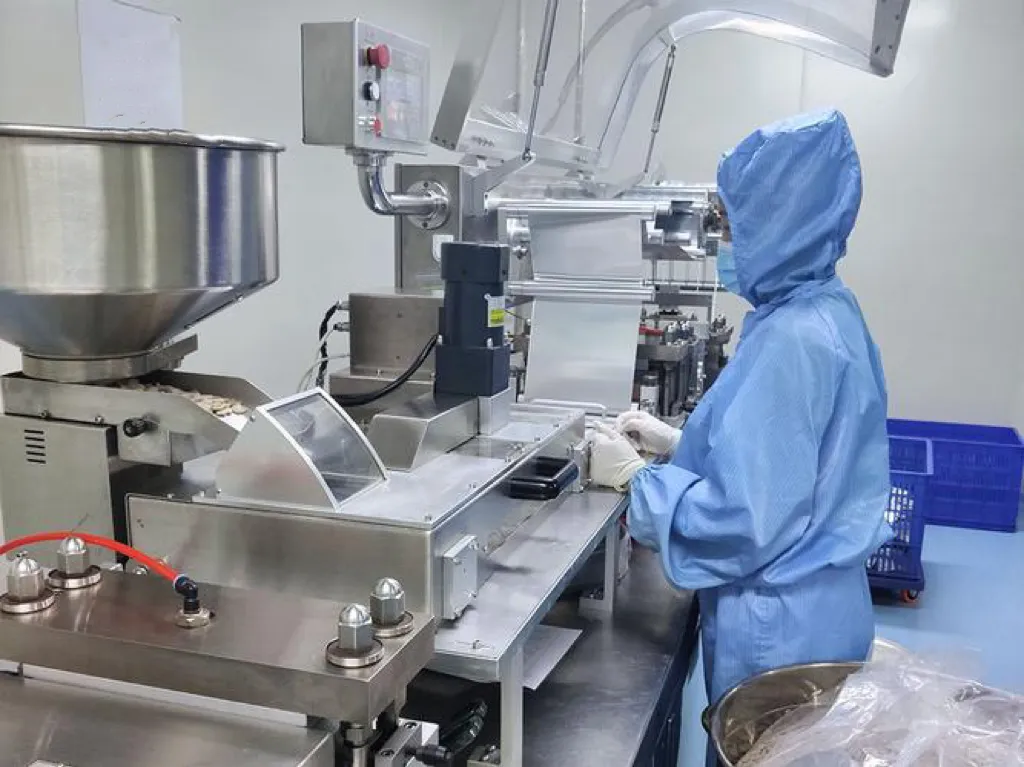
The foundation of Pets Family Multivitamin lies in the sourcing and processing of its constituent ingredients. Vitamins (A, D, E, C, B-complex), minerals (calcium, phosphorus, iron, zinc, selenium), and trace nutrients are typically synthesized or extracted from natural sources. Vitamin synthesis often involves complex organic chemistry processes, ensuring purity and potency. Mineral sources may include mineral salts (e.g., calcium carbonate, ferrous sulfate) or chelated minerals, enhancing bioavailability. The choice of excipients – inactive ingredients – is critical. These include binders (e.g., microcrystalline cellulose), fillers (e.g., lactose), disintegrants (e.g., croscarmellose sodium), lubricants (e.g., magnesium stearate), and flavoring agents. Manufacturing processes vary depending on the final dosage form. Tablet compression requires precise control of blend homogeneity, compression force, and tablet hardness to ensure consistent drug delivery and prevent friability. Soft chew manufacturing involves extrusion and molding, utilizing gelling agents and plasticizers to achieve the desired texture. Liquid formulations necessitate accurate mixing and stabilization to prevent sedimentation and maintain ingredient integrity. Key parameters monitored during production include particle size distribution of powdered ingredients, moisture content, pH, viscosity (for liquids), and dissolution rate. Chemical compatibility between ingredients is paramount to prevent degradation or the formation of undesirable compounds. Packaging materials (e.g., HDPE bottles, blister packs) must provide a barrier against moisture, oxygen, and light to preserve product stability. GMP (Good Manufacturing Practices) compliance is non-negotiable, ensuring consistent quality and traceability.
Performance & Engineering
The performance of Pets Family Multivitamin is governed by several critical engineering principles. Bioavailability is central; factors influencing it include the chemical form of the nutrient (e.g., chelated vs. inorganic minerals), particle size, and the animal's digestive physiology. The product’s formulation must consider the target species’ metabolic pathways and nutrient requirements, which vary significantly between dogs, cats, and other animals. Stability studies are essential to determine shelf life and ensure that nutrient potency remains within acceptable limits over time. Environmental factors, such as temperature and humidity, can accelerate degradation. Force analysis is relevant to tablet hardness and chewability; ensuring that the product can be easily administered without crumbling or causing digestive upset. Compliance requirements, dictated by regulatory bodies like the FDA (in the US) and EFSA (in Europe), necessitate rigorous testing for heavy metals, microbial contamination, and ingredient authenticity. The dosage form is engineered to maximize palatability, crucial for consistent compliance. Flavor masking techniques are employed to overcome the inherent taste of some vitamins and minerals. Furthermore, the potential for drug-nutrient interactions must be considered, particularly in animals receiving concurrent medications. Proper dissolution testing – simulating the gastrointestinal environment – is vital to predict in vivo absorption rates and evaluate formulation performance.
Technical Specifications
| Parameter | Unit | Specification (Dog Adult) | Test Method |
|---|---|---|---|
| Vitamin A | IU/kg | 5,000 - 10,000 | HPLC |
| Vitamin D3 | IU/kg | 500 - 1,000 | HPLC |
| Vitamin E | IU/kg | 50 - 100 | HPLC |
| Vitamin C | mg/kg | 100 - 200 | Titration |
| B-Complex Vitamins (Total) | mg/kg | 500 - 1,000 | Microbiological Assay |
| Zinc | mg/kg | 50 - 100 | Atomic Absorption Spectroscopy |
Failure Mode & Maintenance
Pets Family Multivitamin, despite stringent quality control, is susceptible to several failure modes. Degradation of vitamins, particularly those sensitive to oxidation (e.g., Vitamin C, Vitamin E), is a common issue, leading to reduced potency over time. Moisture ingress, due to inadequate packaging or improper storage, can accelerate degradation and promote microbial growth. Tablet friability and capping (separation of tablet layers) can occur due to insufficient binder content or excessive compression force. Soft chews may become rancid due to lipid oxidation, especially if unsaturated fats are present. Loss of palatability can result from ingredient degradation or changes in flavor profile. Contamination with heavy metals or microbial pathogens poses a significant safety risk. Maintenance strategies include storing the product in a cool, dry place, protected from light. Proper packaging—using moisture-resistant materials—is critical. Implementing a robust quality control system, including regular potency testing and microbial monitoring, is essential. Adhering to recommended dosage guidelines minimizes the risk of adverse reactions. Reporting any adverse events to the manufacturer allows for continuous product improvement and proactive risk management. Consumers should be advised to visually inspect the product for any signs of damage or contamination before administration.
Industry FAQ
Q: What is the significance of chelated minerals in a pet multivitamin?
A: Chelated minerals, where the mineral is bound to an amino acid, exhibit significantly enhanced bioavailability compared to inorganic mineral salts. This chelation process protects the mineral from forming insoluble complexes in the digestive tract, improving its absorption and utilization by the animal's body. This is particularly important for minerals like zinc, iron, and copper.
Q: How do you ensure the stability of Vitamin C in a chewable multivitamin?
A: Vitamin C is highly susceptible to oxidation. To mitigate this, we employ several strategies. Encapsulation of Vitamin C within a protective matrix, addition of antioxidants like Vitamin E and rosemary extract, and using airtight packaging with a nitrogen flush all contribute to maintaining Vitamin C potency throughout the product's shelf life. Rapid manufacturing processes also minimize exposure to oxygen.
Q: What are the implications of exceeding the recommended dosage of a pet multivitamin?
A: While generally safe, exceeding the recommended dosage can lead to adverse effects. Fat-soluble vitamins (A, D, E, K) can accumulate in the body, potentially causing toxicity. Excessive mineral intake can disrupt electrolyte balance and interfere with the absorption of other nutrients. It's crucial to adhere to the dosage guidelines based on the animal’s weight and life stage.
Q: How is the palatability of the multivitamin ensured, particularly for picky eaters?
A: Palatability is paramount. We utilize a combination of highly palatable flavorings, such as chicken or beef liver, and employ flavor masking techniques to minimize the taste of less appealing ingredients. The texture of the chew is also carefully engineered to be appealing to animals. Extensive palatability testing is conducted with various animal breeds and age groups.
Q: What quality control measures are in place to prevent contamination with heavy metals?
A: We implement a rigorous raw material sourcing program, ensuring that all ingredients are obtained from reputable suppliers with documented quality control systems. Incoming raw materials are subjected to thorough testing for heavy metals (lead, mercury, arsenic, cadmium) using Inductively Coupled Plasma Mass Spectrometry (ICP-MS). Finished product testing is also conducted to verify that heavy metal levels are below permissible limits as defined by regulatory standards.
Conclusion
Pets Family Multivitamin represents a complex formulation and manufacturing process, demanding meticulous control over material selection, production parameters, and quality assurance. The efficacy of the product hinges on bioavailability, stability, and palatability—all underpinned by a thorough understanding of animal nutrition and physiological requirements. Failure to address potential degradation pathways, contamination risks, or dosage imbalances can compromise product performance and potentially jeopardize animal health.
Looking ahead, advancements in microencapsulation technologies and personalized nutrition will likely drive innovation in this sector. The development of targeted multivitamin formulations, tailored to specific breeds, life stages, or health conditions, holds significant promise. Continuous monitoring of regulatory changes and proactive implementation of quality control measures will remain crucial for ensuring the safety and efficacy of Pets Family Multivitamin products.
Latest news
Copyright © 2026
Dingzhou Kangquan Pharmaceutical Co., Ltd. All Rights Reserved. Sitemap | Privacy
Policy


