
Apr . 01, 2024 17:55 Back to list
pharmasin poultry medicine Performance Analysis
Introduction
Pharmasin poultry medicine represents a critical category within veterinary pharmaceuticals, specifically formulated for the prevention and treatment of diseases impacting poultry production. These medications encompass a broad spectrum of therapeutic agents, including antibiotics, anticoccidials, vitamins, and disinfectants, designed to optimize flock health, improve feed conversion ratios, and minimize economic losses due to morbidity and mortality. The industry chain positions Pharmasin products as a key intervention point between poultry breeders, feed manufacturers, and veterinary practitioners. Core performance characteristics revolve around efficacy in targeting specific pathogens, bioavailability for effective absorption within the avian system, and safety profiles ensuring minimal residue levels in poultry products for human consumption. A significant industry pain point is the increasing prevalence of antimicrobial resistance, driving demand for innovative formulations and responsible usage protocols. Furthermore, stringent regulatory oversight and the need for consistent product quality pose ongoing challenges for manufacturers.
Material Science & Manufacturing
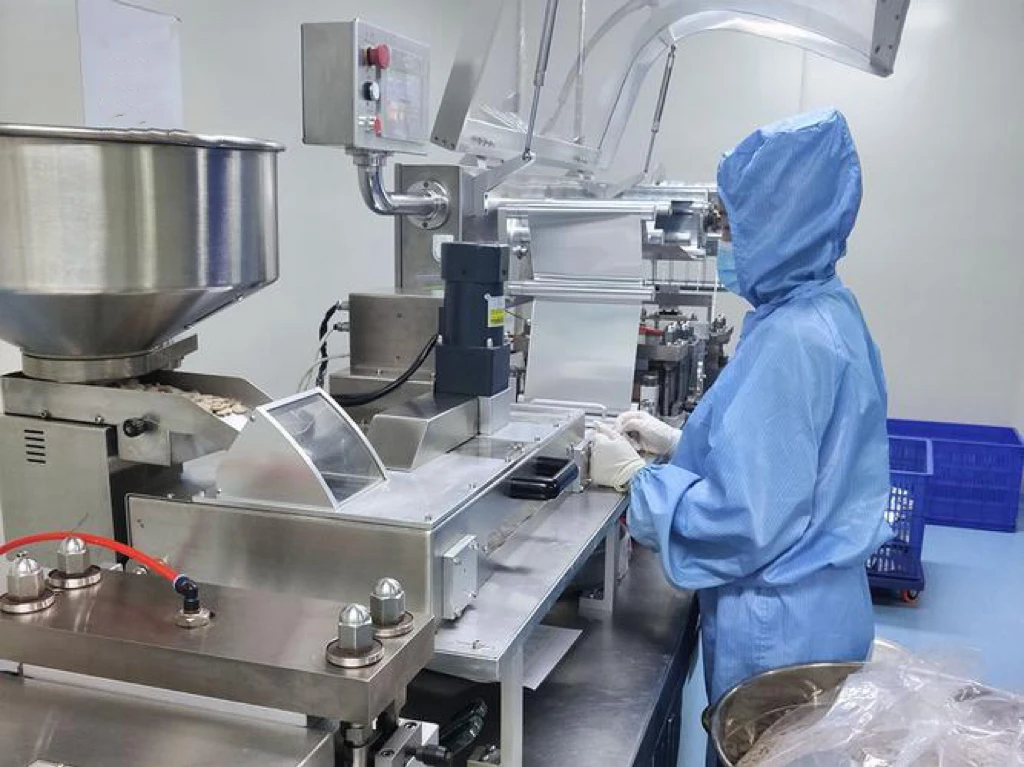
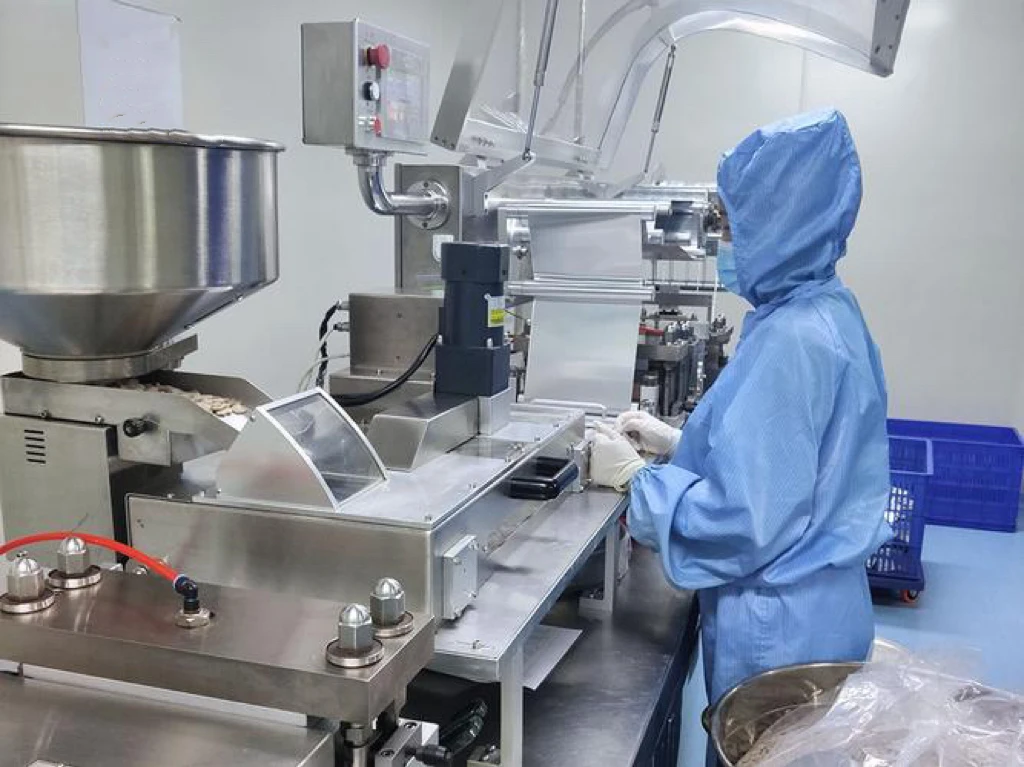
The composition of Pharmasin poultry medicine varies significantly based on the active pharmaceutical ingredient (API). Antibiotics, for example, commonly utilize APIs derived from fermentation processes (e.g., tetracyclines, macrolides) or semi-synthetic modification of natural compounds. Anticoccidials often involve complex organic molecules designed to disrupt the parasite's life cycle. Excipients are critical, encompassing diluents (lactose, microcrystalline cellulose), binders (polyvinylpyrrolidone, hydroxypropyl methylcellulose), disintegrants (croscarmellose sodium, sodium starch glycolate), and lubricants (magnesium stearate, talc). These materials dictate bioavailability, stability, and ease of administration. Manufacturing processes differ depending on the dosage form. Powdered formulations involve milling, blending, and granulation steps, requiring precise control of particle size distribution for uniform dispersion in water. Liquid formulations necessitate dissolution and sterilization procedures, demanding strict adherence to Good Manufacturing Practices (GMP). Injectable formulations require aseptic processing and stringent quality control to eliminate pyrogen contamination. Key parameter control focuses on API purity (HPLC analysis), moisture content (Karl Fischer titration), particle size (laser diffraction), and sterilization validation (bioburden testing). Material compatibility studies are conducted to ensure excipients don't react with the API, compromising efficacy or stability. The selection of packaging materials (HDPE, LDPE, glass) considers chemical resistance, barrier properties, and leachability potential.
Performance & Engineering
The performance of Pharmasin poultry medicine is evaluated based on pharmacokinetic (PK) and pharmacodynamic (PD) parameters. PK studies determine the absorption, distribution, metabolism, and excretion (ADME) of the API within the avian system. Bioavailability, measured as the fraction of the administered dose reaching systemic circulation, is a critical performance indicator. PD studies assess the drug's effect on the target pathogen or physiological process. Minimum inhibitory concentration (MIC) and minimum bactericidal concentration (MBC) are key metrics for antibiotics, while lesion scores are used to evaluate anticoccidial efficacy. Environmental resistance considerations include the drug’s stability under varying temperature, humidity, and light exposure. Formulation engineering plays a significant role; for example, microencapsulation can protect APIs from degradation in the harsh gastrointestinal environment and enable controlled release. Compliance requirements are extensive, governed by veterinary drug regulations in each market (e.g., FDA in the USA, EMA in Europe). These regulations mandate rigorous testing for efficacy, safety, and quality. Functional implementation involves determining the appropriate dosage regimen, route of administration (oral, injection, in-water), and duration of treatment based on the specific disease, flock size, and bird age. Withdrawal periods are carefully defined to ensure residue levels in poultry products remain below established maximum residue limits (MRLs).
Technical Specifications
| API Concentration | Dosage Form | Withdrawal Period (Days) | pH Range (for Liquids) |
|---|---|---|---|
| 500 mg/mL | Oral Solution | 7 | 6.0 - 7.5 |
| 10% w/w | Premix | 3 | N/A |
| 200 mg/mL | Injectable Solution | 14 | N/A |
| 100 g/kg | Water Soluble Powder | 5 | N/A |
| 5% w/w | Medicated Feed | 21 | N/A |
| 25% w/w | Paste | 4 | N/A |
Failure Mode & Maintenance
Failure modes in Pharmasin poultry medicine can arise from several sources. API degradation due to improper storage (temperature, humidity, light) is a common concern, leading to reduced potency. Formulation instability, such as particle settling in suspensions or phase separation in emulsions, can affect dose uniformity. Packaging failures, including container leaks or cracks, compromise product integrity. Microbial contamination during manufacturing or handling can render the product ineffective or even harmful. In-use failures can result from incorrect dosage administration, improper dilution, or non-compliance with withdrawal periods. Fatigue cracking in packaging during transport could result in product compromise. Failure analysis involves root cause identification using techniques like HPLC to assess API degradation, microscopy to examine particle morphology, and microbial testing to detect contamination. Preventive maintenance strategies include strict adherence to GMP guidelines, robust quality control testing at each stage of manufacturing, appropriate packaging selection, and validated storage conditions. Regular stability studies are crucial to determine shelf life and identify potential degradation pathways. Employee training on proper handling and administration procedures is essential. A comprehensive recall system should be in place to address potential safety issues.
Industry FAQ
Q: What is the impact of antimicrobial resistance on the selection of antibiotics for poultry medicine?
A: Antimicrobial resistance is a major concern. It necessitates a shift towards responsible antibiotic usage, including utilizing narrow-spectrum antibiotics when possible, employing combination therapies, and implementing preventative measures like biosecurity and vaccination. Regular susceptibility testing is crucial to monitor resistance patterns and guide antibiotic selection. Furthermore, exploring alternative therapies, such as probiotics and phage therapy, is becoming increasingly important.
Q: How do withdrawal periods impact the safety of poultry products for human consumption?
A: Withdrawal periods are established to allow sufficient time for the API to be metabolized and excreted from the poultry's system, ensuring that residue levels in meat and eggs remain below established MRLs. Non-compliance with withdrawal periods poses a risk of human exposure to potentially harmful drug residues, leading to allergic reactions or the development of antibiotic resistance.
Q: What are the key considerations for selecting excipients in poultry medicine formulations?
A: Excipients must be compatible with the API and not interfere with its efficacy or stability. They should be non-toxic to poultry and not leave harmful residues in products. Bioavailability and palatability are also important factors. The chosen excipients must also be suitable for the intended route of administration (e.g., water solubility for in-water medication).
Q: How is the stability of liquid formulations of poultry medicine ensured during storage and transport?
A: Stability is ensured through formulation optimization, including pH adjustment, addition of stabilizers, and use of appropriate packaging materials. Storage conditions (temperature, humidity, light exposure) must be carefully controlled. Accelerated stability studies are conducted to predict long-term stability. Packaging should provide a barrier against oxygen and moisture.
Q: What role does Good Manufacturing Practice (GMP) play in ensuring the quality of Pharmasin poultry medicine?
A: GMP guidelines establish a comprehensive framework for quality control throughout the entire manufacturing process, from raw material sourcing to finished product release. GMP compliance ensures consistent product quality, minimizes the risk of contamination, and guarantees adherence to regulatory standards. Regular audits and inspections are conducted to verify GMP compliance.
Conclusion
Pharmasin poultry medicine constitutes a vital element in modern poultry production, directly impacting flock health, productivity, and food safety. The industry demands ongoing innovation in formulation science, driven by the need to overcome antimicrobial resistance, enhance bioavailability, and meet increasingly stringent regulatory requirements. A thorough understanding of the material science, manufacturing processes, performance characteristics, and potential failure modes is critical for ensuring product efficacy and safety.
Looking ahead, the integration of precision livestock farming technologies, coupled with advancements in genomics and immunology, will likely drive the development of targeted therapies and personalized medicine approaches for poultry. Furthermore, a greater emphasis on preventative healthcare strategies, including vaccination and biosecurity, will reduce reliance on antimicrobial agents and promote sustainable poultry production practices. Consistent adherence to international standards and continuous improvement in quality control systems remain paramount to maintaining consumer confidence and ensuring the long-term viability of the industry.
Latest news
Copyright © 2026
Dingzhou Kangquan Pharmaceutical Co., Ltd. All Rights Reserved. Sitemap | Privacy
Policy


