
Apr . 01, 2024 17:55 Back to list
pitbull dog vitamins Performance Analysis
Introduction
Canine nutritional supplements, specifically those formulated for breeds predisposed to high activity levels and musculoskeletal demands – termed herein ‘pitbull dog vitamins’ – represent a specialized segment within the broader pet food and supplement industry. These formulations differ substantially from standard multivitamin offerings, focusing on targeted support for joint health, muscle recovery, and overall systemic resilience. The technical position of these supplements lies between preventative veterinary care and specialized athletic performance enhancement. Core performance indicators center around bioavailability of key nutrients, demonstrable impact on biomarkers related to inflammation and cartilage metabolism, and palatability for consistent ingestion. A significant industry pain point is the inconsistent quality control and lack of standardized dosage recommendations leading to efficacy variations and potential adverse reactions. Furthermore, consumer understanding regarding the differentiation between prophylactic supplementation and treatment of diagnosed deficiencies remains limited, driving demand for clear, scientifically-backed product information.
Material Science & Manufacturing
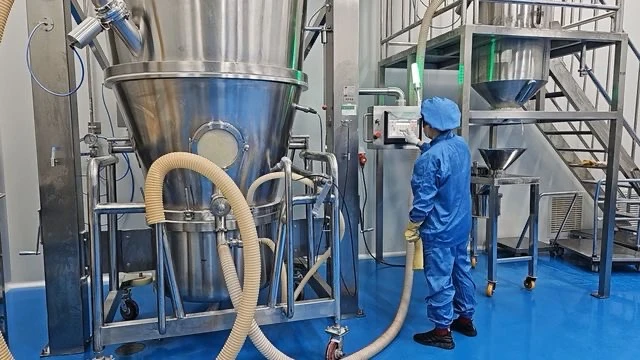
The foundation of pitbull dog vitamins lies in the sourcing and processing of raw materials. Key components typically include Vitamin D3 (cholecalciferol), Glucosamine Hydrochloride, Chondroitin Sulfate, Methylsulfonylmethane (MSM), Omega-3 Fatty Acids (EPA & DHA, often from fish oil or algal sources), and various trace minerals (Zinc, Manganese, Copper). Vitamin D3’s chemical properties – a fat-soluble secosteroid – dictate its encapsulation requirements to ensure stability and bioavailability. Glucosamine and Chondroitin, complex carbohydrates, are often derived from shellfish exoskeletons (crab or shrimp) requiring rigorous purification to remove allergenic proteins. MSM, an organosulfur compound, demands high purity levels to minimize oxidation. Omega-3 fatty acid extraction relies on solvent-based (hexane) or supercritical fluid extraction (CO2) methods, impacting the final product’s environmental footprint and residual solvent levels. Manufacturing processes typically involve blending, granulation, and coating. Granulation ensures uniform particle size for consistent dosage, while coating protects sensitive ingredients from degradation and improves palatability. Critical process parameters include blend uniformity, compression force (for tablets), coating thickness, and moisture content. Quality control relies heavily on HPLC (High-Performance Liquid Chromatography) for nutrient quantification, microbiological testing for pathogen detection, and heavy metal analysis (ICP-MS – Inductively Coupled Plasma Mass Spectrometry) to ensure compliance with safety regulations.
Performance & Engineering
Performance assessment of pitbull dog vitamins necessitates a multi-faceted approach encompassing pharmacokinetic studies, biomechanical analyses, and clinical trials. Pharmacokinetics evaluate the absorption, distribution, metabolism, and excretion (ADME) of key nutrients. Bioavailability, a critical engineering parameter, is influenced by particle size, coating characteristics, and the presence of enhancers. Biomechanical testing focuses on the impact of supplementation on joint cartilage elasticity and tensile strength, often using in vitro models simulating load-bearing conditions. Clinical trials, ideally double-blinded and placebo-controlled, are essential to demonstrate efficacy in reducing lameness, improving range of motion, and mitigating inflammatory biomarkers (e.g., C-reactive protein, interleukin-6). Force analysis, particularly concerning skeletal muscle function, can be assessed via gait analysis and electromyography (EMG). Environmental resistance, while less direct, involves assessing the stability of the encapsulated nutrients under varying temperature and humidity conditions. Compliance requirements stem from regulations set forth by the Food and Drug Administration (FDA) and the Association of American Feed Control Officials (AAFCO), mandating accurate labeling, ingredient safety, and manufacturing practices. Functional implementation relies on the targeted delivery of nutrients to articular cartilage, synovial fluid, and muscle tissue, often achieved through liposomal encapsulation or targeted delivery systems.
Technical Specifications
| Ingredient | Typical Concentration (per dose) | Bioavailability (%) | Molecular Weight (g/mol) |
|---|---|---|---|
| Vitamin D3 (Cholecalciferol) | 1000 IU | 70-85 | 389.65 |
| Glucosamine HCl | 500 mg | 60-75 | 291.24 |
| Chondroitin Sulfate | 250 mg | 40-60 | 500-1000 (variable) |
| MSM | 250 mg | 80-90 | 154.22 |
| EPA (Eicosapentaenoic Acid) | 100 mg | 65-80 | 233.37 |
| DHA (Docosahexaenoic Acid) | 50 mg | 70-85 | 226.36 |
Failure Mode & Maintenance
Failure modes in pitbull dog vitamins encompass both product degradation and limited therapeutic effect. Product degradation can manifest as oxidation of Omega-3 fatty acids, leading to rancidity and reduced potency. Hydrolysis of glucosamine and chondroitin can occur due to moisture absorption, reducing their efficacy. Tablet crumbling or capsule softening indicates compromised coating integrity. Limited therapeutic effect often stems from insufficient dosage, poor bioavailability, or pre-existing, severe joint damage. From a canine physiological perspective, individual metabolic rates and gastrointestinal absorption capabilities vary significantly, influencing nutrient utilization. Failure can also occur due to improper storage. Maintenance recommendations include storing the product in a cool, dry place, away from direct sunlight. Containers should be tightly sealed to prevent moisture ingress. Regular monitoring of the dog’s condition – assessing lameness, activity levels, and appetite – is crucial to determine product effectiveness. Periodic veterinary check-ups are essential to identify any underlying health conditions that may necessitate alternative or adjunctive therapies. If signs of adverse reactions (e.g., digestive upset, allergic reactions) are observed, discontinue use and consult a veterinarian immediately. It is critical to verify the product’s expiration date and adhere to the recommended dosage guidelines.
Industry FAQ
Q: What differentiates a high-quality pitbull dog vitamin formulation from a standard canine multivitamin?
A: A high-quality formulation prioritizes targeted support for joint health and muscle recovery, utilizing higher concentrations of glucosamine, chondroitin, MSM, and Omega-3 fatty acids. It also emphasizes bioavailability through encapsulation techniques and the inclusion of absorption enhancers. Standard multivitamins often provide only minimal levels of these compounds for general health maintenance, lacking the potency needed for physically demanding breeds. Furthermore, quality control measures, including independent lab testing, are more rigorous in specialized formulations.
Q: What is the significance of bioavailability in assessing the efficacy of these vitamins?
A: Bioavailability refers to the extent and rate at which a nutrient is absorbed and utilized by the body. A high concentration of a nutrient on a label doesn't guarantee effectiveness if it isn't absorbed efficiently. Factors influencing bioavailability include particle size, chemical form, the presence of absorption enhancers, and the dog’s digestive health. Low bioavailability renders the product significantly less effective, even with a seemingly adequate dosage.
Q: Are there any known drug interactions to consider when administering pitbull dog vitamins?
A: Potential interactions exist, particularly with anticoagulant medications. High doses of Omega-3 fatty acids can have a mild blood-thinning effect and may potentiate the effects of anticoagulants. Vitamin D3 can interact with certain heart medications. Always inform your veterinarian about all supplements your dog is receiving to avoid potentially harmful interactions.
Q: How important is the source of the ingredients, particularly for glucosamine and chondroitin?
A: The source is crucial. Glucosamine and chondroitin are commonly derived from shellfish, posing a potential allergen risk for dogs with seafood sensitivities. Vegetarian sources are available, though their bioavailability may differ. Ensuring a reputable supplier and thorough purification processes to remove allergenic proteins is paramount. Contamination with heavy metals is another concern, requiring rigorous testing of raw materials.
Q: What is the role of palatability in ensuring long-term compliance with vitamin supplementation?
A: Palatability is essential for consistent ingestion. Many dogs are hesitant to consume tablets or capsules. Formulations utilizing flavored coatings, chewable tablets, or mixing with food are more likely to be accepted. Poor palatability leads to inconsistent dosing and reduced therapeutic benefit. Manufacturers often employ palatability studies to optimize flavor profiles.
Conclusion
Pitbull dog vitamins represent a sophisticated application of nutritional science, demanding meticulous attention to material sourcing, manufacturing processes, and performance evaluation. The efficacy of these supplements hinges not merely on ingredient lists, but on bioavailability, dosage accuracy, and a comprehensive understanding of canine physiology. The ongoing challenge lies in addressing the industry’s inconsistencies in quality control and establishing standardized dosage recommendations based on rigorous scientific evidence.
Future development will likely focus on personalized nutrition approaches, tailoring formulations to individual dog’s genetic predispositions, activity levels, and metabolic profiles. Advancements in encapsulation technologies and targeted delivery systems will further enhance bioavailability and maximize therapeutic impact. Increased transparency and independent third-party testing will be crucial to building consumer trust and ensuring the delivery of safe, effective, and scientifically-validated products.
Latest news
Copyright © 2026
Dingzhou Kangquan Pharmaceutical Co., Ltd. All Rights Reserved. Sitemap | Privacy
Policy


