
Polyhexamethylene biguanide hydrochloride (PHMB) is a polymeric antimicrobial agent widely utilized as a disinfectant and preservative across diverse industrial and healthcare applications. Its position within the biocides industry chain is as a broad-spectrum, cationic polymer offering persistent antimicrobial activity against bacteria, fungi, and some viruses. Unlike many traditional biocides, PHMB exhibits a relatively low toxicity profile at effective concentrations, making it desirable for applications involving human contact. Core performance characteristics include its efficacy across a wide pH range, its non-corrosive nature to most materials, and its compatibility with various formulations. Current industry pain points surrounding PHMB usage include optimizing concentration for efficacy versus regulatory compliance, ensuring long-term stability within finished products, and addressing concerns related to potential microbial resistance development with prolonged exposure.
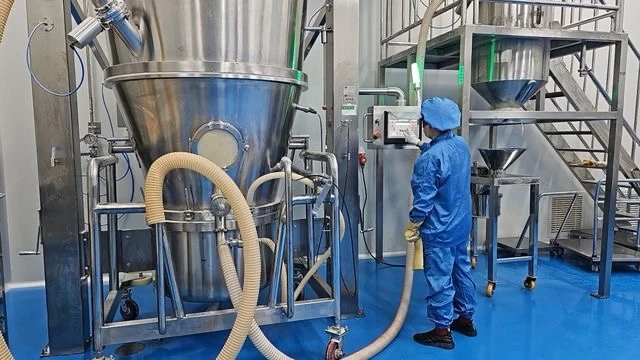
PHMB is synthesized through the polycondensation of hexamethylene diamine and biguanide. The raw materials, hexamethylene diamine (HMDA) and dicyandiamide (a precursor to biguanide), are petrochemical derivatives. HMDA is a colorless liquid with a strong amine odor, exhibiting reactivity with acids and oxidizers. Dicyandiamide is a white crystalline solid with moderate solubility in water. Manufacturing processes generally involve a multi-step reaction in aqueous solution, meticulously controlling temperature, pH, and reactant stoichiometry. The polymerization process generates a mixture of molecular weight distributions; higher molecular weight PHMB generally exhibits enhanced antimicrobial activity but reduced solubility. Purification involves techniques such as ultrafiltration or precipitation followed by drying, yielding a white to off-white powder. Key parameter control focuses on maintaining a consistent molecular weight range, minimizing residual monomer content (HMDA is a key impurity of concern), and controlling the degree of quaternization, which influences the cationic charge density and antimicrobial efficacy. Analysis methods during manufacturing include potentiometric titration for PHMB content, gel permeation chromatography (GPC) for molecular weight distribution, and gas chromatography-mass spectrometry (GC-MS) for residual monomer detection. Chemical compatibility with excipients and other formulation ingredients is a critical consideration to avoid precipitation or degradation of PHMB.
The antimicrobial mechanism of PHMB involves disruption of the microbial cell membrane. The cationic nature of PHMB leads to electrostatic attraction to negatively charged bacterial cell walls, causing leakage of intracellular components and eventual cell death. Engineering considerations focus on maintaining sufficient PHMB concentration at the target surface for a defined contact time to achieve the desired level of microbial reduction. Force analysis related to PHMB application is important in areas like textile treatment, where adequate penetration and retention are necessary. Environmental resistance is notable; PHMB exhibits stability under a broad range of temperatures and pH levels. However, its efficacy can be reduced in the presence of high organic loads or anionic surfactants, which can bind to the cationic polymer and diminish its availability. Compliance requirements are extensive, varying by region and application. In the EU, PHMB is regulated under the Biocidal Products Regulation (BPR, Regulation (EU) No 528/2012). In the US, it’s regulated by the Environmental Protection Agency (EPA) as a pesticide. Functional implementation relies on formulating PHMB into various product types: solutions, emulsions, creams, sprays, or incorporated into polymeric materials. The selection of formulation components must ensure PHMB compatibility and sustained release characteristics where appropriate.
| Parameter | Specification | Test Method | Typical Value |
|---|---|---|---|
| PHMB Content (on dry weight basis) | ≥ 20% | Potentiometric Titration | 20-85% |
| Molecular Weight (Mw) | 5,000 – 10,000 Da | Gel Permeation Chromatography (GPC) | 6,000-8,000 Da |
| Residual HMDA | ≤ 500 ppm | Gas Chromatography-Mass Spectrometry (GC-MS) | <200 ppm |
| pH (1% solution) | 6.0 – 8.0 | pH Meter | 7.0 |
| Solubility in Water | >100 g/L | Visual Observation | >150 g/L |
| Appearance | White to Off-White Powder | Visual Inspection | White Powder |
Failure modes of PHMB-based formulations typically stem from degradation or loss of efficacy. Oxidation can occur during prolonged storage, particularly when exposed to light or air, reducing antimicrobial activity. Hydrolysis, though slow, can break down the polymer chain, affecting performance. Microbial resistance development, while not widely reported, is a potential long-term concern with repeated exposure to sub-lethal concentrations. Degradation can also occur due to incompatibility with formulation components, leading to precipitation or phase separation. In applications involving surfaces, fouling with biofilms can shield microorganisms from PHMB contact, rendering it ineffective. Maintenance strategies include proper storage in sealed containers, protected from light and extreme temperatures. Quality control testing of finished products is essential to verify PHMB concentration and activity over time. In surface applications, regular cleaning to prevent biofilm formation is crucial. Formulations should incorporate stabilizers and antioxidants to mitigate degradation. Monitoring for microbial resistance through susceptibility testing is recommended for long-term use scenarios. Proper dilution and application techniques, following manufacturer's instructions, are vital to ensure optimal performance and minimize the risk of resistance development.
A: Hard water contains high concentrations of divalent cations (calcium and magnesium). These cations can interact with the cationic PHMB, reducing its available charge and diminishing its antimicrobial activity. The extent of this reduction depends on the hardness of the water and the PHMB concentration. Formulations for hard water applications may require higher PHMB concentrations or the addition of chelating agents to sequester the divalent ions.
A: PHMB generally exhibits significantly lower corrosion potential compared to many QACs, particularly at equivalent antimicrobial concentrations. QACs can be corrosive to certain metals, especially aluminum and copper alloys. PHMB, being a polymeric molecule, does not typically induce the same level of corrosion. However, corrosion can still occur if the formulation contains other corrosive ingredients.
A: Regulatory requirements for PHMB in potable water systems vary significantly by country. In the US, PHMB is not currently approved as a primary disinfectant for drinking water. However, it may be used as a secondary disinfectant or in specific applications with EPA approval. In the EU, PHMB is subject to the Drinking Water Directive and must meet stringent purity and safety standards.
A: The long-term stability of PHMB in liquid formulations depends on several factors, including pH, temperature, and the presence of other ingredients. PHMB solutions are generally stable at neutral pH and moderate temperatures. However, degradation can occur over time due to oxidation or hydrolysis. Adding stabilizers (e.g., antioxidants, UV absorbers) and maintaining proper storage conditions can significantly extend the shelf life.
A: While PHMB demonstrates efficacy against some enveloped viruses, its effectiveness against non-enveloped viruses is generally lower. The absence of a lipid envelope makes non-enveloped viruses more resistant to disruption by cationic biocides. Higher PHMB concentrations and longer contact times may be required for effective inactivation of non-enveloped viruses.
Polyhexamethylene biguanide hydrochloride (PHMB) represents a significant advancement in broad-spectrum antimicrobial technology, offering a comparatively favorable toxicity profile and robust performance characteristics. Its efficacy, coupled with its relative chemical stability, makes it a versatile biocide applicable across a wide range of industrial sectors, from healthcare and water treatment to textiles and personal care. However, successful implementation necessitates a thorough understanding of its limitations, including potential interactions with water hardness, formulation compatibility, and the evolving threat of microbial resistance.
Future research should focus on optimizing PHMB formulations to enhance its efficacy against non-enveloped viruses, improving its long-term stability, and developing strategies to mitigate the risk of resistance development. Continued monitoring of regulatory landscapes and adaptation to evolving industry standards are also crucial. As a result, strategic application, informed by robust scientific data and a proactive approach to emerging challenges, will ensure PHMB remains a vital tool in the fight against microbial contamination.


