
Apr . 01, 2024 17:55 Back to list
Poultry Body Weight Medicine Performance Analysis

Introduction
Poultry body weight medicine, encompassing a range of pharmaceutical and nutritional interventions, represents a critical component of modern poultry production. These formulations are designed to optimize growth rates, improve feed conversion ratios, and enhance overall flock health, particularly during periods of rapid development or stress. Within the industry chain, these medicines occupy a position between feed additive manufacturers, pharmaceutical companies, veterinary practitioners, and ultimately, the poultry integrators. Core performance indicators revolve around achieving target body weights within specified timelines, minimizing mortality rates, and ensuring the safety of the final poultry product for human consumption. This guide provides an in-depth technical overview of poultry body weight medicine, covering material science, manufacturing processes, performance characteristics, potential failure modes, and relevant industry standards. The increasing pressure for antibiotic reduction strategies is driving innovation towards alternatives, including prebiotics, probiotics, and optimized nutritional packages, all falling under the umbrella of body weight management.
Material Science & Manufacturing
The formulation of poultry body weight medicine relies on a complex interplay of active pharmaceutical ingredients (APIs), excipients, and delivery systems. APIs commonly include growth promoters (where legally permitted and ethically considered), vitamins, minerals, amino acids, and antibiotics (subject to increasing restrictions). Excipients, constituting the bulk of the formulation, dictate physical properties such as solubility, stability, and palatability. These include diluents (e.g., lactose, cellulose), binders (e.g., starches, gums), disintegrants (e.g., croscarmellose sodium), lubricants (e.g., magnesium stearate), and coatings (e.g., polymers for sustained release).
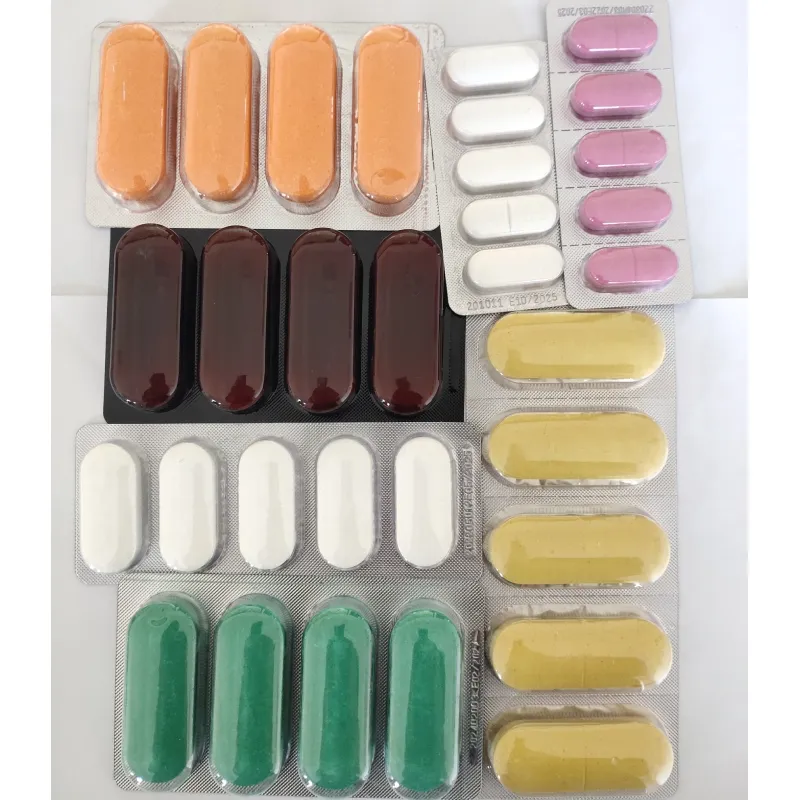
Manufacturing processes vary depending on the final dosage form. Powders and premixes require precise blending and milling to ensure homogenous distribution of APIs. Granulation, utilizing wet or dry methods, improves flowability and compressibility. Tablet production involves compression of granulated material, requiring careful control of pressure, dwell time, and tooling characteristics. Liquid formulations necessitate accurate dissolving or suspending of ingredients in a suitable solvent, followed by sterilization and filling. Encapsulation, utilizing hard gelatin or hypromellose capsules, protects sensitive APIs and facilitates targeted delivery. Quality control is paramount, with rigorous testing performed at each stage to verify API potency, excipient purity, uniformity of dosage units, and absence of microbial contamination. Key parameter control includes maintaining specific particle size distributions, moisture content, and temperature profiles throughout the manufacturing process. The choice of raw material sourcing is also critical, emphasizing pharmaceutical-grade ingredients with documented traceability and adherence to Good Manufacturing Practices (GMP).
Performance & Engineering
The performance of poultry body weight medicine is inextricably linked to pharmacokinetic and pharmacodynamic principles. Pharmacokinetics govern the absorption, distribution, metabolism, and excretion (ADME) of the API within the poultry organism. Factors influencing absorption include the dosage form, gut motility, and the presence of feed. Distribution is affected by blood flow, tissue permeability, and protein binding. Metabolism, primarily occurring in the liver, can activate or deactivate the API. Excretion, via feces or urine, eliminates the API from the body. Pharmacodynamics describe the API’s effect on the target tissue or biological system. Understanding these relationships is crucial for optimizing dosage regimens and achieving desired therapeutic outcomes.
Engineering considerations encompass the design of delivery systems for optimal bioavailability. Sustained-release formulations, utilizing polymer coatings or microencapsulation, provide prolonged drug exposure and reduce the frequency of administration. Targeted delivery systems, employing ligands or antibodies, direct the API to specific tissues or cells. Environmental resistance is also a key factor, particularly in the context of storage and handling. Packaging materials must protect the medicine from moisture, light, and temperature fluctuations. Compliance requirements, dictated by regulatory agencies such as the FDA and EMA, mandate adherence to strict quality control standards and labeling regulations. Force analysis during tablet compression or capsule filling is essential to prevent damage to dosage units. The impact of feed composition on drug absorption must also be considered, with potential interactions between APIs and dietary components. For example, certain minerals can bind to antibiotics, reducing their bioavailability.
Technical Specifications
| API Concentration | Dosage Form | Bioavailability (%) | Withdrawal Period (Days) |
|---|---|---|---|
| 500 mg/kg | Premix (Oral) | 60-75 | 7 |
| 100 mg/L | Soluble Powder (Water) | 80-90 | 5 |
| 200 mg/kg | Tablet (Oral) | 55-65 | 10 |
| 1 g/kg | Granules (Feed) | 70-80 | 3 |
| 50 mg/mL | Injectable Solution | 95-100 | 0 (Zero Withdrawal) |
| 150 mg/kg | Capsule (Oral) | 65-75 | 8 |
Failure Mode & Maintenance
Failure modes in poultry body weight medicine can be categorized into several types. Degradation of APIs, due to hydrolysis, oxidation, or photolysis, reduces potency and efficacy. Physical instability, such as tablet cracking or capsule softening, compromises dosage accuracy. Microbial contamination, arising from inadequate sterilization or poor handling practices, poses a health risk to poultry. Reduced palatability can lead to decreased feed intake and suboptimal drug absorption. Another common failure mode is the development of antimicrobial resistance, particularly with prolonged and indiscriminate antibiotic use.
Maintenance strategies focus on preventative measures. Proper storage conditions, including controlled temperature and humidity, minimize API degradation. Robust packaging materials protect against environmental factors. Strict adherence to GMP guidelines ensures product quality and sterility. Regular monitoring of API potency and microbial load detects early signs of deterioration. Implementing biosecurity protocols prevents contamination. Rotation of antibiotic classes and the adoption of alternative growth promoters mitigate the risk of antimicrobial resistance. In the event of a suspected product failure, a thorough investigation is warranted, including root cause analysis and corrective action implementation. Detailed record-keeping, documenting batch numbers, manufacturing dates, and storage conditions, facilitates traceability and investigation. Proper disposal of expired or compromised medicines is also essential to prevent environmental contamination.
Industry FAQ
Q: What is the impact of gut microbiome composition on the efficacy of poultry body weight medicine?
A: The gut microbiome plays a crucial role in modulating drug metabolism, immune function, and nutrient absorption. Dysbiosis, or an imbalance in the gut microbiome, can reduce the bioavailability of certain APIs and compromise their efficacy. Prebiotic and probiotic formulations aim to restore gut microbiome balance and enhance drug response. Furthermore, the microbiome can contribute to antibiotic resistance development, necessitating careful consideration of antibiotic stewardship programs.
Q: How does the withdrawal period affect the safety of poultry products?
A: The withdrawal period is the time required for the API to be eliminated from the poultry’s tissues below a safe residue level. Failure to observe the withdrawal period can result in residues in meat and eggs, posing a potential health risk to consumers. Regulatory agencies establish maximum residue limits (MRLs) for each API, and compliance is strictly enforced.
Q: What are the challenges associated with formulating liquid medications for poultry?
A: Liquid medications require careful consideration of solubility, stability, and palatability. APIs must be fully dissolved or uniformly suspended in the solvent to ensure accurate dosing. Preservatives are often required to prevent microbial growth. The pH of the formulation must be optimized to maintain API stability. Furthermore, ensuring consistent water intake is crucial for achieving adequate drug delivery.
Q: How do different feed ingredients interact with poultry body weight medicines?
A: Certain feed ingredients can interfere with drug absorption. For instance, phytates in grains can bind to minerals, reducing their bioavailability. High-fiber diets can increase gut motility, decreasing drug contact time. Mycotoxins present in contaminated feed can compromise immune function and reduce drug efficacy. Careful feed formulation and quality control are essential to minimize these interactions.
Q: What are the emerging trends in poultry body weight medicine focusing on antibiotic reduction?
A: There is a strong shift towards antibiotic-free production systems. Emerging trends include the use of phage therapy, bacteriocins, essential oils, and immunostimulants to enhance poultry health and growth performance. Precision feeding strategies, tailored to individual bird needs, optimize nutrient utilization and minimize waste. Genome editing technologies are also being explored to develop disease-resistant poultry breeds.
Conclusion
Poultry body weight medicine represents a multifaceted field, integrating principles of pharmacology, nutrition, and engineering. Achieving optimal performance requires a comprehensive understanding of API properties, manufacturing processes, pharmacokinetic/pharmacodynamic relationships, and potential failure modes. The industry is undergoing a significant transformation, driven by increasing pressure to reduce antibiotic use and improve sustainability. Continued innovation in alternative growth promoters, targeted delivery systems, and precision feeding strategies will be crucial for meeting the challenges of modern poultry production.
Future research should focus on developing novel APIs with improved efficacy and safety profiles, enhancing our understanding of the gut microbiome’s role in drug response, and optimizing formulation strategies for sustained release and targeted delivery. Furthermore, the implementation of robust quality control measures and adherence to stringent regulatory standards are paramount for ensuring the safety and efficacy of poultry body weight medicine. The evolution of this sector will depend on a collaborative effort between pharmaceutical companies, veterinary practitioners, and poultry integrators.
Latest news
Copyright © 2026
Dingzhou Kangquan Pharmaceutical Co., Ltd. All Rights Reserved. Sitemap | Privacy
Policy


