
Apr . 01, 2024 17:55 Back to list
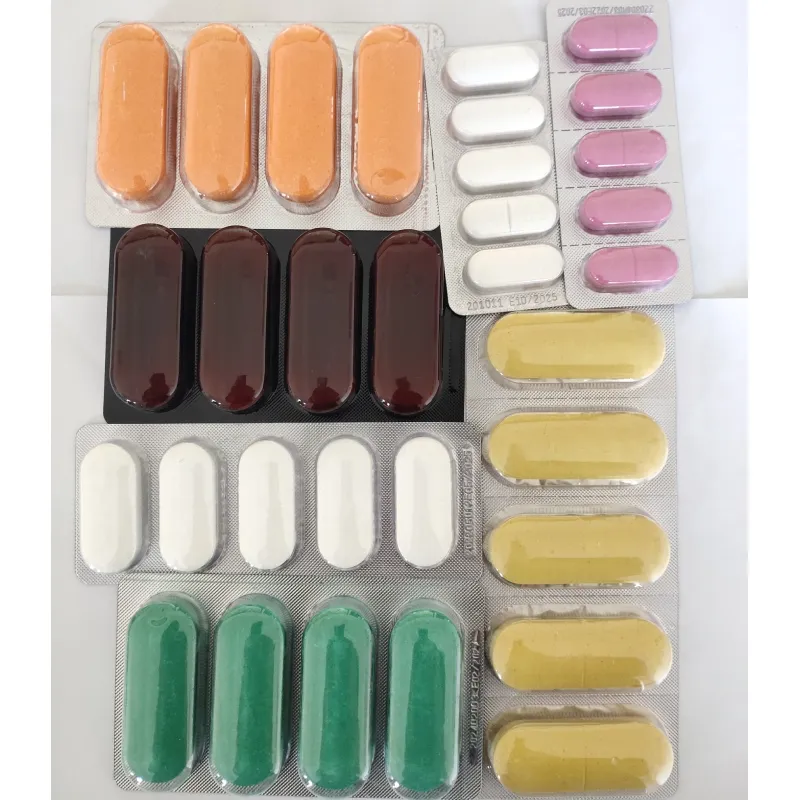
poultry chicken medicine Performance Analysis

Introduction
Poultry chicken medicine encompasses a broad spectrum of pharmaceutical and immunological preparations designed to prevent and treat diseases affecting domestic fowl. This field occupies a critical position within the agricultural supply chain, directly impacting food security and economic viability of poultry farming operations. These medications range from antibiotics and anticoccidials to vitamins, minerals, and vaccines. The core performance metrics revolve around efficacy in disease control, minimizing withdrawal periods (the time required after medication cessation before poultry products can be safely consumed), and limiting the development of antimicrobial resistance. A primary industry pain point is the increasing pressure to reduce antibiotic usage due to consumer demand and regulatory restrictions, necessitating a shift towards preventative strategies and alternative therapies. Effective poultry medicine is vital for maintaining flock health, optimizing feed conversion ratios, and ensuring a consistent supply of affordable protein.
Material Science & Manufacturing
The manufacturing of poultry chicken medicine involves complex processes contingent on the specific formulation. Antibiotics, for example, frequently utilize fermentation processes employing bacterial or fungal strains (e.g., Streptomyces for tetracycline production). The active pharmaceutical ingredient (API) is then extracted, purified, and formulated with excipients. Excipients play a critical role, influencing drug solubility, stability, and bioavailability. Common excipients include diluents (lactose, starch), binders (polyvinylpyrrolidone), disintegrants (croscarmellose sodium), and lubricants (magnesium stearate). Vaccine production typically involves cultivating a weakened or inactivated pathogen, often utilizing embryonated chicken eggs as a substrate. Formulation involves stabilization with preservatives (thimerosal, formaldehyde – carefully monitored for residual levels) and adjuvants (aluminum hydroxide) to enhance the immune response. For water-soluble powders, spray drying is commonly employed to ensure uniform particle size distribution for optimal dissolution. Raw material quality control is paramount; stringent testing is required to verify purity, potency, and absence of contaminants (heavy metals, endotoxins). Chemical compatibility of excipients with the API is meticulously assessed during formulation development to prevent degradation or inactivation. Good Manufacturing Practices (GMP) are rigorously enforced to maintain consistency and prevent cross-contamination.
Performance & Engineering
The performance of poultry chicken medicine is dictated by several engineering principles. Pharmacokinetics—the study of drug absorption, distribution, metabolism, and excretion (ADME)—is crucial. Drug absorption is impacted by factors like feed composition, gut motility, and formulation characteristics. Distribution is influenced by blood flow, protein binding, and tissue permeability. Metabolism, primarily occurring in the liver, can activate or deactivate the drug. Excretion via feces or urine determines the drug's residence time in the body. Environmental resistance, particularly temperature and humidity, is critical for ensuring product stability during storage and transportation. Formulations are often designed to withstand typical poultry house conditions. Compliance requirements are stringent, governed by veterinary regulatory bodies. Bioavailability – the fraction of administered dose reaching systemic circulation – is a key performance indicator. Force analysis during administration (e.g., spray application) ensures uniform coverage and prevents lung irritation. For vaccines, immunogenicity – the ability to elicit an immune response – is the primary engineering goal, optimized through adjuvant selection and antigen presentation. Withdrawal period determination relies on pharmacokinetic studies to ensure drug levels fall below acceptable limits in meat and eggs.
Technical Specifications
| Parameter | Units | Specification (Antibiotic - Amoxicillin) | Specification (Vaccine - Newcastle Disease) |
|---|---|---|---|
| Potency | µg/mg | ≥ 90% | ≥ 106.5 EID50/dose |
| Moisture Content | % w/w | ≤ 5% | ≤ 10% |
| pH | - | 6.0 – 8.0 | 7.0 – 8.5 |
| Particle Size (Mean) | µm | ≤ 100 | N/A |
| Heavy Metal Content (Lead) | ppm | ≤ 2 | ≤ 2 |
| Sterility (Vaccine) | - | Complies with USP <71> | Complies with USP <71> |
Failure Mode & Maintenance
Failure modes in poultry chicken medicine can stem from several sources. Antibiotic resistance development is a significant concern, driven by sub-therapeutic dosing and improper usage. Degradation of the API due to exposure to light, heat, or humidity can reduce potency. Formulation instability, leading to phase separation or precipitation, can compromise bioavailability. Vaccine failure can occur due to improper storage (cold chain disruption), inactivation of the virus, or immunosuppression in the birds. Delamination of coating on tablets can result in uneven drug release. Oxidation of sensitive components can lead to loss of efficacy. Failure analysis often involves High-Performance Liquid Chromatography (HPLC) to quantify API content, microbial assays to assess antibiotic potency, and Polymerase Chain Reaction (PCR) to confirm vaccine viral load. Maintenance strategies involve strict adherence to storage guidelines (temperature, humidity control), regular quality control testing, proper handling procedures, and robust supply chain management. Implementing antimicrobial stewardship programs to minimize resistance development is crucial. Preventative maintenance of manufacturing equipment ensures consistent product quality.
Industry FAQ
Q: What are the key differences between broad-spectrum and narrow-spectrum antibiotics in poultry medicine and when would each be preferred?
A: Broad-spectrum antibiotics target a wide range of bacteria, while narrow-spectrum antibiotics target specific bacterial groups. Broad-spectrum antibiotics are useful for initial treatment when the causative agent is unknown, but their indiscriminate use contributes to antibiotic resistance. Narrow-spectrum antibiotics are preferred when the specific pathogen is identified, minimizing disruption of the gut microbiome and reducing selection pressure for resistance. Precision diagnostics are crucial for informed antibiotic selection.
Q: How does the withdrawal period for different medications impact poultry farming operations?
A: The withdrawal period is the time required after medication cessation before poultry products (meat and eggs) can be legally sold for human consumption. Longer withdrawal periods necessitate careful planning and can disrupt production schedules. Understanding and strictly adhering to withdrawal periods is essential for preventing drug residues in food, which can pose health risks and result in regulatory penalties.
Q: What are the challenges associated with maintaining the cold chain for poultry vaccines, and what solutions are available?
A: Maintaining the cold chain (consistent low temperatures) is vital for vaccine efficacy. Challenges include temperature excursions during transportation and storage, particularly in remote areas. Solutions include validated insulated packaging, temperature monitoring devices, real-time data loggers, and robust quality control procedures throughout the supply chain. Proper training of personnel handling vaccines is also essential.
Q: How are excipients selected to ensure compatibility with the active pharmaceutical ingredient and enhance drug delivery in poultry?
A: Excipient selection is a critical step in formulation development. Compatibility studies are conducted to assess interactions between the API and excipients. Factors considered include solubility, pH stability, and potential for chemical degradation. Excipients are chosen to optimize drug dissolution, absorption, and bioavailability in the poultry gut. For example, surfactants can enhance solubility, while polymers can control drug release.
Q: What are the emerging trends in poultry medicine aimed at reducing antibiotic usage?
A: Emerging trends include the use of probiotics and prebiotics to promote gut health and enhance immunity, phage therapy to selectively target pathogenic bacteria, immunostimulants to boost the bird's natural defenses, and improved biosecurity measures to prevent disease outbreaks. Precision livestock farming techniques, utilizing data analytics to monitor flock health and optimize management practices, are also gaining traction.
Conclusion
Poultry chicken medicine is a complex and evolving field, demanding a thorough understanding of pharmaceutical sciences, veterinary medicine, and engineering principles. Maintaining flock health requires a multi-faceted approach, encompassing preventative strategies, accurate diagnostics, judicious antibiotic use, and robust quality control. The industry faces increasing pressure to reduce reliance on antibiotics and embrace innovative solutions to combat antimicrobial resistance, necessitating continuous research and development of alternative therapies and improved management practices.
Future advancements will likely focus on personalized medicine approaches, tailoring treatment regimens to the specific needs of individual flocks. Enhanced diagnostic tools, coupled with data analytics, will enable earlier disease detection and more targeted interventions. Furthermore, a greater emphasis on biosecurity and preventative vaccination programs will be crucial for minimizing the incidence of disease and reducing the overall demand for pharmaceutical interventions, contributing to a more sustainable and resilient poultry industry.
Latest news
Copyright © 2026
Dingzhou Kangquan Pharmaceutical Co., Ltd. All Rights Reserved. Sitemap | Privacy
Policy


