
Apr . 01, 2024 17:55 Back to list
poultry cough medicine Formulation and Performance Analysis
Introduction
Poultry cough medicine, encompassing a range of pharmaceutical formulations, is a critical component of modern avian healthcare. Its technical position lies within the veterinary pharmaceutical industry, specifically targeting respiratory diseases in poultry production. These medications address a diverse spectrum of etiologies, including bacterial, viral, and mycoplasmal infections, as well as irritant-induced coughing. Core performance indicators include efficacy in reducing cough frequency and severity, minimizing secondary infections (such as pneumonia), improving feed conversion ratios, and reducing mortality rates. The formulation of poultry cough medicine necessitates a nuanced understanding of avian physiology, drug metabolism, and the potential for residue accumulation in meat and eggs. This guide provides an in-depth examination of the material science, manufacturing processes, performance characteristics, potential failure modes, and relevant regulatory standards governing these vital veterinary products. The primary pain point in the industry revolves around increasing antimicrobial resistance and the need for novel, effective, and residue-safe treatments.
Material Science & Manufacturing
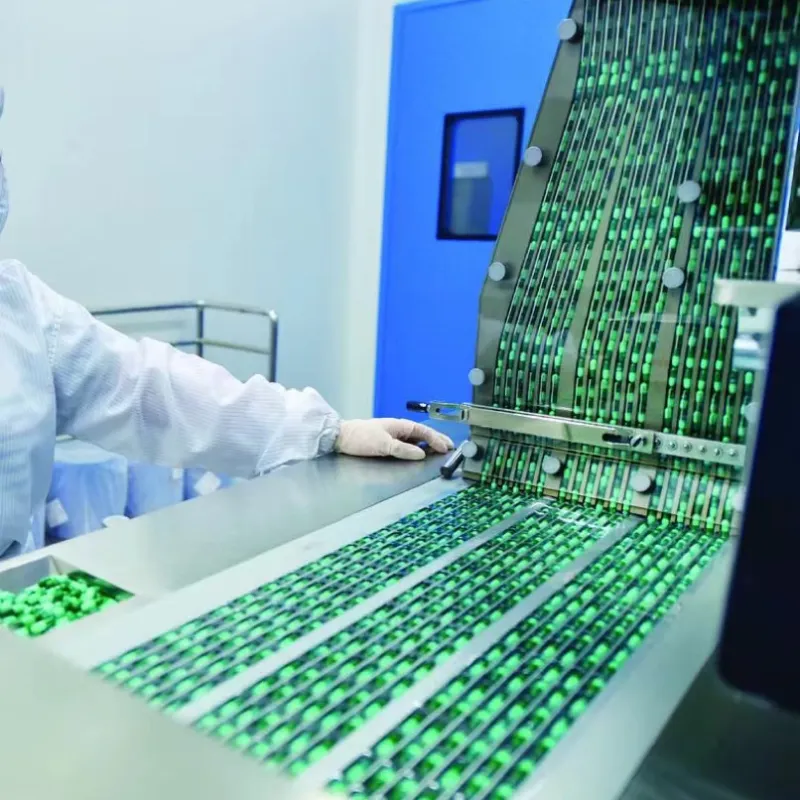
The manufacturing of poultry cough medicine relies heavily on the properties of active pharmaceutical ingredients (APIs) and excipients. APIs commonly include antibiotics (e.g., tetracyclines, macrolides), antivirals, anti-inflammatory agents (e.g., NSAIDs), and mucolytics. The physical state of these APIs – crystalline vs. amorphous – significantly impacts solubility and bioavailability. Excipients, such as solvents (water, polyethylene glycol), viscosity modifiers (carboxymethylcellulose), preservatives (potassium sorbate), and flavoring agents, are critical for formulation stability and palatability. Manufacturing processes vary based on the dosage form. Liquid formulations utilize mixing and homogenization techniques, requiring precise control of pH and shear stress to prevent API degradation. Powder formulations involve milling, blending, and granulation to achieve uniform particle size distribution and flowability. Solubility testing is vital, frequently employing HPLC to quantify API dissolution rates. Bioavailability studies, often conducted in vivo on poultry, determine the extent and rate at which the API is absorbed into the bloodstream. Critical process parameters (CPPs) such as mixing speed, temperature, and drying time are meticulously monitored and controlled. Sterilization, typically achieved through filtration or autoclaving, is essential for maintaining product sterility, especially for injectable formulations. Chemical compatibility studies assess potential interactions between APIs and excipients, ensuring formulation stability over the product’s shelf life. The use of excipients must adhere to pharmacopoeial standards (USP, EP, JP).
Performance & Engineering
The performance of poultry cough medicine is evaluated through a combination of in vitro and in vivo studies. Pharmacokinetic analysis, involving measurement of API concentrations in plasma, tissues, and organs, determines absorption, distribution, metabolism, and excretion (ADME) profiles. Force analysis, particularly relating to nebulization or spray delivery systems, assesses droplet size distribution and deposition efficiency in the respiratory tract. Environmental resistance testing evaluates the stability of the formulation under varying temperature and humidity conditions, simulating storage and transportation scenarios. Compliance requirements are stringent, governed by veterinary drug regulations in each jurisdiction. Dosage calculations must account for the body weight of the birds and the severity of the infection. Drug withdrawal times are critical to prevent residue accumulation in edible tissues. Formulation engineering focuses on optimizing drug delivery to the site of infection. For instance, microencapsulation can protect APIs from degradation in the gastrointestinal tract and enhance their absorption. The mucociliary clearance rate in poultry is a key factor in determining the residence time of the medication in the respiratory tract. Pulmonary deposition modeling is often used to optimize aerosol formulations for maximum efficacy. Bioequivalence studies compare the bioavailability of different formulations to ensure therapeutic equivalence. The rheological properties of liquid formulations (viscosity, thixotropy) are carefully controlled to ensure proper dosing and administration.
Technical Specifications
| API Concentration | Viscosity (cP) | pH | Particle Size (µm) – Powder Formulations |
|---|---|---|---|
| 50mg/mL (Amoxicillin) | 50-100 | 6.0-7.5 | 10-20 |
| 200mg/mL (Tylosin) | 20-40 | 8.0-9.0 | N/A – Liquid Formulation |
| 10% w/w (Doxycycline) | N/A – Powder Formulation | N/A | 5-15 |
| 25mg/mL (Enrofloxacin) | 75-125 | 6.5-7.0 | N/A – Liquid Formulation |
| 5% w/w (Trimethoprim/Sulfamethoxazole) | N/A – Powder Formulation | N/A | 20-30 |
| 100mg/mL (Bromhexine Hydrochloride) | 30-60 | 5.5-6.5 | N/A – Liquid Formulation |
Failure Mode & Maintenance
Failure modes in poultry cough medicine can be categorized as physical, chemical, and microbiological. Physical failures include sedimentation of suspended particles in liquid formulations, caking or hardening of powder formulations due to moisture absorption, and leakage from containers. Chemical failures encompass API degradation due to hydrolysis, oxidation, or photolysis, leading to reduced potency. Microbiological contamination, despite sterilization efforts, can occur, particularly in multi-dose containers. Fatigue cracking of plastic containers during transportation and storage is also a potential failure mode. Delamination of coatings on tablets can alter drug release profiles. Oxidation of sensitive APIs can occur if packaging is inadequate. Maintenance and preventative measures include proper storage conditions (temperature, humidity, light protection), regular inspection of containers for damage, and adherence to strict aseptic techniques during handling and administration. Batch traceability is crucial for identifying and addressing potential quality issues. Stability testing, conducted according to ICH guidelines, monitors API degradation over time. Periodic microbial testing ensures product sterility. Implementing a robust quality management system (QMS), including good manufacturing practices (GMP), is essential for preventing failures and maintaining product integrity. Proper training of personnel in handling and administration techniques minimizes the risk of contamination or incorrect dosage.
Industry FAQ
Q: What is the significance of API particle size in powder formulations, and how is it controlled?
A: API particle size significantly impacts dissolution rate, bioavailability, and dustiness. Smaller particle sizes generally lead to faster dissolution but can also increase the risk of aggregation. Particle size is controlled through milling, micronization, and spray drying techniques. Laser diffraction is commonly used for particle size analysis, and specifications are established to ensure consistent performance.
Q: How do you address the issue of antimicrobial resistance when formulating poultry cough medicine?
A: Addressing antimicrobial resistance requires a multifaceted approach. This includes using appropriate antibiotic combinations, implementing antibiotic stewardship programs, exploring alternative therapies (e.g., probiotics, immunomodulators), and formulating medications with improved pharmacokinetic profiles to maximize efficacy and minimize selective pressure for resistance development.
Q: What are the challenges associated with maintaining sterility in multi-dose containers?
A: Maintaining sterility in multi-dose containers is challenging due to repeated needle punctures, which introduce the potential for microbial contamination. Preservatives are often added to inhibit microbial growth, but their effectiveness can be limited. Aseptic technique during withdrawal and administration is crucial. Container closure integrity testing is essential to ensure a tight seal and prevent contamination.
Q: How are drug withdrawal times determined for poultry cough medicine?
A: Drug withdrawal times are determined through residue depletion studies, conducted according to regulatory guidelines. These studies involve administering the medication to poultry and then monitoring residue levels in edible tissues (muscle, liver, eggs) over time. The withdrawal time is set to ensure that residue levels are below the maximum residue limit (MRL) established by regulatory authorities.
Q: What role does formulation play in minimizing drug residues in poultry products?
A: Formulation can play a crucial role in minimizing drug residues. Optimizing API bioavailability reduces the required dosage, thereby lowering the potential for residue accumulation. Employing targeted drug delivery systems concentrates the medication at the site of infection, minimizing systemic exposure. Selecting excipients that do not contribute to residue formation is also important.
Conclusion
Poultry cough medicine represents a complex interplay of material science, pharmaceutical engineering, and veterinary medicine. Effective formulation necessitates a detailed understanding of API properties, excipient compatibility, manufacturing process controls, and avian physiology. The ongoing challenge of antimicrobial resistance demands a continuous pursuit of innovative formulations and treatment strategies. Precise control of manufacturing parameters and rigorous quality assurance are paramount to ensuring product efficacy, safety, and compliance with stringent regulatory standards.
Future development in this field will likely focus on novel drug delivery systems, such as nanoparticles and liposomes, to enhance bioavailability and target drug delivery. Research into alternative therapies, including immunomodulators and phage therapy, offers promising avenues for combating antimicrobial resistance. Furthermore, advancements in diagnostic tools will enable more precise identification of pathogens and facilitate targeted treatment approaches, minimizing the overall use of antibiotics.
Latest news
Copyright © 2026
Dingzhou Kangquan Pharmaceutical Co., Ltd. All Rights Reserved. Sitemap | Privacy
Policy


