
Apr . 01, 2024 17:55 Back to list
Poultry Disease Treatment Performance Analysis
Introduction
Poultry disease treatment encompasses a broad range of methodologies aimed at mitigating the impact of pathogenic agents on domesticated birds, including chickens, turkeys, ducks, and geese. It represents a critical component of the global food supply chain, impacting both economic stability and public health. Within the agricultural industry, effective disease management is vital for maintaining flock health, optimizing production yields, and reducing the risk of zoonotic disease transmission. Current treatment strategies range from preventative biosecurity measures and vaccination programs to therapeutic interventions utilizing pharmaceuticals, nutritional supplements, and, increasingly, alternative medicine approaches. This guide will provide a detailed overview of the material science, manufacturing processes, performance characteristics, failure modes, and industry standards associated with common poultry disease treatments, focusing on the chemical and biological properties of relevant agents and their effective deployment. The core pain points within the industry center around antimicrobial resistance, regulatory compliance, and the economic impact of large-scale outbreaks, driving continuous innovation in treatment modalities.
Material Science & Manufacturing
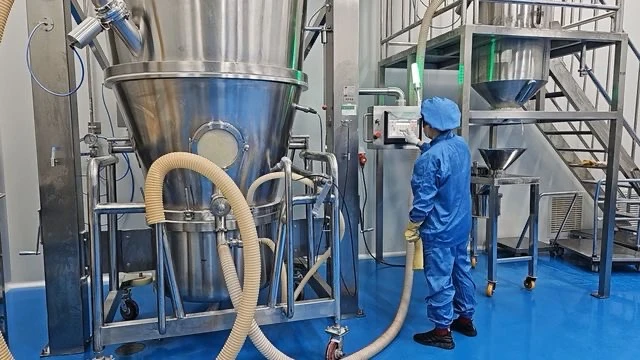
The foundation of poultry disease treatment lies in the material science of the therapeutic agents employed. Antibiotics, for example, typically involve complex organic molecules synthesized through fermentation processes or chemical synthesis. The manufacturing process for antibiotics involves stringent quality control measures, including validation of sterility, potency, and purity. Raw materials, often derived from microbial cultures (e.g., Streptomyces for aminoglycosides), undergo purification, crystallization, and formulation into injectable solutions, oral suspensions, or premixes for feed incorporation. Vaccines represent a different material science challenge. Live attenuated vaccines require careful propagation and stabilization of the viral or bacterial agent, utilizing cryoprotectants like sucrose or sorbitol to prevent degradation during lyophilization (freeze-drying). Inactivated vaccines necessitate the use of chemical fixatives, such as formaldehyde or beta-propiolactone, to preserve antigenicity while rendering the pathogen non-infectious. Manufacturing these requires bioreactors, filtration systems, and aseptic filling equipment. Furthermore, the excipients utilized – buffering agents, stabilizers, and adjuvants – play a crucial role in the vaccine's efficacy and shelf life. Feed additives, such as probiotics (e.g., Bacillus species) and prebiotics (e.g., fructooligosaccharides), rely on fermentation technology to produce viable microorganisms or complex carbohydrates. Parameter control during fermentation is paramount, requiring precise temperature regulation, pH monitoring, and nutrient supplementation. The final product undergoes drying and encapsulation to ensure viability and delivery to the target gut environment.
Performance & Engineering
The performance of poultry disease treatments hinges on a complex interplay of pharmacokinetic and pharmacodynamic principles. Antibiotic efficacy, for instance, is determined by its minimum inhibitory concentration (MIC) against the target pathogen, its bioavailability (absorption, distribution, metabolism, and excretion), and its ability to penetrate the infected tissues. Force analysis, specifically relating to injection volume and needle gauge, is critical to minimizing tissue trauma and ensuring proper drug delivery. Environmental resistance is another key consideration. Temperature, humidity, and light exposure can significantly impact the stability and potency of both antibiotics and vaccines. Vaccines require maintenance of the cold chain throughout storage and transportation to prevent antigen denaturation. Compliance requirements, dictated by regulatory bodies such as the FDA (Food and Drug Administration) and EMA (European Medicines Agency), mandate rigorous testing for safety, efficacy, and quality. Specifically, withdrawal periods for antibiotics must be adhered to in order to prevent residues in meat and eggs. Engineering solutions, such as controlled-release formulations and targeted delivery systems (e.g., nanoparticles), are being developed to enhance drug efficacy, reduce dosage requirements, and minimize the development of antimicrobial resistance. Furthermore, biosecurity engineering, encompassing ventilation systems, disinfection protocols, and waste management practices, plays a crucial role in preventing disease outbreaks and reducing the reliance on therapeutic interventions.
Technical Specifications
| Treatment Type | Active Ingredient | Administration Route | Dosage (mg/kg body weight) |
|---|---|---|---|
| Antibiotic (Tylosin) | Tylosin Tartrate | Oral (Feed/Water) | 20-40 |
| Vaccine (Newcastle Disease) | Live Attenuated Virus | Eye Drop/Spray | 106-108 EID50 |
| Antiprotozoal (Amprolium) | Amprolium Hydrochloride | Oral (Water) | 50-100 |
| Antifungal (Nystatin) | Nystatin | Oral (Feed) | 500-1000 IU/kg |
| Vitamin Supplement (Vitamin A) | Retinyl Acetate | Oral (Water) | 5,000-10,000 IU/gallon |
| Probiotic (Bacillus subtilis) | Bacillus subtilis | Oral (Feed) | 1x10⁹ CFU/kg |
Failure Mode & Maintenance
Failure in poultry disease treatment can manifest in several ways. Antibiotic resistance, a prominent failure mode, arises from the selective pressure exerted by antibiotic usage, leading to the emergence of resistant bacterial strains. This is exacerbated by improper dosage, incomplete treatment courses, and widespread prophylactic use. Vaccine failures can occur due to inadequate storage (compromising antigen integrity), improper administration technique, or the emergence of antigenically drifted viral strains. Degradation of therapeutic agents due to exposure to heat, light, or moisture is another common failure mode. Delamination of vaccine coatings can also lead to reduced efficacy. In the case of feed additives, loss of viability of probiotics during storage or transit can compromise their effectiveness. Maintenance strategies include rigorous adherence to antibiotic stewardship programs, regular monitoring of antimicrobial susceptibility patterns, and implementation of robust biosecurity measures. Vaccine cold chain management is paramount, requiring calibrated refrigerators, temperature monitoring devices, and validated transportation procedures. Regular cleaning and disinfection of poultry housing and equipment are essential for minimizing pathogen load. Preventative maintenance of ventilation systems and water treatment facilities can reduce the risk of environmental contamination. Proactive monitoring of flock health, coupled with early disease detection and prompt intervention, is critical for preventing widespread outbreaks and minimizing the need for extensive treatment.
Industry FAQ
Q: What are the key considerations when selecting an antibiotic for treating a bacterial infection in a poultry flock?
A: The selection process requires a comprehensive understanding of the bacterial species involved, its antibiotic susceptibility profile (determined through laboratory testing), the severity of the infection, the bird's age and physiological state, and withdrawal periods. It's crucial to prioritize narrow-spectrum antibiotics whenever possible to minimize the development of resistance. Consideration should also be given to the drug's pharmacokinetic properties and its ability to reach the site of infection.
Q: How do you ensure the efficacy of a live attenuated vaccine?
A: Maintaining the cold chain is the most critical factor. Vaccines must be stored and transported at the recommended temperature (typically 2-8°C) to preserve antigen viability. Proper administration technique, including correct dosage and route, is also essential. Furthermore, ensuring the flock has adequate immunity (absence of maternal antibodies or immunosuppressive diseases) is crucial for a successful vaccination response.
Q: What are the best practices for minimizing the development of antibiotic resistance on a poultry farm?
A: Implementing a comprehensive antibiotic stewardship program is paramount. This includes restricting antibiotic use to only when necessary, using the correct dosage and duration of treatment, promoting biosecurity measures to prevent disease outbreaks, and regularly monitoring antimicrobial susceptibility patterns. Alternatives to antibiotics, such as probiotics and prebiotics, should be explored whenever feasible.
Q: What are the potential risks associated with using in-feed antibiotics?
A: In-feed antibiotics can contribute to the development of antibiotic resistance, potentially impacting human health. They can also lead to residues in meat and eggs if withdrawal periods are not strictly adhered to. Furthermore, continuous low-dose exposure can disrupt the gut microbiome, potentially leading to dysbiosis and reduced nutrient absorption.
Q: How can biosecurity measures contribute to reducing the need for antibiotic treatment?
A: Robust biosecurity measures, including restricting access to the farm, implementing strict hygiene protocols, controlling vector populations (e.g., rodents, insects), and properly disposing of manure and dead birds, can significantly reduce the risk of disease outbreaks. By preventing infections from occurring in the first place, the need for antibiotic treatment is minimized.
Conclusion
Effective poultry disease treatment necessitates a multifaceted approach that integrates advanced material science, rigorous manufacturing processes, and a deep understanding of pathogen behavior. Optimizing treatment strategies requires careful consideration of pharmacokinetic and pharmacodynamic principles, adherence to stringent regulatory compliance standards, and proactive implementation of preventative measures. Addressing the growing threat of antimicrobial resistance demands a commitment to responsible antibiotic stewardship, coupled with exploration of alternative therapies and enhanced biosecurity practices.
Looking forward, advancements in vaccine technology, such as mRNA vaccines and subunit vaccines, hold promise for improving disease prevention. The development of novel diagnostic tools will enable earlier disease detection and targeted intervention. Continued research into the poultry microbiome will unlock opportunities for enhancing gut health and bolstering natural immunity. Ultimately, a holistic and integrated approach, combining scientific innovation with responsible agricultural practices, is essential for ensuring the long-term health and sustainability of the poultry industry.
Latest news
Copyright © 2026
Dingzhou Kangquan Pharmaceutical Co., Ltd. All Rights Reserved. Sitemap | Privacy
Policy


