
Apr . 01, 2024 17:55 Back to list
Poultry Diseases Homeopathic Treatment Performance Analysis
Introduction
Homeopathic treatment for poultry diseases represents a fundamentally different approach to disease management compared to conventional veterinary medicine. It operates on the principle of “similia similibus curentur” – like cures like – utilizing highly diluted substances to stimulate the body’s innate healing response. Within the poultry industry, this modality addresses prevalent conditions such as infectious bronchitis, coccidiosis, Newcastle disease, and chronic respiratory disease, often offering a complementary or alternative strategy where antibiotic resistance is a growing concern. This guide will detail the scientific basis, formulation, administration, efficacy analysis, and potential limitations of homeopathic treatment for poultry, providing a comprehensive overview for industry professionals seeking alternative disease management options. The core performance metrics center around reducing mortality rates, improving feed conversion ratios, and minimizing reliance on allopathic medication, thereby supporting sustainable and ethically conscious poultry production.
Material Science & Manufacturing
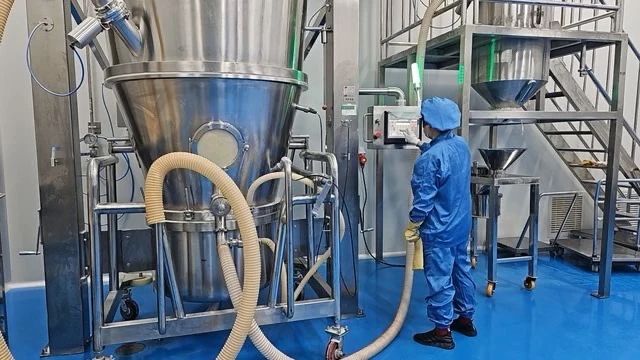
The “raw materials” in homeopathic medicine are sourced from plant, animal, and mineral kingdoms. These sources undergo a serial dilution and succussion process, the cornerstone of homeopathic manufacturing. Initially, the source substance is macerated or dissolved in a solvent, typically ethanol. This ‘mother tincture’ then undergoes dilution – often to the 30C potency or beyond – meaning the original substance is diluted 1:100 thirty times. Between each dilution, succussion – vigorous shaking – is performed. This process, while lacking a complete consensus explanation within conventional science, is believed by homeopaths to potentiate the energetic imprint of the original substance. The resulting solutions are typically immobilized onto lactose granules for ease of administration. Quality control focuses on verifying the correct source material, accurate dilution ratios, and the absence of microbial contamination. Manufacturing parameters, including dilution ratios, succussion force, and lactose granule size, are critical. The physical properties of the lactose (particle size distribution, moisture content) influence granule stability and dissolution rates within the bird's digestive system. Chemical compatibility is ensured by using high-purity ethanol as a solvent, minimizing potential interactions with the source material or lactose. Maintaining a sterile environment is vital to prevent microbial growth during the extended manufacturing process.
Performance & Engineering
The efficacy of homeopathic treatment in poultry is linked to stimulating the bird's immune system and restoring physiological balance. From an engineering perspective, understanding the bioavailability of homeopathic remedies is crucial. Factors influencing bioavailability include the dissolution rate of the lactose granules in the digestive tract, the individual bird’s gut microbiome, and the specific condition being treated. The force analysis centers around understanding the subtle energetic influence believed to be imparted by the remedy – a concept not readily quantifiable by conventional physics. Environmental resistance is less a concern for the remedy itself (being highly diluted) and more related to the overall health of the flock and their ability to withstand stressors. Compliance requirements necessitate adherence to veterinary regulations regarding the use of alternative therapies and accurate record-keeping of treatment protocols. Functional implementation often involves administering the remedy via drinking water, ensuring uniform distribution and adequate intake. Dosage is generally determined based on the severity of the condition, the species of poultry, and the individual bird’s response. Monitoring key performance indicators – mortality rates, egg production, feed conversion ratio – is essential for evaluating treatment effectiveness. Furthermore, the principle of individualization means that the chosen remedy must match the specific symptom picture of the affected flock, requiring careful observation and diagnostic acumen.
Technical Specifications
| Remedy | Potency (C Scale) | Indications | Administration Route |
|---|---|---|---|
| Arsenicum Album | 30C - 200C | Poultry Pox, Diarrhea (with weakness) | Drinking Water |
| Belladonna | 200C - 1M | Acute Respiratory Distress, High Fever | Drinking Water |
| Nux Vomica | 30C - 100C | Indigestion, Constipation, Loss of Appetite | Drinking Water |
| Cocculus Indicus | 30C - 200C | Weakness after illness, Neurological Symptoms | Drinking Water |
| Phosphorus | 30C - 200C | Hemorrhagic Diseases, Weakness | Drinking Water |
| Mercurius Solubilis | 30C - 200C | Coccidiosis (with inflammation) | Drinking Water |
Failure Mode & Maintenance
Failure modes in homeopathic treatment for poultry typically stem from incorrect remedy selection, inadequate potency, or compromised immune function. ‘Antidoting’ – exposure to substances that counteract the remedy's action (e.g., strong antibiotics, strong aromatic substances) – is a common cause of treatment failure. Another failure mode is insufficient individualization; applying a standardized remedy to a diverse flock without considering individual symptom presentations. Degradation of the remedy itself is less of a concern due to the high dilution, but improper storage (exposure to sunlight or strong electromagnetic fields) is discouraged. Oxidation isn’t a relevant failure mode due to the nature of the remedy. Maintenance involves careful monitoring of the flock’s health, prompt intervention at the first signs of illness, and periodic assessment of treatment efficacy. Prophylactic homeopathic treatment – administering low potencies of indicated remedies during periods of stress or increased disease risk – can enhance immune resilience. Preventative measures such as ensuring optimal biosecurity, providing a balanced diet, and minimizing stress are crucial for maximizing treatment effectiveness. Regular veterinary check-ups, even alongside homeopathic care, are recommended. A thorough understanding of the limitations of homeopathy, particularly in acute, life-threatening situations, is paramount.
Industry FAQ
Q: What is the scientific basis for homeopathy, and how can such highly diluted remedies have a therapeutic effect?
A: The scientific basis for homeopathy remains a topic of ongoing debate. Conventional science struggles to explain how remedies beyond Avogadro’s number can exert a pharmacological effect. However, proponents suggest that water retains an "memory" of the original substance through electromagnetic signatures or quantum entanglement. Research exploring these mechanisms is ongoing, but currently lacks definitive proof. The observed therapeutic effects are often attributed to the body’s inherent self-healing capabilities being stimulated by the subtle energetic information conveyed by the remedy.
Q: How does homeopathic treatment compare to conventional antibiotic therapy in terms of cost-effectiveness?
A: Initial costs of homeopathic remedies are generally lower than antibiotics. However, the true cost-effectiveness depends on treatment efficacy and the reduction in secondary complications (e.g., antibiotic resistance, gut dysbiosis). In cases where homeopathy successfully resolves an infection without antibiotics, it can offer significant long-term cost savings. However, in severe or rapidly progressing infections, the time taken for a homeopathic response might be longer, potentially leading to higher mortality rates and increased economic losses.
Q: What are the regulatory hurdles for using homeopathic remedies in poultry production in different countries?
A: Regulatory frameworks vary significantly. In some countries (e.g., Europe), homeopathic medicines are regulated as veterinary medicinal products, requiring registration and adherence to specific quality standards. In others (e.g., the United States), regulation is less stringent. The use of homeopathic remedies in poultry production must comply with local regulations regarding animal health and food safety. Traceability and documentation are crucial for demonstrating compliance.
Q: Can homeopathic remedies be used in conjunction with conventional veterinary treatments?
A: Yes, homeopathy can often be used as a complementary therapy alongside conventional veterinary medicine. However, caution is advised when combining homeopathic remedies with strong allopathic medications, as ‘antidoting’ can occur. It’s crucial to inform the veterinarian about all treatments being administered to ensure optimal patient care. A phased approach – separating the administration of conventional and homeopathic treatments by a suitable time interval – is often recommended.
Q: How do I determine the appropriate potency and remedy for a specific poultry disease?
A: Remedy selection and potency determination require a thorough understanding of homeopathic principles and the specific symptom picture of the affected flock. This necessitates a detailed case history, including observations of behavioral changes, physical symptoms, and environmental factors. Consulting a qualified veterinary homeopath is highly recommended to ensure accurate diagnosis and appropriate treatment.
Conclusion
Homeopathic treatment for poultry diseases presents a viable alternative or complementary approach to conventional veterinary medicine, particularly in addressing concerns regarding antibiotic resistance and promoting sustainable farming practices. Its core strength lies in stimulating the bird's innate healing capabilities through highly diluted substances, requiring a shift in perspective from directly targeting pathogens to supporting the host's immune response. However, successful implementation demands a deep understanding of homeopathic principles, careful individualization of treatment, and diligent monitoring of flock health.
Future research should focus on elucidating the mechanisms of action of homeopathic remedies, conducting rigorous clinical trials to evaluate their efficacy, and developing standardized protocols for their use in poultry production. Continued education for veterinarians and poultry producers is essential for promoting informed decision-making and ensuring the responsible application of this alternative therapeutic modality. The integration of homeopathy into a holistic poultry health management program, coupled with robust biosecurity measures and optimal husbandry practices, holds the potential to enhance flock resilience and contribute to a more sustainable and ethical poultry industry.
Latest news
Copyright © 2026
Dingzhou Kangquan Pharmaceutical Co., Ltd. All Rights Reserved. Sitemap | Privacy
Policy


