
Apr . 01, 2024 17:55 Back to list
Poultry Drugs pdf Technical Analysis
Introduction
Poultry drugs, encompassing a broad spectrum of pharmaceutical interventions, are critical components of modern poultry production. This guide provides an in-depth technical analysis of their composition, manufacturing, performance, and lifecycle management. Their primary function is to prevent, control, and treat diseases in poultry, ensuring both animal welfare and economic viability for producers. The industry chain extends from pharmaceutical synthesis and formulation, through veterinary prescription and administration, to post-treatment residue monitoring and regulatory compliance. Key performance indicators include drug efficacy (demonstrated through clinical trials), bioavailability (percentage of administered drug reaching systemic circulation), withdrawal times (periods required for drug residues to fall below safe levels in meat and eggs), and adherence to stringent quality control standards. A core industry pain point is the escalating challenge of antimicrobial resistance (AMR), necessitating responsible drug use and the development of alternative therapies. This guide will address these challenges and provide a comprehensive understanding of poultry drug technology.
Material Science & Manufacturing
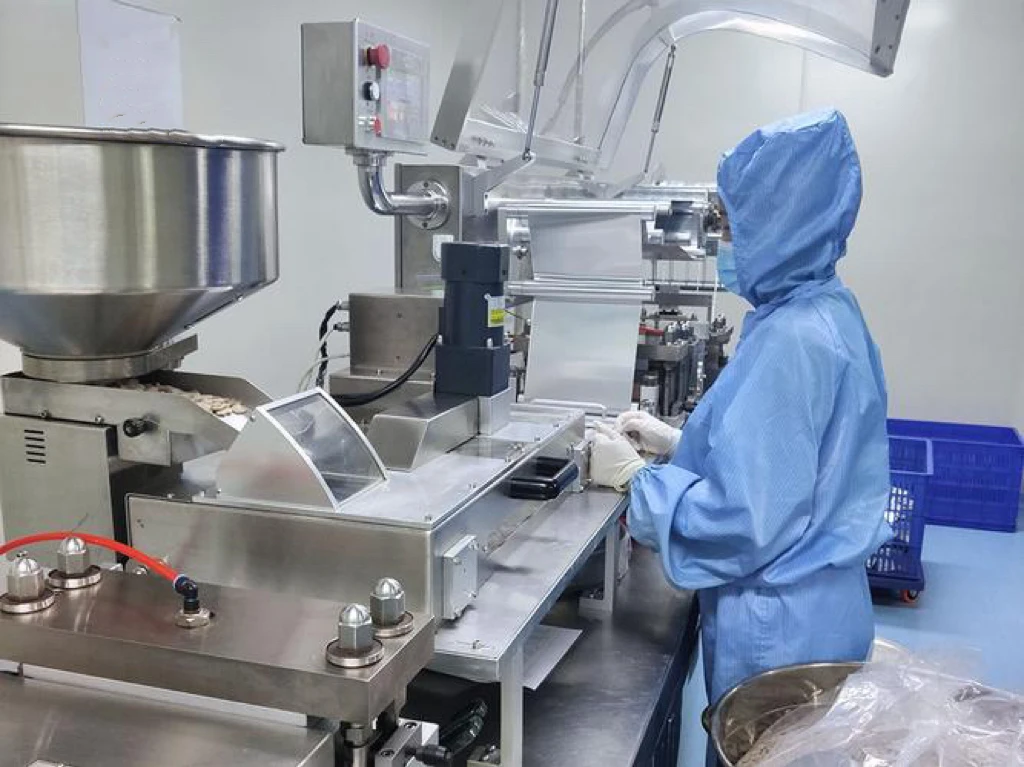
The manufacturing of poultry drugs relies on a complex interplay of pharmaceutical chemistry, materials science, and precision engineering. Active Pharmaceutical Ingredients (APIs) are synthesized through multi-step organic chemical processes, demanding high purity and consistent quality. Common APIs include antibiotics (e.g., tetracyclines, fluoroquinolones), coccidiostats (e.g., amprolium, monensin), and anti-inflammatory agents. Excipients, inert substances forming the drug’s dosage form, play a vital role. These can be broadly categorized into binders (e.g., polyvinylpyrrolidone – PVP), diluents (e.g., lactose, microcrystalline cellulose), disintegrants (e.g., croscarmellose sodium), and lubricants (e.g., magnesium stearate). The physical properties of these materials – particle size distribution, bulk density, flowability – significantly impact manufacturing processes. Manufacturing methods vary based on the drug’s intended administration route. Oral medications (e.g., premixes, soluble powders) involve blending APIs and excipients followed by milling and granulation to ensure homogeneity. Injectable formulations require sterile manufacturing environments, precise control of pH and osmolality, and meticulous filtration to remove particulate matter. Feed additives are incorporated into poultry feed via precise blending and extrusion processes. Critical parameters include mixing uniformity, particle size consistency, and thermal stability during pelleting. Chemical compatibility between the API and excipients is crucial, assessed through stability studies investigating degradation pathways and potential interactions. For instance, tetracyclines are known to chelate with divalent cations, impacting their bioavailability. Polymer coatings are frequently applied to control drug release, utilizing polymers such as ethylcellulose and hydroxypropyl methylcellulose (HPMC). Manufacturing processes must adhere to Good Manufacturing Practices (GMP) guidelines to ensure product quality and safety.
Performance & Engineering
The performance of poultry drugs is fundamentally governed by pharmacokinetic (PK) and pharmacodynamic (PD) principles. PK describes the drug's absorption, distribution, metabolism, and excretion (ADME) within the poultry organism. Factors influencing absorption include the drug’s solubility, particle size, and gastrointestinal physiology of the bird. Distribution relies on blood flow and tissue binding affinity. Metabolism, primarily occurring in the liver, can alter the drug’s activity and elimination rate. Excretion occurs through urine, feces, and eggs. PD relates the drug’s concentration to its pharmacological effect. This necessitates understanding the drug's mechanism of action (e.g., inhibition of bacterial cell wall synthesis, disruption of parasite metabolism). Force analysis is crucial in assessing the structural integrity of drug packaging and delivery systems. For instance, blister packs must withstand handling and transport stresses without compromising drug stability. Environmental resistance is paramount, particularly regarding temperature and humidity. Poultry drugs must maintain potency and stability under diverse storage conditions. Compliance requirements are stringent, dictated by regulatory bodies such as the FDA (USA), EMA (Europe), and local veterinary authorities. These requirements encompass rigorous testing for purity, potency, sterility (for injectables), and residue levels. Withdrawal times are engineered to ensure that drug residues in meat and eggs fall below Maximum Residue Limits (MRLs) established by regulatory agencies. Functional implementation involves optimizing drug delivery methods – in-feed administration, water medication, spray vaccination – to maximize efficacy and minimize stress on the birds. Engineering considerations include ensuring uniform drug distribution in feed and water, preventing clogging of medication delivery systems, and optimizing spray droplet size for vaccine administration.
Technical Specifications
| API Name | Dosage Form | Potency (mg/kg BW) | Withdrawal Time (Days) - Meat |
|---|---|---|---|
| Amoxicillin | Soluble Powder | 20-40 | 7 |
| Enrofloxacin | Oral Solution | 10-20 | 14 |
| Tylosin | Premix | 50-100 | 5 |
| Sulfadoxine-Trimethoprim | Oral Paste | 30-60 | 10 |
| Amprolium | Soluble Powder | 100-200 | 5 |
| Monensin | Premix | 5-10 | 0 (Egg) / 7 (Meat) |
Failure Mode & Maintenance
Failure modes in poultry drug applications can be categorized into several key areas. Drug degradation is a primary concern, driven by factors such as temperature, humidity, light exposure, and chemical interactions. Hydrolysis, oxidation, and photolysis are common degradation pathways. For example, beta-lactam antibiotics are susceptible to hydrolysis in aqueous solutions. Manufacturing defects, such as inconsistent particle size or inadequate mixing, can lead to sub-therapeutic drug concentrations and treatment failure. Improper storage conditions, including exposure to extreme temperatures or humidity, can compromise drug stability and potency. Bioavailability issues can arise from poor drug absorption due to feed interactions or gut dysbiosis. Antimicrobial resistance (AMR) represents a significant failure mode, rendering drugs ineffective against target pathogens. This is driven by selective pressure from drug use and the evolution of resistant strains. Administration errors, such as incorrect dosage or improper injection technique, can lead to under- or over-treatment. Maintenance strategies focus on preventative measures. Implementing robust quality control procedures throughout the manufacturing process is essential. Maintaining proper storage conditions – cool, dry, and dark – is crucial. Regular monitoring of drug potency and stability is recommended. Employing antimicrobial stewardship programs to promote responsible drug use and minimize the development of AMR is vital. Rotating drug classes and utilizing combination therapies can help delay the emergence of resistance. Proper cleaning and disinfection of medication delivery systems (e.g., water lines, feeders) are essential to prevent contamination and ensure accurate drug administration. Regularly reviewing and updating drug protocols based on monitoring data and emerging resistance patterns is a continuous maintenance task.
Industry FAQ
Q: What is the impact of feed composition on the bioavailability of orally administered antibiotics?
A: Feed composition significantly impacts bioavailability. High fiber content can reduce absorption by increasing gut transit time and binding to the drug. Calcium and other divalent cations can chelate with tetracyclines, forming insoluble complexes and reducing absorption. The presence of certain mycotoxins can also impair gut function and reduce drug absorption. Formulating drugs with appropriate excipients and optimizing feed composition are crucial for maximizing bioavailability.
Q: How do withdrawal times for different poultry drugs determined and validated?
A: Withdrawal times are determined through residue depletion studies conducted in accordance with regulatory guidelines. These studies involve administering the drug to poultry at the therapeutic dose and then monitoring tissue (muscle, liver, eggs) and fluid (blood) samples over time to track the decline in drug residue levels. The withdrawal time is established as the period required for residues to fall below the established Maximum Residue Limit (MRL). Validation involves repeating these studies under different conditions and ensuring consistency.
Q: What are the key considerations for maintaining the sterility of injectable poultry drug formulations?
A: Maintaining sterility requires adherence to strict aseptic processing techniques. This includes using sterile equipment and raw materials, performing filtration through 0.22-micron filters, and conducting sterility testing of finished products. Maintaining a controlled manufacturing environment (cleanroom) with appropriate air filtration and personnel hygiene protocols is essential. Packaging materials must be compatible with the formulation and maintain sterility during storage and handling.
Q: What strategies are employed to mitigate the development of antimicrobial resistance in poultry production?
A: Mitigation strategies include implementing antimicrobial stewardship programs, promoting responsible drug use, reducing prophylactic use of antibiotics, and improving biosecurity measures to prevent disease outbreaks. Utilizing alternative therapies, such as probiotics, prebiotics, and vaccines, can reduce reliance on antibiotics. Regular monitoring of antimicrobial susceptibility patterns is essential for guiding treatment decisions. Rotating drug classes and employing combination therapies can help delay the emergence of resistance.
Q: How does temperature affect the stability of vaccines used in poultry?
A: Temperature is a critical factor affecting vaccine stability. Exposure to temperatures outside the recommended storage range (typically 2-8°C) can lead to loss of vaccine potency. Freezing can also damage vaccine components. Maintaining the cold chain – ensuring continuous refrigeration from manufacturing to administration – is paramount. Vaccines should be protected from direct sunlight and stored in appropriate packaging.
Conclusion
Poultry drug technology is a multifaceted field, intricately linked to animal health, food safety, and public health. This guide has provided a comprehensive technical overview, encompassing material science, manufacturing processes, performance characteristics, and potential failure modes. The key to successful application lies in understanding the complex interplay between drug properties, poultry physiology, and environmental factors. The increasing challenge of antimicrobial resistance demands a shift towards responsible drug use, proactive biosecurity measures, and the exploration of innovative alternative therapies.
Future developments in poultry drug technology will likely focus on novel drug delivery systems, targeted therapies, and enhanced diagnostics for early disease detection. Nanotechnology offers promising avenues for improving drug bioavailability and reducing off-target effects. Furthermore, advancements in genomics and proteomics will enable the development of more personalized treatment strategies. Continuous monitoring of drug efficacy and resistance patterns will be crucial for optimizing treatment protocols and safeguarding the long-term sustainability of poultry production.
Latest news
Copyright © 2026
Dingzhou Kangquan Pharmaceutical Co., Ltd. All Rights Reserved. Sitemap | Privacy
Policy


