
Apr . 01, 2024 17:55 Back to list
poultry e coli medicine Performance Analysis

Introduction
Poultry Escherichia coli (E. coli) medication encompasses a range of antimicrobial agents and supportive therapies utilized to combat colibacillosis, a significant bacterial infection in poultry production. E. coli is a ubiquitous bacterium, with certain pathogenic strains causing disease in chickens, turkeys, and other fowl. These strains commonly manifest as colisepticemia (systemic infection), colibacillosis (intestinal infection leading to diarrhea), and air sacculitis. Effective medication requires precise identification of the specific E. coli strain and its antibiotic susceptibility profile. The selection and administration of appropriate pharmaceuticals, coupled with biosecurity measures and proper husbandry practices, are critical for controlling outbreaks and minimizing economic losses in poultry farming. This guide will detail the materials science of commonly used antibiotics, their manufacturing processes, performance characteristics, potential failure modes, and relevant industry standards concerning poultry medication.
Material Science & Manufacturing
The primary active pharmaceutical ingredients (APIs) in poultry E. coli medication are predominantly β-lactam antibiotics (e.g., amoxicillin, ceftiofur), aminoglycosides (e.g., gentamicin, neomycin), fluoroquinolones (e.g., enrofloxacin, ciprofloxacin), and macrolides (e.g., tylosin). β-lactams function by inhibiting bacterial cell wall synthesis, specifically targeting penicillin-binding proteins. Their molecular structures consist of a β-lactam ring, crucial for their antibacterial activity. Aminoglycosides disrupt bacterial protein synthesis by binding to the 30S ribosomal subunit, leading to misreading of mRNA. Fluoroquinolones inhibit bacterial DNA gyrase and topoisomerase IV, enzymes essential for DNA replication. Macrolides bind to the 50S ribosomal subunit, inhibiting protein synthesis.
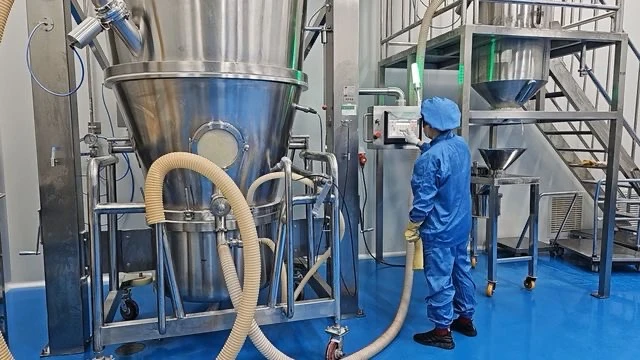
Manufacturing processes vary based on the API. β-lactams are typically synthesized through complex organic chemistry involving multiple reaction steps and chiral separations. Crystallization and purification are vital to achieve pharmaceutical-grade purity. Aminoglycosides are often produced via fermentation processes utilizing specific strains of Streptomyces bacteria, followed by isolation, purification, and salt formation. Fluoroquinolones are synthesized through multi-step chemical reactions, employing fluorine-containing building blocks. Macrolides, similarly to aminoglycosides, are commonly produced through fermentation. Formulation involves combining the API with excipients (e.g., diluents, binders, disintegrants, lubricants) to create a stable and bioavailable dosage form, such as soluble powder for oral administration, injectable solutions, or premixes for feed incorporation. Key parameter control during manufacturing includes temperature, pH, reaction time, solvent purity, and sterilization procedures to ensure API stability, potency, and safety.
Performance & Engineering
The performance of poultry E. coli medication is evaluated based on pharmacokinetic (PK) and pharmacodynamic (PD) parameters. PK describes the drug’s absorption, distribution, metabolism, and excretion (ADME) within the poultry organism. Factors influencing PK include route of administration, dosage, formulation, and individual bird characteristics (age, weight, health status). PD assesses the drug’s effect on the target bacteria, considering factors like minimum inhibitory concentration (MIC), minimum bactericidal concentration (MBC), and post-antibiotic effect (PAE). Effective medication requires achieving therapeutic drug concentrations at the site of infection for a sufficient duration.
Engineering considerations involve dosage form design to optimize drug delivery. For oral administration, solubility, palatability, and stability in drinking water or feed are crucial. Injectable formulations require sterility, pyrogen-free status, and compatibility with injection site tissues. The use of drug delivery systems, such as microencapsulation, can improve drug stability, bioavailability, and targeted delivery. Environmental resistance of the API is a critical aspect. Exposure to UV light, moisture, and elevated temperatures can degrade the drug, reducing its potency. Packaging materials and storage conditions must be carefully selected to protect the medication from environmental factors. Compliance requirements are dictated by veterinary drug regulations in different countries, encompassing efficacy trials, safety assessments, residue monitoring, and labeling requirements.
Technical Specifications
| Antibiotic Class | API Example | Typical Dosage (mg/kg BW) | Withdrawal Period (Days) |
|---|---|---|---|
| β-Lactam | Amoxicillin | 100-200 | 7 |
| Aminoglycoside | Gentamicin | 5-10 | 3 |
| Fluoroquinolone | Enrofloxacin | 5-10 | 8 |
| Macrolide | Tylosin | 50-100 | 2 |
| Cephalosporin | Ceftiofur | 2-5 | 5 |
| Sulfonamide | Sulfamethoxazole | 100-200 | 5 |
Failure Mode & Maintenance
Failure modes in poultry E. coli medication can arise from several sources. Antibiotic resistance development is a primary concern, driven by selective pressure from antibiotic use. Bacteria can acquire resistance genes through mutations, horizontal gene transfer (conjugation, transduction, transformation), and biofilm formation. Decreased drug potency due to improper storage (temperature excursions, humidity) or degradation during manufacturing is another failure mode. Incorrect dosage calculations or administration techniques can result in sub-therapeutic drug levels, leading to treatment failure. Bioavailability issues, such as poor absorption or rapid metabolism, can also compromise drug efficacy. Formulation instability, leading to precipitation or phase separation, can affect drug delivery.
Maintenance strategies involve implementing antimicrobial stewardship programs to promote judicious antibiotic use, minimizing the risk of resistance development. Regular monitoring of antibiotic susceptibility patterns in local E. coli populations is essential to guide treatment decisions. Proper storage and handling of medications are crucial to maintain potency. Implementing robust quality control procedures during manufacturing ensures consistent product quality. Accurate dosage calculations and administration techniques, guided by veterinary advice, are paramount. Regular equipment calibration and cleaning in pharmaceutical manufacturing facilities maintain sterile environments. Implementing robust biosecurity measures on poultry farms minimizes the incidence of E. coli infections and reduces the reliance on antibiotic treatment.
Industry FAQ
Q: What is the role of pharmacokinetic/pharmacodynamic (PK/PD) modeling in optimizing E. coli treatment regimens in poultry?
A: PK/PD modeling integrates drug concentration data with microbiological outcomes to predict treatment efficacy. It helps determine the optimal dosage, frequency, and duration of antibiotic administration to maximize bacterial killing while minimizing the development of resistance. By simulating drug exposure profiles and relating them to MIC and MBC values, PK/PD modeling provides a rational basis for treatment decisions.
Q: How does the poultry gut microbiome influence the efficacy of E. coli medication?
A: The gut microbiome plays a complex role. Disruption of the gut microbiome by antibiotic treatment can create ecological niches for resistant bacteria to proliferate. Conversely, a healthy microbiome can enhance immune function and compete with E. coli for resources. Probiotic supplementation and dietary interventions aimed at promoting a balanced microbiome are increasingly being explored as adjunct therapies to antibiotic treatment.
Q: What are the key challenges in developing new antibiotics for poultry use?
A: The development of new antibiotics is hampered by several challenges, including the high cost of research and development, the regulatory hurdles involved in gaining approval, and the rapid emergence of antibiotic resistance. Economic incentives are often limited, discouraging pharmaceutical companies from investing in new antibiotic development. Finding novel targets and mechanisms of action that circumvent existing resistance mechanisms is also a significant scientific challenge.
Q: What are the implications of antibiotic residues in poultry products for human health?
A: Antibiotic residues in poultry meat and eggs can contribute to the development and spread of antibiotic resistance in human populations. Exposure to low levels of antibiotics can select for resistant bacteria in the human gut microbiome, potentially compromising the effectiveness of antibiotics used to treat human infections. Stringent withdrawal periods and residue monitoring programs are essential to minimize this risk.
Q: How can biosecurity measures on poultry farms reduce the need for antibiotic treatment of E. coli infections?
A: Robust biosecurity measures, including strict hygiene protocols, restricted access to farms, effective pest control, and proper waste management, can significantly reduce the incidence of E. coli infections. Minimizing the bacterial load in the environment reduces the selective pressure for antibiotic resistance and lowers the reliance on antibiotic treatment. Vaccination strategies can also enhance immunity and reduce the severity of infections.
Conclusion
Effective management of E. coli infections in poultry demands a multifaceted approach encompassing judicious antibiotic use, a deep understanding of antibiotic pharmacology, and robust biosecurity practices. The complex interplay between drug properties, host factors, and bacterial resistance mechanisms necessitates a tailored treatment strategy informed by PK/PD modeling and continuous monitoring of antimicrobial susceptibility. Prioritizing preventative measures, such as maintaining a healthy gut microbiome and minimizing environmental contamination, is paramount in reducing the reliance on antibiotics and mitigating the emergence of resistance.
Future directions include the development of novel antibiotics with innovative mechanisms of action, the exploration of alternative therapies such as phage therapy and immunotherapy, and the implementation of precision medicine approaches based on genomic profiling of both the host and the pathogen. Continued investment in research and development, coupled with responsible antimicrobial stewardship, is essential to ensure the long-term health and sustainability of the poultry industry.
Latest news
Copyright © 2026
Dingzhou Kangquan Pharmaceutical Co., Ltd. All Rights Reserved. Sitemap | Privacy
Policy


